YPIDATHUYPIDATHU
Journal of Loomingulisus ja InnovatsioonJournal of Loomingulisus ja InnovatsioonDigital storytelling has emerged as a powerful pedagogical and social tool, enabling marginalized youth to articulate their experiences, build digital literacy, and foster a sense of belonging in increasingly mediated societies. Social exclusion continues to affect vulnerable groups by limiting their opportunities for participation and self-expression, which in turn impacts personal identity and community integration. This study aims to explore how digital storytelling can be employed as an inclusive practice to promote voice, agency, and connection among marginalized youth. A qualitative research design was adopted, using a multiple case study approach with 45 participants from diverse disadvantaged backgrounds, including urban slum communities and rural low-income settings. Data were collected through participatory workshops, semi-structured interviews, and observation, and analyzed thematically. Findings reveal that the process of creating and sharing digital stories enables participants to express personal narratives, develop confidence, enhance collaborative skills, and foster empathy within their peer networks. The study concludes that digital storytelling, when designed as a participatory and reflective practice, can contribute significantly to social inclusion by strengthening the visibility, resilience, and sense of belonging of marginalized youth. The study highlights the need for educators and community organizations to integrate digital storytelling into inclusive educational and community development strategies.
This study demonstrates that digital storytelling serves as a transformative practice for marginalized youth, fostering agency, inclusion, and a sense of belonging.The participatory workshops enabled participants to build supportive peer networks, gain confidence, and articulate their experiences.Findings highlight digital storytelling as an effective approach to creating inclusive educational and community development initiatives.
Based on the findings, future research should explore the long-term impacts of digital storytelling interventions on participants educational and employment trajectories, investigating whether the skills and confidence gained through these programs translate into tangible opportunities for advancement. Furthermore, studies could examine the effectiveness of integrating digital storytelling into formal educational curricula, assessing how it can enhance student engagement and promote critical thinking skills across diverse learning contexts. Finally, research is needed to develop and evaluate scalable models for implementing digital storytelling workshops in resource-constrained settings, ensuring that these empowering practices are accessible to marginalized youth in a wider range of communities and geographical locations. These investigations should prioritize participatory research methods, actively involving youth in the design and implementation of studies to ensure that their voices and perspectives are central to the research process, ultimately contributing to more effective and equitable interventions.
- APA PsycNet. psycnet loading doi.org/10.1037/cap0000384APA PsycNet psycnet loading doi 10 1037 cap0000384
- Modern Physics Letters B. modern physics letters system maintenance october pm pst time experience brief... worldscientific.com/doi/10.1142/S0217984925500022Modern Physics Letters B modern physics letters system maintenance october pm pst time experience brief worldscientific doi 10 1142 S0217984925500022
| File size | 257.49 KB |
| Pages | 11 |
| DMCA | Report |
Related /
YPIDATHUYPIDATHU Penelitian ini bertujuan untuk menganalisis faktor-faktor yang mempengaruhi implementasi sukses inovasi teknologi di institusi publik Indonesia. DenganPenelitian ini bertujuan untuk menganalisis faktor-faktor yang mempengaruhi implementasi sukses inovasi teknologi di institusi publik Indonesia. Dengan

JOURNAL GEHUJOURNAL GEHU Dengan menggabungkan pendekatan normatif yuridis dan pendekatan empiris, penelitian memberikan pemahaman komprehensif mengenai dasar hukum serta implementasiDengan menggabungkan pendekatan normatif yuridis dan pendekatan empiris, penelitian memberikan pemahaman komprehensif mengenai dasar hukum serta implementasi

KEMENDAGRIKEMENDAGRI Socioeconomic factors and unhealthy dietary patterns further exacerbate these conditions. Sustainable nutrition education in schools, implemented throughSocioeconomic factors and unhealthy dietary patterns further exacerbate these conditions. Sustainable nutrition education in schools, implemented through
YRPIPKUYRPIPKU Berbagai model pembelajaran mesin, termasuk regresi logistik, k‑nearest neighbors, support vector machine, decision tree, random forest, dan Naive Bayes,Berbagai model pembelajaran mesin, termasuk regresi logistik, k‑nearest neighbors, support vector machine, decision tree, random forest, dan Naive Bayes,

JIS INSTITUTEJIS INSTITUTE (HC) Ir. Soekarno, Provinsi Bangka Belitung. Penelitian ini merupakan penelitian verifikasi (studi kausal) dengan tiga variabel independen (motivasi kerja,(HC) Ir. Soekarno, Provinsi Bangka Belitung. Penelitian ini merupakan penelitian verifikasi (studi kausal) dengan tiga variabel independen (motivasi kerja,

YRPIPKUYRPIPKU Analisis bibliometrik menjadi alat yang kuat untuk memberikan dasar fakta serta wawasan tentang tren, kontributor utama, dan publikasi berpengaruh dalamAnalisis bibliometrik menjadi alat yang kuat untuk memberikan dasar fakta serta wawasan tentang tren, kontributor utama, dan publikasi berpengaruh dalam
YRPIPKUYRPIPKU Simulasi dilakukan dalam lingkungan komunikasi sub-THz menggunakan beamforming analog, digital, dan hybrid pada berbagai konfigurasi antena stasiun basisSimulasi dilakukan dalam lingkungan komunikasi sub-THz menggunakan beamforming analog, digital, dan hybrid pada berbagai konfigurasi antena stasiun basis

UNISMUHUNISMUH Therefore, the use of a personal journal is an effective method for improving students writing skills. It is suggested that teachers and researchers canTherefore, the use of a personal journal is an effective method for improving students writing skills. It is suggested that teachers and researchers can
Useful /
YPIDATHUYPIDATHU Penelitian ini menyarankan menerapkan konsep GRI atau SASB karena dianggap lebih efektif, meningkatkan kualitas dan kinerja, serta memudahkan perencanaanPenelitian ini menyarankan menerapkan konsep GRI atau SASB karena dianggap lebih efektif, meningkatkan kualitas dan kinerja, serta memudahkan perencanaan
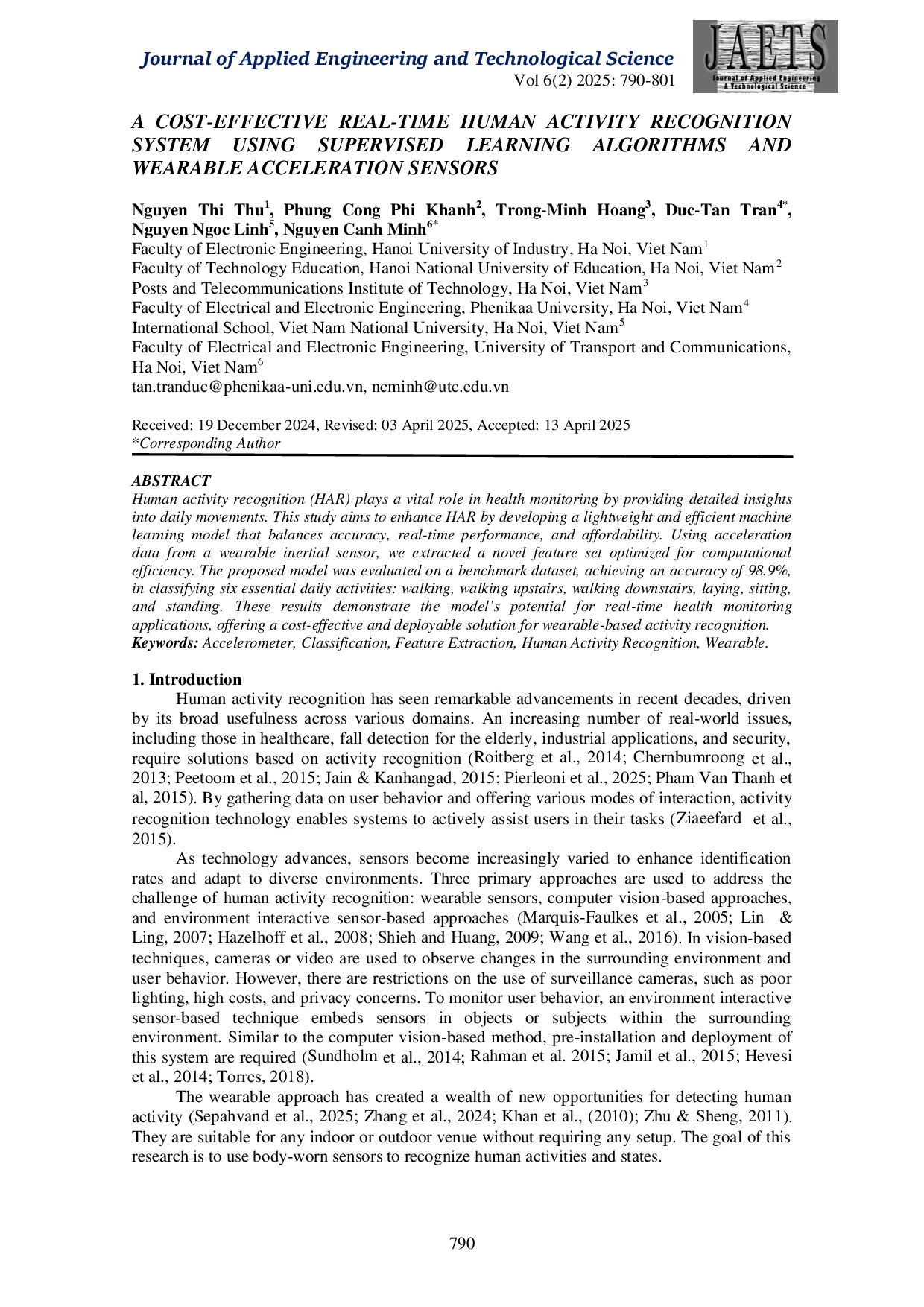
YRPIPKUYRPIPKU Hasil ini menunjukkan potensi model untuk aplikasi pemantauan kesehatan real-time, menawarkan solusi yang hemat biaya dan dapat diterapkan untuk pengenalanHasil ini menunjukkan potensi model untuk aplikasi pemantauan kesehatan real-time, menawarkan solusi yang hemat biaya dan dapat diterapkan untuk pengenalan

YRPIPKUYRPIPKU Penelitian ini bertujuan untuk merumuskan strategi pariwisata tangguh bencana untuk Majene dengan menerapkan Proses Hierarki Analitis (AHP), kerangka pengambilanPenelitian ini bertujuan untuk merumuskan strategi pariwisata tangguh bencana untuk Majene dengan menerapkan Proses Hierarki Analitis (AHP), kerangka pengambilan
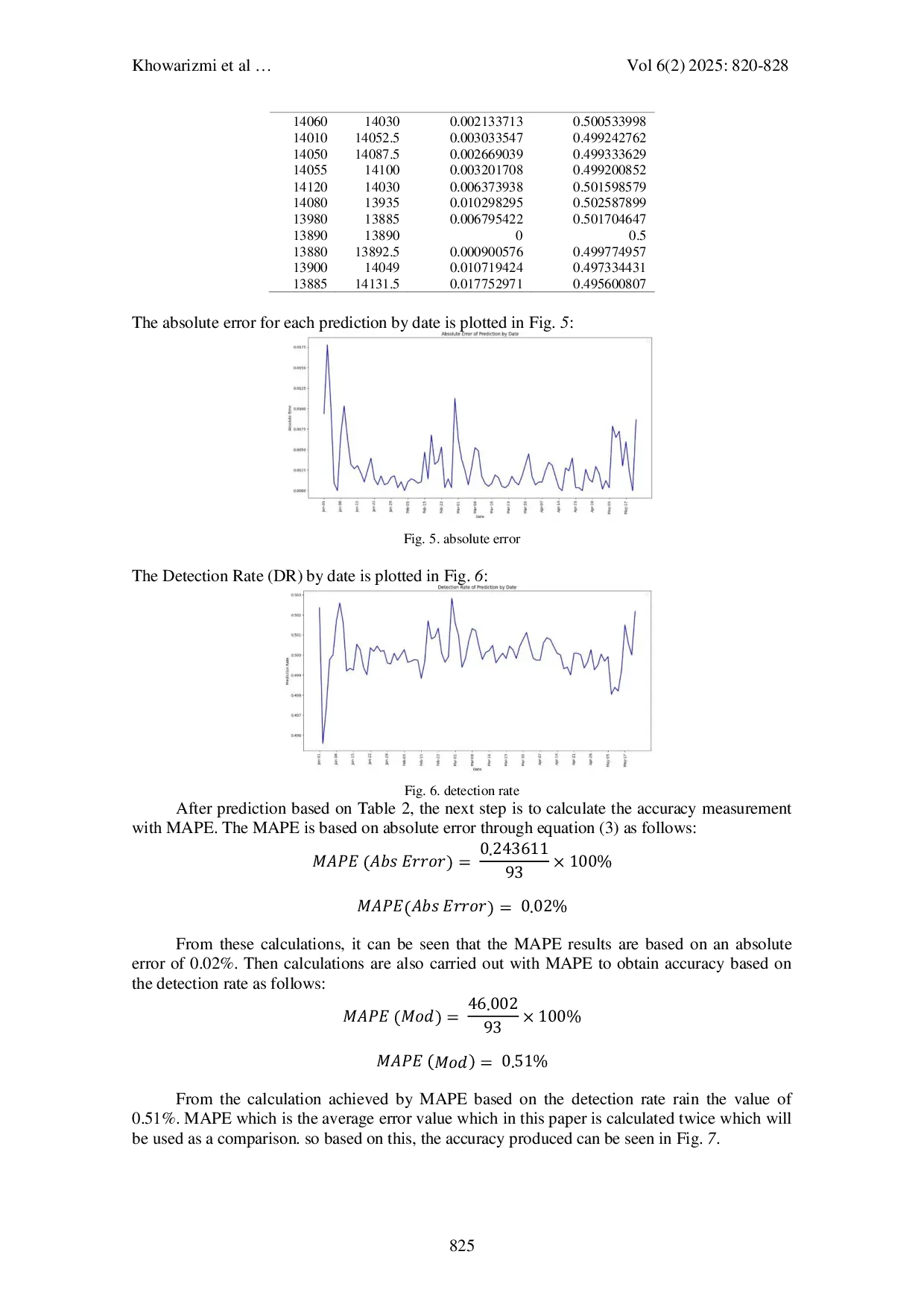
YRPIPKUYRPIPKU Hasil yang diperoleh dengan galat absolut mencapai akurasi 99,73%, sedangkan akurasi berdasarkan tingkat deteksi mencapai 99,49%. Hal ini terlihat padaHasil yang diperoleh dengan galat absolut mencapai akurasi 99,73%, sedangkan akurasi berdasarkan tingkat deteksi mencapai 99,49%. Hal ini terlihat pada