UMBUMB
SINERGISINERGIThis research introduces a two-degree-of-freedom rehabilitation robotic platform to enhance Constraint-Induced Movement Therapy (CIMT) for post-stroke upper limb rehabilitation. Unlike conventional CIMT, that depends on therapist intervention, the proposed system integrates a control framework balancing assistance and autonomy to improve patient engagement and recovery efficiency. The main contribution is a hybrid control architecture combining a low-level impedance controller with a high-level discrete event system (DES) controller. This dual-layer control enables real-time adaptation to a patients motor impairment stage, offering dynamic and personalized rehabilitation. The high-level controller, structured around the Chedoke-McMaster Assessment (CMA), facilitates intelligent transitions between rehabilitation states, ensuring robotic assistance matches recovery progress. The design emphasizes simplicity, portability, and user-friendliness, employing a lightweight, cable-driven mechanism that produces smooth and natural movements, closely replicating manual therapy. Experiments with healthy subjects simulating impaired conditions demonstrated the systems ability to adjust assistance levels and movement velocities according to motor function stages. The results confirm the feasibility of an adaptive, patient-centric control framework that enhances motor engagement and supports progressive rehabilitation. Future work will focus on clinical validation with stroke patients, expanding movement directions, and long-term evaluation of therapeutic outcomes in real-world settings. Overall, this study offers a scalable, data-driven approach bridging robotic automation and therapist-guided rehabilitation, opening new possibilities for improving neuroplasticity and motor recovery after stroke.
This study successfully demonstrates the integration of a high-level supervisory control framework with precise plant inputs in a robot-assisted rehabilitation system, significantly enhancing patient engagement and recovery outcomes.The systems key innovation lies in the discrete event system (DES)-based high-level controller, structured around the Chedoke-McMaster Assessment (CMA), enabling stage-specific adaptation of therapy based on patient motor impairment.The lightweight, cable-driven mechanical design closely mimics therapist-guided movements while maintaining portability and ease of use, and experimental validation confirms the systems ability to deliver adaptive, personalized rehabilitation.
Further research should investigate the systems efficacy with stroke patients in clinical settings to validate its therapeutic benefits and refine its parameters for optimal recovery. Expanding the robots range of motion beyond the current planar movements to include multi-directional capabilities would broaden its applicability to a wider range of rehabilitation exercises and patient needs. Additionally, exploring the integration of machine learning algorithms to personalize therapy protocols based on individual patient data and predict recovery trajectories could further enhance the systems adaptive capabilities and optimize treatment outcomes, ultimately leading to more effective and efficient rehabilitation strategies for stroke survivors. These advancements will require a collaborative effort between engineers, clinicians, and neuroscientists to ensure the development of a truly patient-centric and data-driven rehabilitation system.
| File size | 677.33 KB |
| Pages | 8 |
| DMCA | Report |
Related /
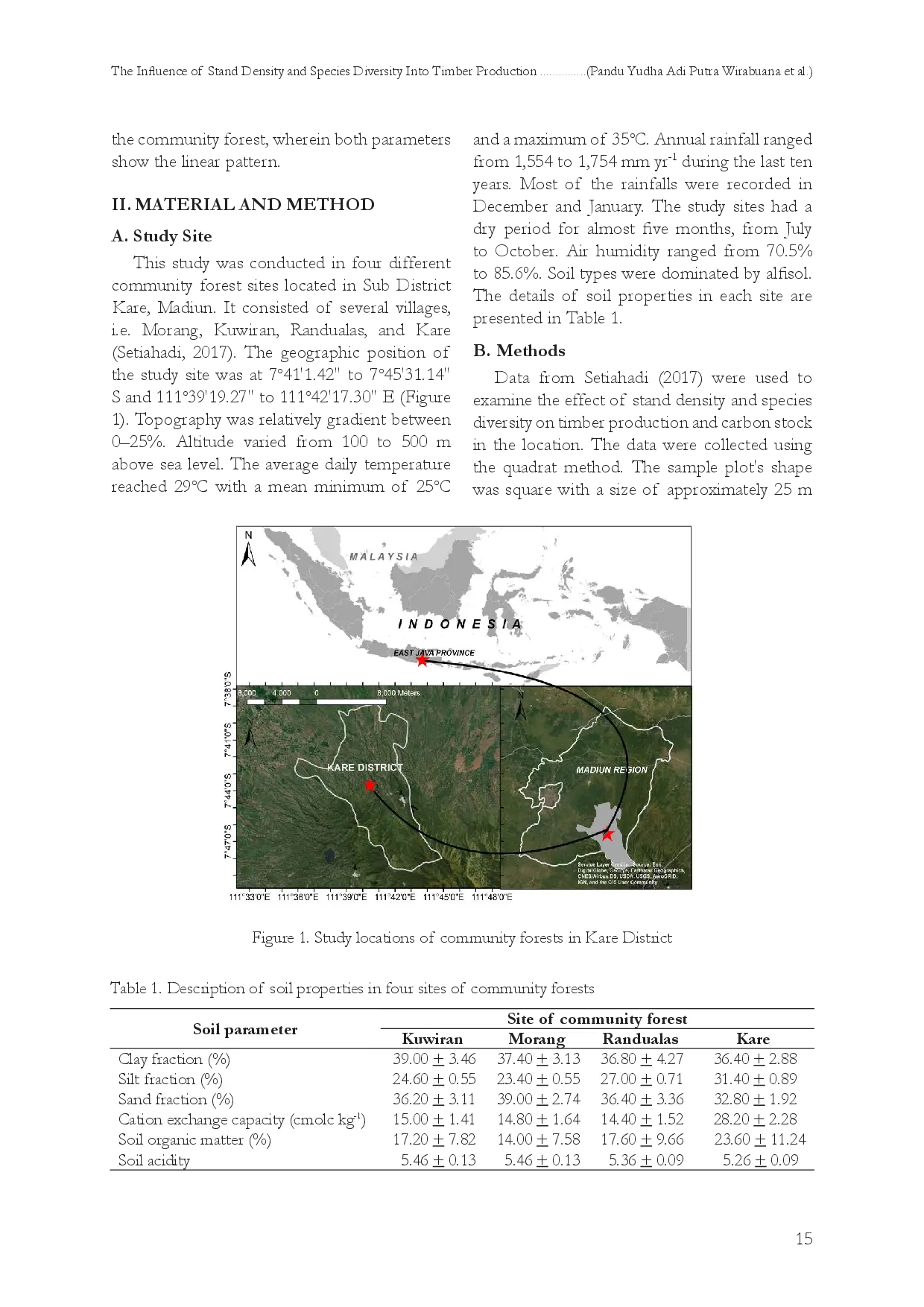
APTKLHIAPTKLHI Survey dilaksanakan dengan metode kuadrat menggunakan plot sampel 25 m x 25 m. Jumlah plot sampel yang digunakan dalam penelitian ini sekitar 64 unit yangSurvey dilaksanakan dengan metode kuadrat menggunakan plot sampel 25 m x 25 m. Jumlah plot sampel yang digunakan dalam penelitian ini sekitar 64 unit yang
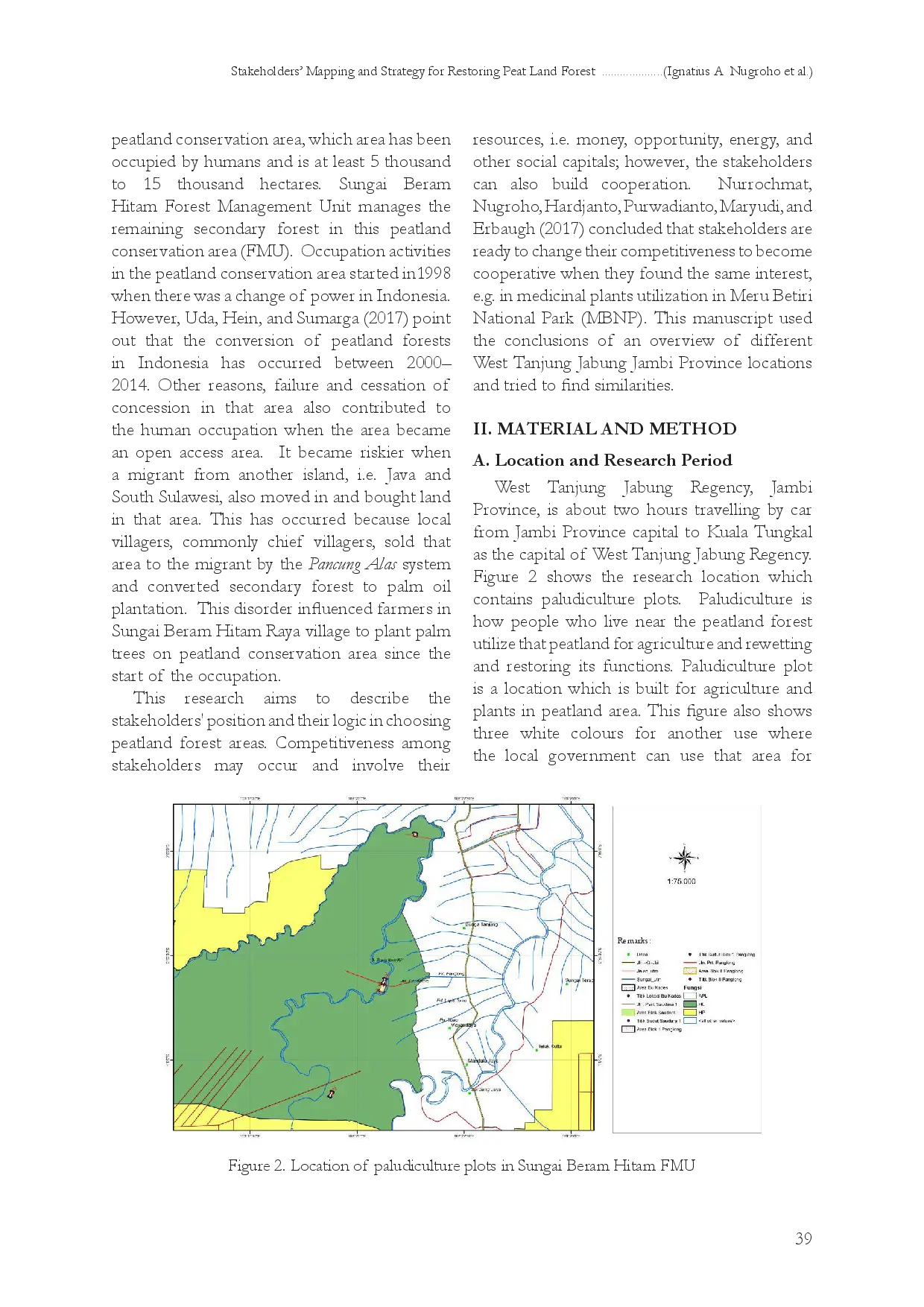
APTKLHIAPTKLHI Hal ini juga berarti bahwa kepercayaan merupakan variabel penting dalam relasi di antara para pihak dan harus dikembangkan dalam restorasi hutan rawa gambut.Hal ini juga berarti bahwa kepercayaan merupakan variabel penting dalam relasi di antara para pihak dan harus dikembangkan dalam restorasi hutan rawa gambut.
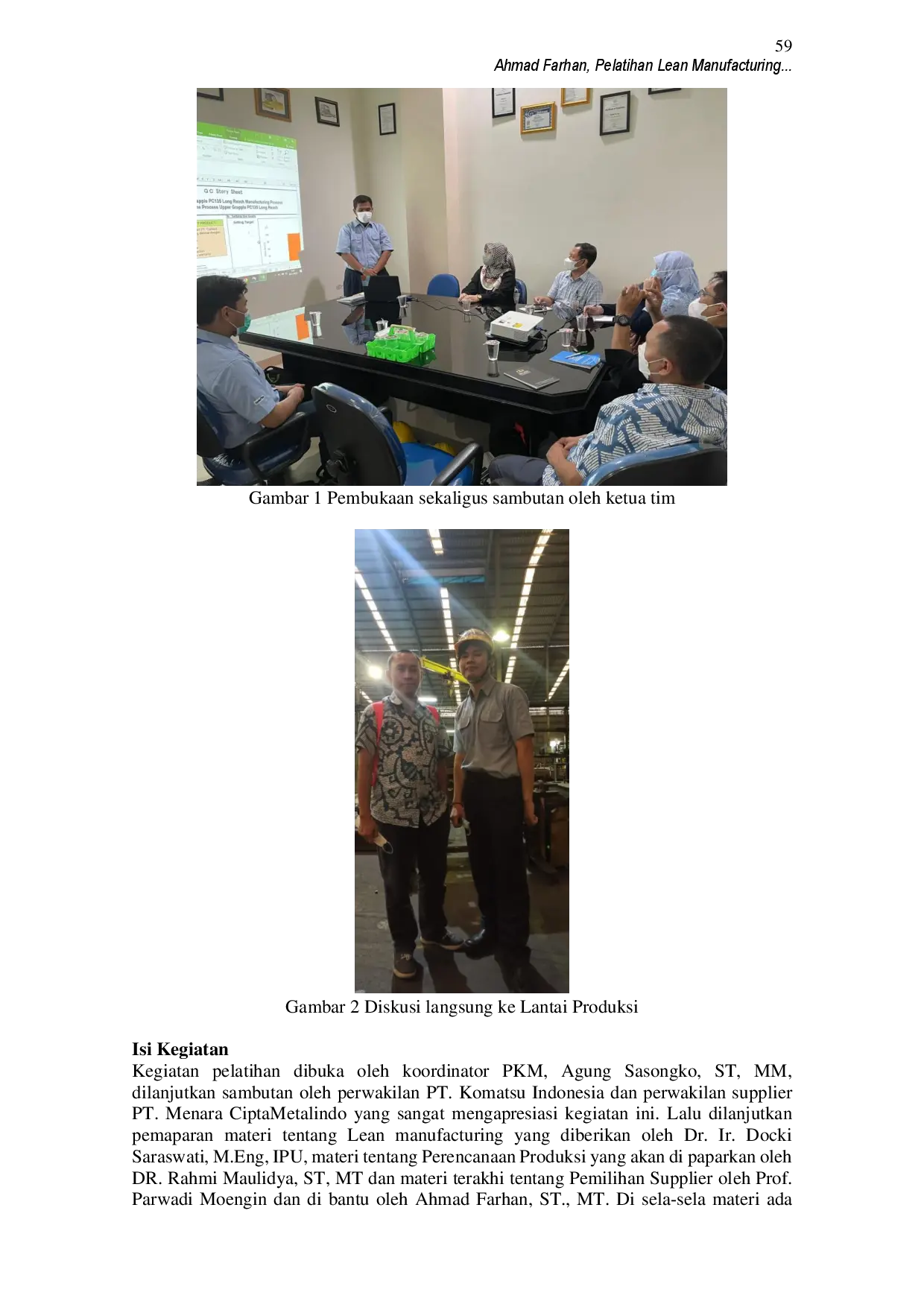
POLIMEDIAPOLIMEDIA Solusi yang diberikan untuk mengatasi masalah tersebut berupa pelatihan Lean Manufacturing untuk mengurangi waktu waste, perencanaan produksi untuk menjadwalkanSolusi yang diberikan untuk mengatasi masalah tersebut berupa pelatihan Lean Manufacturing untuk mengurangi waktu waste, perencanaan produksi untuk menjadwalkan

POLIMEDIAPOLIMEDIA Permasalahan yang terjadi di banyak SMA adalah banyak guru yang sudah mengetahui cara mengolah data, namun masih banyak juga yang mengalami kesulitan dalamPermasalahan yang terjadi di banyak SMA adalah banyak guru yang sudah mengetahui cara mengolah data, namun masih banyak juga yang mengalami kesulitan dalam

POLIMEDIAPOLIMEDIA Oleh sebab itu, tujuan pengabdian adalah menjadikan mitra Mangrove Bintan Lestari (MBL) Conservation (1) mampu membuat bahan pewarna alami batik dari buahOleh sebab itu, tujuan pengabdian adalah menjadikan mitra Mangrove Bintan Lestari (MBL) Conservation (1) mampu membuat bahan pewarna alami batik dari buah

POLIMEDIAPOLIMEDIA Besar harapan kami bahwa desain produk ini dapat diimplementasikan dan prototipe peneliti dapat diserahkan kepada pihak penerima manfaat pada kegiatanBesar harapan kami bahwa desain produk ini dapat diimplementasikan dan prototipe peneliti dapat diserahkan kepada pihak penerima manfaat pada kegiatan

POLIMEDIAPOLIMEDIA Pelatihan adalah sebuah proses untuk meningkatkan kompetensi para pekerja. Dengan kata lain pelatihan ini adalah proses untuk membantu peserta agar dapatPelatihan adalah sebuah proses untuk meningkatkan kompetensi para pekerja. Dengan kata lain pelatihan ini adalah proses untuk membantu peserta agar dapat

POLIMEDIAPOLIMEDIA Mitranya yaitu kelompok masyarakat di satu kelurahan yang diwakili oleh 35 orang kepala keluarga sebagai anggota dari rukun sosial kemasyarakatan dimaksud.Mitranya yaitu kelompok masyarakat di satu kelurahan yang diwakili oleh 35 orang kepala keluarga sebagai anggota dari rukun sosial kemasyarakatan dimaksud.
Useful /

GREENATIONPUBLISHERGREENATIONPUBLISHER Penelitian ini bersifat deskriptif kualitatif dengan metode pengumpulan data melalui wawancara, dokumentasi, dan observasi, serta analisis data secaraPenelitian ini bersifat deskriptif kualitatif dengan metode pengumpulan data melalui wawancara, dokumentasi, dan observasi, serta analisis data secara
UMBUMB Hasil menunjukkan bahwa SMOTE dan RCS unggul dibandingkan metode balancing lainnya, dengan SMOTE mencapai akurasi tertinggi (98,7%) dan RCS menunjukkanHasil menunjukkan bahwa SMOTE dan RCS unggul dibandingkan metode balancing lainnya, dengan SMOTE mencapai akurasi tertinggi (98,7%) dan RCS menunjukkan
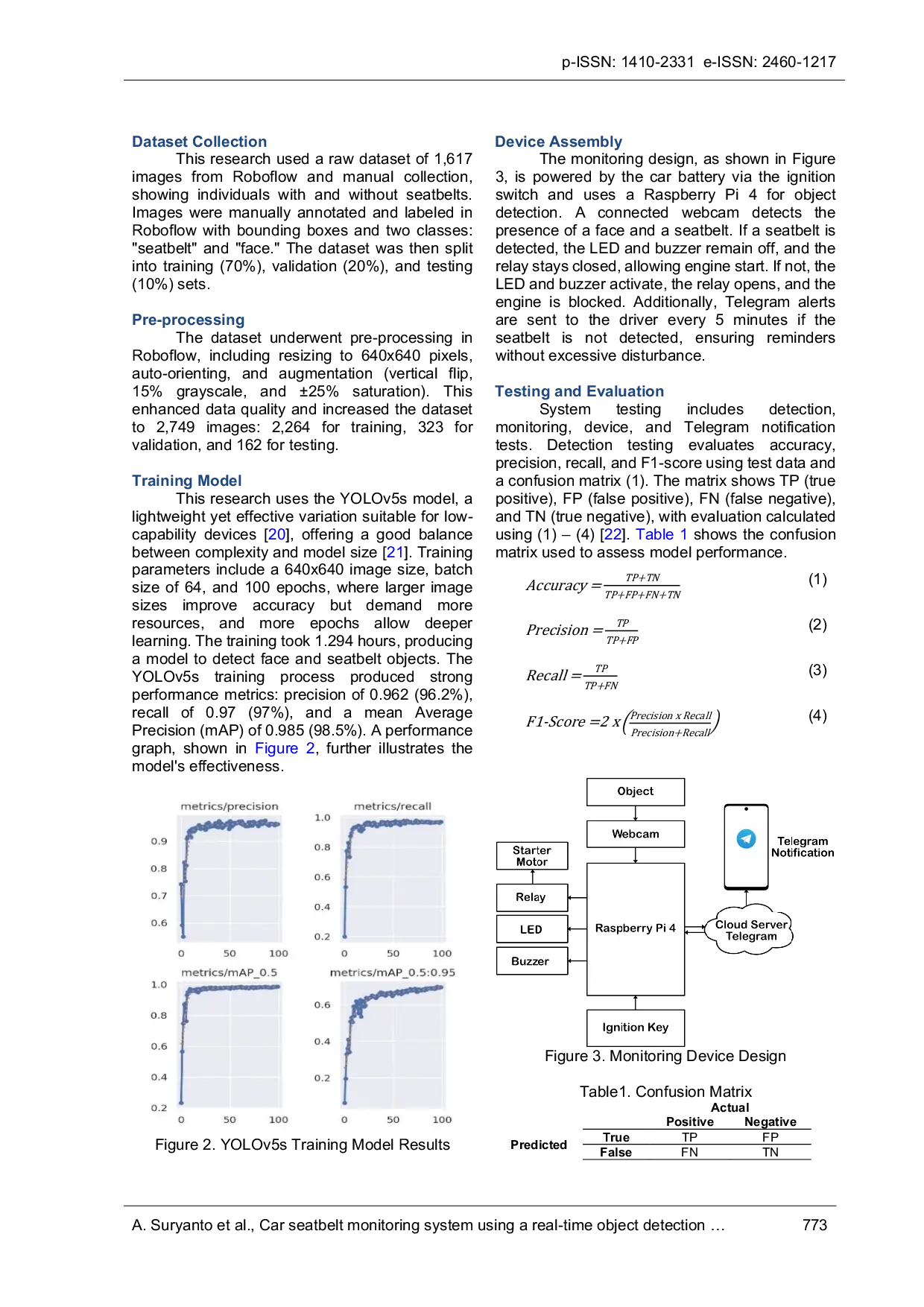
UMBUMB Notifications are also delivered through LEDs, a buzzer, and Telegram messages. This system has an accuracy of 95.75%, precision of 99. 1%, recall of 96.Notifications are also delivered through LEDs, a buzzer, and Telegram messages. This system has an accuracy of 95.75%, precision of 99. 1%, recall of 96.

APTKLHIAPTKLHI Pada Desa Simardangiang, lima buah yang mempunyai nilai terpenting berdasarkan nilai LUVI adalah kapundung (Baccaurea racemose) (0,56), hopong (MacarangaPada Desa Simardangiang, lima buah yang mempunyai nilai terpenting berdasarkan nilai LUVI adalah kapundung (Baccaurea racemose) (0,56), hopong (Macaranga