STPMATARAMSTPMATARAM
Journal Of Responsible TourismJournal Of Responsible TourismLombok Island possesses significant ecotourism potential with diverse ecosystems encompassing mountainous regions, coastal areas, and small islands. The development of ecotourism on Lombok Island demonstrates varying dynamics and requires comprehensive study. This research aims to analyze the development of ecotourism on Lombok Island through a systematic literature review, identifying the potential, challenges, and sustainability-based ecotourism development strategies across various regions of Lombok. The research employs a systematic literature review method by examining 17 scientific articles published between 2017 and 2025. Data were collected from national and international scientific journal databases, then analyzed thematically to identify patterns of ecotourism development in each region. The literature review indicates that ecotourism on Lombok Island develops with unique characteristics in each region. East Lombok is dominated by mangrove and coral reef ecotourism, North Lombok is rapidly developing with a community-based tourism model in Gili Trawangan and the Rinjani area, West Lombok focuses on forest and mangrove conservation, while Central Lombok develops green tourism villages. The main supporting factors include biodiversity richness, local community support, and conservation initiatives. The challenges faced encompass limited institutional capacity, pressure from mass tourism, environmental degradation, and inadequate supporting infrastructure. The development of ecotourism on Lombok Island demonstrates a positive trend but requires institutional strengthening, community capacity enhancement, and integrated policies to ensure long-term sustainability. The community-based ecotourism approach has proven effective in integrating environmental conservation with local economic empowerment.
Kajian literatur sistematis terhadap 17 artikel ilmiah tentang perkembangan ekowisata di Pulau Lombok menunjukkan bahwa wilayah ini memiliki potensi ekowisata yang sangat besar dan beragam.Perkembangan ekowisata di berbagai wilayah Lombok menunjukkan variasi yang signifikan, dimana Lombok Utara (khususnya Gili Trawangan) berada pada tahap paling maju tetapi menghadapi tantangan keberlanjutan paling kompleks.Lombok Timur menunjukkan perkembangan yang relatif seimbang antara pertumbuhan ekonomi dengan konservasi lingkungan melalui pendekatan community-based ecotourism.Faktor-faktor yang mendukung perkembangan ekowisata meliputi kekayaan biodiversitas, dukungan masyarakat lokal, inisiatif konservasi, pengakuan internasional seperti UNESCO Global Geopark, dan tren global menuju pariwisata berkelanjutan.Namun demikian, sektor ekowisata di Lombok masih menghadapi tantangan signifikan berupa kapasitas kelembagaan yang terbatas, tekanan overtourism di beberapa lokasi, konflik kepentingan konservasi versus eksploitasi ekonomi, keterbatasan infrastruktur, dan kerentanan terhadap bencana alam.
Pertama, penelitian lanjutan dapat mengkaji integrasi teknologi digital dalam pengelolaan ekowisata Lombok, seperti penggunaan platform virtual reality untuk promosi destinasi tanpa mengganggu ekosistem. Kedua, studi tentang dampak budaya lokal terhadap pengembangan ekowisata perlu dilakukan untuk memastikan keaslian tradisi tidak terkorupsi oleh komersialisasi. Ketiga, penelitian tentang adaptasi ekowisata terhadap perubahan iklim, khususnya di kawasan pesisir yang rentan terhadap erosi dan kenaikan permukaan air laut, dapat menjadi fokus penting. Dengan pendekatan ini, Lombok dapat memperkuat posisi sebagai destinasi ekowisata yang berkelanjutan dan berdaya saing global.
| File size | 327.29 KB |
| Pages | 13 |
| DMCA | Report |
Related /

UNIDAYANUNIDAYAN Salah satunya dengan menjadikan pengetahuan tentang flora dan fauna sebagai salah satu pengetahuan dan informasi. Namun, proses pembelajaran yang ada diSalah satunya dengan menjadikan pengetahuan tentang flora dan fauna sebagai salah satu pengetahuan dan informasi. Namun, proses pembelajaran yang ada di

STTPBSTTPB Penelitian ini menganalisis transformasi kepemimpinan Kristiani melalui dialog antarbudaya sebagai strategi membangun ketahanan komunitas. MenggunakanPenelitian ini menganalisis transformasi kepemimpinan Kristiani melalui dialog antarbudaya sebagai strategi membangun ketahanan komunitas. Menggunakan

STTPBSTTPB Tradisi ratapan menyediakan ruang bagi ekspresi penderitaan yang jujur dan validasi pengalaman traumatis, serta memfasilitasi pergerakan menuju pemulihan.Tradisi ratapan menyediakan ruang bagi ekspresi penderitaan yang jujur dan validasi pengalaman traumatis, serta memfasilitasi pergerakan menuju pemulihan.

ALMARHALAHALMARHALAH Kesimpulan dari penelitian ini menegaskan bahwa Generasi Z berperan penting dalam membangun narasi ekoteologi yang religius sekaligus adaptif terhadapKesimpulan dari penelitian ini menegaskan bahwa Generasi Z berperan penting dalam membangun narasi ekoteologi yang religius sekaligus adaptif terhadap

STIAPEMBANGUNANPALUSTIAPEMBANGUNANPALU Penelitian ini didasarkan pada literatur nasional dan sumber kebijakan, serta hasil studi terkait implementasi smart city di berbagai kota di Indonesia.Penelitian ini didasarkan pada literatur nasional dan sumber kebijakan, serta hasil studi terkait implementasi smart city di berbagai kota di Indonesia.

POLTEKES OSPOLTEKES OS Pemenuhan kebutuhan sanitasi khusus bagi wanita seringkali terabaikan, terutama pada kondisi-kondisi darurat seperti di tempat pengungsian korban bencanaPemenuhan kebutuhan sanitasi khusus bagi wanita seringkali terabaikan, terutama pada kondisi-kondisi darurat seperti di tempat pengungsian korban bencana
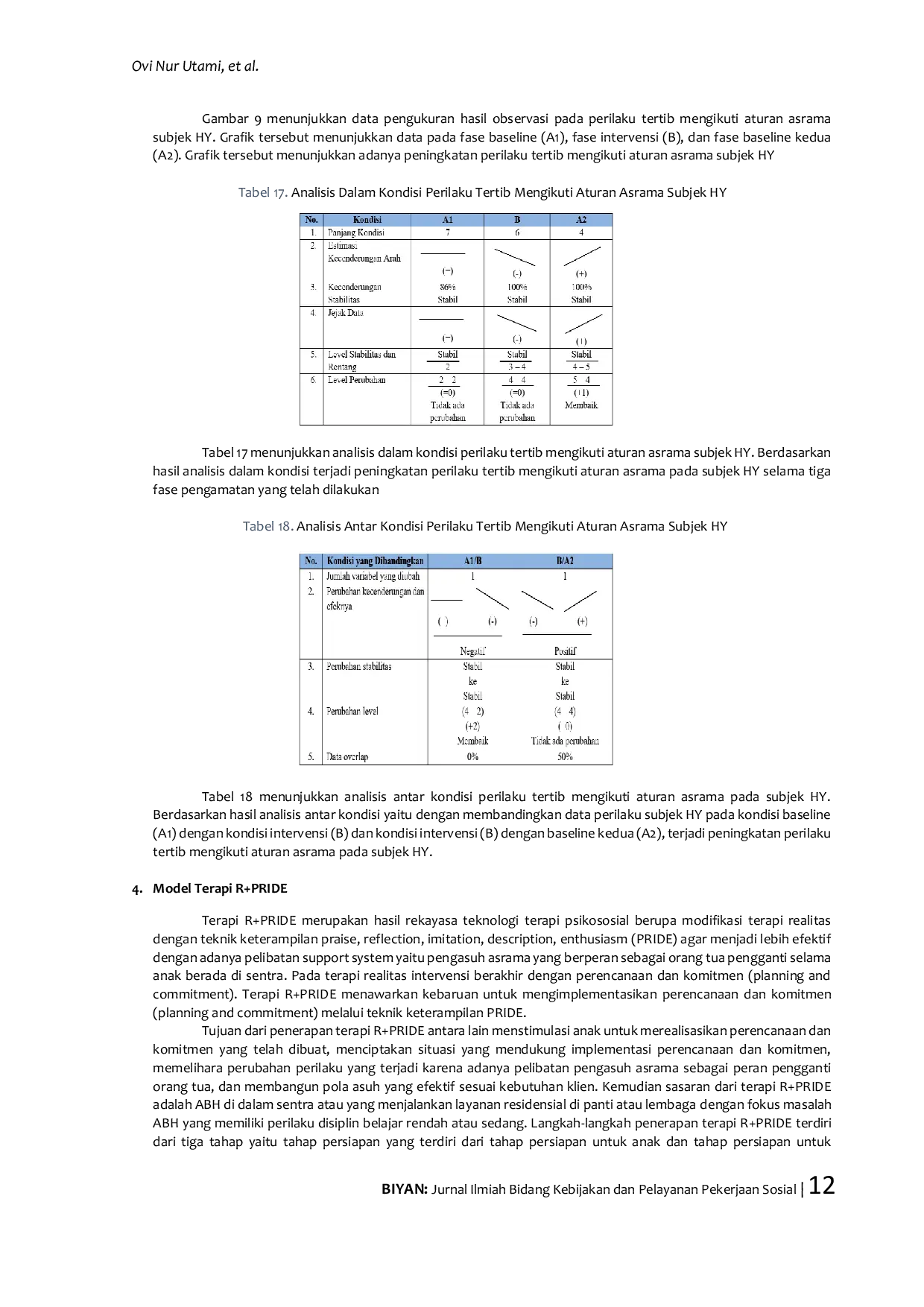
POLTEKES OSPOLTEKES OS Keberhasilan dari implementasi terapi juga didukung dengan hasil analisis dalam kondisi dan antar kondisi yang dilakukan. Secara umum jejak data pada faseKeberhasilan dari implementasi terapi juga didukung dengan hasil analisis dalam kondisi dan antar kondisi yang dilakukan. Secara umum jejak data pada fase

UNIDAYANUNIDAYAN Penelitian ini menggunakan pendekatan kualitatif dengan metode rekayasa perangkat lunak. Hasil dari penelitian ini adalah sebuah aplikasi sistem informasiPenelitian ini menggunakan pendekatan kualitatif dengan metode rekayasa perangkat lunak. Hasil dari penelitian ini adalah sebuah aplikasi sistem informasi
Useful /

IAINGAWIIAINGAWI Fokus penelitian ini adalah menggali metode-metode bimbingan konseling Islam yang terdapat dalam surat an-Nahl ayat 125. Metode yang digunakan dalam penelitianFokus penelitian ini adalah menggali metode-metode bimbingan konseling Islam yang terdapat dalam surat an-Nahl ayat 125. Metode yang digunakan dalam penelitian

STPMATARAMSTPMATARAM Penelitian ini juga akan mendiskusikan kemungkinan yang bisa dijadikan sebagai referensi pendukung upaya adaptif yang dimaksudkan. Penelitian ini menyimpulkanPenelitian ini juga akan mendiskusikan kemungkinan yang bisa dijadikan sebagai referensi pendukung upaya adaptif yang dimaksudkan. Penelitian ini menyimpulkan
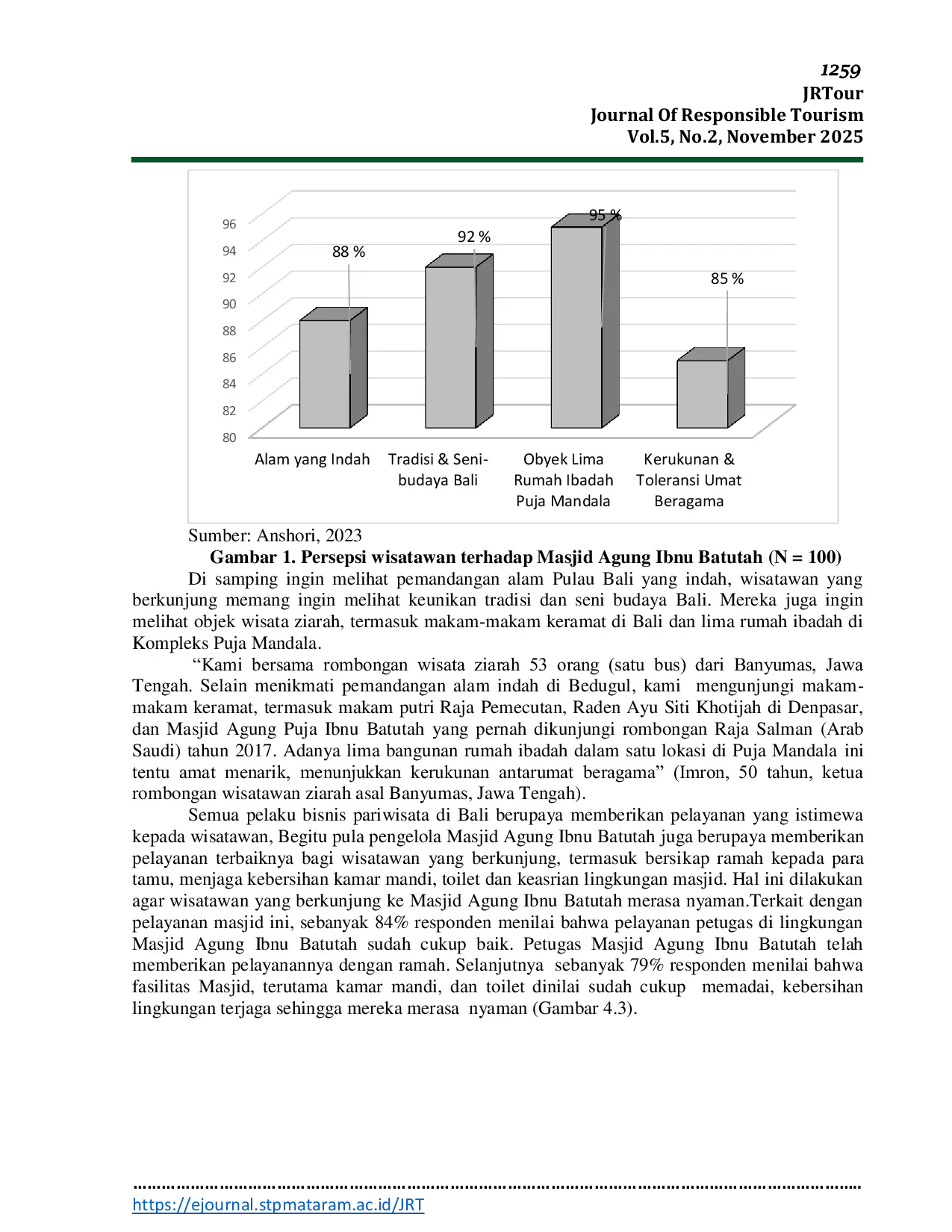
STPMATARAMSTPMATARAM Sejak diresmikan pada tahun 2004, kompleks ini menjadi ikon wisata religi yang melengkapi citra Bali sebagai destinasi wisata alam dan budaya, sekaligusSejak diresmikan pada tahun 2004, kompleks ini menjadi ikon wisata religi yang melengkapi citra Bali sebagai destinasi wisata alam dan budaya, sekaligus

UACUAC Hasil studi yang dilakukan di UIN Walisongo Semarang, Indonesia, dan Universiti Teknologi Malaysia menunjukkan adanya perbedaan struktur dan pengelolaanHasil studi yang dilakukan di UIN Walisongo Semarang, Indonesia, dan Universiti Teknologi Malaysia menunjukkan adanya perbedaan struktur dan pengelolaan