APTISIAPTISI
Aptisi Transactions on Technopreneurship (ATT)Aptisi Transactions on Technopreneurship (ATT)Polycystic Ovary Syndrome (PCOS) is a widespread condition in women that is associated with hormonal disorders, absentee or infrequent menstruation, and cyst formation on ovaries. The diagnostic process of PCOS is still difficult because of ambiguity in ultrasound images. Earlier approaches emphasize the detection and classification of follicles for ultrasound images and disregard interpretability, which obscures understanding the models decisions and trustworthiness in critical medical applications. This research proposes a method of diagnosing PCOS in two stages. Initially, follicles are located with a YOLOv8 model that has multiscale feature dose attention. Follicles are subsequently classified with a ResNet50 model that has SE blocks. The last step is for Grad-CAM to show which features of the image were used by the classification model in order to explain its decision and provide meaningful insights regarding the models predictions. Evaluation was performed on two publicly available datasets. The proposed method outperforms all other methods in follicle detection with 92% mean average precision (mAP) and classification accuracies of 98.25% and 94.56% on datasets 1 and 2, respectively. This result makes the proposed model a reliable and transparent technique for robust clinical applications. By providing a scalable, deployable, and interpretable diagnostic pipeline that can be integrated into AI-based health-tech platforms, the suggested method also fits with the objectives of technopreneurship incubator models.
Berbagai penelitian telah dilakukan untuk mendiagnosis PCOS atau mendeteksi dan mengklasifikasikannya secara bersamaan dari gambar ultrasound, namun belum ada yang mempertimbangkan interpretasi model deep learning.Interpretasi sangat dihargai di bidang medis, karena memungkinkan seseorang untuk memahami mengapa prediksi dibuat atau mengapa model mencapai tingkat akurasi tertentu.Dengan menyediakan alur diagnostik yang terukur, dapat diterapkan, dan dapat diinterpretasikan yang dapat diintegrasikan ke dalam platform kesehatan berbasis AI, metode yang disarankan juga sesuai dengan tujuan model inkubator kewirausahaan teknologi.Integrasi deteksi dan klasifikasi meningkatkan akurasi diagnostik, dan penambahan interpretasi memungkinkan para praktisi untuk memahami dasar pemikiran di balik keputusan model, sehingga meningkatkan kepercayaan dan efisiensi klinis.
Berdasarkan penelitian ini, beberapa saran penelitian lanjutan dapat diajukan untuk meningkatkan akurasi dan kegunaan model dalam diagnosis PCOS. Pertama, perlu dilakukan penelitian lebih lanjut untuk mengintegrasikan data klinis pasien, seperti riwayat kesehatan dan hasil laboratorium, ke dalam model deep learning. Hal ini dapat membantu model untuk membuat diagnosis yang lebih akurat dan personal. Kedua, penelitian dapat difokuskan pada pengembangan metode interpretasi yang lebih canggih, seperti visualisasi perhatian (attention visualization) atau penjelasan berbasis aturan (rule-based explanations), untuk memberikan pemahaman yang lebih mendalam tentang proses pengambilan keputusan model. Ketiga, perlu dilakukan validasi eksternal model pada dataset yang lebih besar dan beragam dari berbagai populasi dan pusat medis untuk memastikan generalisasi dan keandalan model dalam berbagai kondisi klinis.
- Deep Learning Technique for Interpretable Diagnosis of Polycystic Ovary Syndrome in Ultrasound Imaging... att.aptisi.or.id/index.php/att/article/view/768Deep Learning Technique for Interpretable Diagnosis of Polycystic Ovary Syndrome in Ultrasound Imaging att aptisi index php att article view 768
- One moment, please.... moment please wait request verified doi.org/10.34306/attOne moment please moment please wait request verified doi 10 34306 att
| File size | 29.9 MB |
| Pages | 14 |
| DMCA | Report |
Related /

UNAIRUNAIR Dengan menghubungkan deep learning dengan ilmu perikanan, penelitian ini meletakkan dasar untuk pemantauan ekosistem yang lebih baik, pengelolaan perikananDengan menghubungkan deep learning dengan ilmu perikanan, penelitian ini meletakkan dasar untuk pemantauan ekosistem yang lebih baik, pengelolaan perikanan
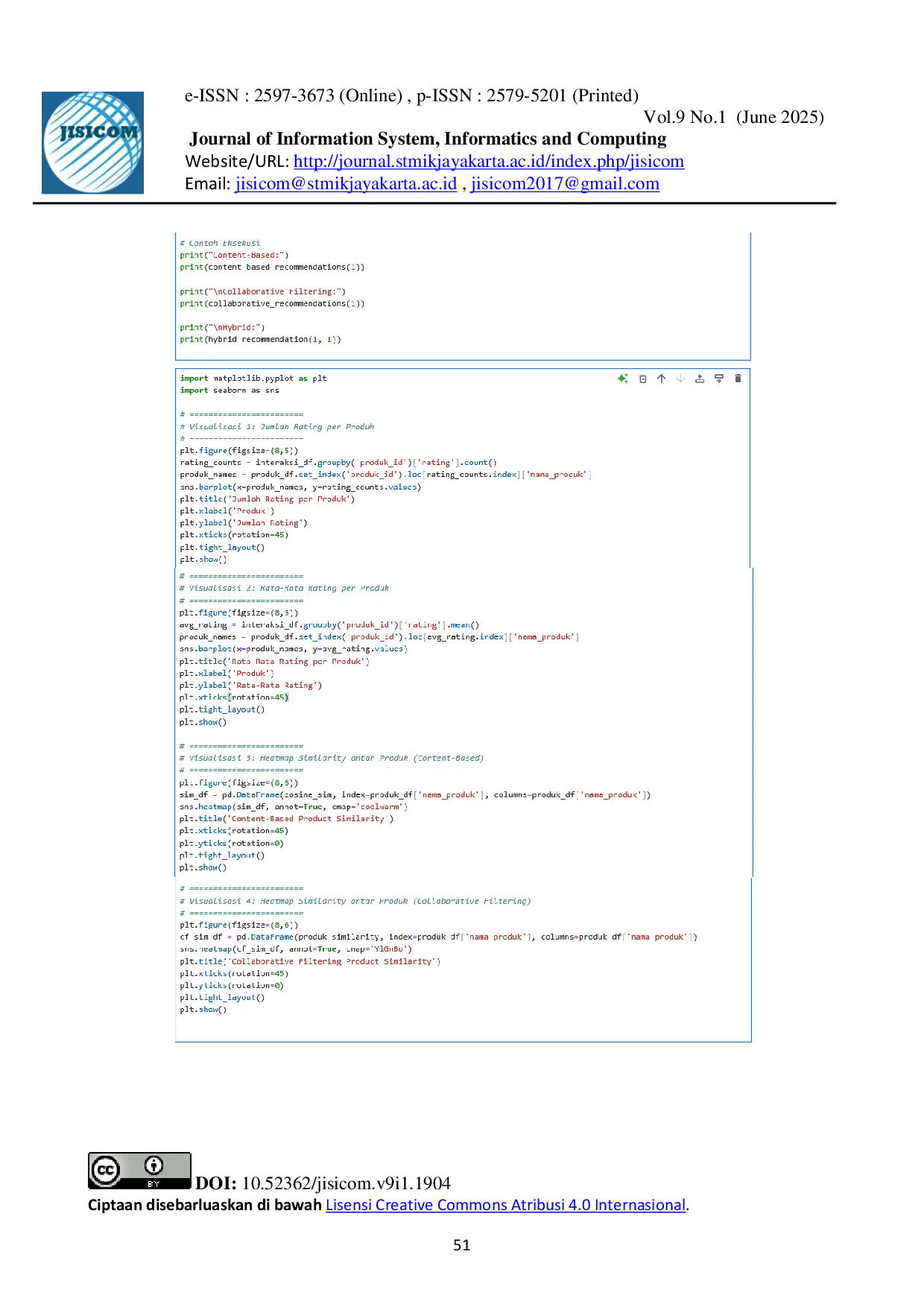
STMIKJAYAKARTASTMIKJAYAKARTA Penelitian ini mengembangkan sistem rekomendasi hibrida dengan menggabungkan kedua pendekatan tersebut untuk mengatasi keterbatasan masing-masing. CollaborativePenelitian ini mengembangkan sistem rekomendasi hibrida dengan menggabungkan kedua pendekatan tersebut untuk mengatasi keterbatasan masing-masing. Collaborative
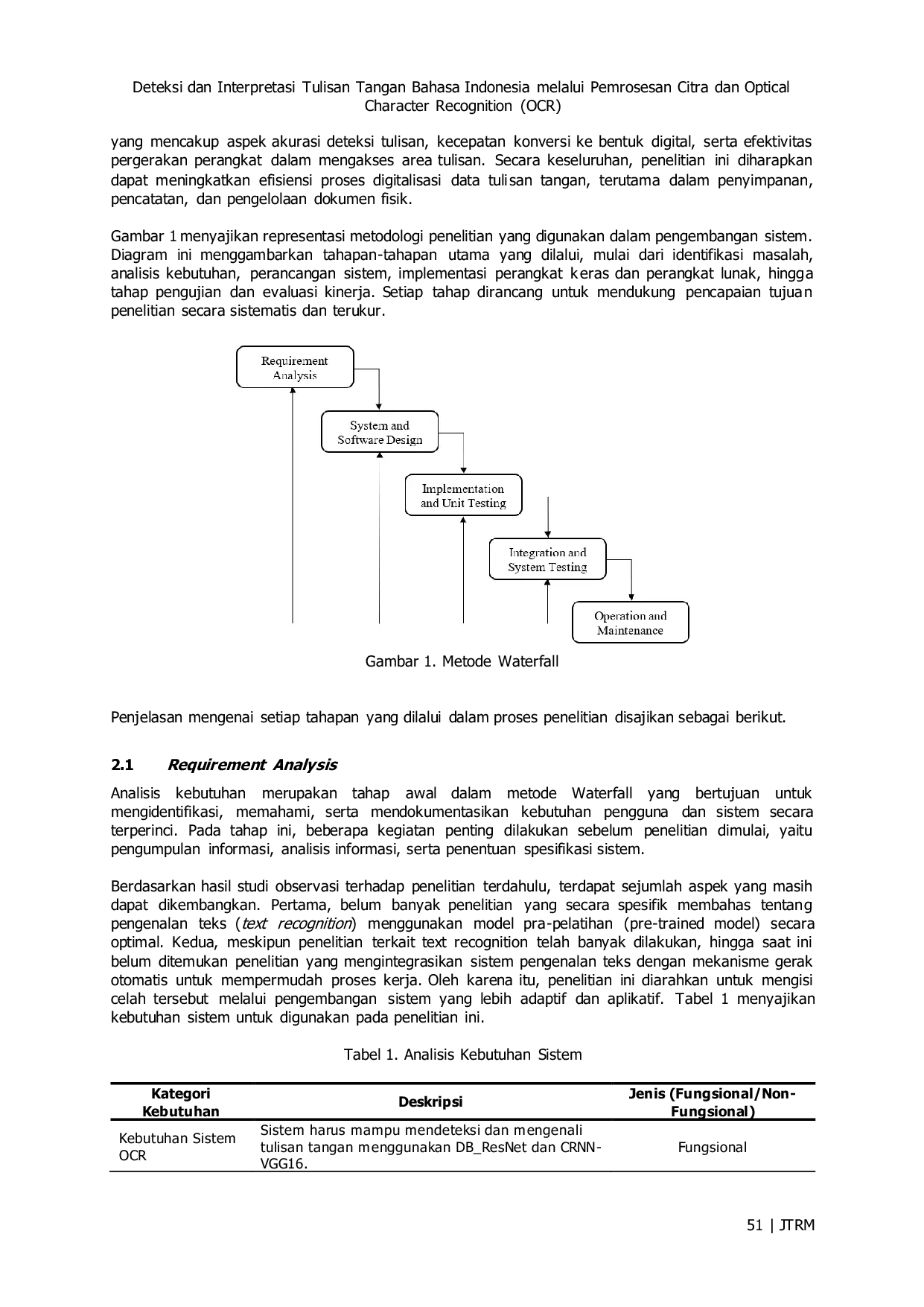
POLMAN BANDUNGPOLMAN BANDUNG Performa sistem dipengaruhi oleh kualitas tulisan tangan dan kondisi citra hasil tangkapan. Diperlukan pengembangan lebih lanjut seperti peningkatan algoritmaPerforma sistem dipengaruhi oleh kualitas tulisan tangan dan kondisi citra hasil tangkapan. Diperlukan pengembangan lebih lanjut seperti peningkatan algoritma
MEDIAPUBLIKASIMEDIAPUBLIKASI Hasil evaluasi menunjukkan bahwa siswa yang menggunakan sistem ini mengalami peningkatan nilai akhir dan tingkat penyelesaian materi secara signifikan.Hasil evaluasi menunjukkan bahwa siswa yang menggunakan sistem ini mengalami peningkatan nilai akhir dan tingkat penyelesaian materi secara signifikan.

UBHINUSUBHINUS Hasil evaluasi model CNN mendapatkan nilai akurasi sebesar 97.17% dalam mendeteksi gambar sel darah. Hasil tersebut menunjukkan bahwa model CNN yang dibentukHasil evaluasi model CNN mendapatkan nilai akurasi sebesar 97.17% dalam mendeteksi gambar sel darah. Hasil tersebut menunjukkan bahwa model CNN yang dibentuk

UMSUMS Hasil remote sensing menunjukkan penurunan tajam tutupan gletser dari 2. 105 km² menjadi 1. 334 km², yang digantikan oleh peningkatan tutupan pohon,Hasil remote sensing menunjukkan penurunan tajam tutupan gletser dari 2. 105 km² menjadi 1. 334 km², yang digantikan oleh peningkatan tutupan pohon,

STMIKJAYAKARTASTMIKJAYAKARTA Selain strategi pemasaran yang handal, sebuah bisnis juga membutuhkan pelayanan prima sehingga dapat membuat konsumen nyaman dan senang. Setiap perusahaanSelain strategi pemasaran yang handal, sebuah bisnis juga membutuhkan pelayanan prima sehingga dapat membuat konsumen nyaman dan senang. Setiap perusahaan
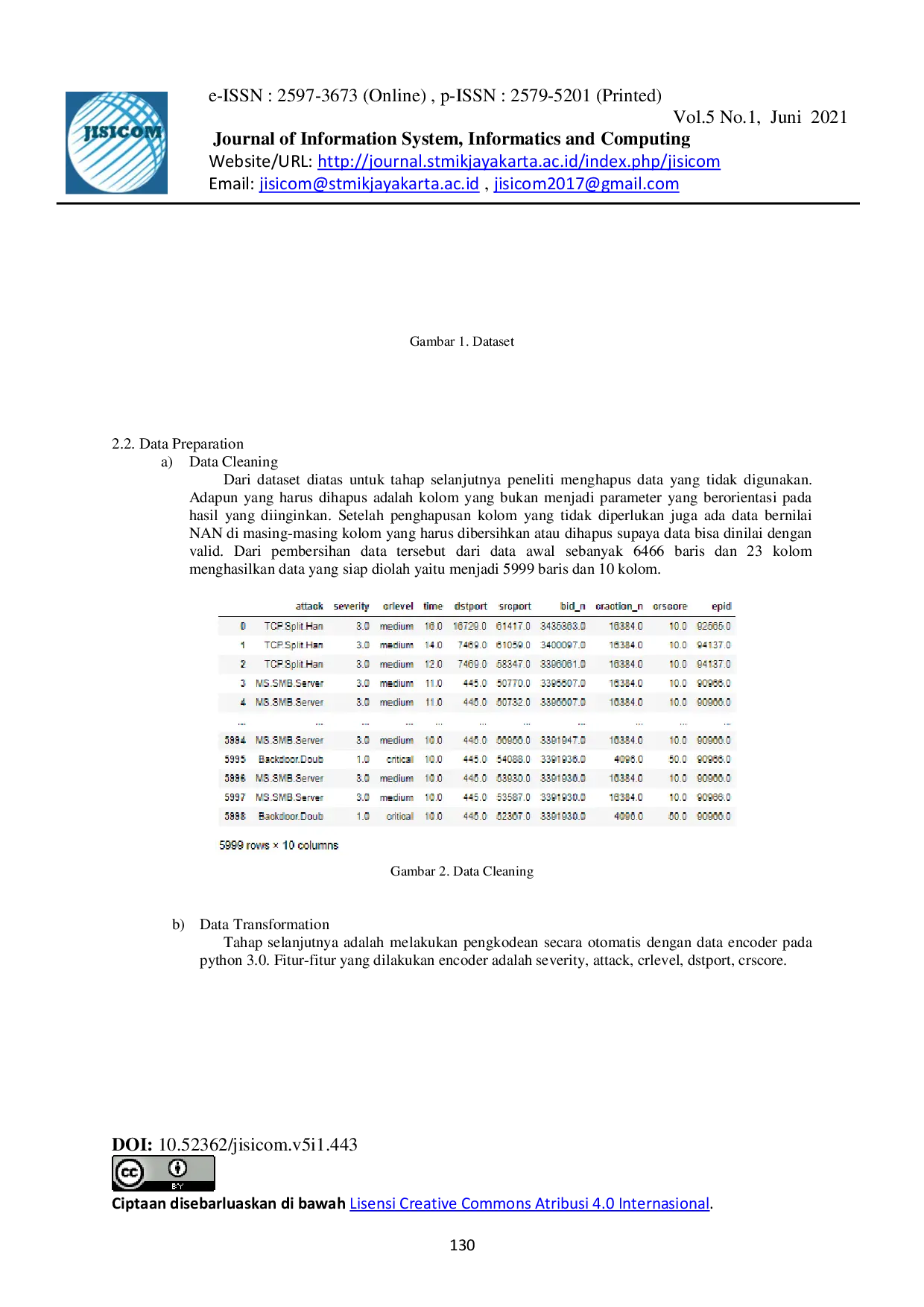
STMIKJAYAKARTASTMIKJAYAKARTA Pengelompokan tingkat keparahan pada sistem keamanan jaringan komputer biasa disebut severity. Pada penelitian ini pembatasan tingkatan keparahan seranganPengelompokan tingkat keparahan pada sistem keamanan jaringan komputer biasa disebut severity. Pada penelitian ini pembatasan tingkatan keparahan serangan
Useful /

UMBPUMBP Rough Set unggul dalam penyederhanaan atribut dan eksplorasi rule secara logis, sedangkan Apriori efektif dalam mengungkap asosiasi antar gejala denganRough Set unggul dalam penyederhanaan atribut dan eksplorasi rule secara logis, sedangkan Apriori efektif dalam mengungkap asosiasi antar gejala dengan
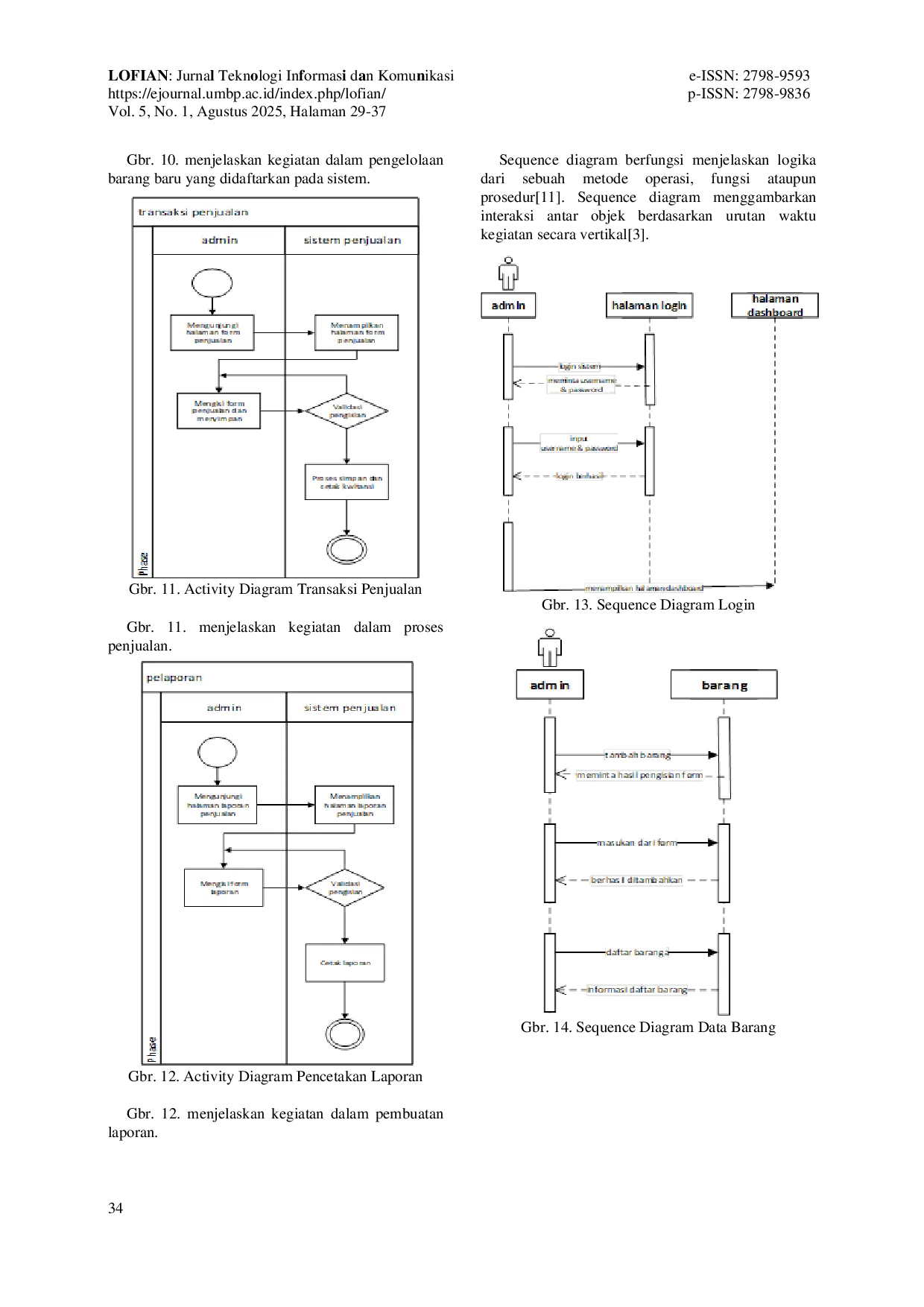
UMBPUMBP Penilaian dengan 10 indikator memberikan skor 82,5%, menunjukkan bahwa sistem sangat layak digunakan untuk membantu pengelolaan barang, kontrol stok, prosesPenilaian dengan 10 indikator memberikan skor 82,5%, menunjukkan bahwa sistem sangat layak digunakan untuk membantu pengelolaan barang, kontrol stok, proses

STMIKJAYAKARTASTMIKJAYAKARTA Tujuan yang ingin dicapai dari pembangunan sistem e-commerce ini adalah mempermudah pembeli untuk melakukan pemesanan barang tanpa harus datang langsungTujuan yang ingin dicapai dari pembangunan sistem e-commerce ini adalah mempermudah pembeli untuk melakukan pemesanan barang tanpa harus datang langsung

STMIKJAYAKARTASTMIKJAYAKARTA Hasilnya terbentuk model EDMS untuk SPMI, sistem manajemen pengguna dan rancangan sistem berupa fitur-fitur yang akan diterapkan pada sistem dokumentasiHasilnya terbentuk model EDMS untuk SPMI, sistem manajemen pengguna dan rancangan sistem berupa fitur-fitur yang akan diterapkan pada sistem dokumentasi