STIKESBUDILUHURCIMAHISTIKESBUDILUHURCIMAHI
JKBLJKBLWhite blood cell (WBC) classification plays a crucial role in hematological diagnosis and is typically performed manually using microscopic images. However, manual analysis is limited by subjectivity and time inefficiency. With recent technological advances, artificial intelligence (AI) offers promising solutions for automated WBC classification that enhance accuracy and efficiency. This study presents a scoping review of 20 scientific publications discussing AI applications in microscopic image-based WBC classification. Literature searches were conducted in PubMed, ScienceDirect, Institute of Electrical and Electronics Engineers (IEEE) Xplore, and Google Scholar using relevant keywords such as “AI, “white blood cell, and “microscopic image. Findings indicate that the most commonly used method is Convolutional Neural Network (CNN), either standalone or hybrid (e.g., YOLOv5, ResNet, Vision Transformer), achieving accuracies up to 99.7%. The datasets were mostly public Blood Cell Count and Detection (BCCD), Leucocyte Images for Segmentation and Classification (LISC), Raabin-WBC or local laboratory sources. The reviewed studies aimed at automatic WBC detection, classification, and morphological identification. Despite encouraging outcomes, challenges such as external validation and limited access to real clinical data remain. Overall, AI has proven effective in enhancing speed, accuracy, and objectivity in WBC classification. Further research is needed to support AI integration into real-world clinical laboratory practice.
This scoping review demonstrates the effectiveness of deep learning models, particularly CNNs, in enhancing the accuracy and efficiency of white blood cell classification using microscopic images.While AI shows promise in improving objectivity and reproducibility in hematological diagnostics, challenges related to external validation and the limited availability of diverse clinical data remain.Ultimately, the successful integration of AI into clinical practice requires strategic efforts focused on generalizability, interpretability, and adherence to regulatory standards.
Future research should prioritize the creation and standardization of larger, more diverse datasets of microscopic blood cell images, encompassing various populations to improve the generalizability of AI models. Furthermore, rigorous external validation studies are crucial to assess the performance of these models across different laboratory settings and patient demographics, ensuring their reliability in real-world clinical applications. Finally, developing user-friendly interfaces and comprehensive training programs for healthcare professionals will be essential to facilitate the seamless integration of AI-powered tools into routine hematological workflows, ultimately enhancing diagnostic accuracy and efficiency while minimizing the potential for misinterpretation and maximizing clinical impact. These advancements will pave the way for more objective, efficient, and accessible hematological diagnostics, benefiting both clinicians and patients.
| File size | 196.88 KB |
| Pages | 8 |
| DMCA | Report |
Related /
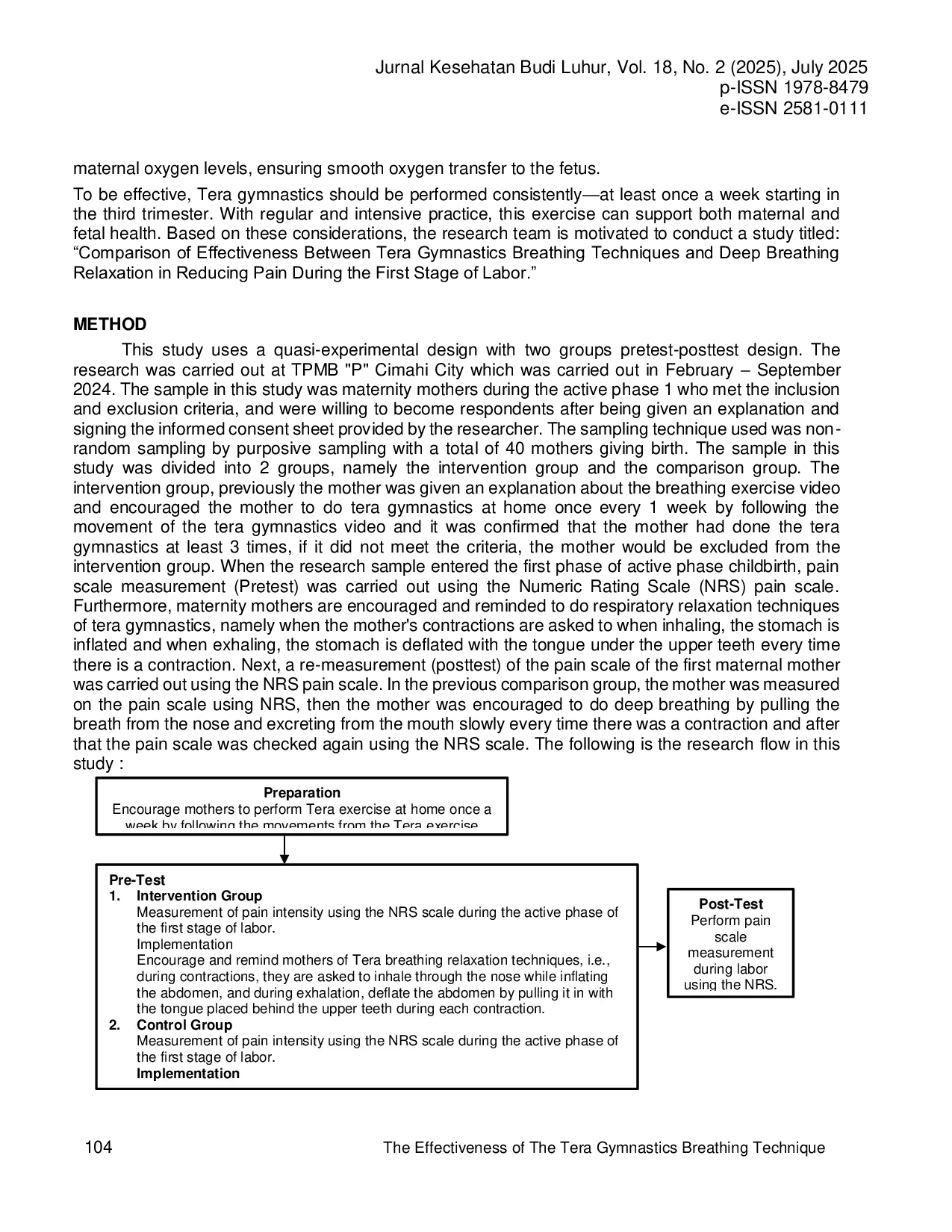
STIKESBUDILUHURCIMAHISTIKESBUDILUHURCIMAHI The purpose of this study was to determine the comparison of the effectiveness of deep breathing and tera gymnastics breathing techniques on pain reductionThe purpose of this study was to determine the comparison of the effectiveness of deep breathing and tera gymnastics breathing techniques on pain reduction

AIBPMAIBPM Namun, kelemahan utamanya meliputi keterbatasan akses terhadap modal, teknologi, dan kapasitas kelembagaan. Oleh karena itu, strategi prioritas harus difokuskanNamun, kelemahan utamanya meliputi keterbatasan akses terhadap modal, teknologi, dan kapasitas kelembagaan. Oleh karena itu, strategi prioritas harus difokuskan

HTPHTP Jenis penelitian ini adalah jenis penelitian deskriptif analitik dengan rancangan cross-sectional. Sampel penelitian sebanyak 44 responden yang diperolehJenis penelitian ini adalah jenis penelitian deskriptif analitik dengan rancangan cross-sectional. Sampel penelitian sebanyak 44 responden yang diperoleh
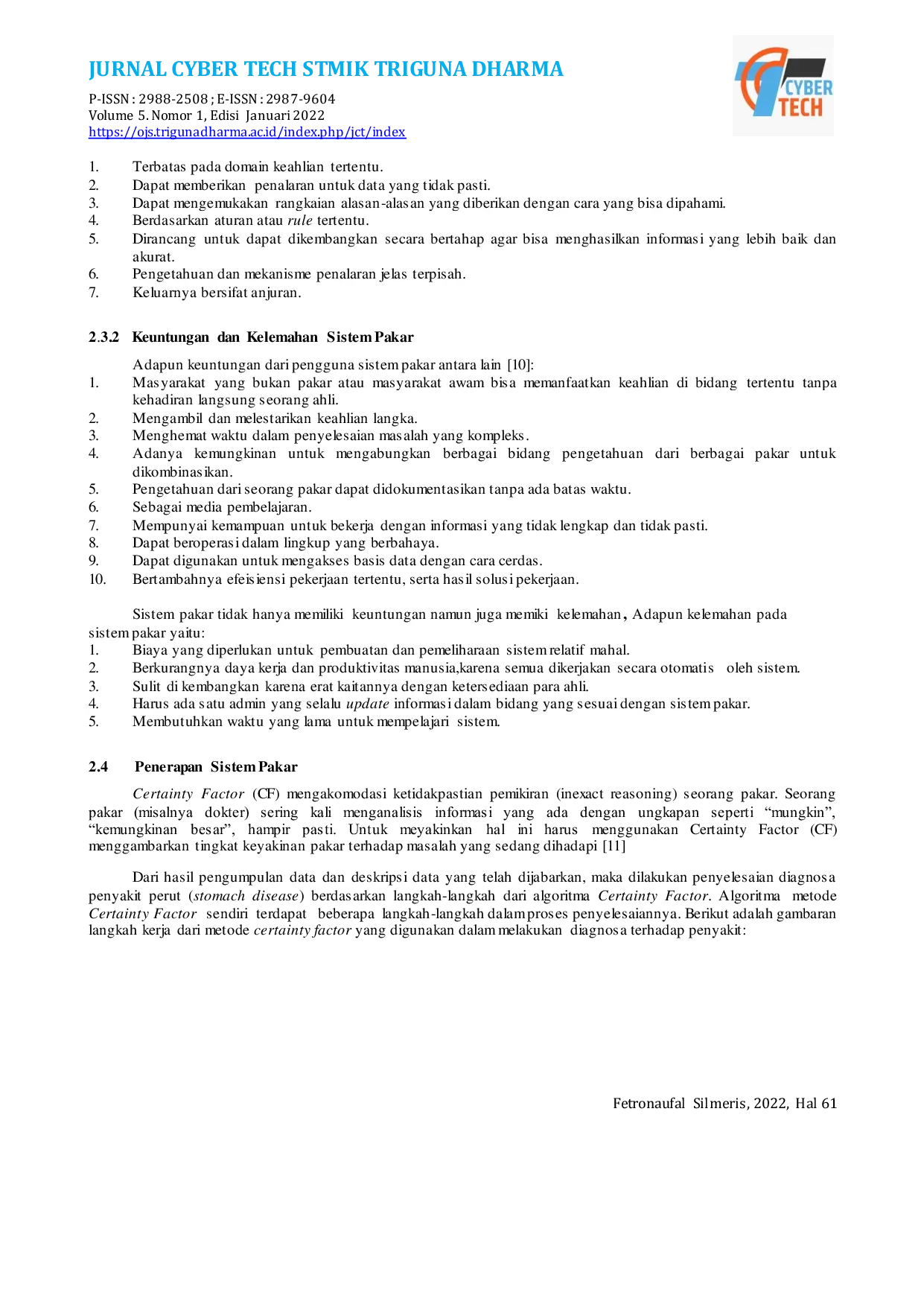
TRI GUNA DHARMATRI GUNA DHARMA Penyakit perut juga bisa disebabkan oleh kuman dan bakteri yang masuk kedalam tubuh melalui makanan atau minuman yang telah terkontaminasi. Gejala utamaPenyakit perut juga bisa disebabkan oleh kuman dan bakteri yang masuk kedalam tubuh melalui makanan atau minuman yang telah terkontaminasi. Gejala utama

POLTEKKES MKSPOLTEKKES MKS Analisis statistik yang digunakan dalam penelitian ini adalah Uji Wilcoxon. Berdasarkan hasil uji statistic dengan menggunakan Uji Wilcoxon diperoleh hasilAnalisis statistik yang digunakan dalam penelitian ini adalah Uji Wilcoxon. Berdasarkan hasil uji statistic dengan menggunakan Uji Wilcoxon diperoleh hasil

POLTEKKES MKSPOLTEKKES MKS Penelitian dilakukan dengan desain cross sectional menggunakan sampel sebanyak 13 balita. Hasil penelitian menunjukkan bahwa hanya ada satu faktor risikoPenelitian dilakukan dengan desain cross sectional menggunakan sampel sebanyak 13 balita. Hasil penelitian menunjukkan bahwa hanya ada satu faktor risiko
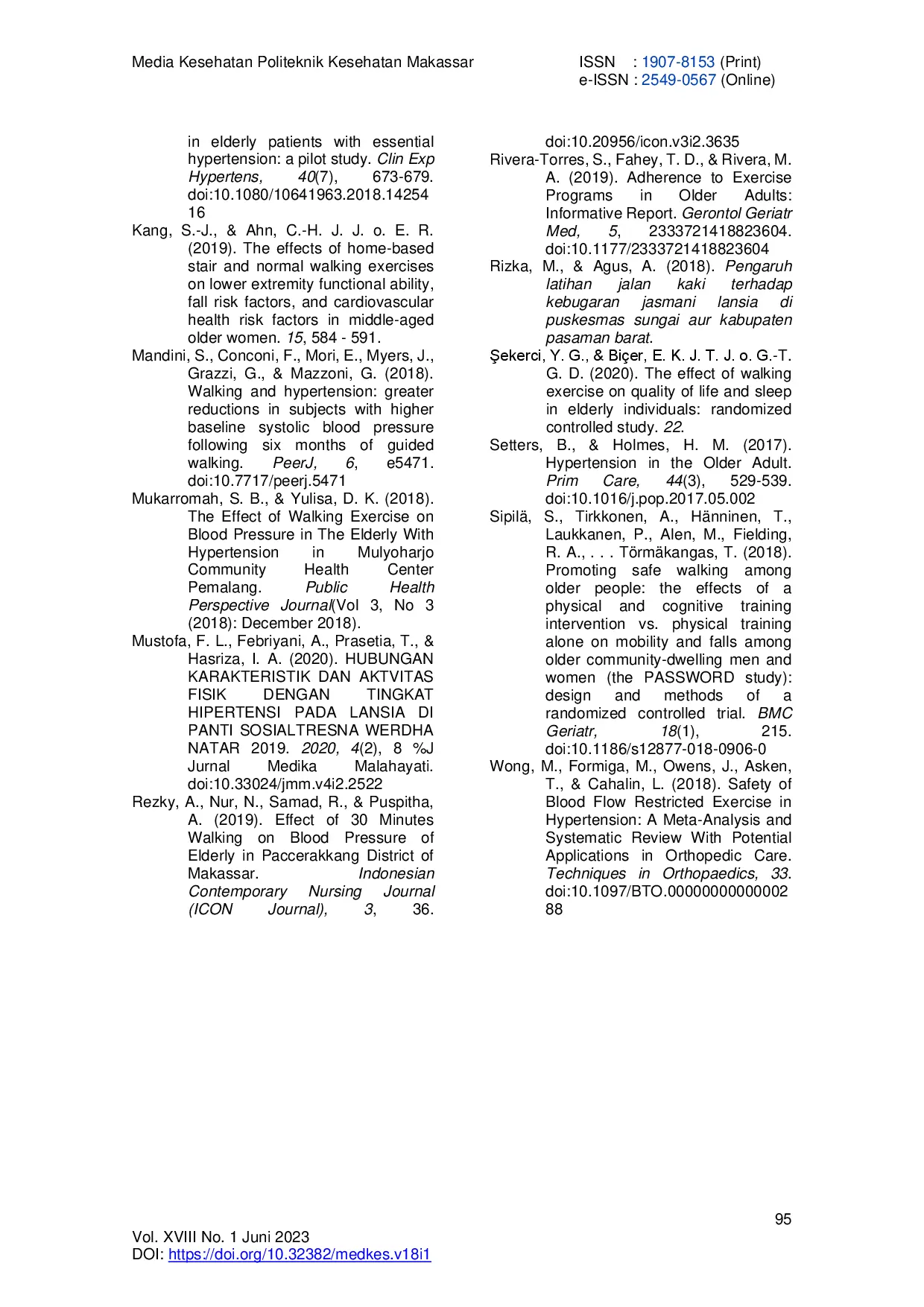
POLTEKKES MKSPOLTEKKES MKS Artikel yang digunakan dalam literature review ini didapatkan melalui database penyedia jurnal online Google Scholar, Pubmed dan Science Direct denganArtikel yang digunakan dalam literature review ini didapatkan melalui database penyedia jurnal online Google Scholar, Pubmed dan Science Direct dengan

POLTEKKES MATARAMPOLTEKKES MATARAM Masalah kesehatan umum di negara berkembang adalah gizi buruk pada wanita hamil. Upaya yang dapat dilakukan adalah meningkatkan status gizi wanita hamilMasalah kesehatan umum di negara berkembang adalah gizi buruk pada wanita hamil. Upaya yang dapat dilakukan adalah meningkatkan status gizi wanita hamil
Useful /

AIBPMAIBPM Institusi pendidikan semakin menghadapi tekanan untuk meningkatkan kinerja organisasi di tengah perubahan harapan pemangku kepentingan dan digitalisasiInstitusi pendidikan semakin menghadapi tekanan untuk meningkatkan kinerja organisasi di tengah perubahan harapan pemangku kepentingan dan digitalisasi

AIBPMAIBPM Temuan ini mengkonfirmasi bahwa kepuasan pelanggan sepenuhnya memediasi hubungan kualitas layanan–loyalitas dan sebagian memediasi hubungan persepsiTemuan ini mengkonfirmasi bahwa kepuasan pelanggan sepenuhnya memediasi hubungan kualitas layanan–loyalitas dan sebagian memediasi hubungan persepsi
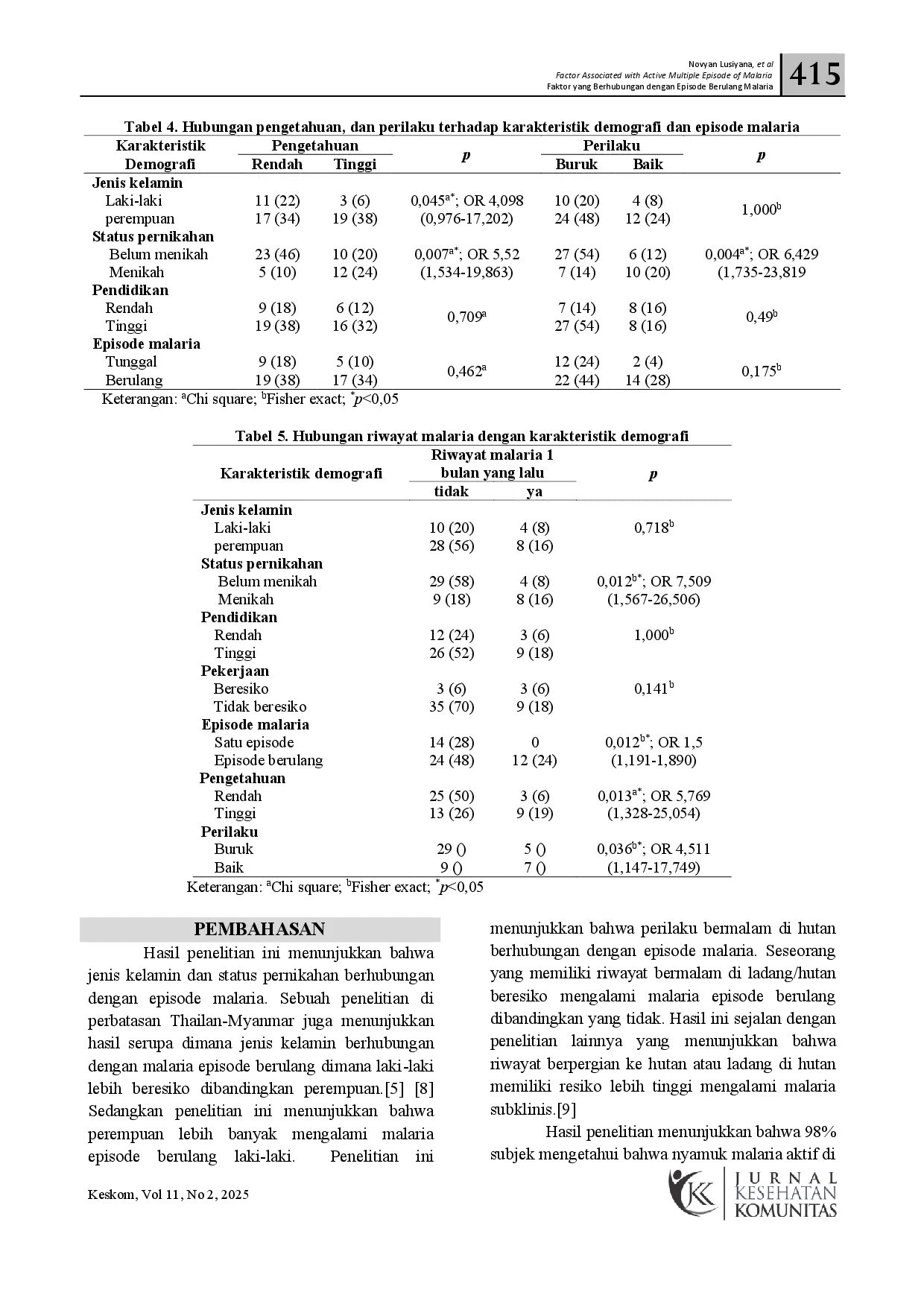
HTPHTP Metode: Penelitian ini merupakan penelitian observasional dengan desain cross sectional. Penelitian ini dilaksanakan di Desa Naena Muktipur Timika Papua.Metode: Penelitian ini merupakan penelitian observasional dengan desain cross sectional. Penelitian ini dilaksanakan di Desa Naena Muktipur Timika Papua.

CERICCERIC Alasan lansia di panti digambarkan dengan tema keinginan personal dan kelemahan struktur kekuatan keluarga. Masalah yang dialami lansia digambarkan denganAlasan lansia di panti digambarkan dengan tema keinginan personal dan kelemahan struktur kekuatan keluarga. Masalah yang dialami lansia digambarkan dengan