TEUNULEHJOURNALTEUNULEHJOURNAL
Jurnal Ilmiah TeunulehJurnal Ilmiah TeunulehThis research analyzes Indonesias pilgrimage administration from the perspective of strategic economic diplomacy. Indonesia, the most populous Muslim-majority nation, holds a distinctive role in the global pilgrimage sphere, administering the highest yearly Hajj quota. The Hajj, though a religious duty, is administered in Indonesia in a manner that extends beyond spiritual aspects, intertwining with economic, political, and diplomatic considerations. This research employs a descriptive-qualitative methodology, utilizing Miles and Hubermans analysis, to investigate the evolution of pilgrimage services into a substantial economic sector that creates employment, invigorates regional economies, and promotes bilateral collaboration. The Hajj Financial Management Agency (BPKH) is pivotal in directing substantial religious donations into national development initiatives. Nonetheless, intersecting restrictions, operational inefficiencies, and ethical dilemmas expose systemic constraints. The results underscore how Hajj governance embodies Indonesias overarching diplomatic aspirations, especially in utilizing religio-cultural capital for foreign policy and economic strategy. This research enhances scholarship by reconceptualizing Hajj management as a tool of economic diplomacy rather than simply a logistical-religious duty. It emphasizes the necessity for open, ethical, and innovative governance to augment Indonesias soft power while guaranteeing equitable and spiritually enriching pilgrimage experiences.
Indonesias Hajj management transcends mere religious administration, functioning as a strategic tool for economic diplomacy.The organization of Hajj, bolstered by Indonesias position as the worlds largest Muslim-majority nation, integrates financial governance, legal frameworks, cultural expectations, and diplomatic engagement.Effective Hajj management enhances Indonesias reputation, fosters bilateral relations, and contributes to national development through strategic investment of pilgrimage funds and the growth of related economic sectors.
Further research should investigate the causal impacts of regulatory changes and BPKH investment decisions through quasi-experimental designs, incorporating administrative microdata. Additionally, multi-site assessments of pre-Hajj health interventions are needed to evaluate their effectiveness in improving pilgrim well-being and reducing health risks. Finally, studies should quantify the diplomatic returns – including trade, foreign direct investment, and soft power gains – associated with religious tourism initiatives, particularly in emerging African markets, to provide a comprehensive understanding of the economic and political benefits of Indonesias Hajj diplomacy. These investigations will build upon the current framework and provide actionable insights for optimizing Hajj management as a tool for national development and international cooperation, ensuring that Indonesia continues to leverage its unique position in the global Muslim community for economic and diplomatic advantage.
| File size | 449.72 KB |
| Pages | 17 |
| DMCA | Report |
Related /

KOMPETIFKOMPETIF In addition, the internal control system is proven to strengthen the relationship between human resources and the quality of financial reports. These findingsIn addition, the internal control system is proven to strengthen the relationship between human resources and the quality of financial reports. These findings

SERAMBISERAMBI Temuan menunjukkan bahwa pelaksanaan program K3 di sekolah belum optimal, terdapat kesenjangan signifikan dalam perencanaan, kepemimpinan, dan kepatuhan.Temuan menunjukkan bahwa pelaksanaan program K3 di sekolah belum optimal, terdapat kesenjangan signifikan dalam perencanaan, kepemimpinan, dan kepatuhan.

UNUJAUNUJA Aspek individual, khususnya komitmen organisasi dan kepuasan kerja, muncul sebagai faktor paling menonjol, yang menunjukkan pentingnya keterlibatan afektifAspek individual, khususnya komitmen organisasi dan kepuasan kerja, muncul sebagai faktor paling menonjol, yang menunjukkan pentingnya keterlibatan afektif

OJS INDONESIAOJS INDONESIA Also about the human factor. Of course, to achieve business results requires the provision of competitive and high-quality human resources. In conclusion,Also about the human factor. Of course, to achieve business results requires the provision of competitive and high-quality human resources. In conclusion,

OJS INDONESIAOJS INDONESIA Keberhasilan transformasi digital tidak tergantung pada teknologi itu sendiri, tetapi juga pada aspek psikologis karyawan. Teknologi canggih tidak akanKeberhasilan transformasi digital tidak tergantung pada teknologi itu sendiri, tetapi juga pada aspek psikologis karyawan. Teknologi canggih tidak akan
BIARJOURNALBIARJOURNAL Menggunakan desain survei kuantitatif, data dikumpulkan dari 100 profesional keamanan siber, pengusaha, dan investor untuk mengeksplorasi dinamika sektorMenggunakan desain survei kuantitatif, data dikumpulkan dari 100 profesional keamanan siber, pengusaha, dan investor untuk mengeksplorasi dinamika sektor

TEUNULEHJOURNALTEUNULEHJOURNAL To address these issues, adaptive and balanced educational strategies are essential, including parental control and the integration of Islamic values.To address these issues, adaptive and balanced educational strategies are essential, including parental control and the integration of Islamic values.
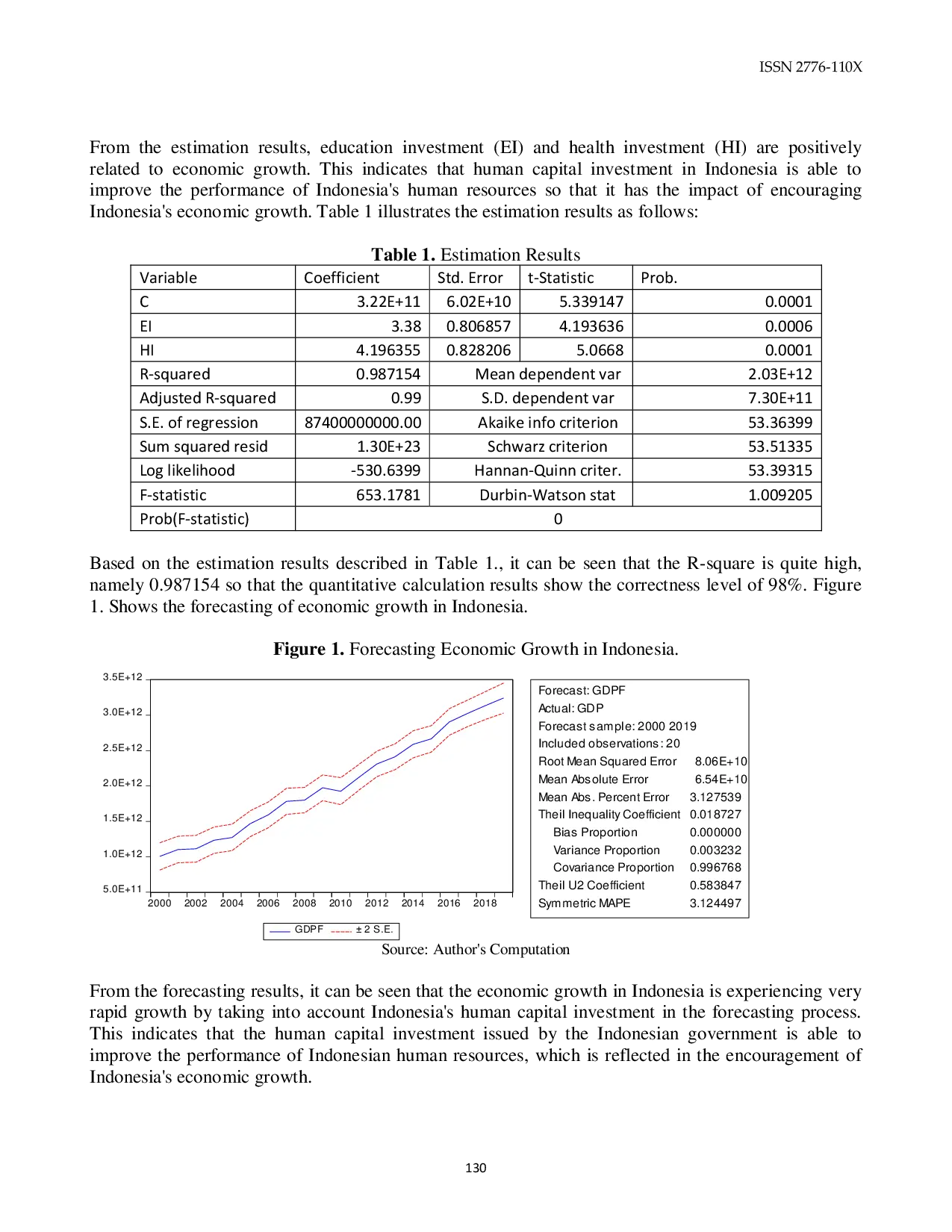
STIEKNSTIEKN This strategy aims to bolster Indonesias human capital, thereby improving the performance of its human resources. Ultimately, this is intended to achieveThis strategy aims to bolster Indonesias human capital, thereby improving the performance of its human resources. Ultimately, this is intended to achieve
Useful /

STAI YPBWISTAI YPBWI Subjek penelitian adalah seluruh anak yang ada di kelompok A dengan jumlah 25 anak. Data dikumpulkan melalui observasi, dokumentasi, dan tes. Studi iniSubjek penelitian adalah seluruh anak yang ada di kelompok A dengan jumlah 25 anak. Data dikumpulkan melalui observasi, dokumentasi, dan tes. Studi ini

STAI YPBWISTAI YPBWI Di RA Perwanida 11 Bangsalsari Jember, media animasi terbukti mampu meningkatkan minat belajar, memperkuat pemahaman konsep-konsep keislaman, serta mendorongDi RA Perwanida 11 Bangsalsari Jember, media animasi terbukti mampu meningkatkan minat belajar, memperkuat pemahaman konsep-konsep keislaman, serta mendorong

UNUJAUNUJA Penelitian ini memberikan implikasi: peningkatan pembelajaran berkualitas membutuhkan sinergi antara kepemimpinan sekolah dan pembelajaran komunitas; pembelajaranPenelitian ini memberikan implikasi: peningkatan pembelajaran berkualitas membutuhkan sinergi antara kepemimpinan sekolah dan pembelajaran komunitas; pembelajaran

UNUJAUNUJA Temuan ini berkontribusi pada pemahaman tentang bagaimana praktik kepemimpinan transformasional dapat diterapkan dalam konteks unik Pendidikan Agama Islam.Temuan ini berkontribusi pada pemahaman tentang bagaimana praktik kepemimpinan transformasional dapat diterapkan dalam konteks unik Pendidikan Agama Islam.