UMSIDAUMSIDA
Journal of Tropical Food and Agroindustrial TechnologyJournal of Tropical Food and Agroindustrial TechnologyThis study investigates the effect of slope angle and forward operating speed on the optimal performance of the harvesting process of a combine equipped with a decelerating pendulum device that mechanically and hydraulically changes the angle of inclination of the combine. Three harvesting slope angles (0-5°, 10-15° and 20-25°) and three forward speeds (3, 5 and 7 km/h) were tested using a New Holland TC54 harvester. The experiment was carried out using a randomised complete block design (RCBD) with (27) experimental units distributed in three replications. Several key performance indicators were measured including: Fuel consumption (litres/hour), operational efficiency (%), harvester stability and total grain loss as a percentage. The results showed that soils with steeper slopes significantly increased fuel consumption and grain loss, while reducing machine stability. The best performance was achieved at a slope angle of (10-15°) and a speed of (5) km/h, with a field capacity of (5.60) tons/hour, fuel consumption of 24.10 liters/hour, and the lowest grain loss of (2.3%). The effects of slope and speed were found to be statistically significant (P < 0.05), reflecting the importance of improved combinations in significantly enhancing operational efficiency, reducing harvest losses, and thus improving the overall performance of the agricultural system.
The findings of this study demonstrate that both slope angle and forward speed significantly influence the performance of combine harvesters equipped with pendulum-based stabilization systems.Steeper slopes resulted in higher fuel use and reduced machine stability, increasing grain loss.Moderate slope angles yielded optimal performance, with the highest effective field capacity and acceptable fuel consumption.Operating at 5 km/h offered the best balance between productivity and energy efficiency.The optimal configuration of a 10–15° slope at 5 km/h can significantly improve harvesting outcomes, minimizing grain loss and fuel use while enhancing operational capacity.
Penelitian lebih lanjut perlu dilakukan untuk mengeksplorasi pengaruh jangka panjang dari penggunaan sistem pendulum terhadap keausan mekanis mesin pemanen, serta efisiensi energi dan respons tanaman terhadap berbagai kondisi kemiringan dan kecepatan. Selain itu, pengembangan sistem kontrol adaptif berbasis sensor yang dapat secara otomatis menyesuaikan parameter operasi mesin pemanen berdasarkan kondisi medan secara *real-time* dapat meningkatkan efisiensi dan mengurangi kehilangan hasil panen. Terakhir, studi komparatif antara berbagai desain sistem pendulum dan dampaknya terhadap kinerja mesin pemanen pada berbagai jenis tanah dan iklim juga perlu dilakukan untuk mengidentifikasi solusi yang paling efektif dan berkelanjutan bagi petani.
| File size | 519.43 KB |
| Pages | 7 |
| DMCA | Report |
Related /

POLKESBANPOLKESBAN 000 per porsi. Substitusi tepung terigu dengan hati ayam, tepung kacang tunggak, dan tepung ubi jalar dapat meningkatkan nilai gizi mi kering dan berpotensi000 per porsi. Substitusi tepung terigu dengan hati ayam, tepung kacang tunggak, dan tepung ubi jalar dapat meningkatkan nilai gizi mi kering dan berpotensi
STIKESRSANWARMEDIKASTIKESRSANWARMEDIKA Mahasiswa perempuan lebih sering melakukan aktivitas fisik dan memiliki tingkat aktivitas harian yang lebih tinggi, yang berisi aktivitas non-exerciseMahasiswa perempuan lebih sering melakukan aktivitas fisik dan memiliki tingkat aktivitas harian yang lebih tinggi, yang berisi aktivitas non-exercise

UNUGHAUNUGHA Hasil analisis menunjukkan bahwa POKLAHSAR Jaso Danau mengalami berbagai tantangan, seperti ketergantungan pada produk ikan bilih goreng yang terbatas,Hasil analisis menunjukkan bahwa POKLAHSAR Jaso Danau mengalami berbagai tantangan, seperti ketergantungan pada produk ikan bilih goreng yang terbatas,

UMSIDAUMSIDA Capaian ini terwujud melalui kolaborasi antara KSU (Koperasi Serba Usaha) Buah Ketakasi dan sejumlah perusahaan besar. Pada tahun 2022, total panen KSUCapaian ini terwujud melalui kolaborasi antara KSU (Koperasi Serba Usaha) Buah Ketakasi dan sejumlah perusahaan besar. Pada tahun 2022, total panen KSU
SARI MUTIARASARI MUTIARA Memenuhi kebutuhan gizi masyarakat dan mendukung kemandirian pangan nasional adalah potensi yang belum dimanfaatkan dengan baik. Tujuan dari kegiatan penyuluhanMemenuhi kebutuhan gizi masyarakat dan mendukung kemandirian pangan nasional adalah potensi yang belum dimanfaatkan dengan baik. Tujuan dari kegiatan penyuluhan

UMSRAPPANGUMSRAPPANG Program ini diharapkan dapat meningkatkan keterampilan dan pemahaman masyarakat, serta mendorong kemandirian ekonomi berbasis potensi lokal. Program KemitraanProgram ini diharapkan dapat meningkatkan keterampilan dan pemahaman masyarakat, serta mendorong kemandirian ekonomi berbasis potensi lokal. Program Kemitraan

UNIK KEDIRIUNIK KEDIRI Pembekuan labu kuning dengan suhu -10°C dan -18°C merupakan faktor kedua. Hasil menunjukkan perlakuan perendaman labu kuning dalam larutan CaCl2 1% denganPembekuan labu kuning dengan suhu -10°C dan -18°C merupakan faktor kedua. Hasil menunjukkan perlakuan perendaman labu kuning dalam larutan CaCl2 1% dengan

STIKES ISFISTIKES ISFI Mikrokapsul yang diperoleh dengan variasi konsentrasi maltodekstrin berwarna merah muda khas buah buni dengan berat 2,7 g, 3,3 g, 2,3 g, diperoleh nilaiMikrokapsul yang diperoleh dengan variasi konsentrasi maltodekstrin berwarna merah muda khas buah buni dengan berat 2,7 g, 3,3 g, 2,3 g, diperoleh nilai
Useful /
UNIK KEDIRIUNIK KEDIRI Beberapa dampak pupuk kimia ialah mulai dari ekosistem yang menjadi tidak seimbang. Harga pupuk kimia yang semakin hari semakin mahal di tengah kebutuhanBeberapa dampak pupuk kimia ialah mulai dari ekosistem yang menjadi tidak seimbang. Harga pupuk kimia yang semakin hari semakin mahal di tengah kebutuhan
UNIK KEDIRIUNIK KEDIRI Petani merupakan profesi yang kerap kesulitan mendapatkan bantuan modal. Kabupaten Bandung yang mempunyai luas lahan tanaman padi dapat ditingkatkan produktivitasnyaPetani merupakan profesi yang kerap kesulitan mendapatkan bantuan modal. Kabupaten Bandung yang mempunyai luas lahan tanaman padi dapat ditingkatkan produktivitasnya
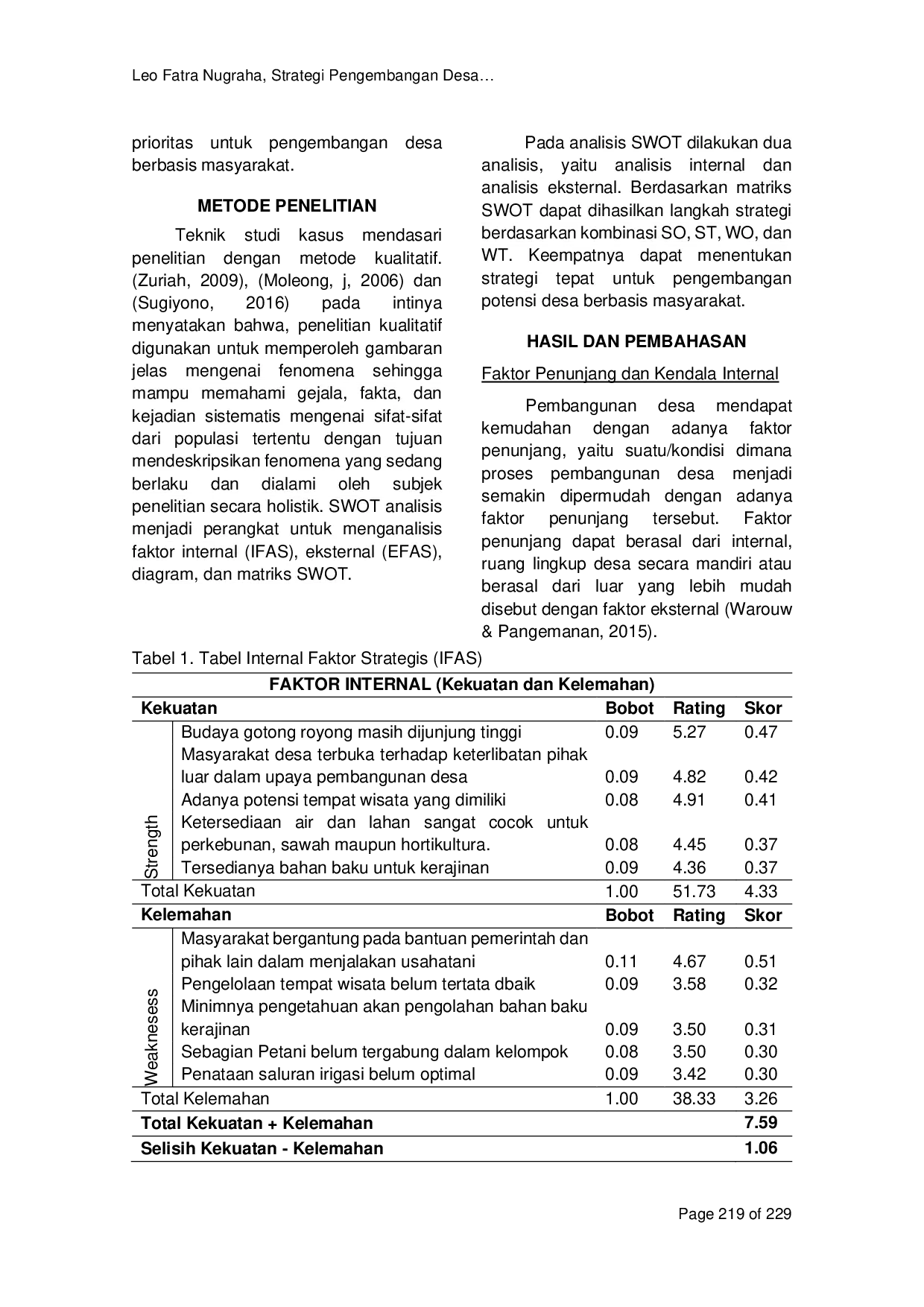
UNIK KEDIRIUNIK KEDIRI Pengembangan desa berbasis masyarakat dipengaruhi oleh lima faktor strategis. budaya gotong royong, ketergantungan pada bantuan pemerintah, investasi swasta,Pengembangan desa berbasis masyarakat dipengaruhi oleh lima faktor strategis. budaya gotong royong, ketergantungan pada bantuan pemerintah, investasi swasta,
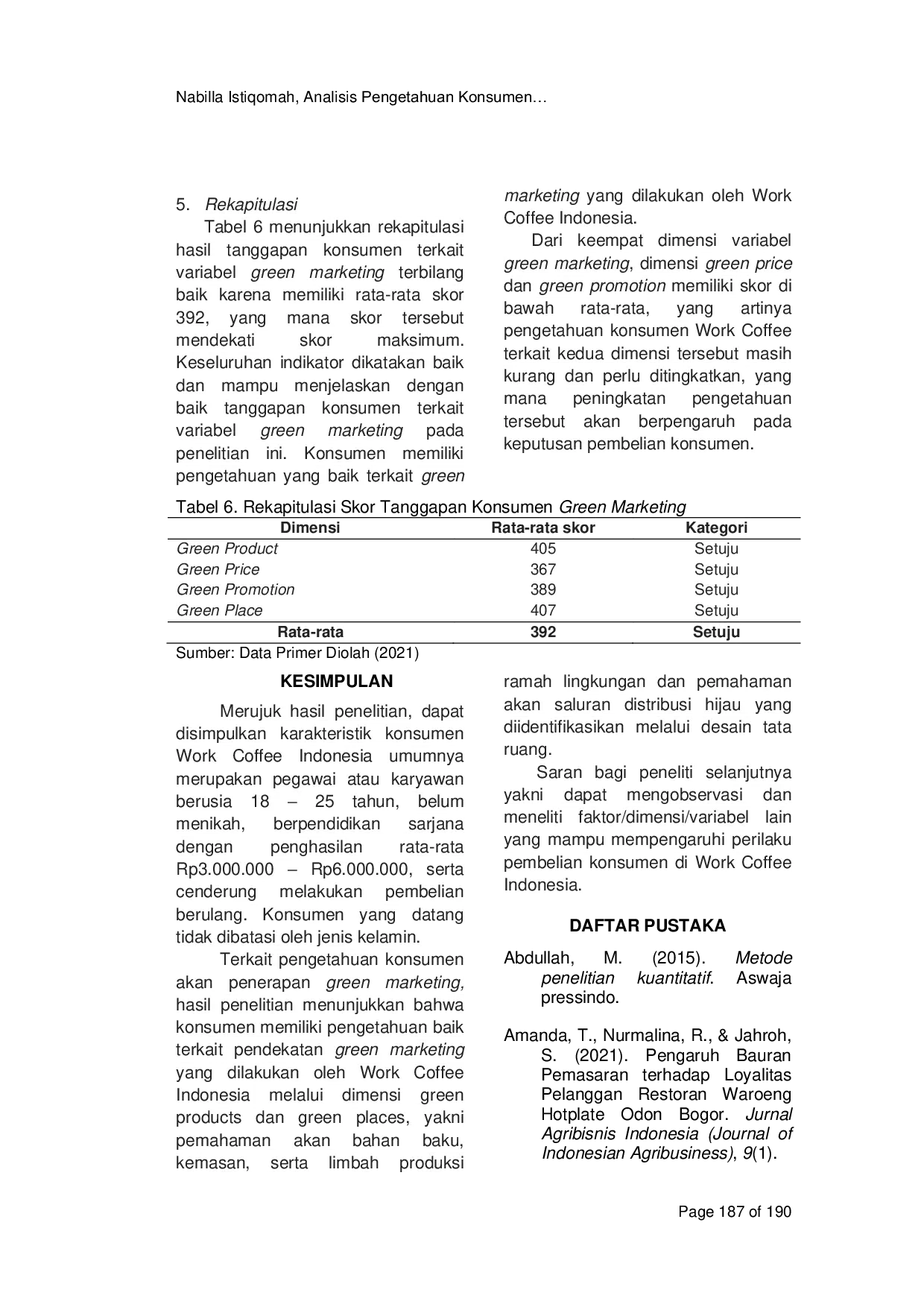
UNIK KEDIRIUNIK KEDIRI Hasil penelitian menunjukkan konsumen memiliki pengetahuan baik terkait pendekatan green marketing yang dilakukan oleh Work Coffee Indonesia melalui dimensiHasil penelitian menunjukkan konsumen memiliki pengetahuan baik terkait pendekatan green marketing yang dilakukan oleh Work Coffee Indonesia melalui dimensi