STIEMAHARDHIKASTIEMAHARDHIKA
Media MahardhikaMedia MahardhikaLately, there have been a lot of complaints from patients and their families who go to the hospital because they are not satisfied with the services provided by the hospital. Hospitals are a service industry that is starting to become competitive because many private hospitals are competing. This study aims to determine the effect of the response of hospital visitors on the quality of hospital services. The research sample was the introduction of patients in three middle-class private hospitals in Surabaya, namely Adi Husada Hospital, Siloam Hospital and Premier Hospital. A total of 405 samples were divided into 2 groups, namely group 1 with 30 respondents and group 2 with 375 respondents. Data analysis of group 1 with Cronbachs Alpha aims to test the quality of the questionnaire before it is used to produce data analysis. To answer the research objectives, Structural Equation Model (SEM) analysis was carried out on the data in group 2. In this test, 5 data were detected as outliers so that the remaining 370 data were analyzed. The results show that the loyalty of patients and their families to visit the same hospital is influenced by the expectations and satisfaction of patients and their families and is influenced by the quality of hospital services they feel. Service quality has the greatest influence on patient and family loyalty.
The study demonstrates that visitor loyalty in private hospitals is significantly influenced by both visitor expectations and the quality of hospital services.Furthermore, visitor satisfaction also plays a role in fostering loyalty.Notably, service quality emerges as the most substantial factor impacting visitor loyalty.Therefore, prioritizing and enhancing the quality of hospital services is crucial for maintaining and improving patient loyalty.
Future research could explore the specific dimensions of service quality that most significantly impact patient loyalty in Indonesian private hospitals, potentially utilizing qualitative methods like in-depth interviews to gain richer insights. Additionally, investigating the moderating role of patient demographics, such as age, education, and socioeconomic status, on the relationship between service quality and loyalty could reveal nuanced patterns. Finally, a longitudinal study tracking patient experiences and loyalty over time would provide a more comprehensive understanding of the long-term effects of service quality improvements and identify potential areas for continuous enhancement. These studies should aim to provide actionable recommendations for hospital administrators to optimize service delivery and cultivate lasting patient relationships, ultimately contributing to improved healthcare outcomes and a stronger healthcare system.
| File size | 453.39 KB |
| Pages | 13 |
| DMCA | Report |
Related /

STIM LPISTIM LPI Variabel Kualitas Produk memiliki pengaruh parsial terhadap Keputusan Pembelian di PT. Variabel Harga dan Kualitas Produk memiliki pengaruh secara simultanVariabel Kualitas Produk memiliki pengaruh parsial terhadap Keputusan Pembelian di PT. Variabel Harga dan Kualitas Produk memiliki pengaruh secara simultan
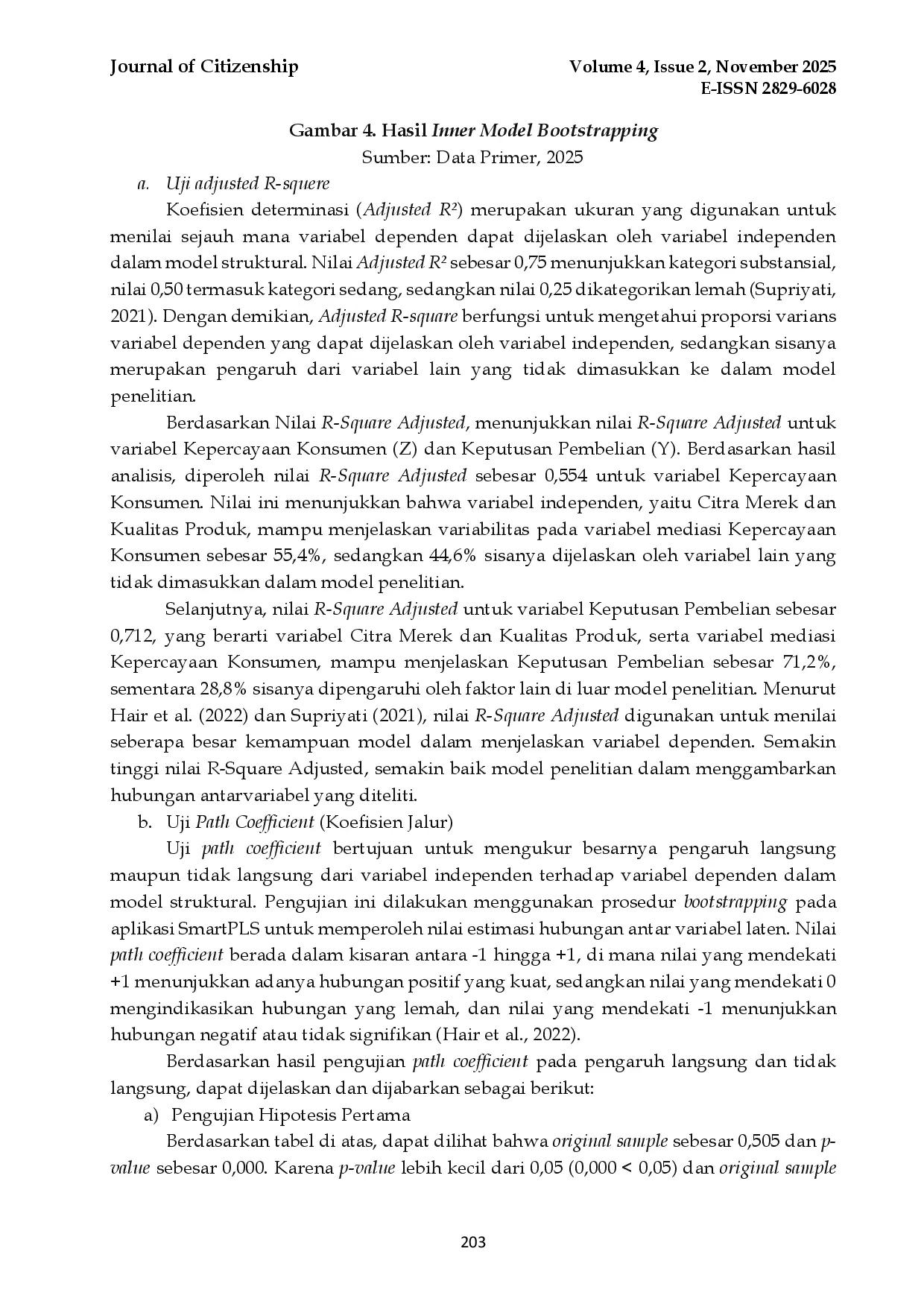
HK PUBLISHINGHK PUBLISHING Penelitian ini menggunakan pendekatan kuantitatif dengan teknik pengambilan sampel purposive sampling. Data dikumpulkan melalui penyebaran kuesioner kepadaPenelitian ini menggunakan pendekatan kuantitatif dengan teknik pengambilan sampel purposive sampling. Data dikumpulkan melalui penyebaran kuesioner kepada

UMKUMK Pengumpulan data dilakukan selama tiga bulan menggunakan kuesioner terstruktur yang dibagikan secara langsung dan dilengkapi dengan wawancara. Model penelitianPengumpulan data dilakukan selama tiga bulan menggunakan kuesioner terstruktur yang dibagikan secara langsung dan dilengkapi dengan wawancara. Model penelitian

DINASTIRESDINASTIRES Penelitian ini bertujuan untuk menganalisis kekuatan, kelemahan, peluang, dan ancaman (SWOT) yang dihadapi e-commerce XYZ dalam menghadapi persaingan dinamisPenelitian ini bertujuan untuk menganalisis kekuatan, kelemahan, peluang, dan ancaman (SWOT) yang dihadapi e-commerce XYZ dalam menghadapi persaingan dinamis

YBLIYBLI Penelitian ini bertujuan untuk mengeksplorasi dan mengidentifikasi tren terkini dalam strategi brand positioning yang relevan dengan konteks digital, berdasarkanPenelitian ini bertujuan untuk mengeksplorasi dan mengidentifikasi tren terkini dalam strategi brand positioning yang relevan dengan konteks digital, berdasarkan
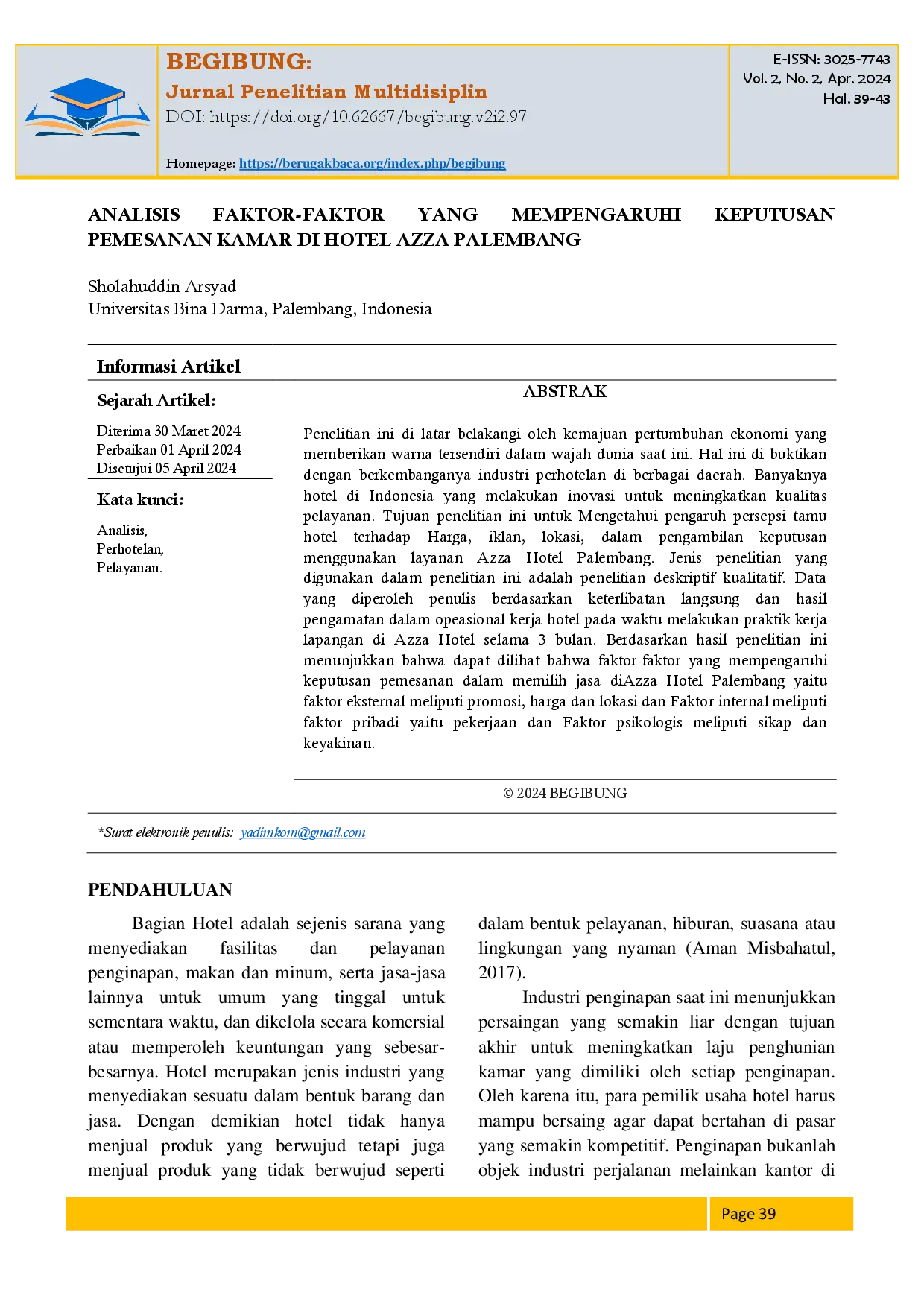
BERUGAKBACABERUGAKBACA Penelitian ini dilatarbelakangi oleh pertumbuhan ekonomi yang mendorong perkembangan industri perhotelan di Indonesia. Tujuan penelitian adalah mengetahuiPenelitian ini dilatarbelakangi oleh pertumbuhan ekonomi yang mendorong perkembangan industri perhotelan di Indonesia. Tujuan penelitian adalah mengetahui

AISYAHUNIVERSITYAISYAHUNIVERSITY Metode penelitian yang digunakan adalah kuantitatif deskriptif dengan pendekatan korelasional, melibatkan 30 siswa sebagai sampel. Hasil kuesioner danMetode penelitian yang digunakan adalah kuantitatif deskriptif dengan pendekatan korelasional, melibatkan 30 siswa sebagai sampel. Hasil kuesioner dan
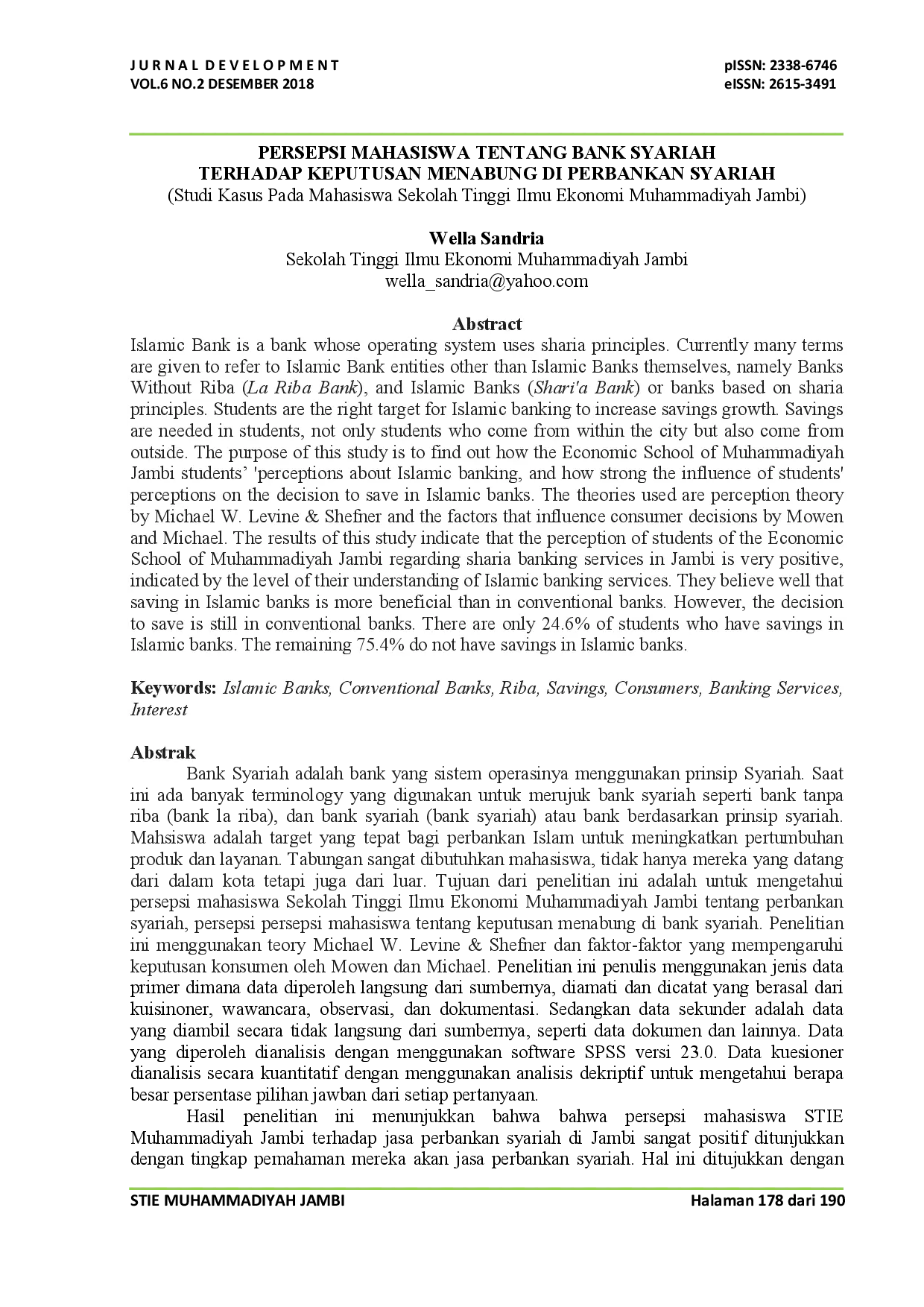
UMJAMBIUMJAMBI Penelitian ini menggunakan teory Michael W. Levine & Shefner dan faktor-faktor yang mempengaruhi keputusan konsumen oleh Mowen dan Michael. PenelitianPenelitian ini menggunakan teory Michael W. Levine & Shefner dan faktor-faktor yang mempengaruhi keputusan konsumen oleh Mowen dan Michael. Penelitian
Useful /

UnwahasUnwahas Minyak atsiri dari tumbuhan berkhasiat sebagai repelen alami terhadap nyamuk Aedes aegypti yang merupakan vektor penyebar penyakit demam berdarah dengue.Minyak atsiri dari tumbuhan berkhasiat sebagai repelen alami terhadap nyamuk Aedes aegypti yang merupakan vektor penyebar penyakit demam berdarah dengue.

UnwahasUnwahas Eritema yang terjadi pada F3 terdapat pada kelinci 2 di jam ke-24, 48 dan 72. Edema tidak terjadi pada setiap formula di semua kelinci. Sediaan maskerEritema yang terjadi pada F3 terdapat pada kelinci 2 di jam ke-24, 48 dan 72. Edema tidak terjadi pada setiap formula di semua kelinci. Sediaan masker

UMNYARSIUMNYARSI M. Hatta Bukittinggi sangat tinggi, dengan persentase kepuasan sebesar 90% pada dokter, 88% pada petugas farmasi, dan 86,8% pada pasien rawat jalan. AnalisisM. Hatta Bukittinggi sangat tinggi, dengan persentase kepuasan sebesar 90% pada dokter, 88% pada petugas farmasi, dan 86,8% pada pasien rawat jalan. Analisis
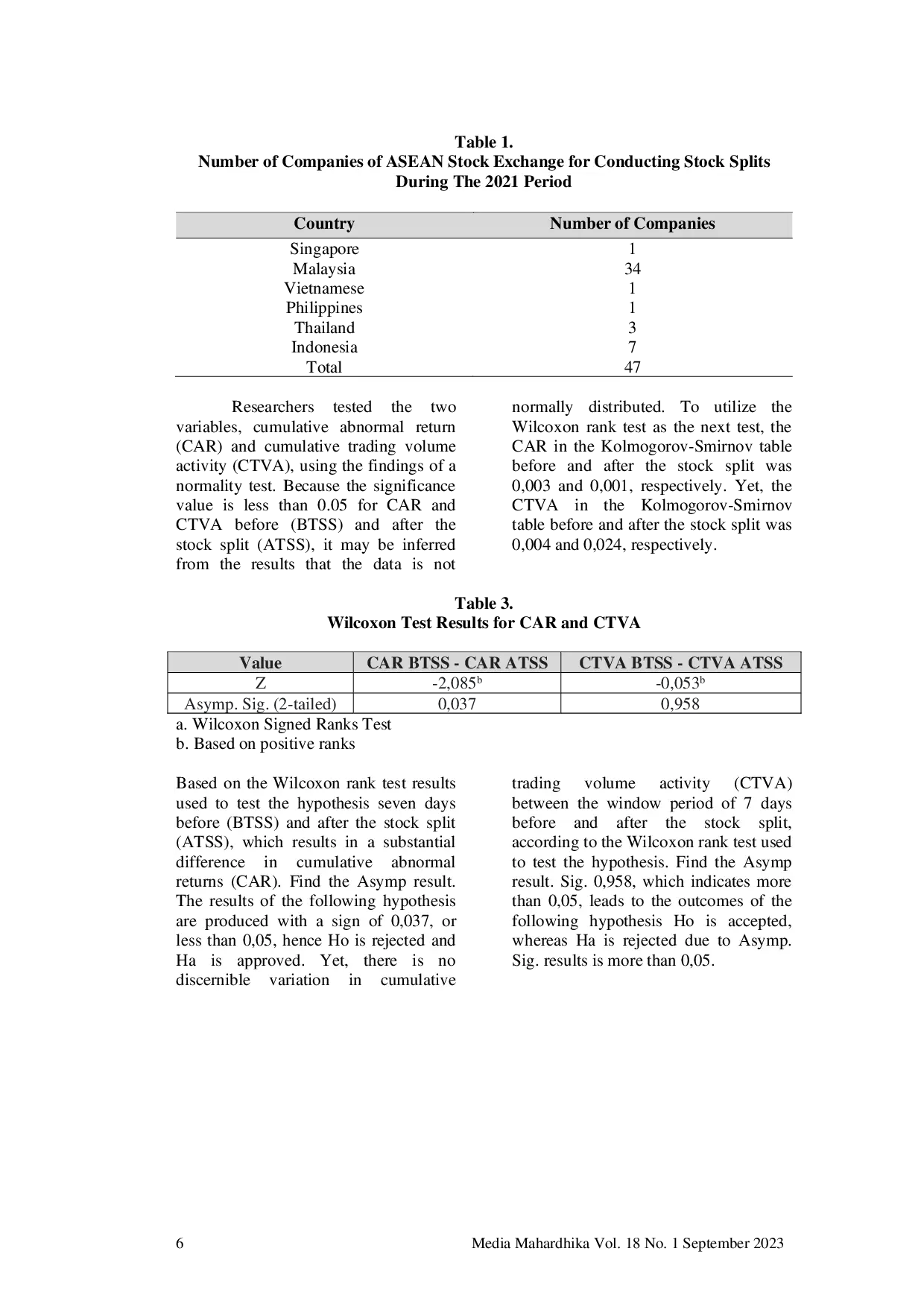
STIEMAHARDHIKASTIEMAHARDHIKA Penelitian ini menyimpulkan bahwa terdapat perbedaan yang signifikan pada cumulative abnormal returns (CAR) antara sebelum dan sesudah stock split, namunPenelitian ini menyimpulkan bahwa terdapat perbedaan yang signifikan pada cumulative abnormal returns (CAR) antara sebelum dan sesudah stock split, namun