ISHAISHA
Cebong JournalCebong JournalHalal tourism, catering to the needs and preferences of Muslim travelers, has emerged as a significant market segment in the global tourism industry. This research focuses on the analysis of halal tourism implementation in Siak District, Riau, Indonesia. The study aims to evaluate the effectiveness of halal tourism practices, identify challenges, and explore opportunities for improvement in the region. Employing a mixed-methods approach, qualitative data were collected through semi-structured interviews with key stakeholders, while quantitative data were gathered through surveys administered to tourists visiting Siak District. The findings reveal several key insights: infrastructure development remains a challenge, cultural sensitivity for preserving authenticity, marketing strategies need enhancement, halal certification standards require attention, and community engagement is crucial for sustainable development. Despite challenges, opportunities for improvement include diversifying tourism products, capacity building, and embracing sustainable practices. The implications of this research extend beyond Siak District, offering valuable insights for destinations worldwide seeking to tap into the growing market of halal tourism. By addressing challenges and capitalizing on opportunities, Siak District and destinations globally can enhance competitiveness, sustainability, and inclusivity in halal tourism offerings, fostering socio-economic growth and cultural preservation.
The implementation of halal tourism in Siak District, Riau, represents a strategic endeavor aimed at tapping into the growing market of Muslim travelers while leveraging the regions cultural heritage and natural beauty.Through a comprehensive analysis of halal tourism practices, challenges, and opportunities, this research has provided valuable insights into the effectiveness and implications of halal tourism development in the region.The findings highlight the importance of addressing infrastructure gaps, promoting cultural sensitivity, enhancing marketing strategies, upholding halal certification standards, engaging local communities, diversifying tourism products, building capacity, and embracing sustainable practices.By addressing these challenges and capitalizing on opportunities for improvement, Siak District can enhance the competitiveness, sustainability, and inclusivity of its halal tourism offerings, thereby fostering socio-economic growth and cultural preservation in the region.Moreover, the implications of this research extend beyond Siak District, offering valuable lessons and insights for destinations worldwide seeking to tap into the lucrative market of halal tourism.
To enhance the competitiveness and sustainability of halal tourism in Siak District, it is crucial to address infrastructure gaps and promote cultural sensitivity. This can be achieved by investing in the development of halal-friendly accommodations, dining options, and prayer facilities, ensuring that these facilities align with Islamic principles and meet the needs of Muslim travelers. Additionally, it is essential to engage local communities in the design and management of halal tourism initiatives, fostering a sense of ownership and pride among residents. By involving community members, the authenticity and sustainability of tourism experiences can be enhanced, contributing to the preservation of cultural heritage and the promotion of local traditions. Furthermore, diversifying halal tourism offerings beyond accommodation and dining can create unique and memorable experiences for Muslim travelers. Developing niche products such as eco-tours, heritage trails, and cultural workshops can differentiate Siak District from other destinations and appeal to a wider range of travelers. Investing in human resource development and capacity building within the tourism sector is also vital to ensure that professionals are equipped with the skills and knowledge to meet the specific needs and preferences of Muslim travelers. Finally, embracing sustainable tourism practices is crucial for the long-term viability of halal tourism in Siak District. Implementing eco-friendly initiatives, promoting responsible tourism behavior, and engaging in community-based conservation efforts can minimize environmental impacts, preserve cultural heritage, and enhance destination resilience.
| File size | 220.24 KB |
| Pages | 9 |
| DMCA | Report |
Related /

UINSAIZUUINSAIZU 140/2021 memberikan panduan normatif mengenai bentuk cryptocurrency yang diperbolehkan atau dilarang dengan menekankan elemen gharar, dharar, dan qimār 140/2021 memberikan panduan normatif mengenai bentuk cryptocurrency yang diperbolehkan atau dilarang dengan menekankan elemen gharar, dharar, dan qimār

PENACCELERATIONPENACCELERATION Therefore, there is a need for comprehensive collaboration between education, digitalization, certification, and product development so that the halalTherefore, there is a need for comprehensive collaboration between education, digitalization, certification, and product development so that the halal

STIBSASTIBSA Jalur analisis data ditempuh melalui pemeriksaan kredibilitas instrumen, penyaringan asumsi klasik, penerapan model regresi linier berganda, serta pemantapanJalur analisis data ditempuh melalui pemeriksaan kredibilitas instrumen, penyaringan asumsi klasik, penerapan model regresi linier berganda, serta pemantapan
IMPERIUMINSTITUTEIMPERIUMINSTITUTE Studi ini merekomendasikan strategi yang mempertimbangkan dinamika budaya lokal dan menekankan peningkatan infrastruktur, akses, dan pelatihan untuk meningkatkanStudi ini merekomendasikan strategi yang mempertimbangkan dinamika budaya lokal dan menekankan peningkatan infrastruktur, akses, dan pelatihan untuk meningkatkan

UIN ANTASARIUIN ANTASARI Hasil menunjukkan bahwa nilai yang dirasakan secara signifikan mempengaruhi kepuasan dan kepercayaan, yang pada gilirannya secara positif mempengaruhiHasil menunjukkan bahwa nilai yang dirasakan secara signifikan mempengaruhi kepuasan dan kepercayaan, yang pada gilirannya secara positif mempengaruhi
UMPUMP Analisis data menggunakan analisis stilistika yang dimulai dari identifikasi elemen bahasa, analisis kontekstual, dan interpretasi makna. Hasil penelitianAnalisis data menggunakan analisis stilistika yang dimulai dari identifikasi elemen bahasa, analisis kontekstual, dan interpretasi makna. Hasil penelitian

IAIANNAWAWIIAIANNAWAWI Decision-makers expect the result to guide how to promote halal food amid the growing enthusiasm for Muslim-friendly tourism in Bandung. Over time, theDecision-makers expect the result to guide how to promote halal food amid the growing enthusiasm for Muslim-friendly tourism in Bandung. Over time, the
UM SURABAYAUM SURABAYA Halal certification is crucial for both consumers and businesses, ensuring products meet Islamic requirements and providing a sense of security. The applicationHalal certification is crucial for both consumers and businesses, ensuring products meet Islamic requirements and providing a sense of security. The application
Useful /
ISHAISHA The results of PMV measurements show that most values are above 0. 5, indicating that the thermal conditions in the classroom are generally uncomfortable.The results of PMV measurements show that most values are above 0. 5, indicating that the thermal conditions in the classroom are generally uncomfortable.
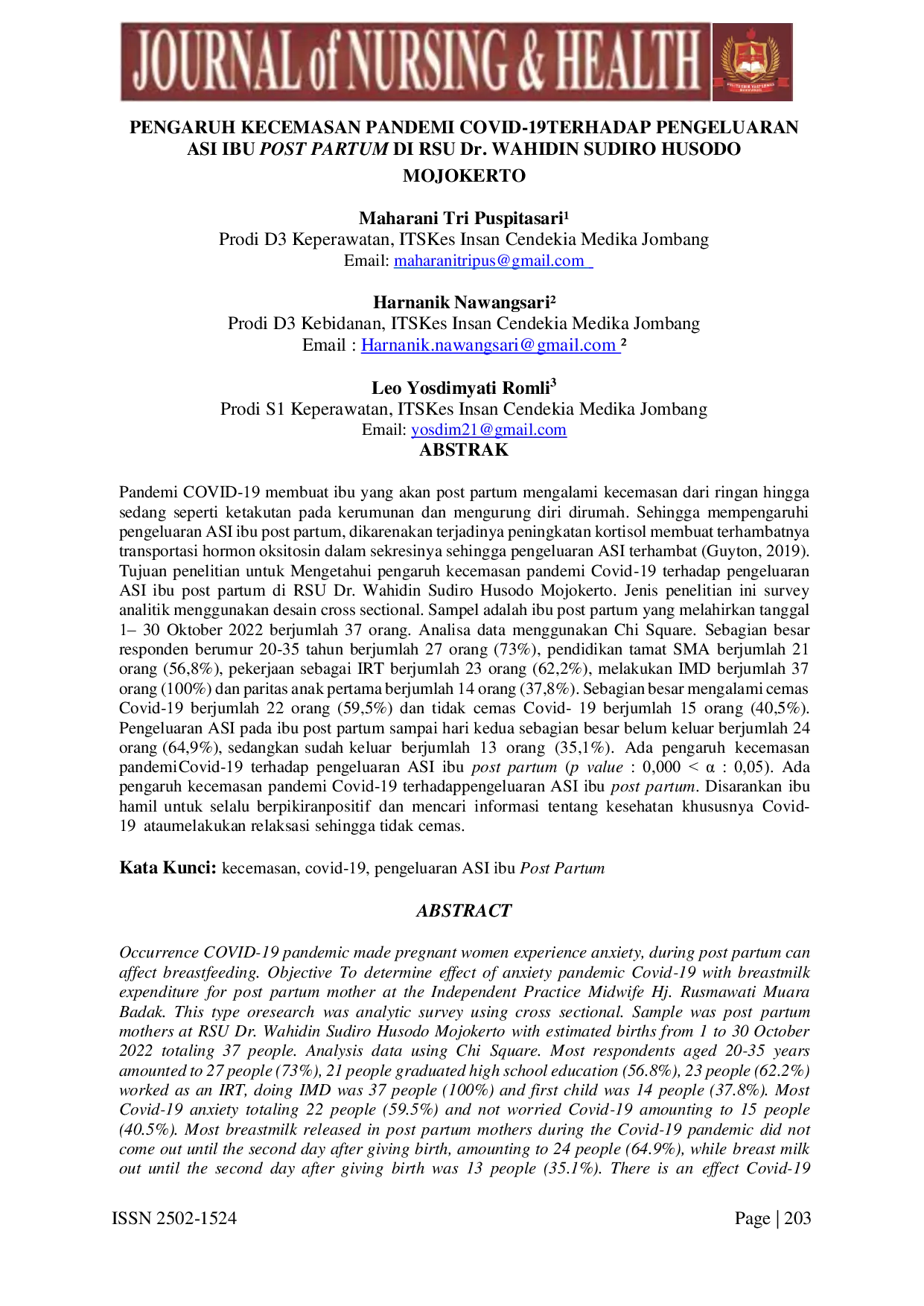
POLITEKNIKYAKPERMASPOLITEKNIKYAKPERMAS Wahidin Sudiro Husodo Mojokerto. Jenis penelitian ini survey analitik menggunakan desain cross sectional. Sampel adalah ibu post partum yang melahirkanWahidin Sudiro Husodo Mojokerto. Jenis penelitian ini survey analitik menggunakan desain cross sectional. Sampel adalah ibu post partum yang melahirkan
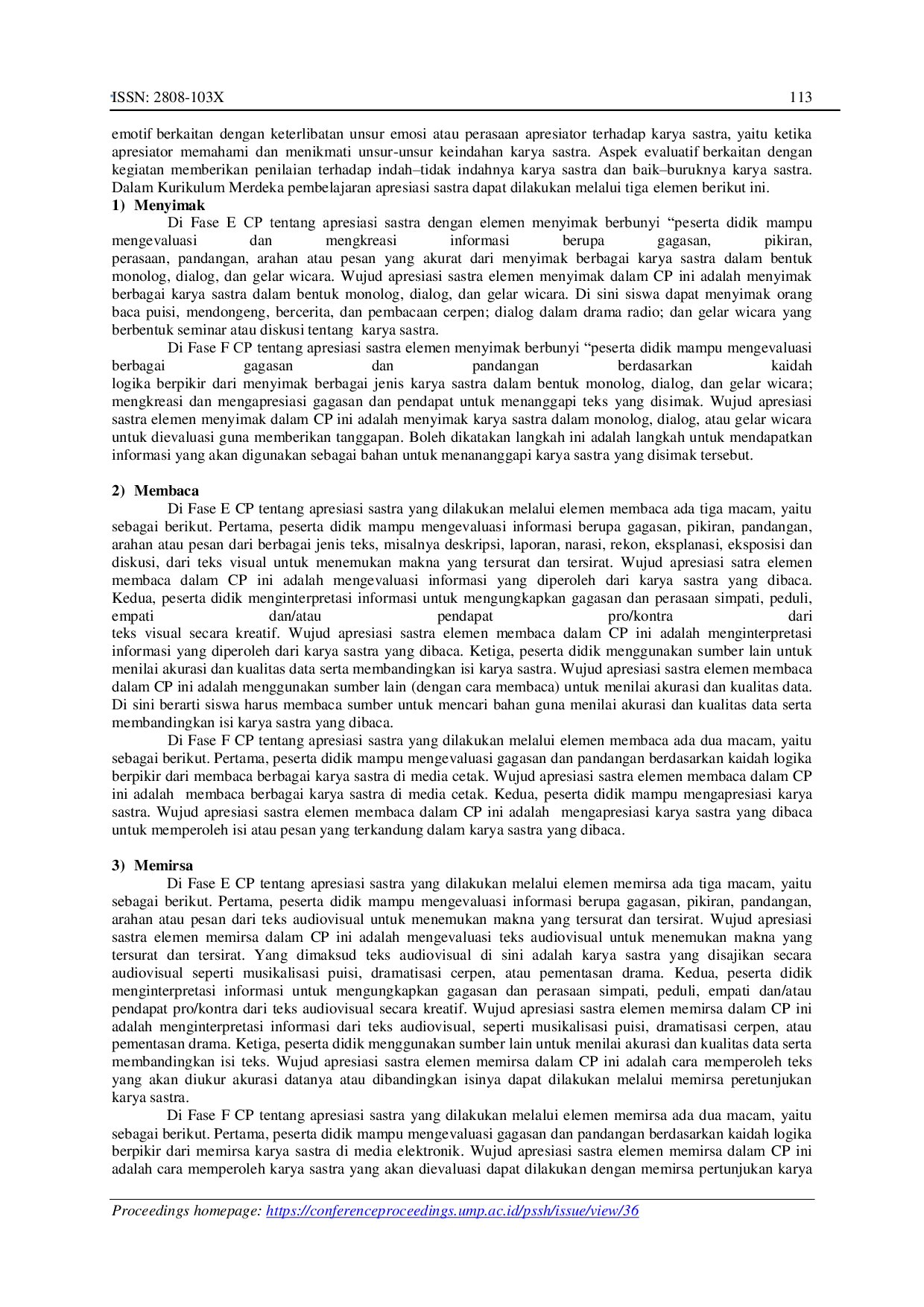
UMPUMP Untuk pembelajaran sastra di SMA (Fase E dan F), kemampuan reseptif berbentuk apresiasi sastra dan kemampuan produktif berbentuk ekspresi sastra dan kreasiUntuk pembelajaran sastra di SMA (Fase E dan F), kemampuan reseptif berbentuk apresiasi sastra dan kemampuan produktif berbentuk ekspresi sastra dan kreasi

UMPUMP Selain itu, mahasiswa perlu dibekali nilai-nilai karakter seperti gotong royong, disiplin, peduli, saling menghargai, dan kerja sama, agar menjadi generasiSelain itu, mahasiswa perlu dibekali nilai-nilai karakter seperti gotong royong, disiplin, peduli, saling menghargai, dan kerja sama, agar menjadi generasi