UNIDAUNIDA
Jurnal GovernansiJurnal GovernansiTourism has great potential to improve the economy, create jobs, and support the development of various regions. However, improper tourism management can cause problems such as environmental degradation, excessive tourism and unequal economic benefits. Therefore, it is essential that collaborative-based tourism management can be effective in developing sustainable tourism. This research aims to identify collaborative-based tourism governance research in tourism development. The output of this research is to provide recommendations for a collaborative-based tourism governance model to impact tourism development in the Tenjolaya sub-district, Bogor Regency. The research method used was descriptive qualitative with 28 informants from the sub-district government and the Tenjolaya tourism awareness group. After the data was collected using data collection techniques through observation, interviews, field notes, analytical memos, and document elicitation, the researcher continued the analysis of the data obtained and then confirmed it using data validity techniques. The research results show that tourism governance in Tenjolaya has implemented collaborative governance even though it is still local, so every indicator still needs to be optimally fulfilled using the good tourism governance model and the public-private partnership model. Thus, tourism governance in Tenjolaya must focus on good tourism collaboration so that tourism goals in Tenjolaya can be achieved based on fulfilling indicators that support good tourism governance, good tourism development and good tourism sustainability.
Penelitian ini menunjukkan bahwa tatakelola pariwisata di Kecamatan Tenjolaya Kabupaten Bogor belum optimal, disebabkan oleh rendahnya pengetahuan SDM dan kurangnya kolaborasi penuh dari pihak terkait.Potensi wisata di Tenjolaya cukup beragam, meliputi wisata alam, budaya/religi, dan buatan.Rekomendasi model tatakelola pariwisata berbasis kolaboratif adalah dengan menerapkan konsep *good tourism collaboration* yang didukung oleh konsep hexahelix untuk mencapai tujuan *good tourism governance*, *good tourism development*, dan *good tourism sustainability*.
Penelitian lanjutan dapat dilakukan dengan mengkaji lebih dalam mengenai peran serta masyarakat lokal dalam pengembangan pariwisata berkelanjutan di Tenjolaya, khususnya dalam pemanfaatan potensi wisata berbasis komunitas. Selain itu, perlu dilakukan studi komparatif mengenai model kolaborasi yang efektif antara pemerintah, swasta, dan masyarakat dalam pengelolaan pariwisata di berbagai daerah di Indonesia, untuk mengidentifikasi praktik terbaik yang dapat diterapkan di Tenjolaya. Terakhir, penelitian dapat difokuskan pada pengembangan strategi pemasaran pariwisata yang inovatif dan berkelanjutan, dengan memanfaatkan teknologi digital dan media sosial untuk meningkatkan visibilitas dan daya tarik Tenjolaya sebagai destinasi wisata.
| File size | 372.21 KB |
| Pages | 18 |
| DMCA | Report |
Related /

SMARTPUBLISHERSMARTPUBLISHER 086.573,74, diikuti EOQ sebesar Rp 9. 583.864,95, keduanya lebih efisien dibandingkan kebijakan aktual perusahaan sebesar Rp 42.546.728,97. Namun, penerapan086.573,74, diikuti EOQ sebesar Rp 9. 583.864,95, keduanya lebih efisien dibandingkan kebijakan aktual perusahaan sebesar Rp 42.546.728,97. Namun, penerapan
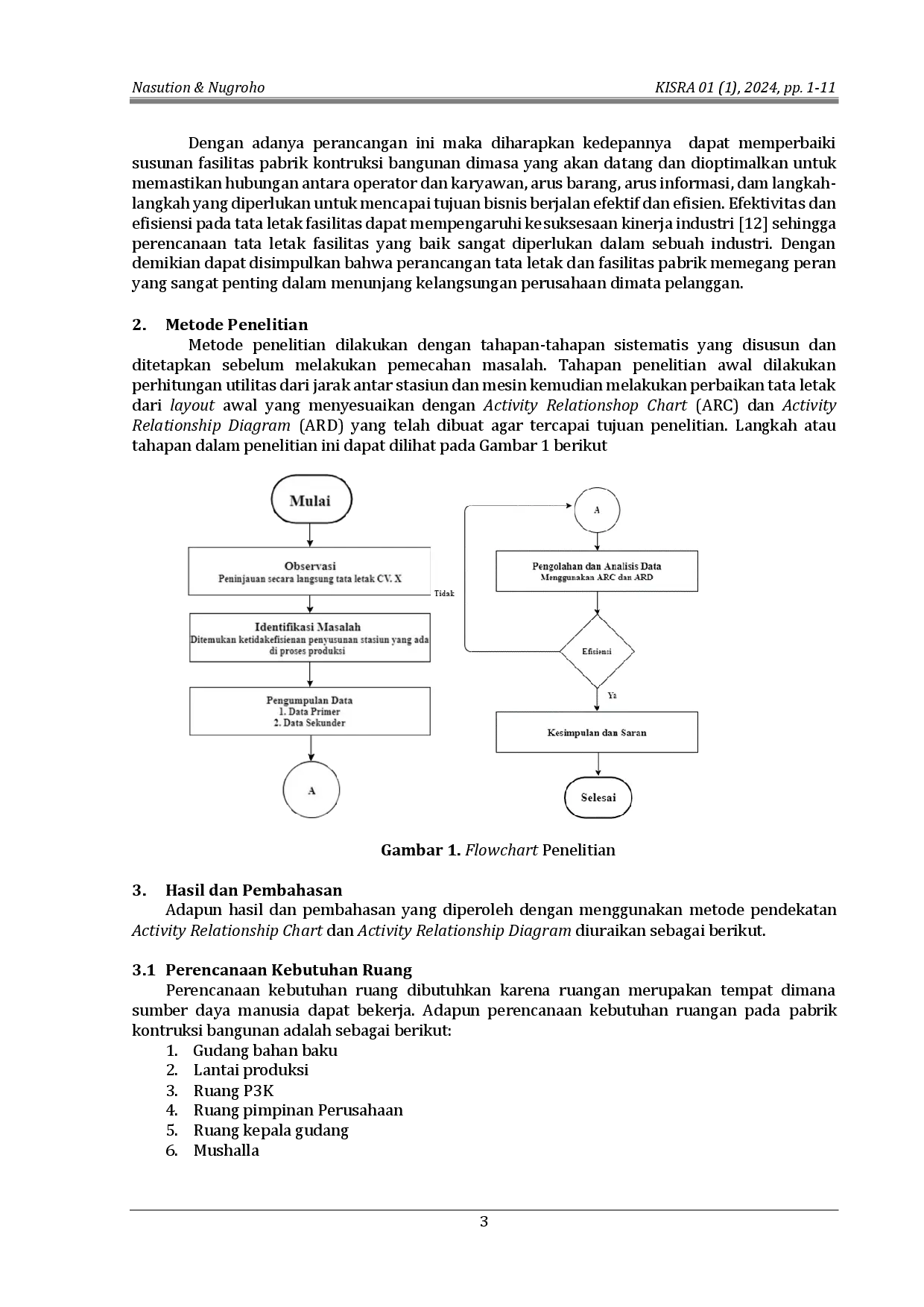
YBPINDOYBPINDO Dari hasil evaluasi ditemukan adanya inefisiensi pada penataan stasiun di proses produksi, seperti keseimbangan proses produksi dan pergerakan material,Dari hasil evaluasi ditemukan adanya inefisiensi pada penataan stasiun di proses produksi, seperti keseimbangan proses produksi dan pergerakan material,
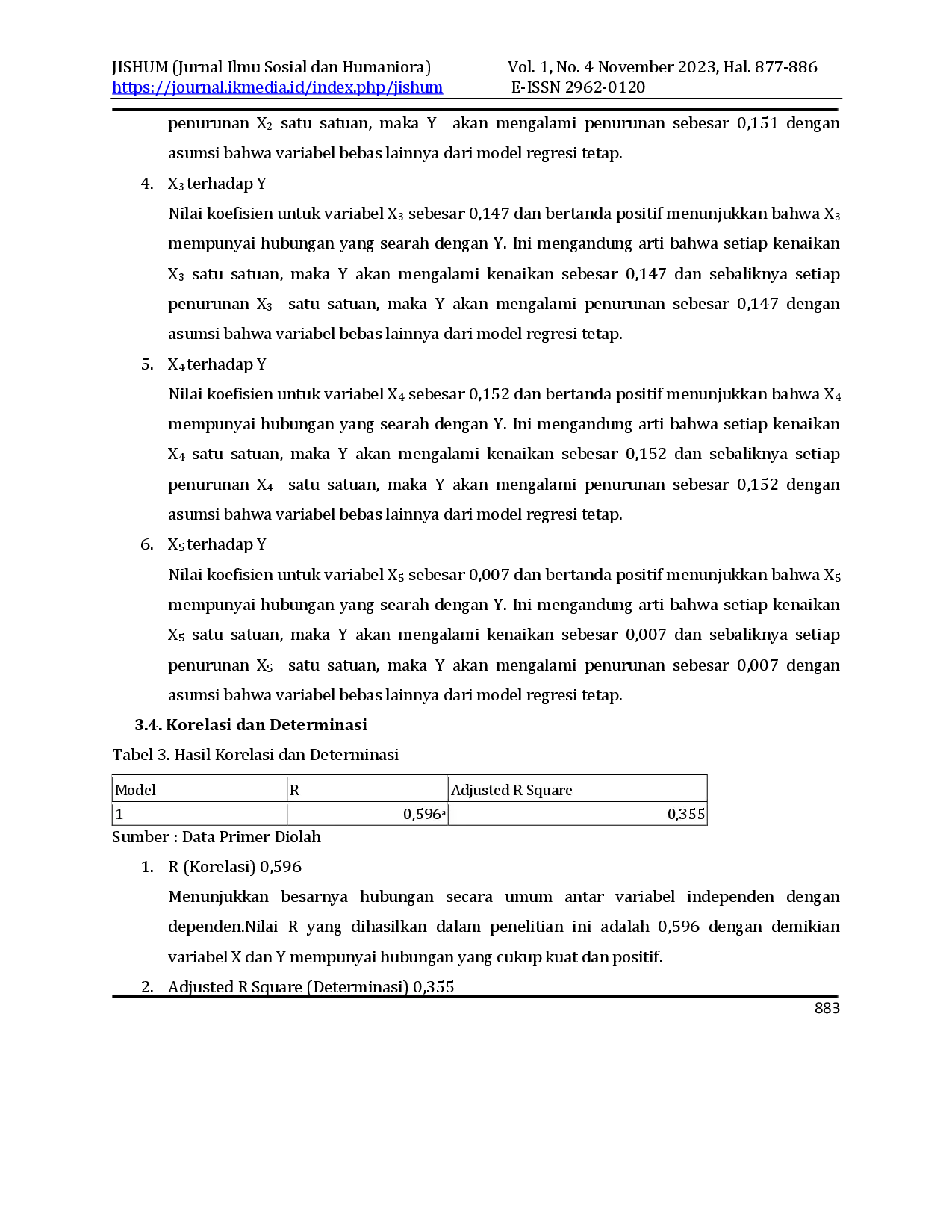
IKMEDIAIKMEDIA Penelitian ini bertujuan untuk mengetahui dan menganalisis. Jenis penelitian yang dilakukan dalam penelitian ini adalah penelitian asosiatif. PengambilanPenelitian ini bertujuan untuk mengetahui dan menganalisis. Jenis penelitian yang dilakukan dalam penelitian ini adalah penelitian asosiatif. Pengambilan

AHMAREDUCAHMAREDUC Malaria mengancam sekitar 3,2 miliar orang di seluruh dunia, dan 1,2 miliar orang berisiko tinggi. Setiap tahun terdapat 15 juta kasus malaria dengan 38.000Malaria mengancam sekitar 3,2 miliar orang di seluruh dunia, dan 1,2 miliar orang berisiko tinggi. Setiap tahun terdapat 15 juta kasus malaria dengan 38.000

STPSAHIDSURAKARTASTPSAHIDSURAKARTA Layanan yang ditingkatkan meliputi penyediaan informasi, penanganan komplain, wake‑up call, serta sikap staf Service Center yang sopan, ramah, cepat,Layanan yang ditingkatkan meliputi penyediaan informasi, penanganan komplain, wake‑up call, serta sikap staf Service Center yang sopan, ramah, cepat,
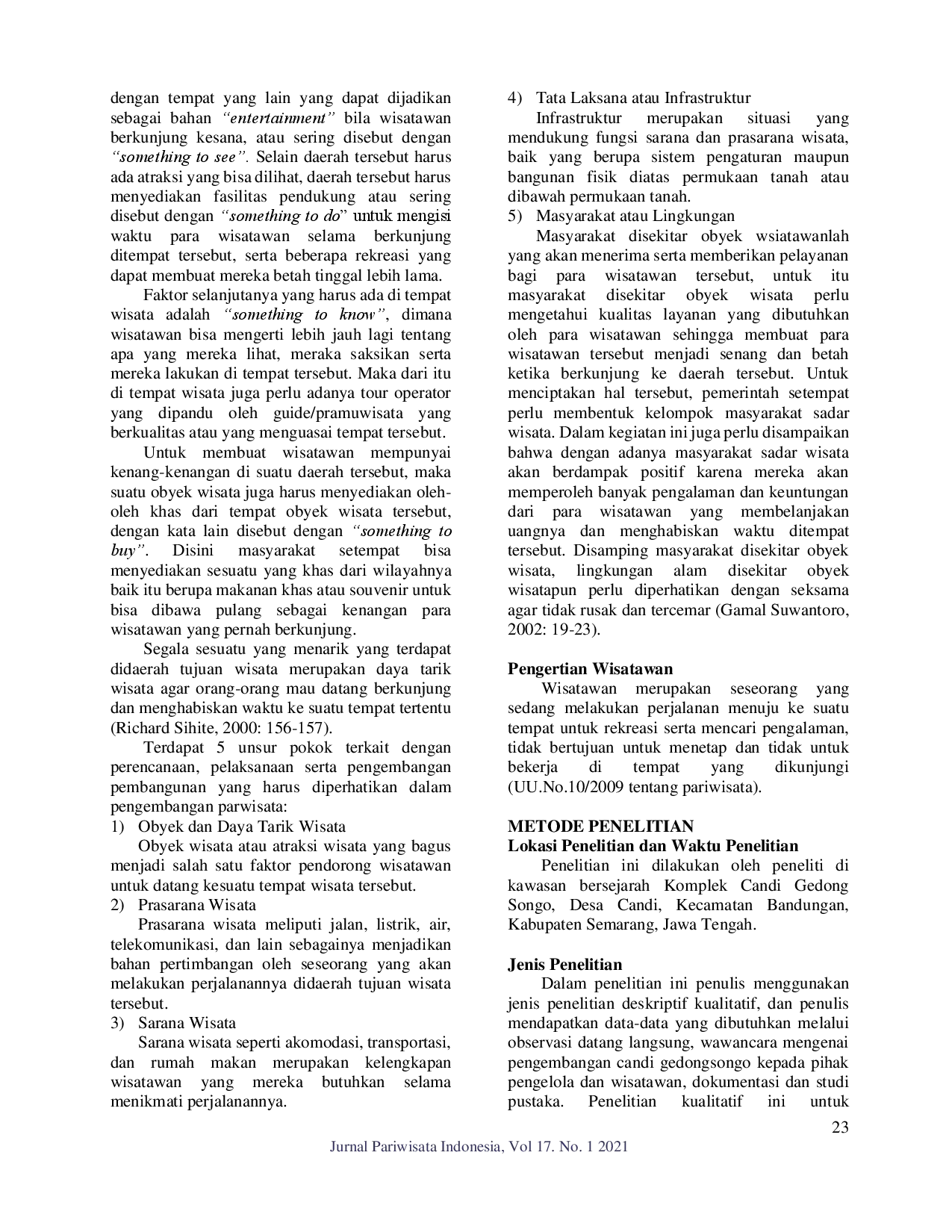
STPSAHIDSURAKARTASTPSAHIDSURAKARTA Selain itu, dalam strategi pengembangan Candi Gedongsongo ini juga harus memperhatikan beberapa aspek antara lain.mengembangkan potensi lokal dengan tetapSelain itu, dalam strategi pengembangan Candi Gedongsongo ini juga harus memperhatikan beberapa aspek antara lain.mengembangkan potensi lokal dengan tetap

STPSAHIDSURAKARTASTPSAHIDSURAKARTA Penelitian ini bertujuan mengidentifikasi potensi Watu Kapal sebagai objek pengembangan geowisata. Metode yang digunakan berupa survei lapangan, deskripsiPenelitian ini bertujuan mengidentifikasi potensi Watu Kapal sebagai objek pengembangan geowisata. Metode yang digunakan berupa survei lapangan, deskripsi

STPSAHIDSURAKARTASTPSAHIDSURAKARTA Kota Surakarta merupakan kota yang kaya akan potensi pariwisata, termasuk pariwisata kuliner. Di kota ini, terdapat berbagai macam kuliner khas sepertiKota Surakarta merupakan kota yang kaya akan potensi pariwisata, termasuk pariwisata kuliner. Di kota ini, terdapat berbagai macam kuliner khas seperti
Useful /
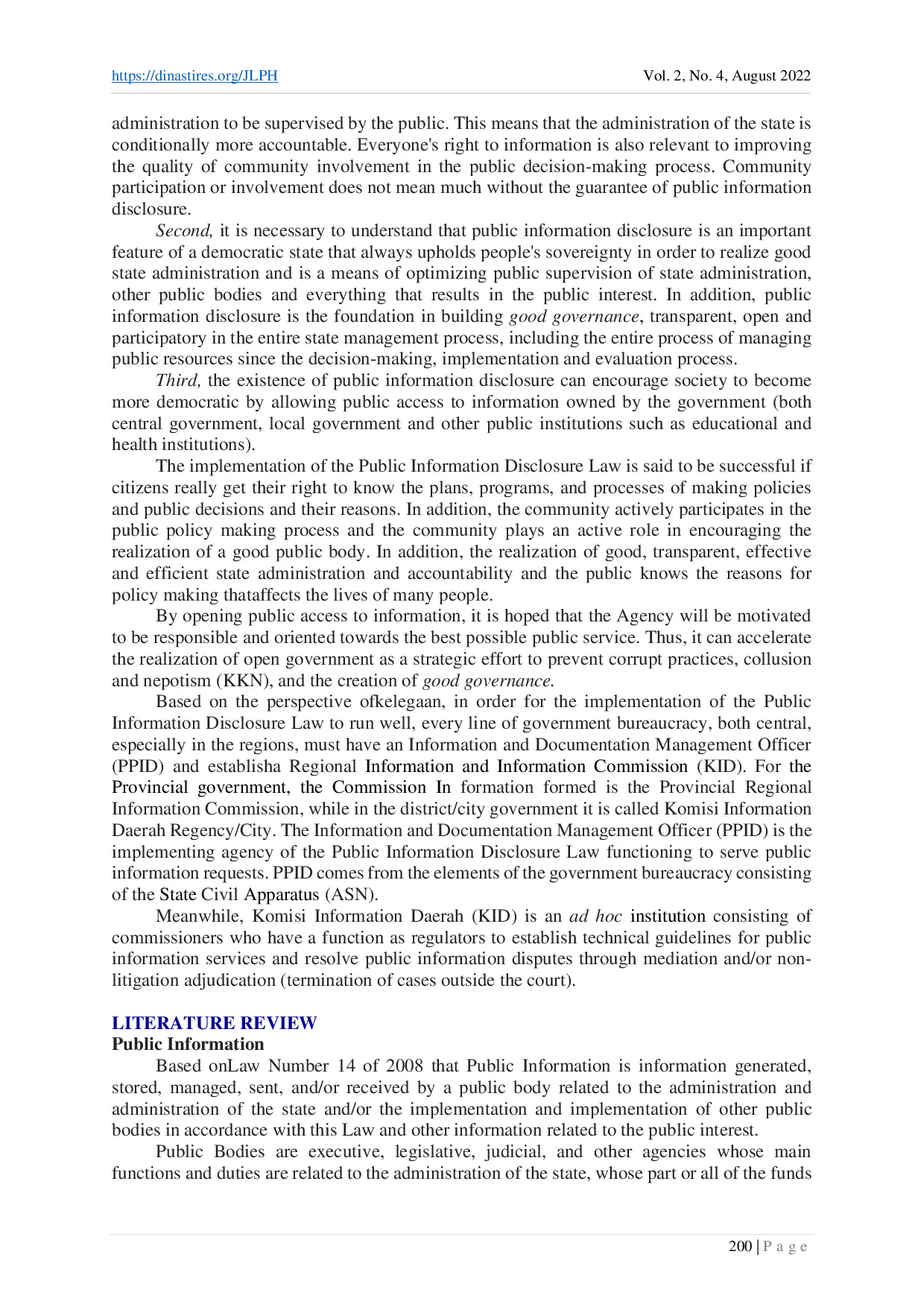
DINASTIRESDINASTIRES 14 of 2008 concerning Public Information Disclosure is the embodiment of the substance of democracy. Especially when it comes to public information oversight.14 of 2008 concerning Public Information Disclosure is the embodiment of the substance of democracy. Especially when it comes to public information oversight.
AHMAREDUCAHMAREDUC Sasaran pengabdian kepada masyarakat adalah ibu hamil dan ibu balita yang datang ke Puskesmas Telaga Biru Pontianak Utara Kalimantan Barat selama bulanSasaran pengabdian kepada masyarakat adalah ibu hamil dan ibu balita yang datang ke Puskesmas Telaga Biru Pontianak Utara Kalimantan Barat selama bulan
AHMAREDUCAHMAREDUC Hasil pengabdian dapat disimpulkan bahwa 100 % ibu mengalami peningkatan pengetahuan dan keterampilan baik itu ASI dan deteksi tumbuh kembang setelah diberikanHasil pengabdian dapat disimpulkan bahwa 100 % ibu mengalami peningkatan pengetahuan dan keterampilan baik itu ASI dan deteksi tumbuh kembang setelah diberikan
AHMAREDUCAHMAREDUC Kegiatan dies natalis yang rutin dilaksanakan setiap tahun ini juga sebagai kegiatan yang dapat mempererat hubungan silaturahmi civitas akademik. AdapunKegiatan dies natalis yang rutin dilaksanakan setiap tahun ini juga sebagai kegiatan yang dapat mempererat hubungan silaturahmi civitas akademik. Adapun