E SIBERE SIBER
Siber International Journal of Sport EducationSiber International Journal of Sport EducationThis study aims to examine the effectiveness of collaborative-based physical education in enhancing students social skills. Using a quasi-experimental design with a pretest-posttest control group, this research involved two classes of junior high school students, one as the experimental group and the other as the control group. The experimental group was exposed to collaborative learning strategies during physical education, while the control group followed conventional methods. Data were collected through questionnaires, observations, and interviews. The findings indicate a significant improvement in the experimental groups social skills, including cooperation, communication, empathy, conflict resolution, and social responsibility. The average posttest score of the experimental group was notably higher than that of the control group. Qualitative data also supported these results, showing increased student engagement and positive peer interactions. Collaborative-based learning in physical education proves to be a powerful approach not only for improving physical competence but also for fostering essential social values. This method is recommended as an alternative strategy to create a more inclusive and socially engaging learning environment.
Based on the research results and discussion, it can be concluded that collaborative-based physical education learning is effective in improving students social skills.The application of this learning strategy creates an interactive and inclusive learning atmosphere, where students are not only physically active but also socially and emotionally involved.Improved social skills include the ability to work together, communicate, show empathy, resolve conflicts, and foster a sense of social responsibility, supported by both quantitative and qualitative data.
Penelitian lebih lanjut dapat dilakukan untuk menginvestigasi efektivitas model pembelajaran kolaboratif dalam konteks kurikulum Merdeka Belajar, dengan fokus pada bagaimana model ini dapat diintegrasikan secara optimal ke dalam pembelajaran yang berpusat pada siswa. Selain itu, studi komparatif dapat dilakukan untuk membandingkan dampak pembelajaran kolaboratif dengan metode pembelajaran lain, seperti pembelajaran berbasis proyek atau pembelajaran berbasis masalah, untuk mengidentifikasi pendekatan yang paling efektif dalam meningkatkan keterampilan sosial siswa. Terakhir, penelitian kualitatif mendalam dapat dilakukan untuk mengeksplorasi pengalaman siswa dan guru dalam menerapkan pembelajaran kolaboratif, termasuk tantangan dan solusi yang dihadapi, serta faktor-faktor yang berkontribusi pada keberhasilan implementasi, sehingga dapat memberikan rekomendasi praktis untuk meningkatkan kualitas pembelajaran di sekolah.
| File size | 239.68 KB |
| Pages | 6 |
| DMCA | Report |
Related /

STIEPEMUDASTIEPEMUDA 6% to performance improvement. Based on the research and discussion, it can be concluded that employee development significantly influences employee performance,6% to performance improvement. Based on the research and discussion, it can be concluded that employee development significantly influences employee performance,

STIEPEMUDASTIEPEMUDA Sementara itu, strategi pemasaran berfokus pada penawaran produk kopi dan non-kopi yang unik, harga yang kompetitif, dan menciptakan suasana kafe yangSementara itu, strategi pemasaran berfokus pada penawaran produk kopi dan non-kopi yang unik, harga yang kompetitif, dan menciptakan suasana kafe yang

UMPOUMPO Sehingga hasil penelitian ini ditemukan bahwa akar permasalah doktrin radikalisme agama perspektif para guru dan siswa dikarenakan tiga aspek yaitu fanatismeSehingga hasil penelitian ini ditemukan bahwa akar permasalah doktrin radikalisme agama perspektif para guru dan siswa dikarenakan tiga aspek yaitu fanatisme
SINOMICSJOURNALSINOMICSJOURNAL Hasil menunjukkan bahwa gap kemiskinan memegang pola klaster terdistribusi, dengan wilayah Aceh, Bengkulu, Sumatera Selatan, Lampung, dan beberapa kepulauanHasil menunjukkan bahwa gap kemiskinan memegang pola klaster terdistribusi, dengan wilayah Aceh, Bengkulu, Sumatera Selatan, Lampung, dan beberapa kepulauan
SINOMICSJOURNALSINOMICSJOURNAL Hipotesis dalam penelitian ini adalah bahwa terdapat hubungan antara rasa syukur dan resiliensi. Partisipan dalam penelitian ini adalah 150 pekerja yangHipotesis dalam penelitian ini adalah bahwa terdapat hubungan antara rasa syukur dan resiliensi. Partisipan dalam penelitian ini adalah 150 pekerja yang
SINOMICSJOURNALSINOMICSJOURNAL Hasil penelitian menunjukkan bahwa: (1) kepemimpinan kepala desa memiliki pengaruh negatif dan signifikan terhadap efektivitas dana desa, berkontribusiHasil penelitian menunjukkan bahwa: (1) kepemimpinan kepala desa memiliki pengaruh negatif dan signifikan terhadap efektivitas dana desa, berkontribusi
SINOMICSJOURNALSINOMICSJOURNAL Model yang digunakan adalah Fixed Effects Model (FEM) dengan R² terkoreksi sebesar 0,4694. Temuan ini menegaskan pentingnya peningkatan ekspor bagi pertumbuhanModel yang digunakan adalah Fixed Effects Model (FEM) dengan R² terkoreksi sebesar 0,4694. Temuan ini menegaskan pentingnya peningkatan ekspor bagi pertumbuhan
UNIVET BANTARAUNIVET BANTARA Based on the overall data analysis, it can be concluded that the development of a mathematical literacy test instrument based on PISA-Like with the socio-culturalBased on the overall data analysis, it can be concluded that the development of a mathematical literacy test instrument based on PISA-Like with the socio-cultural
Useful /

HARAPANHARAPAN Oleh karena itu, diperlukan peningkatan koordinasi antar lembaga penegak hukum serta penguatan mekanisme restitusi agar hak-hak korban tindak pidana dapatOleh karena itu, diperlukan peningkatan koordinasi antar lembaga penegak hukum serta penguatan mekanisme restitusi agar hak-hak korban tindak pidana dapat
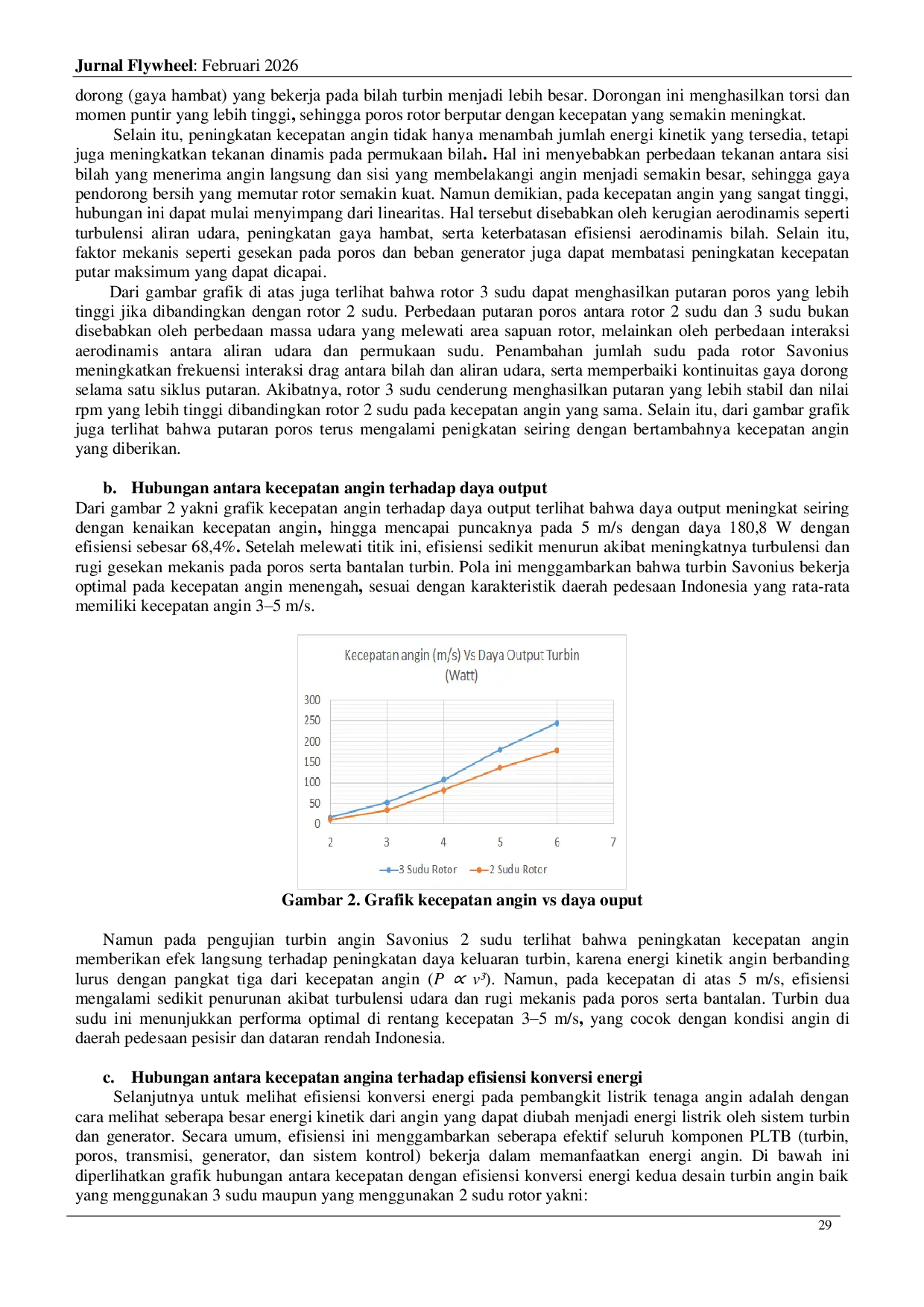
ITNITN Pada kecepatan di atas 5 m/s, efisiensi sedikit menurun karena peningkatan turbulensi dan kehilangan mekanis pada poros dan bantalan turbin. Turbin anginPada kecepatan di atas 5 m/s, efisiensi sedikit menurun karena peningkatan turbulensi dan kehilangan mekanis pada poros dan bantalan turbin. Turbin angin

ITNITN Penelitian ini mengidentifikasi bahwa seal aus, overpressure sistem hidrolik, dan kontaminasi oli merupakan penyebab dominan kegagalan suspensi silinder,Penelitian ini mengidentifikasi bahwa seal aus, overpressure sistem hidrolik, dan kontaminasi oli merupakan penyebab dominan kegagalan suspensi silinder,

HARAPANHARAPAN Data hasil penelitian menunjukkan adanya kejelasan dalam mengidentifikasi bentuk-bentuk tindak pidana lingkungan yang berdampak langsung pada sungai, sertaData hasil penelitian menunjukkan adanya kejelasan dalam mengidentifikasi bentuk-bentuk tindak pidana lingkungan yang berdampak langsung pada sungai, serta