JOURNAL IASSSFJOURNAL IASSSF
Bioculture JournalBioculture JournalBackground: Life is supported by the ecology and natural resources that exist on earth. Continents and oceans are the two main natural resources that host life and ecosystems around the world. 75% of the Earths surface is covered by ocean waters that are rich in marine life. Although the oceans are vast, this does not mean that they are limitless. Population growth and development have led to an increase in the demand for marine resources. Increased demand and over-utilization of marine resources have led to strong pressures that have led to a decline in marine ecosystem services. Karimunjawa is famous for the natural beauty of its underwater coral reefs. Methods: This study employs a qualitative approach using literature and secondary data to examine the impact of parrotfish populations on coral reef sustainability. Findings: Based on current conditions, excessive catching of parrotfish has a negative impact on the sustainability of coral reefs in Karimunjawa National Park. It is necessary for local communities to understand the importance of the role of parrot fish for the sustainability of marine ecosystems. Parrotfish spend 90% of their time eating algae attached to coral reefs. Damage to the coral reef ecosystem causes coastal erosion in Karimunjawa National Park. Therefore, the role of the community in managing parrotfish resources is very necessary so as not to threaten the population for the sustainability of the marine ecosystem. Conclusion: The results of this research illustrate the role of humans, namely the community and tourists who come to Karimunjawa to carry out activities to preserve damaged coral reefs and create new coral reef areas. Novelty/Originality of this article: There are also government policies that must be considered and implemented properly for the sustainability of coral reef ecosystems and the conservation of parrotfish in Karimunjawa.
The research highlights the crucial role of human involvement, specifically the community and tourists, in preserving damaged coral reefs and fostering new coral reef growth in Karimunjawa.Effective implementation of government policies is also essential for ensuring the long-term sustainability of coral reef ecosystems and the conservation of parrotfish populations.Ultimately, a collaborative approach involving local communities, tourists, and governmental bodies is necessary to protect this valuable marine environment.
Further research should investigate the socio-economic factors driving parrotfish consumption within the Karimunjawa community to identify alternative livelihood opportunities that reduce reliance on this resource. Additionally, studies are needed to assess the effectiveness of different coral reef restoration techniques, including assisted evolution approaches, in enhancing the resilience of Karimunjawas reefs to climate change and other stressors. Finally, a comprehensive assessment of the current marine protected area network in Karimunjawa is crucial to determine whether existing zoning regulations adequately protect parrotfish populations and promote ecosystem health, potentially leading to recommendations for improved spatial management strategies.
- (PDF) Aquatic Ecosystems-Marine Types. pdf aquatic ecosystems marine types presentation available october... doi.org/10.13140/RG.2.2.29494.09289PDF Aquatic Ecosystems Marine Types pdf aquatic ecosystems marine types presentation available october doi 10 13140 RG 2 2 29494 09289
- The unfulfilled potential of fisheries selectivity to promote sustainability - Vasilakopoulos - 2016... onlinelibrary.wiley.com/doi/10.1111/faf.12117The unfulfilled potential of fisheries selectivity to promote sustainability Vasilakopoulos 2016 onlinelibrary wiley doi 10 1111 faf 12117
- THE EFFECTS OF TIME, HABITAT, AND FISHERIES MANAGEMENT ON KENYAN CORALâREEFâASSOCIATED... doi.org/10.1890/1051-0761(2002)012[1484:TEOTHA]2.0.CO;2THE EFFECTS OF TIME HABITAT AND FISHERIES MANAGEMENT ON KENYAN CORALyAAAaREEFyAAAaASSOCIATED doi 10 1890 1051 0761 2002 012 1484 TEOTHA 2 0 CO 2
| File size | 725.34 KB |
| Pages | 15 |
| DMCA | Report |
Related /

IAESCOREIAESCORE Additionally, it optimized speed overshoot and undershoot by 44%, significantly enhancing system performance, responsiveness, and drive smoothness. ThisAdditionally, it optimized speed overshoot and undershoot by 44%, significantly enhancing system performance, responsiveness, and drive smoothness. This
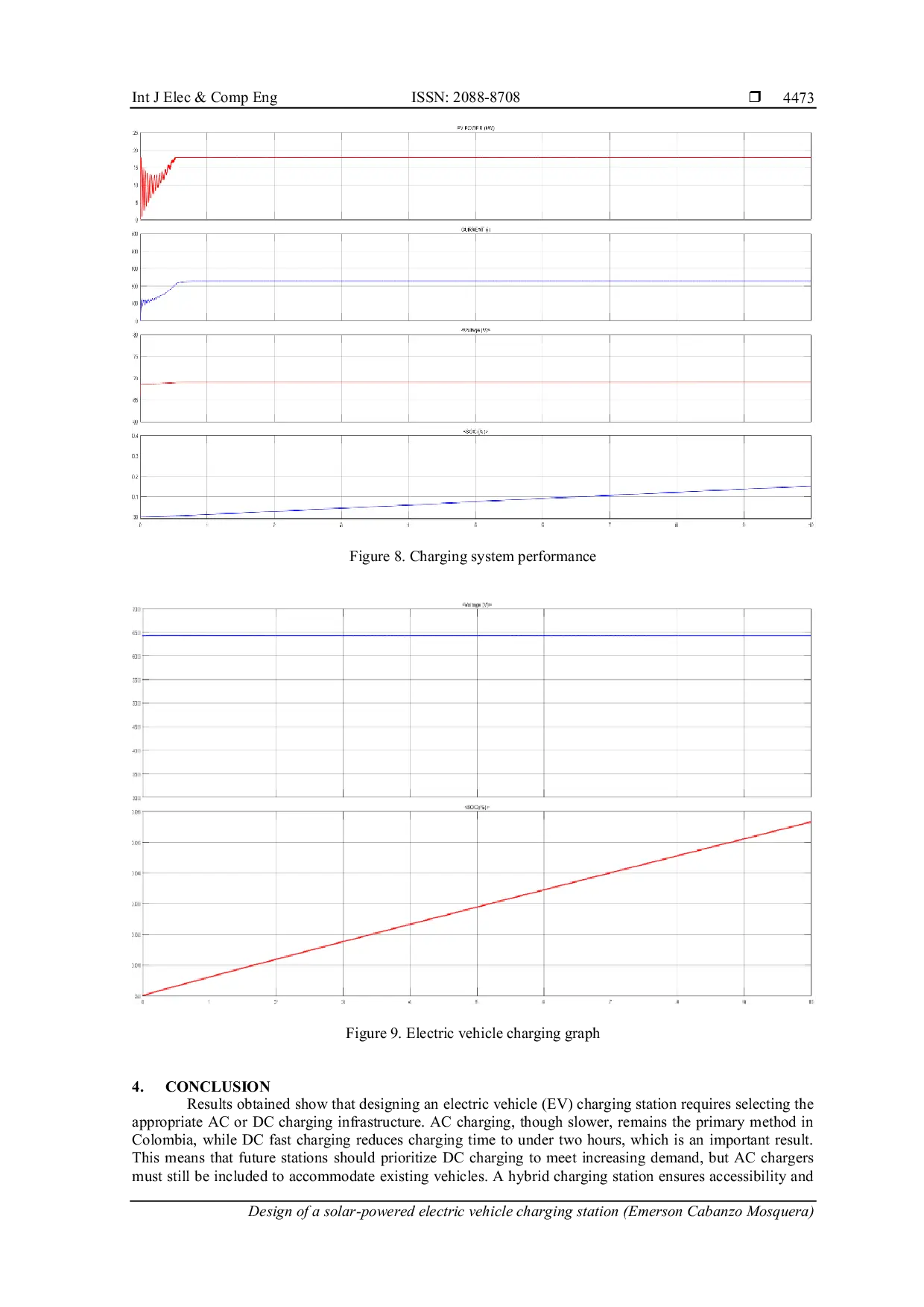
IAESCOREIAESCORE This means that future stations should prioritize DC charging to meet increasing demand, but AC chargers must still be included to accommodate existingThis means that future stations should prioritize DC charging to meet increasing demand, but AC chargers must still be included to accommodate existing
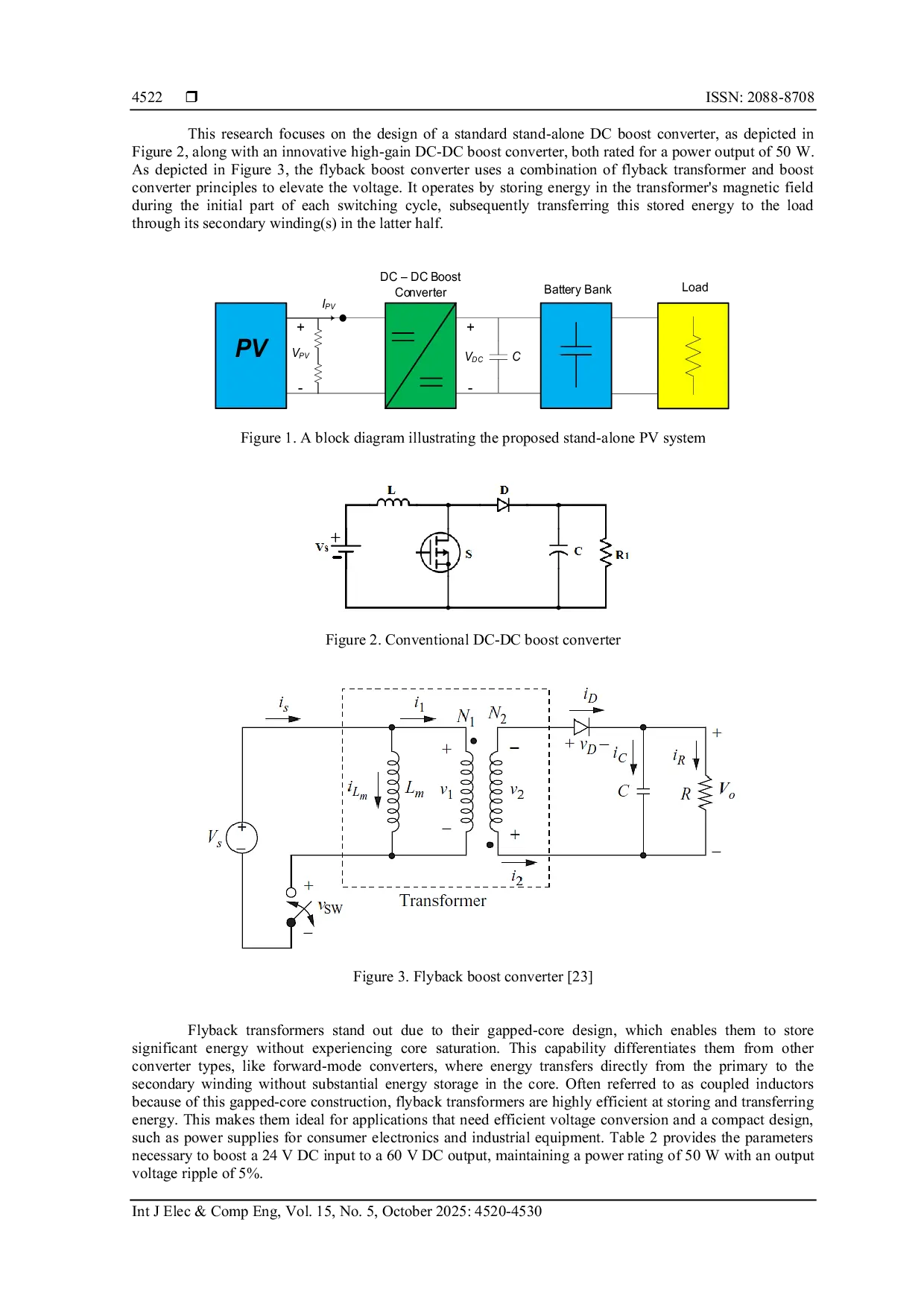
IAESCOREIAESCORE The proposed converters features, particularly its high step-up voltage gain, make it suitable for industrial and renewable energy applications. This researchThe proposed converters features, particularly its high step-up voltage gain, make it suitable for industrial and renewable energy applications. This research
SAINTISPUBSAINTISPUB Studi eksperimental dilakukan dengan memvariasikan tinggi cerobong pada saluran udara keluar pengering, kemudian mengamati kinerja pengeringan kulit kopiStudi eksperimental dilakukan dengan memvariasikan tinggi cerobong pada saluran udara keluar pengering, kemudian mengamati kinerja pengeringan kulit kopi

SAINTISPUBSAINTISPUB Ulasan pelanggan online (X2) memiliki koefisien regresi 0,337 dengan nilai t 3,656 dan signifikansi 0,000, yang juga menunjukkan pengaruh yang signifikanUlasan pelanggan online (X2) memiliki koefisien regresi 0,337 dengan nilai t 3,656 dan signifikansi 0,000, yang juga menunjukkan pengaruh yang signifikan

ITENASITENAS Data volume kendaraan dicatat selama periode tujuh hari, dari Senin hingga Minggu, dengan hari Selasa sebagai puncaknya dengan 8. 736 kendaraan, sementaraData volume kendaraan dicatat selama periode tujuh hari, dari Senin hingga Minggu, dengan hari Selasa sebagai puncaknya dengan 8. 736 kendaraan, sementara
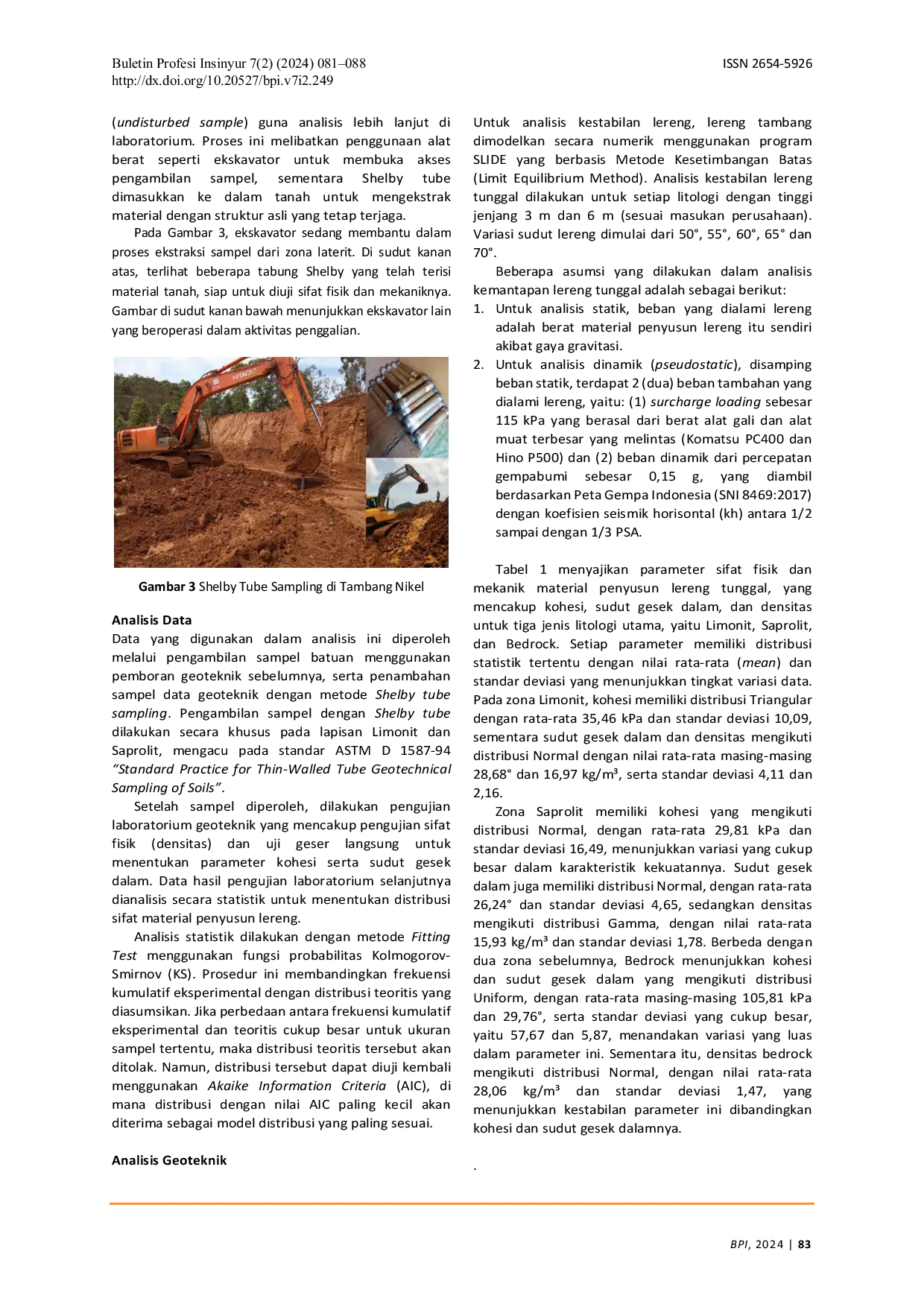
LMULMU serta litologi Bedrock dengan tinggi 3 m pada sudut 70° dan tinggi 6 m pada sudut 70°. Untuk penelitian lanjut, disarankan untuk melakukan analisis yangserta litologi Bedrock dengan tinggi 3 m pada sudut 70° dan tinggi 6 m pada sudut 70°. Untuk penelitian lanjut, disarankan untuk melakukan analisis yang
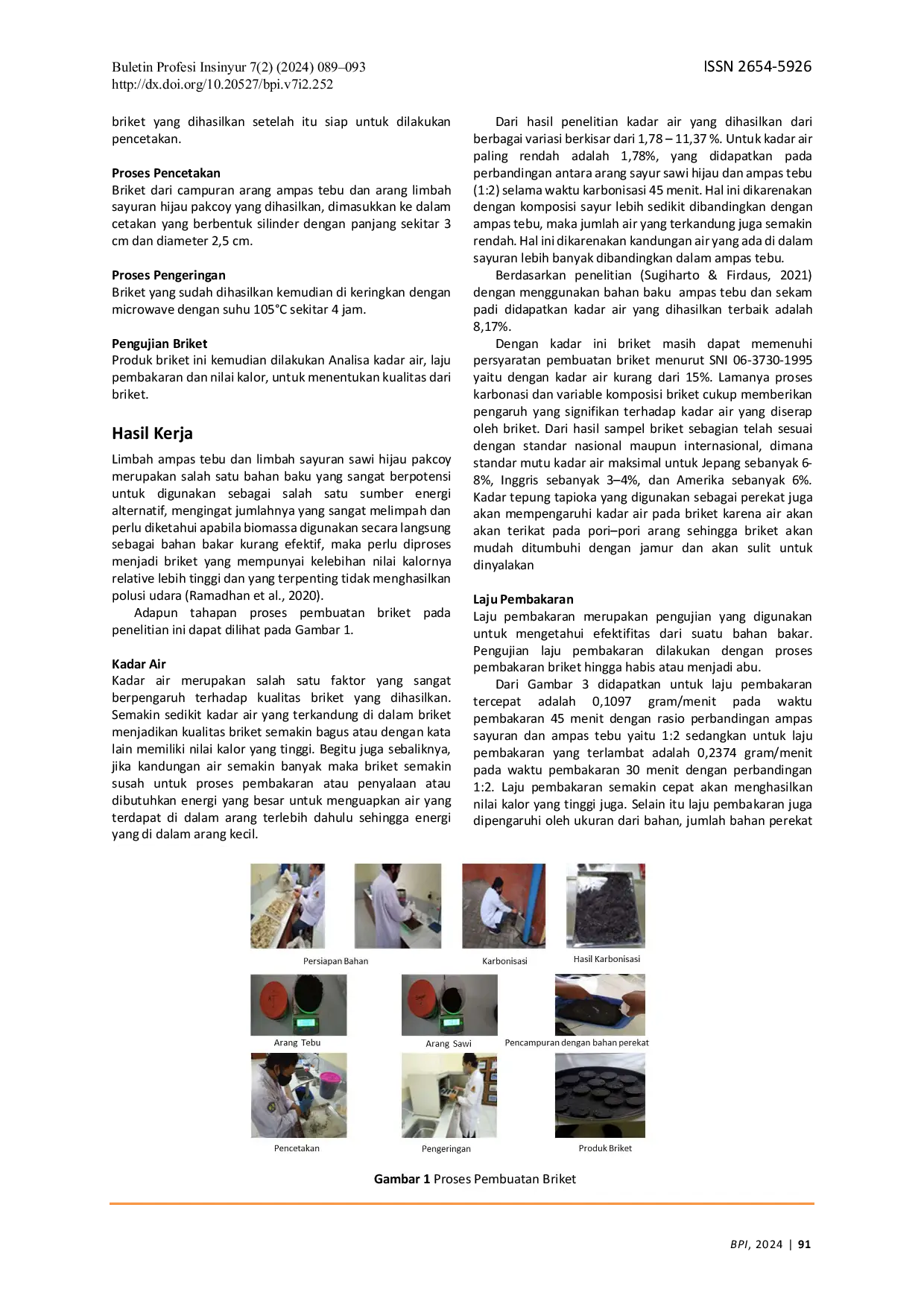
LMULMU Ampas tebu merupakan limbah industri gula yang belum dimanfaatkan secara optimal, sementara sawi pakcoy yang tidak terpakai memiliki hasil pasca panenAmpas tebu merupakan limbah industri gula yang belum dimanfaatkan secara optimal, sementara sawi pakcoy yang tidak terpakai memiliki hasil pasca panen
Useful /

GOODWOODPUBGOODWOODPUB Improving Quality of Work Life (QWL) and Organizational Citizenship Behavior (OCB) directly enhances employee performance and indirectly strengthens performanceImproving Quality of Work Life (QWL) and Organizational Citizenship Behavior (OCB) directly enhances employee performance and indirectly strengthens performance

GOODWOODPUBGOODWOODPUB This study aims to determine the effect of Safety Culture on Patient Safety, mediated by Work Training, among nurses in the Surgical Hospital CAP. TheThis study aims to determine the effect of Safety Culture on Patient Safety, mediated by Work Training, among nurses in the Surgical Hospital CAP. The

IAESCOREIAESCORE GWO memberikan biaya energi yang lebih rendah (LCOE 0,1065 USD/kWh) dan konvergensi lebih cepat, sementara PSO unggul dalam keandalan sistem dengan LPSPGWO memberikan biaya energi yang lebih rendah (LCOE 0,1065 USD/kWh) dan konvergensi lebih cepat, sementara PSO unggul dalam keandalan sistem dengan LPSP
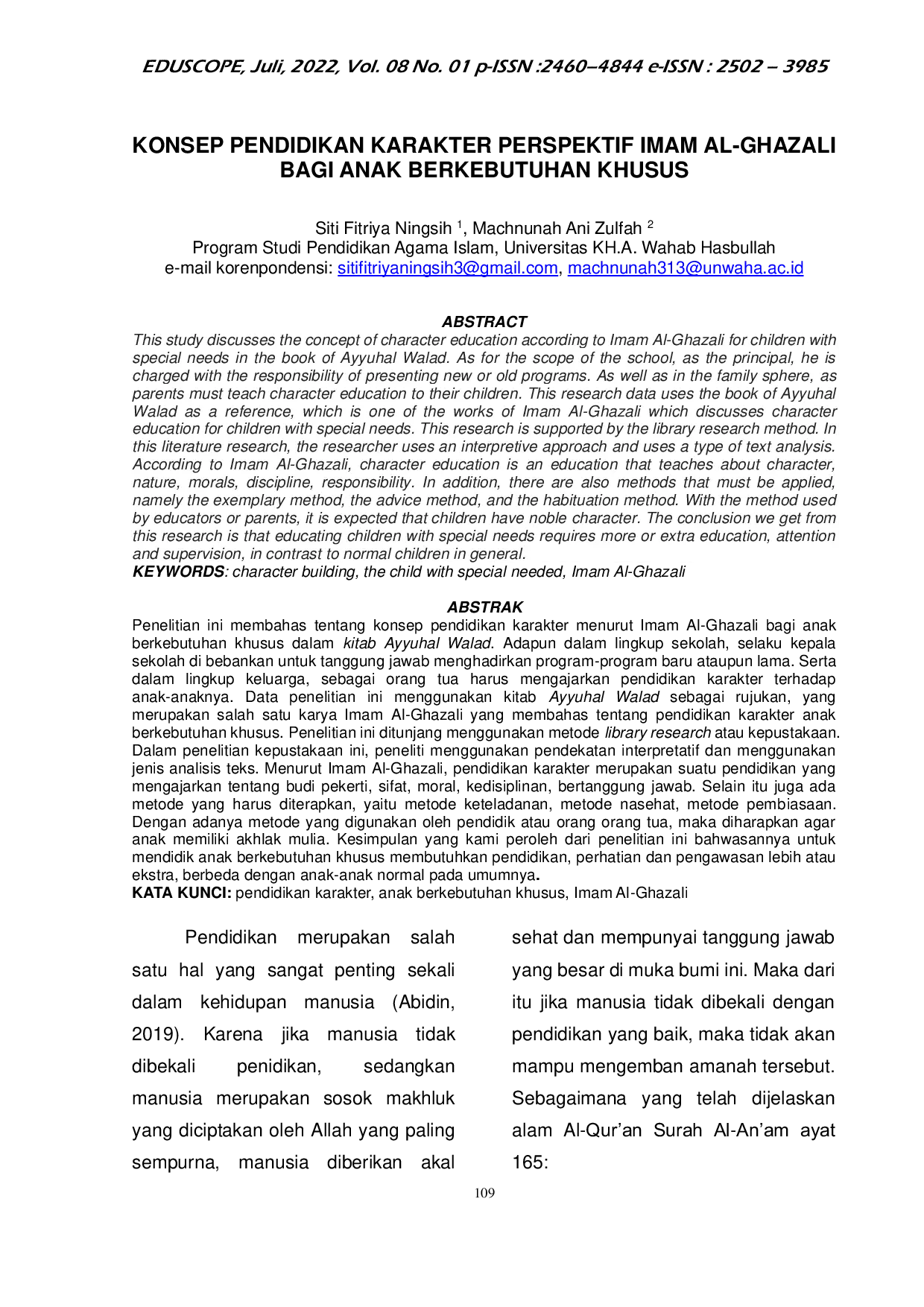
UNWAHAUNWAHA Dengan adanya metode yang digunakan oleh pendidik atau orang orang tua, maka diharapkan agar anak memiliki akhlak mulia. Kesimpulan yang kami peroleh dariDengan adanya metode yang digunakan oleh pendidik atau orang orang tua, maka diharapkan agar anak memiliki akhlak mulia. Kesimpulan yang kami peroleh dari