ITATSITATS
Journal of Applied Sciences, Management and Engineering TechnologyJournal of Applied Sciences, Management and Engineering TechnologySamarinda sarongs are one of Indonesias traditional fabrics that are famous for their beautiful motifs and textures. This fabric is made using traditional weaving techniques using non-machine looms (ATBMs), resulting in a unique and distinctive diversity of textures. The difference between the loom, namely the machine and the non-machine, resulting in a difference in the texture of the Samarinda sarong. This difference can be seen from the thread density, texture smoothness, and sharpness of the motif. On certain Samarinda sarong motifs that do not require special details. This study aims to develop a classification model of Samarinda sarong texture based on the loom (machine and non-machine) using the Deep Learning method. This model is expected to help increase the selling value of Samarinda sarongs, preserve and promote traditional fabrics. In this context, the choice between DenseNet121 and VGG16 can depend on user preferences or specific needs, such as computing speed or model size.
Kedua model mampu melakukan tugas klasifikasi tekstur kain dengan sangat baik.Tidak ada perbedaan signifikan dalam efektivitas keseluruhan dari kedua model ini, sehingga keduanya menjadi pilihan yang sangat baik untuk tugas ini.Namun, VGG16 sedikit lebih sederhana dalam arsitekturnya dibandingkan DenseNet121, yang mungkin membuatnya lebih cepat dalam pelatihan dan inferensi.Dalam konteks ini, pilihan antara DenseNet121 dan VGG16 mungkin bergantung pada preferensi pengguna atau kebutuhan spesifik.
Penelitian selanjutnya dapat berfokus pada pengembangan model yang lebih adaptif terhadap variasi motif dan kualitas kain sarung Samarinda, dengan mempertimbangkan penggunaan teknik segmentasi gambar untuk mengisolasi area motif yang relevan sebelum klasifikasi. Selain itu, eksplorasi metode pembelajaran transfer dari dataset kain tekstil lain yang serupa dapat meningkatkan akurasi dan generalisasi model. Terakhir, penelitian dapat menginvestigasi integrasi sensor optik atau mikroskop digital dengan kemampuan pemrosesan gambar real-time untuk menciptakan sistem deteksi otomatis yang dapat digunakan oleh pengrajin atau pedagang sarung Samarinda dalam proses produksi dan pemasaran.
- 0. pdf obj metadata endobj extgstate xobject procset text imageb imagec imagei mediabox contents group... doi.org/10.22266/ijies2022.1031.260 pdf obj metadata endobj extgstate xobject procset text imageb imagec imagei mediabox contents group doi 10 22266 ijies2022 1031 26
- Classification of Papuan Batik Motifs Using Deep Learning and Data Augmentation | IEEE Conference Publication... ieeexplore.ieee.org/document/10031320Classification of Papuan Batik Motifs Using Deep Learning and Data Augmentation IEEE Conference Publication ieeexplore ieee document 10031320
- The Implementation of Backpropagation Artificial Neural Network for Recognition of Batik Lampung Motive... doi.org/10.1088/1742-6596/1338/1/012062The Implementation of Backpropagation Artificial Neural Network for Recognition of Batik Lampung Motive doi 10 1088 1742 6596 1338 1 012062
- Browser Not SupportedBatik Pattern Identification using GLCM and Artificial Neural Network Backpropagation... ieeexplore.ieee.org/document/8780412Browser Not SupportedBatik Pattern Identification using GLCM and Artificial Neural Network Backpropagation ieeexplore ieee document 8780412
- - D9039118419: International Journal Of Recent Technology And Engineering (IJRTE). d9039118419 journal... ijrte.org/portfolio-item/D9039118419D9039118419 International Journal Of Recent Technology And Engineering IJRTE d9039118419 journal ijrte portfolio item D9039118419
| File size | 609.03 KB |
| Pages | 9 |
| DMCA | Report |
Related /

4141 Penelitian ini menyimpulkan bahwa Pelabuhan Perikanan Lambada memiliki fasilitas pokok, namun banyak yang dalam kondisi rusak seperti dermaga. TingkatPenelitian ini menyimpulkan bahwa Pelabuhan Perikanan Lambada memiliki fasilitas pokok, namun banyak yang dalam kondisi rusak seperti dermaga. Tingkat

PENERBITGOODWOODPENERBITGOODWOOD Purpose: To systematically review existing literature on how the utilization of information technology can enhance the global market competitiveness ofPurpose: To systematically review existing literature on how the utilization of information technology can enhance the global market competitiveness of
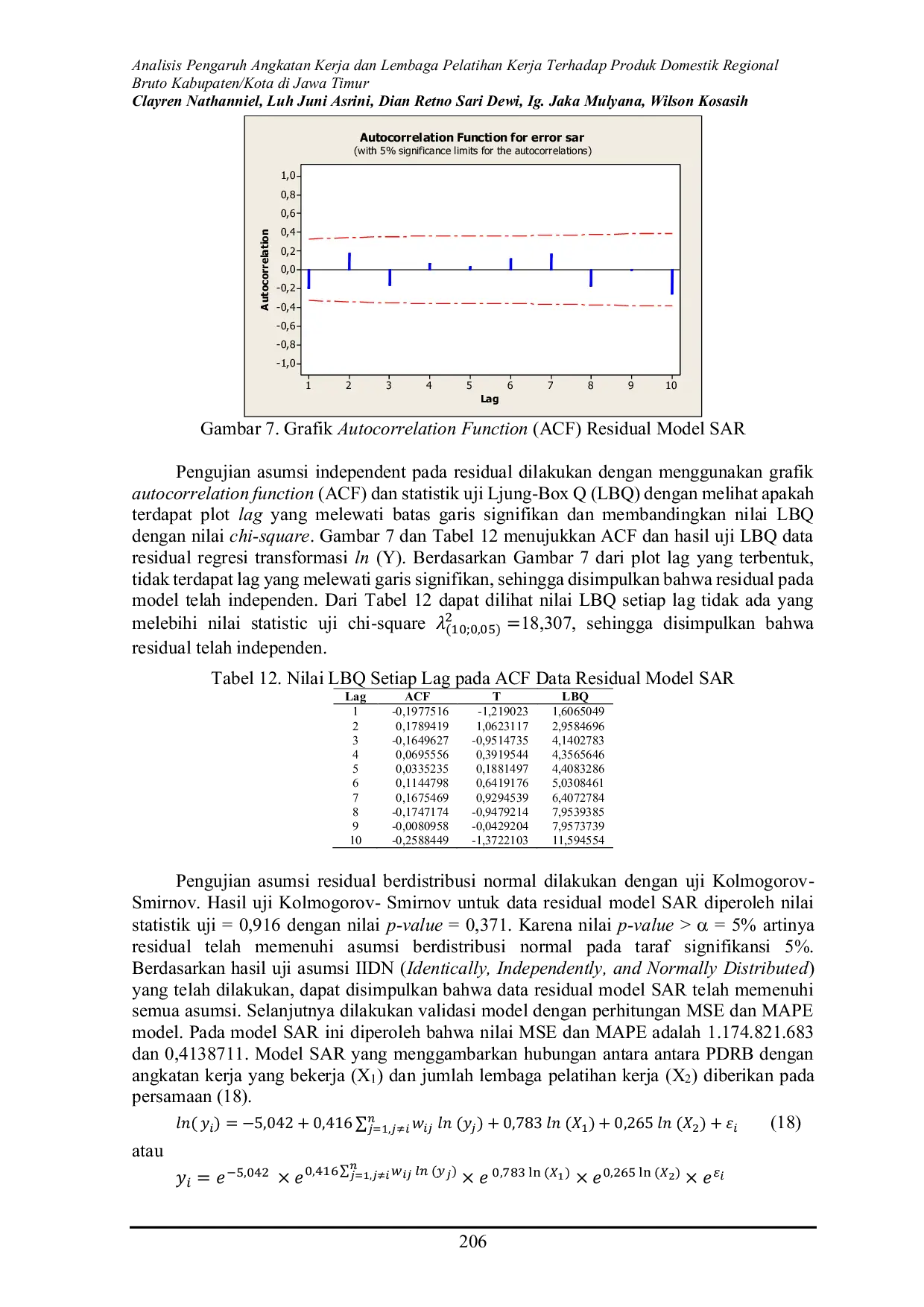
UNTARUNTAR Koefisien determinasi dan MAPE pada model OLS adalah 57,8% dan 1,888, sedangkan pada model regresi spasial adalah 68,72% dan 0,4139. Hasil tersebut menunjukkanKoefisien determinasi dan MAPE pada model OLS adalah 57,8% dan 1,888, sedangkan pada model regresi spasial adalah 68,72% dan 0,4139. Hasil tersebut menunjukkan

CEREDINDONESIACEREDINDONESIA However, substantively, it has not yet been fully effective in producing classifications grounded in risk assessment and rehabilitative needs. StrengtheningHowever, substantively, it has not yet been fully effective in producing classifications grounded in risk assessment and rehabilitative needs. Strengthening
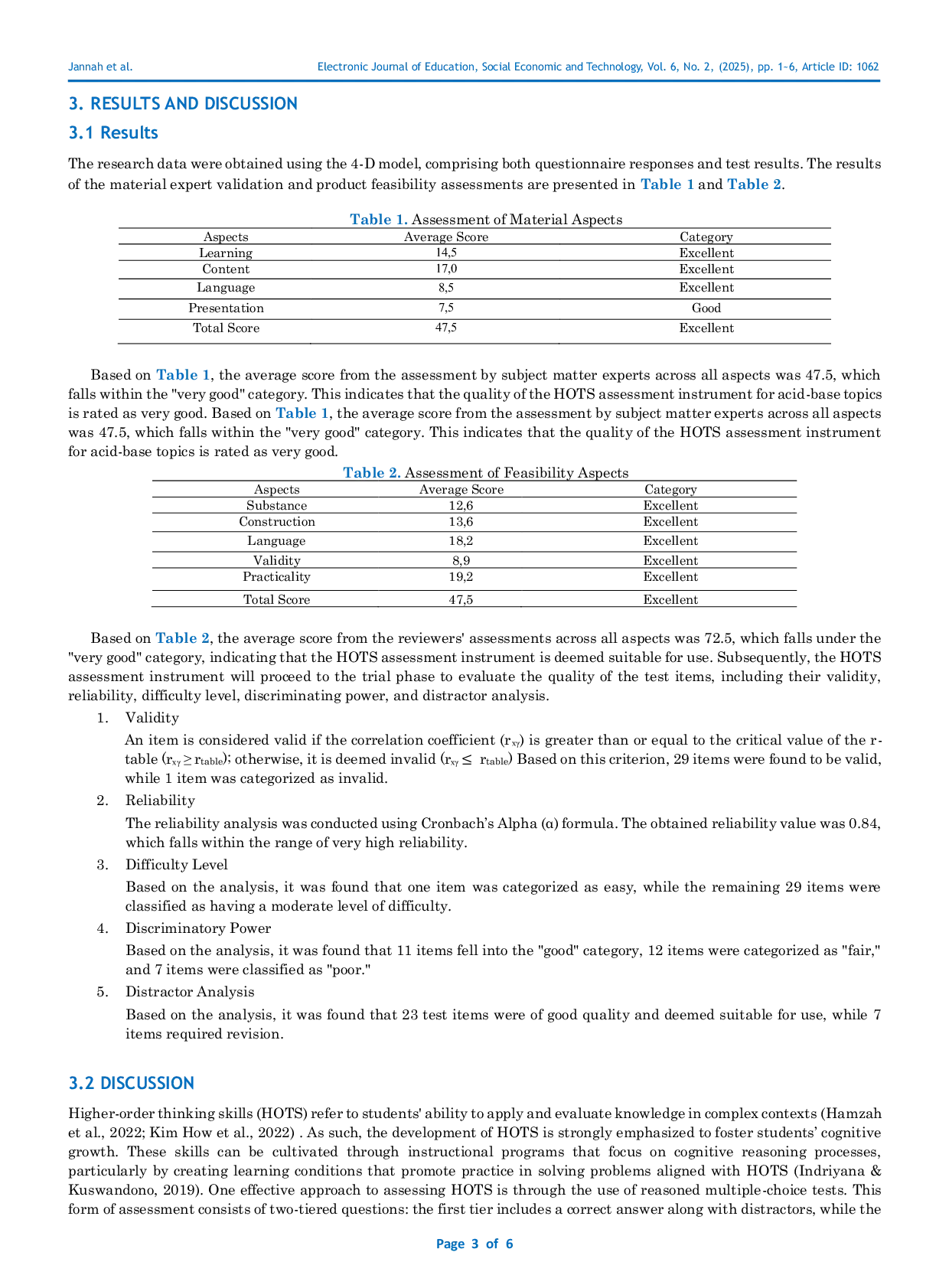
SAINTISPUBSAINTISPUB Produk awal divalidasi melalui penilaian pakar, dievaluasi kelayakannya oleh guru kimia, dan diujicobakan di lapangan. Penelitian melibatkan 200 siswaProduk awal divalidasi melalui penilaian pakar, dievaluasi kelayakannya oleh guru kimia, dan diujicobakan di lapangan. Penelitian melibatkan 200 siswa

SAINTISPUBSAINTISPUB Media RPG mampu menciptakan lingkungan pembelajaran yang lebih aktif, menarik, dan kontekstual, sehingga mendorong pemahaman konsep yang lebih mendalam.Media RPG mampu menciptakan lingkungan pembelajaran yang lebih aktif, menarik, dan kontekstual, sehingga mendorong pemahaman konsep yang lebih mendalam.

UBMUBM Pengumpulan data dilakukan menggunakan metode observasi, kuesioner, dan studi dokumentasi. Jumlah responden yang digunakan sebanyak (N)=30. PengolahanPengumpulan data dilakukan menggunakan metode observasi, kuesioner, dan studi dokumentasi. Jumlah responden yang digunakan sebanyak (N)=30. Pengolahan

UINMADURAUINMADURA Salah satu penunjang kegiatan E-Commerce adalah hadirnya berbagai aplikasi belanja online yang memberikan kemudahan pada konsumen dalam berbelanja online.Salah satu penunjang kegiatan E-Commerce adalah hadirnya berbagai aplikasi belanja online yang memberikan kemudahan pada konsumen dalam berbelanja online.
Useful /

STIAMISTIAMI Salah satu berita yang dipublikasikan adalah berita mengenai pelatihan UMKM. Penelitian ini bertujuan untuk mengetahui peran tvOne dalam publikasi kegiatanSalah satu berita yang dipublikasikan adalah berita mengenai pelatihan UMKM. Penelitian ini bertujuan untuk mengetahui peran tvOne dalam publikasi kegiatan

IFRELIFREL Wawasan kualitatif lebih lanjut mengungkapkan bahwa dukungan institusi, pengembangan profesional berkelanjutan, dan lingkungan belajar yang dikontekstualisasiWawasan kualitatif lebih lanjut mengungkapkan bahwa dukungan institusi, pengembangan profesional berkelanjutan, dan lingkungan belajar yang dikontekstualisasi

IFRELIFREL Penelitian ini memeriksa integrasi Kecerdasan Buatan (AI) dalam Pendidikan Agama Kristen (PAK), menggunakan empat prinsip Alkitabiah cinta, keadilan, kebenaran,Penelitian ini memeriksa integrasi Kecerdasan Buatan (AI) dalam Pendidikan Agama Kristen (PAK), menggunakan empat prinsip Alkitabiah cinta, keadilan, kebenaran,

IAIPD NGANJUKIAIPD NGANJUK Abu al-Ala al-Maududi diakui sebagai tokoh fundamentalis politik modern terkemuka, seorang jurnalis terampil, dan penulis produktif yang banyak mengulasAbu al-Ala al-Maududi diakui sebagai tokoh fundamentalis politik modern terkemuka, seorang jurnalis terampil, dan penulis produktif yang banyak mengulas