MANDALANURSAMANDALANURSA
Business ManagementBusiness ManagementPrescription waiting time is a key indicator of pharmacy service quality that directly affects patient satisfaction and overall perceptions of hospital performance. In public hospitals, particularly among BPJS patients who dominate outpatient visits, achieving efficient waiting times remains a challenge due to workforce limitations and operational constraints. This study aims to evaluate prescription waiting time for BPJS patients and analyze the influence of human resource management (HRM) and operational processes on service efficiency at the Outpatient Pharmacy of RSUD X, Sorong Regency. This research employed a mixed-method approach with a sequential explanatory design. The study population included all pharmacy personnel and BPJS outpatient prescriptions. The quantitative phase involved five pharmacy staff selected through total sampling and 336 BPJS prescriptions obtained from a population of 2,100 prescriptions using the Slovin formula (5% margin of error) and simple random sampling. The qualitative phase included six key informants purposively selected based on their strategic roles in drug logistics, prescription services, and pharmacy operations. The results showed that prescription waiting time exceeded the minimum service standards. HRM factors including workload-based staffing, performance evaluation, and compensation systems significantly influenced service speed. Operational factors such as drug availability, use of e-prescriptions, adherence to SOPs, and compliance with the hospital formulary also demonstrated significant effects. Simultaneously, both HRM and operational processes significantly affected waiting time, with HRM identified as the dominant factor. The study concludes that prescription waiting time for BPJS patients at the Outpatient Pharmacy of RSUD X Sorong Regency has not met the minimum service standards due to HRM and operational constraints.
The study concludes that the waiting time for BPJS patient prescription services at the Outpatient Pharmacy Depot of RSUD X, Sorong Regency, does not fully meet the Minimum Service Standards.Human resource management and pharmacy operational processes significantly influence these waiting times, with human resource management being the dominant factor.Therefore, improving the efficiency of outpatient pharmacy services requires a comprehensive approach that addresses both human resource management practices and operational processes.
Berdasarkan hasil penelitian ini, beberapa saran penelitian lanjutan dapat diajukan. Pertama, penelitian lebih lanjut dapat dilakukan untuk menguji efektivitas intervensi spesifik yang ditujukan untuk meningkatkan manajemen beban kerja staf farmasi, seperti penerapan sistem penjadwalan yang lebih fleksibel atau peningkatan jumlah staf selama jam sibuk. Kedua, studi komparatif dapat dilakukan dengan melibatkan beberapa rumah sakit di berbagai wilayah untuk mengidentifikasi praktik terbaik dalam manajemen waktu tunggu resep dan mengadaptasinya ke konteks RSUD X. Ketiga, penelitian kualitatif mendalam dapat dilakukan untuk memahami perspektif pasien BPJS mengenai pengalaman mereka dalam proses pelayanan resep, termasuk faktor-faktor yang berkontribusi terhadap kepuasan atau ketidakpuasan mereka, serta harapan mereka terhadap peningkatan layanan. Penelitian-penelitian ini diharapkan dapat memberikan wawasan yang lebih komprehensif dan berkontribusi pada pengembangan strategi yang lebih efektif untuk meningkatkan kualitas pelayanan farmasi dan kepuasan pasien di RSUD X dan rumah sakit lainnya di Indonesia.
| File size | 317.6 KB |
| Pages | 11 |
| DMCA | Report |
Related /

JIMF BIJIMF BI Perkembangan ini membutuhkan kita untuk dengan cermat merancang cara dan strategi kita tidak hanya untuk dapat menghadapi tantangan yang mereka bawa, tetapiPerkembangan ini membutuhkan kita untuk dengan cermat merancang cara dan strategi kita tidak hanya untuk dapat menghadapi tantangan yang mereka bawa, tetapi

SMARTPUBLISHERSMARTPUBLISHER Aspek profitabilitas menunjukkan perbaikan dengan ROA meningkat dari -5,09% (tidak sehat) pada tahun 2022 menjadi 0,11% (kurang sehat) pada tahun 2024,Aspek profitabilitas menunjukkan perbaikan dengan ROA meningkat dari -5,09% (tidak sehat) pada tahun 2022 menjadi 0,11% (kurang sehat) pada tahun 2024,

JIMF BIJIMF BI Dengan melakukan survei menggunakan metode purposive sampling, data yang diperlukan untuk analisis diperoleh dari 405 responden. Menggunakan regresi logistik,Dengan melakukan survei menggunakan metode purposive sampling, data yang diperlukan untuk analisis diperoleh dari 405 responden. Menggunakan regresi logistik,

JIMF BIJIMF BI Penelitian ini menyelidiki hubungan antara inklusi keuangan digital (DFI), literasi keuangan, dan stabilitas bank konvensional dan Islam di 15 negara dariPenelitian ini menyelidiki hubungan antara inklusi keuangan digital (DFI), literasi keuangan, dan stabilitas bank konvensional dan Islam di 15 negara dari

JIMF BIJIMF BI Penelitian ini juga mencatat bahwa indeks SSB memoderasi efek dari atribut BOD terhadap REM pada bank-bank Islam. Temuan ini memiliki implikasi pentingPenelitian ini juga mencatat bahwa indeks SSB memoderasi efek dari atribut BOD terhadap REM pada bank-bank Islam. Temuan ini memiliki implikasi penting

JIMF BIJIMF BI Menggunakan data harian dari indeks saham syariah Islam, yaitu indeks LOTUS Islam Nigeria dan indeks syariah FTSE dari empat negara tersebut, dari 14 JuliMenggunakan data harian dari indeks saham syariah Islam, yaitu indeks LOTUS Islam Nigeria dan indeks syariah FTSE dari empat negara tersebut, dari 14 Juli
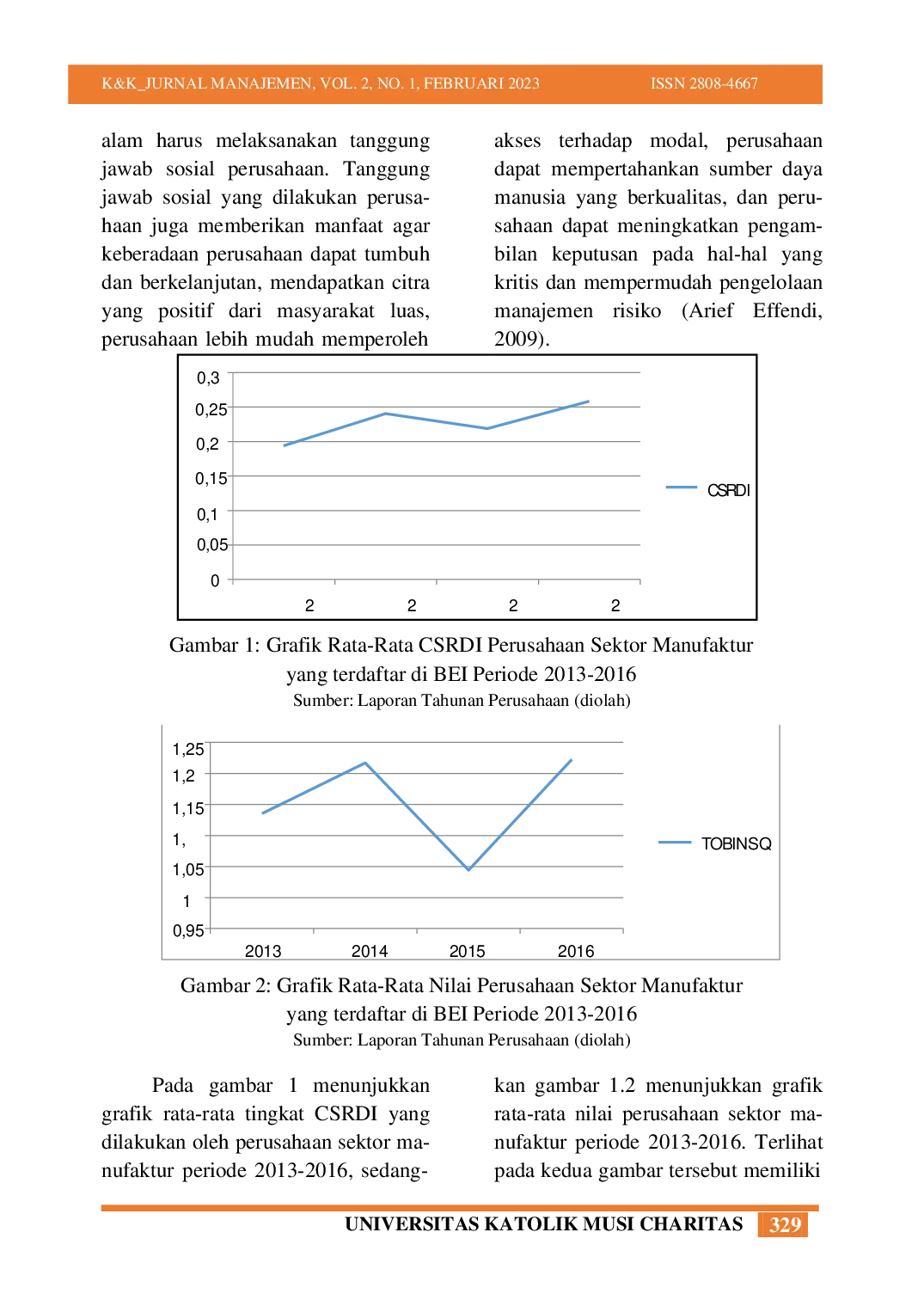
UKMCUKMC Penelitian ini bertujuan untuk mengetahui pengaruh Corporate Social Responsibility terhadap nilai perusahaan dengan strategi diversifikasi usaha dan kepemilikanPenelitian ini bertujuan untuk mengetahui pengaruh Corporate Social Responsibility terhadap nilai perusahaan dengan strategi diversifikasi usaha dan kepemilikan

UNIBIUNIBI Hasil penelitian ini konsisten dengan penelitian Bukit dan Iskandar (2009) bahwa perusahaan dengan arus kas bebas yang tinggi juga cenderung melakukanHasil penelitian ini konsisten dengan penelitian Bukit dan Iskandar (2009) bahwa perusahaan dengan arus kas bebas yang tinggi juga cenderung melakukan
Useful /

MANDALANURSAMANDALANURSA Metode penelitian yang digunakan adalah kuantitatif dengan pendekatan asosiatif yang bertujuan untuk menentukan hubungan antara dua atau lebih variabel.Metode penelitian yang digunakan adalah kuantitatif dengan pendekatan asosiatif yang bertujuan untuk menentukan hubungan antara dua atau lebih variabel.

AFEKSIAFEKSI Berdasarkan hasil pemilihan model, model yang dipilih adalah FEM. Hasil analisis menunjukkan bahwa Tingkat Pendidikan berpengaruh negatif signifikan terhadapBerdasarkan hasil pemilihan model, model yang dipilih adalah FEM. Hasil analisis menunjukkan bahwa Tingkat Pendidikan berpengaruh negatif signifikan terhadap

AFEKSIAFEKSI Penelitian ini menggunakan pendekatan kuantitatif dengan sampel nasabah Bank Syariah Indonesia KC Salatiga sebanyak 100 responden. Data diolah menggunakanPenelitian ini menggunakan pendekatan kuantitatif dengan sampel nasabah Bank Syariah Indonesia KC Salatiga sebanyak 100 responden. Data diolah menggunakan

SMARTPUBLISHERSMARTPUBLISHER Analisis data menggunakan regresi linear berganda dengan bantuan SPSS. Hasil penelitian menunjukkan bahwa citra merek, kualitas produk, dan harga berpengaruhAnalisis data menggunakan regresi linear berganda dengan bantuan SPSS. Hasil penelitian menunjukkan bahwa citra merek, kualitas produk, dan harga berpengaruh