BALAIPUBLIKASIBALAIPUBLIKASI
EDUCA: Jurnal Pendidikan IndonesiaEDUCA: Jurnal Pendidikan IndonesiaThis study aims to examine the role of instructional media in improving the quality of Arabic language learning, as well as to provide a classification of media types suitable for the linguistic aspects being taught. Another objective of this study is to demonstrate how media can be effectively used by teachers to create an engaging and enjoyable learning environment. The research employs a qualitative method with a library research approach, in which data is collected through a review of various literature sources such as books, journals, and scientific articles relevant to the topic of Arabic language learning and instructional media. Data analysis is conducted using a descriptive-qualitative approach by interpreting and drawing conclusions from the reviewed references. The findings indicate that the appropriate and innovative use of instructional media can enhance students learning motivation, strengthen their understanding of the material, and facilitate the creation of active and communicative learning. Media such as audio-visual aids, images, educational games, and digital technologies have proven effective in teaching language aspects such as vocabulary, grammar, listening, speaking, reading, and writing skills. Therefore, Arabic language teachers are encouraged to be more creative and selective in choosing and developing instructional media that align with the learning objectives and the characteristics of their students.
The study concludes that the use of varied and engaging instructional media is crucial for improving Arabic language learning in Indonesia.Despite challenges in student motivation and conventional teaching methods, instructional media plays a strategic role in enhancing effectiveness, engagement, and understanding of lesson material.Teachers are encouraged to creatively and contextually select appropriate media to foster a more lively, meaningful, and relevant learning experience for students.
Further research should investigate the effectiveness of specific digital tools and platforms in enhancing Arabic language skills, particularly focusing on interactive applications and gamified learning environments. Additionally, studies could explore the impact of culturally relevant instructional materials on student engagement and motivation, adapting content to reflect the diverse backgrounds of learners. Finally, research is needed to develop and evaluate training programs for Arabic language teachers, equipping them with the skills and knowledge to effectively integrate innovative instructional media into their teaching practices, ultimately improving the quality of Arabic language education and fostering a more enjoyable and successful learning experience for students.
| File size | 189.13 KB |
| Pages | 6 |
| DMCA | Report |
Related /

CAHAYA ICCAHAYA IC Hasil penelitian menunjukkan bahwa literasi kesehatan ibu secara signifikan mempengaruhi pemanfaatan pemantauan digital (β = 0,54, p < 0,001) dan perilakuHasil penelitian menunjukkan bahwa literasi kesehatan ibu secara signifikan mempengaruhi pemanfaatan pemantauan digital (β = 0,54, p < 0,001) dan perilaku
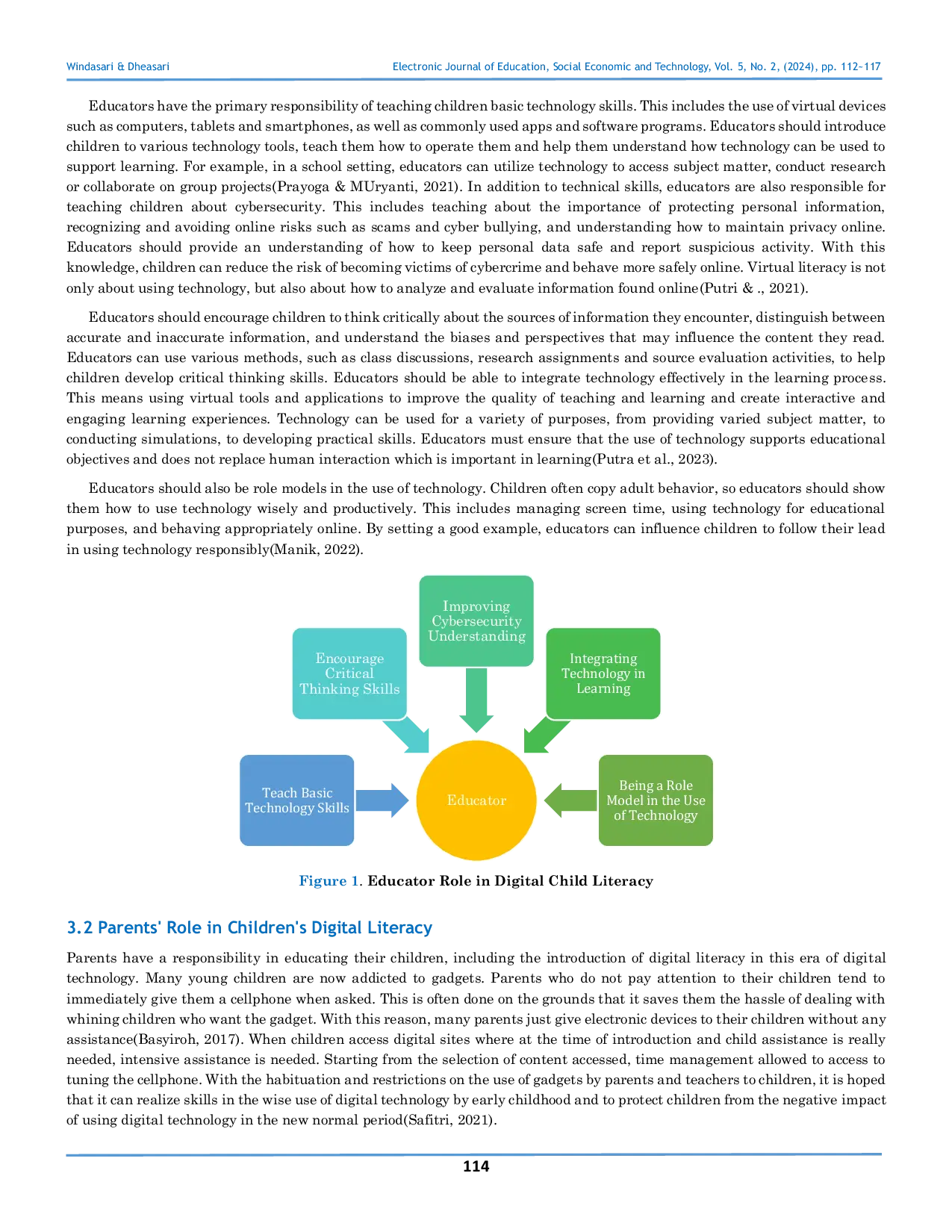
SAINTISPUBSAINTISPUB Metode penelitian yang digunakan adalah studi literatur dari berbagai jurnal dan referensi terkait literasi digital. Hasil penelitian menunjukkan bahwaMetode penelitian yang digunakan adalah studi literatur dari berbagai jurnal dan referensi terkait literasi digital. Hasil penelitian menunjukkan bahwa
SAINTISPUBSAINTISPUB Guru dengan kompetensi kepribadian yang baik mampu menciptakan lingkungan yang mendukung proses pembelajaran dan pengajaran yang efektif serta membentukGuru dengan kompetensi kepribadian yang baik mampu menciptakan lingkungan yang mendukung proses pembelajaran dan pengajaran yang efektif serta membentuk

UINSIUINSI Hasil ini menegaskan pentingnya merancang pembelajaran PAUD yang mengintegrasikan aktivitas fisik dan permainan konstruktif secara terencana untuk mendukungHasil ini menegaskan pentingnya merancang pembelajaran PAUD yang mengintegrasikan aktivitas fisik dan permainan konstruktif secara terencana untuk mendukung

JIS INSTITUTEJIS INSTITUTE Menggunakan metode kuantitatif komparatif, data dikumpulkan melalui observasi dan wawancara dengan pelatih serta manajemen akademi. Penelitian ini membandingkanMenggunakan metode kuantitatif komparatif, data dikumpulkan melalui observasi dan wawancara dengan pelatih serta manajemen akademi. Penelitian ini membandingkan

STAITHAWALIBSTAITHAWALIB Keterampilan literasi digital anak usia dini dapat diamati dalam dua kategori, yaitu penggunaan gadget berbentuk TV sekolah dan smartphone. Kemampuan anakKeterampilan literasi digital anak usia dini dapat diamati dalam dua kategori, yaitu penggunaan gadget berbentuk TV sekolah dan smartphone. Kemampuan anak

UINSIUINSI Penelitian ini bertujuan untuk memberikan gambaran tentang penggunaan gadget pada anak usia 5-6 tahun dan bentuk pengawasan orang tua terhadap penggunaanPenelitian ini bertujuan untuk memberikan gambaran tentang penggunaan gadget pada anak usia 5-6 tahun dan bentuk pengawasan orang tua terhadap penggunaan
UINSIUINSI Penerapan nilai-nilai ini dilakukan melalui pembiasaan dan keteladanan oleh guru, serta penggunaan berbagai media pembelajaran yang menarik. Dengan demikian,Penerapan nilai-nilai ini dilakukan melalui pembiasaan dan keteladanan oleh guru, serta penggunaan berbagai media pembelajaran yang menarik. Dengan demikian,
Useful /
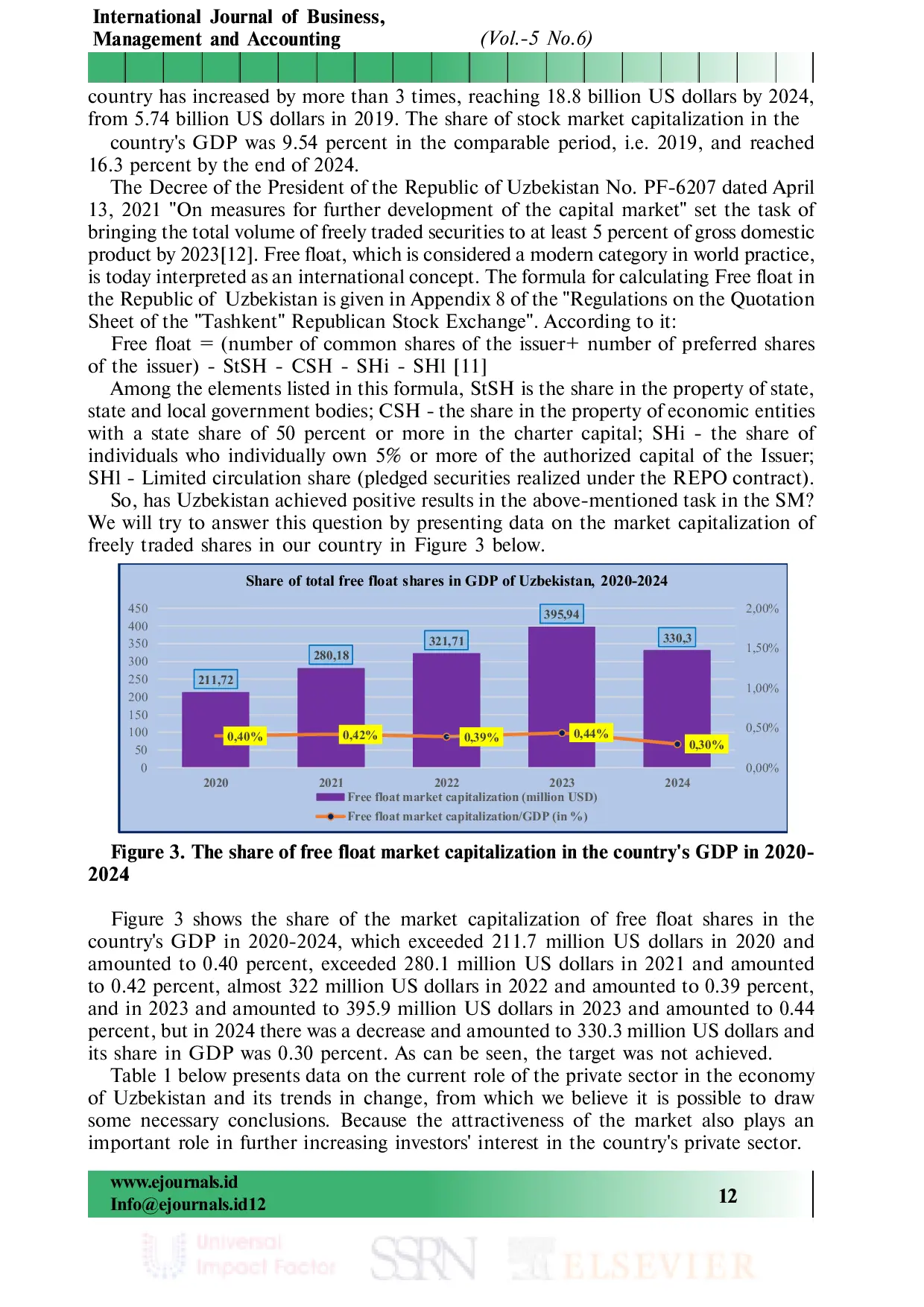
EJOURNALSEJOURNALS It is advisable to put into practice the following recommendations related to further increasing the flow of investments through the further developmentIt is advisable to put into practice the following recommendations related to further increasing the flow of investments through the further development

JIS INSTITUTEJIS INSTITUTE There is a significant influence of leadership, workload, and work stress on the performance of employees of the Secretariat of the Voting Committee ofThere is a significant influence of leadership, workload, and work stress on the performance of employees of the Secretariat of the Voting Committee of

STAITHAWALIBSTAITHAWALIB The results show that the “Senam Sehat Anak Indonesia activity trains the ability to lift hands and feet, move the head flexibly, and stretch the body.The results show that the “Senam Sehat Anak Indonesia activity trains the ability to lift hands and feet, move the head flexibly, and stretch the body.

FIKES UMWFIKES UMW Upaya yang dilakukan untuk mencegah hipertensi adalah dengan melakukan penelitian tentang intensitas kebisingan, lama paparan, pengetahuan, dan lama kerja.Upaya yang dilakukan untuk mencegah hipertensi adalah dengan melakukan penelitian tentang intensitas kebisingan, lama paparan, pengetahuan, dan lama kerja.