UMBJMUMBJM
JNHS (Journal of Nursing and Health Sciences)JNHS (Journal of Nursing and Health Sciences)The enactment of Law Number 17 of 2023 concerning Health (Omnibus Law) marks a fundamental transformation in health law governance in Indonesia, especially in reconstructing the legal relationship between medical personnel and patients. This study aims to comprehensively analyze the legal construction of patient safety obligations in the framework of therapeutic relationships after the enactment of the new regulation. The main focus of the research includes the paradigm shift from sectoral legal regimes towards legal unification, the redefinition of professional standards and service standards as a benchmark for negligence, as well as the juridical implications of the prioritization of restorative justice in the resolution of medical disputes. The research method used is normative juridical with a statutory approach, a conceptual approach, and a comparative analysis of previously applicable legal norms. The results of the study show that Law Number 17 of 2023 emphasizes the character of the doctor-patient relationship as an engagement of effort (inspanningsverbintenis), but tightens the parameters of accountability through the codification of patient safety obligations that are integrated with the standards of operational procedures that are set centrally. The law also introduces a more stringent vicarious liability mechanism for hospital corporations and changes the dispute resolution landscape from an adversarial litigation approach to a humane restorative approach, while retaining the threat of criminal prosecution as the ultimate remedy for gross negligence. These findings indicate the need for significant adaptations in clinical and managerial governance of healthcare facilities to meet new legal compliance standards to ensure legal certainty for healthcare workers and essential protection for patients.
The study concludes that Law Number 17 of 2023 has successfully reconstructed patient safety obligations, integrating them into a standardized legal framework.This law establishes a hybrid protection system, strengthening patient rights through corporate liability and emphasizing restorative justice as the primary means of dispute resolution.Despite prioritizing restorative justice, the law maintains criminal penalties for severe negligence, ensuring a balance between patient protection and accountability for healthcare professionals.
Further research should investigate the practical implementation of the restorative justice mechanisms introduced by Law Number 17 of 2023, particularly focusing on the potential for imbalances of power between patients and healthcare providers during mediation. Additionally, a comparative study examining the effectiveness of centralized standard-setting in healthcare, contrasting it with the previous system of professional autonomy, is warranted. Finally, research is needed to explore the impact of the new vicarious liability rules on hospital risk management practices and insurance coverage, assessing whether these changes adequately protect both patients and healthcare institutions. These studies should aim to provide evidence-based recommendations for refining the legal framework and ensuring its effective application in safeguarding patient rights and promoting a just and equitable healthcare system.
| File size | 142.59 KB |
| Pages | 7 |
| DMCA | Report |
Related /
GOLDENRATIOGOLDENRATIO This study concludes that the implementation of the 4P marketing mix strategy – product, price, promotion, and distribution – is crucial for maintainingThis study concludes that the implementation of the 4P marketing mix strategy – product, price, promotion, and distribution – is crucial for maintaining
LPPPIPUBLISHINGLPPPIPUBLISHING Hasil penelitian ini menggarisbawahi pentingnya integrasi keberlanjutan lingkungan dalam strategi pemasaran untuk mencapai keunggulan kompetitif dan memenuhiHasil penelitian ini menggarisbawahi pentingnya integrasi keberlanjutan lingkungan dalam strategi pemasaran untuk mencapai keunggulan kompetitif dan memenuhi
IAINSORONGIAINSORONG Islamic legal products such as the Compilation of Islamic Law (KHI) and MUI fatwas have been recognized, but their application remains influenced by theIslamic legal products such as the Compilation of Islamic Law (KHI) and MUI fatwas have been recognized, but their application remains influenced by the
4141 His thinking emphasizes a balance between spiritual and material aspects, social justice, and moral responsibility in the distribution of wealth. The conceptHis thinking emphasizes a balance between spiritual and material aspects, social justice, and moral responsibility in the distribution of wealth. The concept

DINASTIRESDINASTIRES The research method used in this discussion is a qualitative research method. The approach used by the author in discussing this research is an empiricalThe research method used in this discussion is a qualitative research method. The approach used by the author in discussing this research is an empirical
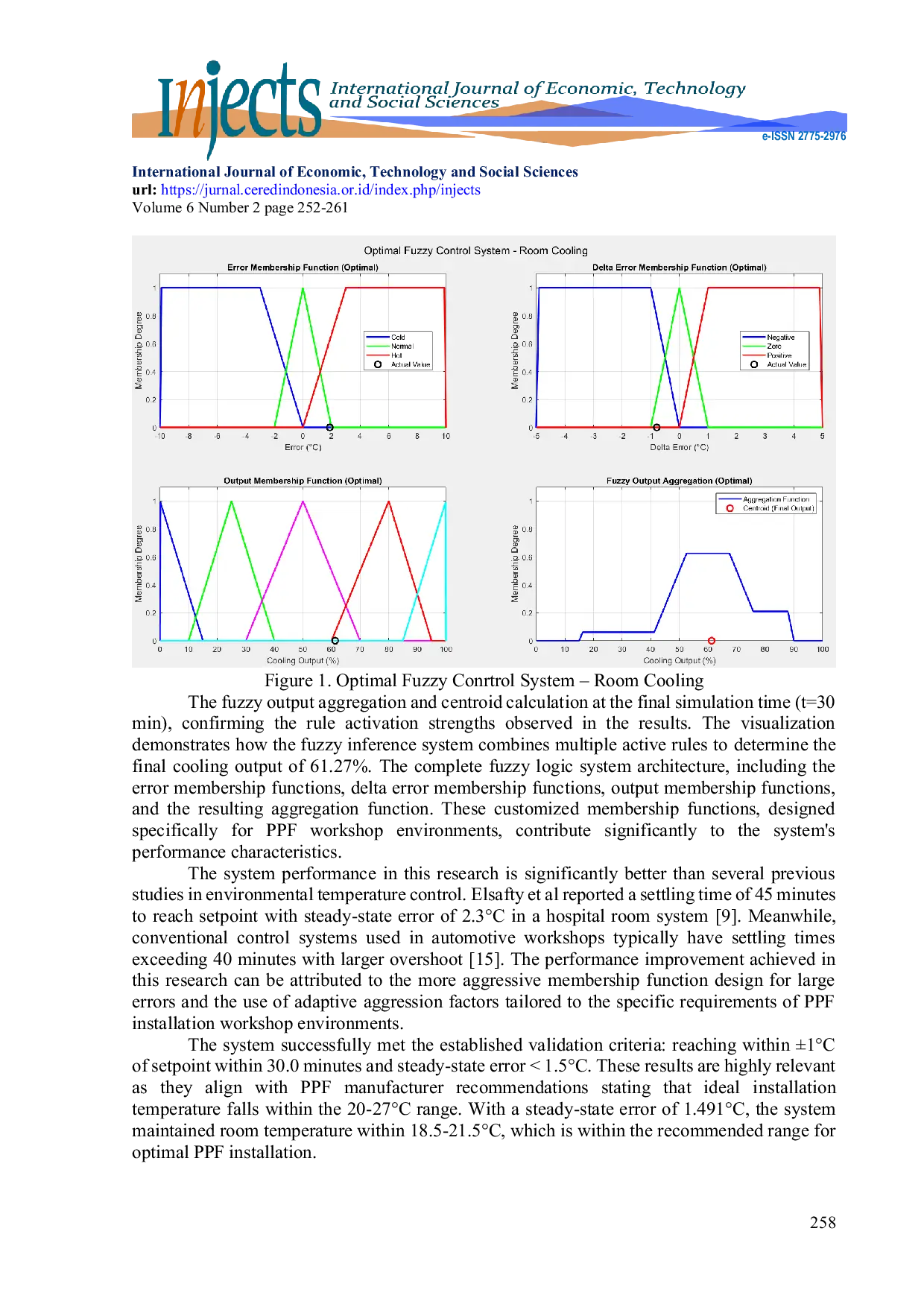
CEREDINDONESIACEREDINDONESIA 0 minutes, meeting validation criteria with steady-state error < 1. 5°C. The system maintained temperature within the manufacturer-recommended range for0 minutes, meeting validation criteria with steady-state error < 1. 5°C. The system maintained temperature within the manufacturer-recommended range for
JURNALALKHAIRATJURNALALKHAIRAT The research confirms that implementing the *sambung ayat* method at MAS Plus Al-Ulum Medan significantly enhances students Quran memorization abilities.The research confirms that implementing the *sambung ayat* method at MAS Plus Al-Ulum Medan significantly enhances students Quran memorization abilities.
UNISSULAUNISSULA It has been written in Law No. 6 of 2014 concerning Villages and one of the regulations regarding village financial resources that oversight needs to beIt has been written in Law No. 6 of 2014 concerning Villages and one of the regulations regarding village financial resources that oversight needs to be
Useful /
UMBJMUMBJM Kegiatan semacam ini direkomendasikan untuk direplikasi di sekolah lain guna mempersiapkan generasi muda yang melek teknologi. Workshop pemodelan jembatanKegiatan semacam ini direkomendasikan untuk direplikasi di sekolah lain guna mempersiapkan generasi muda yang melek teknologi. Workshop pemodelan jembatan
UMBJMUMBJM Kemampuan perangkat desa dalam mengoperasikan aplikasi semakin meningkat, membuktikan efektivitas pelatihan yang diberikan. Digitalisasi data melalui aplikasiKemampuan perangkat desa dalam mengoperasikan aplikasi semakin meningkat, membuktikan efektivitas pelatihan yang diberikan. Digitalisasi data melalui aplikasi
AISYAHUNIVERSITYAISYAHUNIVERSITY Peningkatan integritas kulit/jaringan ditunjukan dengan warna dasar luka yang mengalami nekrotik ataupun slough sudah hilang dan berubah menjadi merahPeningkatan integritas kulit/jaringan ditunjukan dengan warna dasar luka yang mengalami nekrotik ataupun slough sudah hilang dan berubah menjadi merah
AISYAHUNIVERSITYAISYAHUNIVERSITY Tujuan penelitian ini untuk melakukan penerapan pemberian sinar inframerah pada asuhan keperawatan luka kaki diabetes. Metode Desain penelitian ini adalahTujuan penelitian ini untuk melakukan penerapan pemberian sinar inframerah pada asuhan keperawatan luka kaki diabetes. Metode Desain penelitian ini adalah