4141
Jurnal Perikanan TerpaduJurnal Perikanan TerpaduSeafood shell waste from restaurants is often discarded or used as animal feed, despite its considerable untapped economic potential. One promising high-value utilization is processing this waste into chitosan, a biopolymer widely demanded in the pharmaceutical, cosmetic, and agricultural industries. This study aims to assess the financial potential of producing chitosan from seafood shell waste in small businesses. We gathered 500 grams of shell waste from multiple seafood restaurants in Pekanbaru over the course of seven days. The waste was NaOH solution stirred for 90 minutes at 70°C. The resulting Vannamei shrimp chitosan was a white powder with 2.8% moisture content and solubility in acetic acid. Meanwhile, the chitosan derived from mangrove crab shells appeared as an off-white powder with 4.34% moisture content, also soluble in acetic acid. We conducted an economic analysis by calculating the total production cost and comparing it to the market prices of chitosan on various e-commerce platforms. The results indicate that the chitosan produced has a significantly higher market value than its production cost. These findings indicate that seafood shell waste is not merely an environmental issue but also a promising economic opportunity for MSMEs. Waste-to-chitosan conversion presents an innovative strategy to promote circular economy principles and empower small-scale enterprises.
Penelitian ini menunjukkan potensi produksi kitosan dari cangkang kepiting bakau sebesar 93,48 kg dan kulit udang vaname sebesar 6,3 kg per bulan.Biaya produksi kitosan bervariasi, dengan biaya terendah pada kombinasi kulit udang dan cangkang kepiting (Rp77.904/kg), dan tertinggi pada kulit udang (Rp606.Hasil ini mengindikasikan bahwa pemanfaatan limbah crustacea menjadi produk kitosan komersial memiliki potensi ekonomi yang menjanjikan bagi UMKM.
Berdasarkan hasil penelitian ini, beberapa saran penelitian lanjutan dapat diajukan. Pertama, perlu dilakukan studi lebih mendalam mengenai optimasi proses ekstraksi kitosan dari berbagai jenis limbah crustacea untuk meningkatkan rendemen dan kualitas produk. Kedua, penelitian dapat difokuskan pada pengembangan formulasi kitosan yang sesuai dengan kebutuhan spesifik industri, seperti farmasi, kosmetik, atau pertanian, melalui modifikasi kimia atau fisik. Ketiga, penting untuk mengkaji aspek pemasaran dan distribusi produk kitosan hasil UMKM, termasuk strategi branding, penetapan harga, dan akses ke pasar yang lebih luas, guna memastikan keberlanjutan usaha dan peningkatan pendapatan. Penelitian-penelitian ini diharapkan dapat memberikan kontribusi signifikan dalam pengembangan industri kitosan berbasis limbah crustacea yang berkelanjutan dan berdaya saing.
| File size | 409.66 KB |
| Pages | 9 |
| DMCA | Report |
Related /

JOMPARNDJOMPARND Kegiatan dilaksanakan melalui metode presentasi materi secara langsung oleh narasumber, dilanjutkan dengan sesi diskusi dan tanya jawab yang aktif. BerdasarkanKegiatan dilaksanakan melalui metode presentasi materi secara langsung oleh narasumber, dilanjutkan dengan sesi diskusi dan tanya jawab yang aktif. Berdasarkan

JOMPARNDJOMPARND Dengan demikian, siswa SMK Negeri 8 Palangka Raya diharapkan memiliki bekal yang kuat untuk menghadapi tantangan dalam dunia wirausaha. Secara keseluruhan,Dengan demikian, siswa SMK Negeri 8 Palangka Raya diharapkan memiliki bekal yang kuat untuk menghadapi tantangan dalam dunia wirausaha. Secara keseluruhan,

JOMPARNDJOMPARND Program pemberdayaan ibu-ibu PKK Kelurahan Tafure berhasil meningkatkan pengetahuan dan keterampilan mereka dalam mengolah limbah kulit pisang goroho menjadiProgram pemberdayaan ibu-ibu PKK Kelurahan Tafure berhasil meningkatkan pengetahuan dan keterampilan mereka dalam mengolah limbah kulit pisang goroho menjadi

JOMPARNDJOMPARND Masalah utama yang dihadapi guru di SDN Ngombakan 2 adalah kurangnya pelatihan untuk mengintegrasikan budaya dan lingkungan dalam kreasi prakarya bermuatanMasalah utama yang dihadapi guru di SDN Ngombakan 2 adalah kurangnya pelatihan untuk mengintegrasikan budaya dan lingkungan dalam kreasi prakarya bermuatan

JOMPARNDJOMPARND Sosialisasi ini menegaskan bahwa pendidikan menjadi pondasi penting bagi motivasi dan kesiapan siswa dalam era digital, sekaligus mengembangkan potensiSosialisasi ini menegaskan bahwa pendidikan menjadi pondasi penting bagi motivasi dan kesiapan siswa dalam era digital, sekaligus mengembangkan potensi

JOMPARNDJOMPARND Kegiatan sosialisasi dan pelatihan digital marketing memberikan dampak positif bagi para pelaku UMKM, terlihat dari peningkatan pemahaman mereka terkaitKegiatan sosialisasi dan pelatihan digital marketing memberikan dampak positif bagi para pelaku UMKM, terlihat dari peningkatan pemahaman mereka terkait

JOMPARNDJOMPARND Terakhir, studi lebih mendalam dapat dilakukan untuk mengembangkan indikator sederhana yang dapat digunakan warga untuk memantau kualitas pupuk organikTerakhir, studi lebih mendalam dapat dilakukan untuk mengembangkan indikator sederhana yang dapat digunakan warga untuk memantau kualitas pupuk organik

JOMPARNDJOMPARND Metode yang digunakan dalam kegiatan ini meliputi ceramah, diskusi interaktif, tanya jawab, demonstrasi cara minum tablet tambah darah. Materi yang diberikanMetode yang digunakan dalam kegiatan ini meliputi ceramah, diskusi interaktif, tanya jawab, demonstrasi cara minum tablet tambah darah. Materi yang diberikan
Useful /
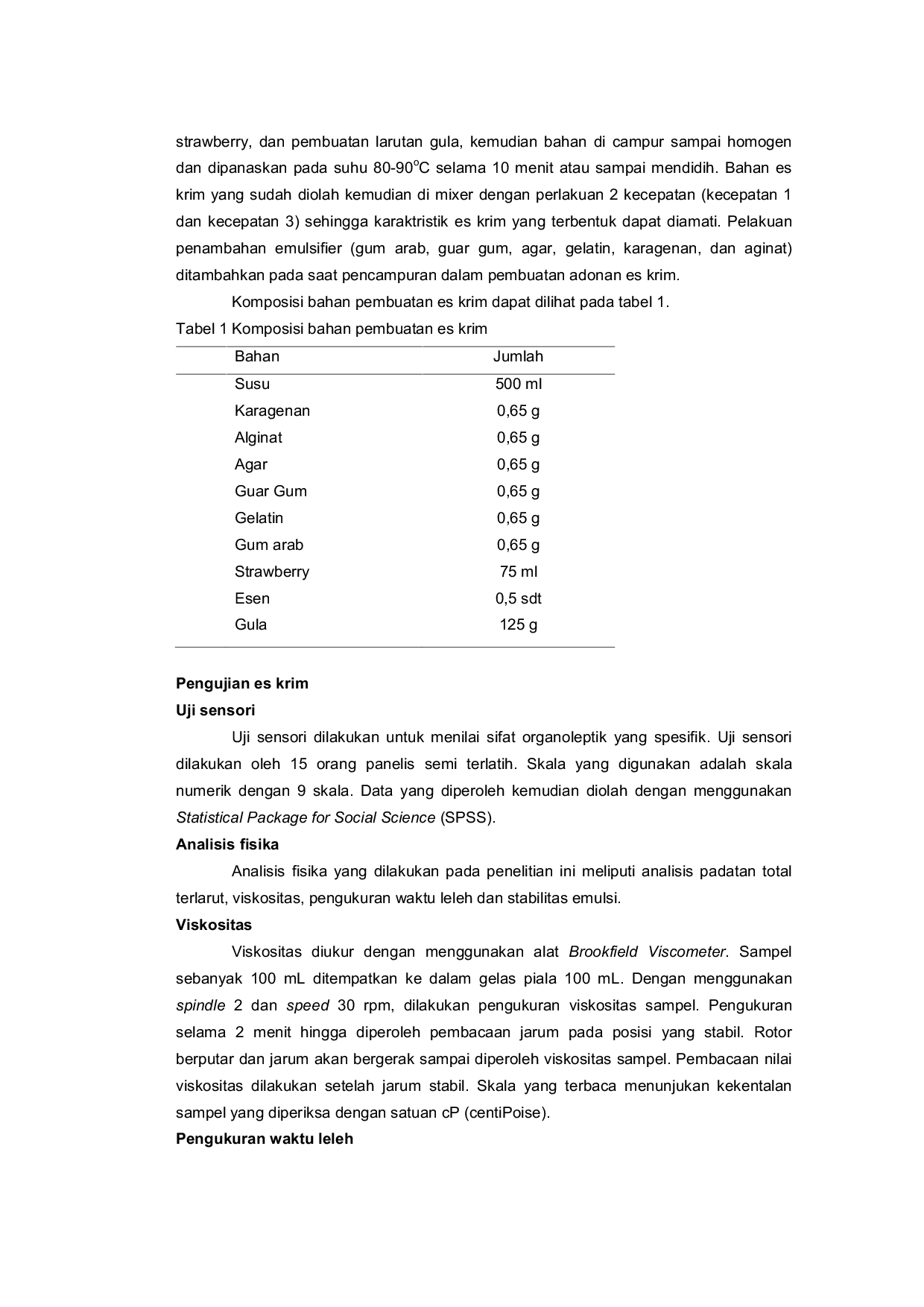
4141 Pembuatan es krim dengan menggunakan 6 bahan pengelmusi yang berbeda yaitu alginat, karaginan, agar, guar gum, gelatin dan gum arab dapat diketahui, padaPembuatan es krim dengan menggunakan 6 bahan pengelmusi yang berbeda yaitu alginat, karaginan, agar, guar gum, gelatin dan gum arab dapat diketahui, pada
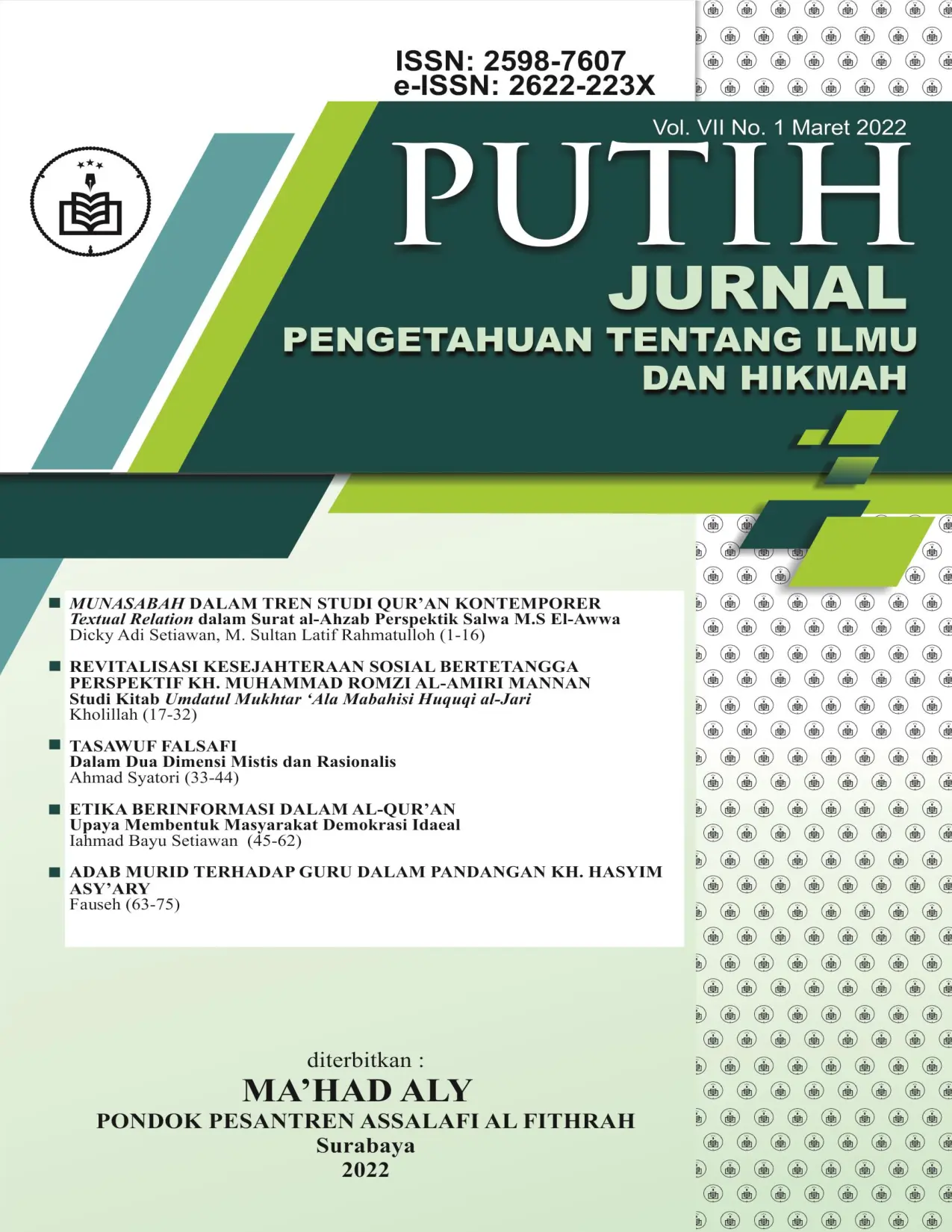
MAHADALYALFITHRAHMAHADALYALFITHRAH Permasalahan sosial kian menanjak, terlebih dalam masalah ekonomi. Hal tersebut menyebabkan berkurangnya kesejahteraan kehidupan kelompok masyarakat danPermasalahan sosial kian menanjak, terlebih dalam masalah ekonomi. Hal tersebut menyebabkan berkurangnya kesejahteraan kehidupan kelompok masyarakat dan

JOMPARNDJOMPARND Kegiatan pemberdayaan remaja IPNU-IPPNU sebagai kader anti-bullying di Kelurahan Buaran Kota Pekalongan dilaksanakan melalui tahapan koordinasi, pelatihan,Kegiatan pemberdayaan remaja IPNU-IPPNU sebagai kader anti-bullying di Kelurahan Buaran Kota Pekalongan dilaksanakan melalui tahapan koordinasi, pelatihan,
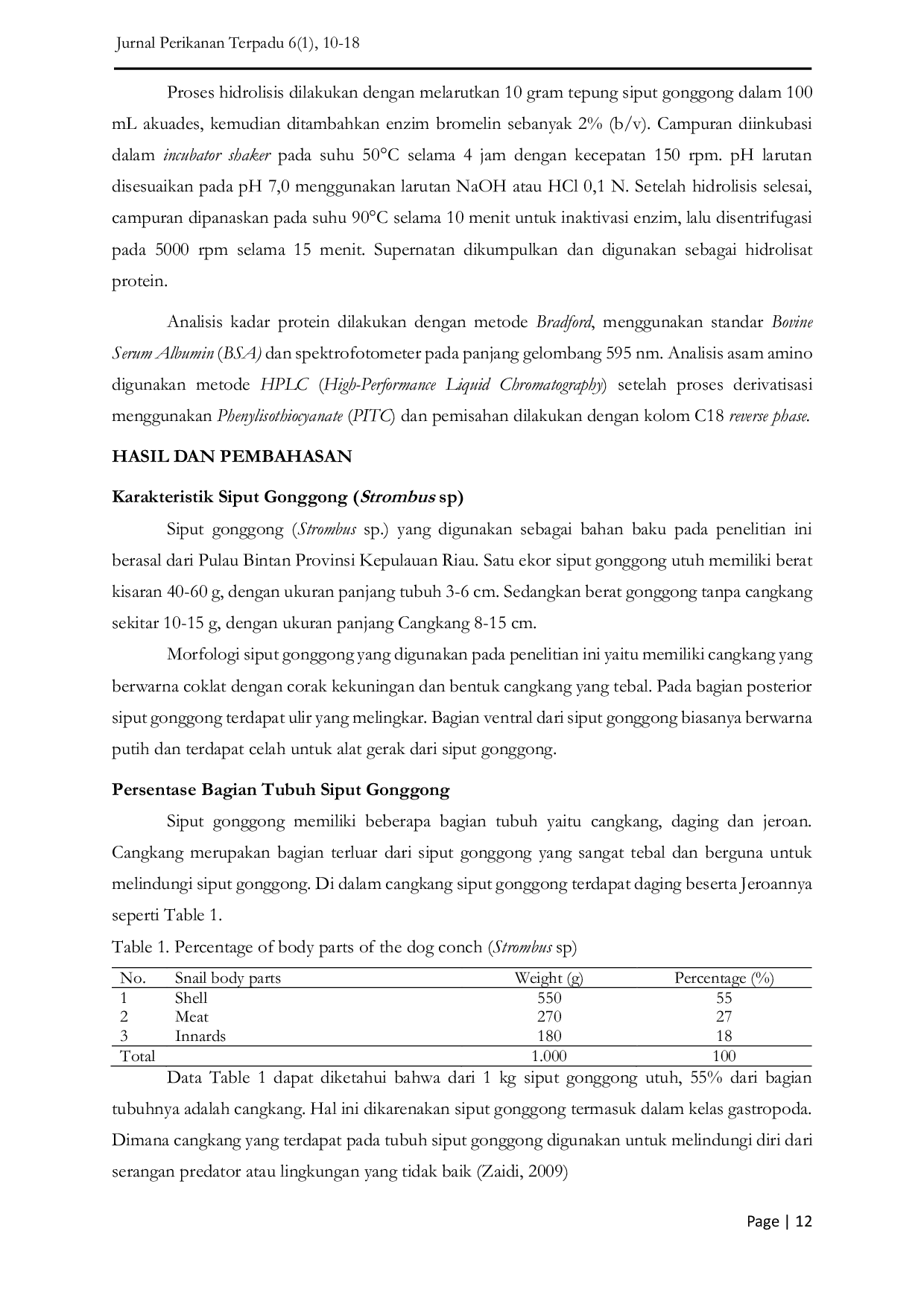
4141 Parameter tepung yang diamati adalah kadar air, abu, protein, lemak, dan rendemen. Sementara itu, parameter komposisi hidrolisat protein yang diamati adalahParameter tepung yang diamati adalah kadar air, abu, protein, lemak, dan rendemen. Sementara itu, parameter komposisi hidrolisat protein yang diamati adalah