UMSUMS
QiST: Journal of Quran and Tafseer StudiesQiST: Journal of Quran and Tafseer StudiesThe revitalization of the teachers role as murabbi in the digital era is an urgent necessity to preserve the holistic and spiritual essence of Islamic education. The rapid advancement of digital technology has transformed learning interactions, often reducing them to transactional exchanges and diminishing the moral and spiritual bond between teachers and students. This study aims to explore how Fazlur Rahmans double-movement hermeneutic approach to Surah Āli Imrān (3:79) can offer a conceptual foundation for restoring the role of teachers as murabbi in the digital context. Using a qualitative library research method that analyzes both classical and contemporary tafsīr and studies on hermeneutics and Islamic pedagogy, the research follows three stages: historical analysis of the verse, extraction of moral values, and contextual application in digital education. The findings reveal that the ideal murabbi embodies intellectual mastery, moral integrity, and spiritual guidance rooted in rabbāniyyah values. The study concludes that integrating these values into digital pedagogy can strengthen ethical and spiritual dimensions in education. Theoretically, it contributes to the discourse on Islamic hermeneutics and digital pedagogy, while practically, it provides insights for teachers and institutions to implement rabbāniyyah-based education in digital learning environments.
Revitalizing the role of teachers as murabbi in the digital era is crucial for preserving the holistic and spiritual essence of Islamic education.A hermeneutic analysis of Surah Ali Imran verse 79 reveals that true education centers on shaping individuals grounded in divine values.Therefore, contemporary Islamic education must prioritize spiritual values and adab to cultivate a generation that is both knowledgeable and virtuous.
Further research is needed to explore the practical implementation of rabbaniyyah values in digital education through empirical studies, such as case studies or classroom action research. Additionally, studies could investigate how teachers can effectively integrate digital tools while maintaining a strong moral and spiritual connection with students, fostering a sense of community and shared values in online learning environments. Finally, research should focus on developing training programs for teachers that equip them with the skills and knowledge to navigate the ethical challenges of digital education and to embody the qualities of a rabbani educator, thereby ensuring that Islamic education remains relevant and transformative in the digital age. These investigations should aim to bridge the gap between theoretical frameworks and practical application, ultimately contributing to the development of a robust and ethically grounded Islamic educational model for the 21st century.
| File size | 501.41 KB |
| Pages | 22 |
| DMCA | Report |
Related /

ESC IDESC ID In this investigation, employee performance is the dependent variable, while facilities, employee empowerment, and job satisfaction are independent variables.In this investigation, employee performance is the dependent variable, while facilities, employee empowerment, and job satisfaction are independent variables.

LPPPIPUBLISHINGLPPPIPUBLISHING Untuk menerapkan strategi pemasaran hijau yang efektif, perusahaan dapat melakukan analisis lingkungan internal, penetapan tujuan yang jelas, pengembanganUntuk menerapkan strategi pemasaran hijau yang efektif, perusahaan dapat melakukan analisis lingkungan internal, penetapan tujuan yang jelas, pengembangan

SERAMBISERAMBI Factual knowledge equips students with fundamental terminology, symbols, and essential details, forming the foundation for more complex cognitive processes.Factual knowledge equips students with fundamental terminology, symbols, and essential details, forming the foundation for more complex cognitive processes.
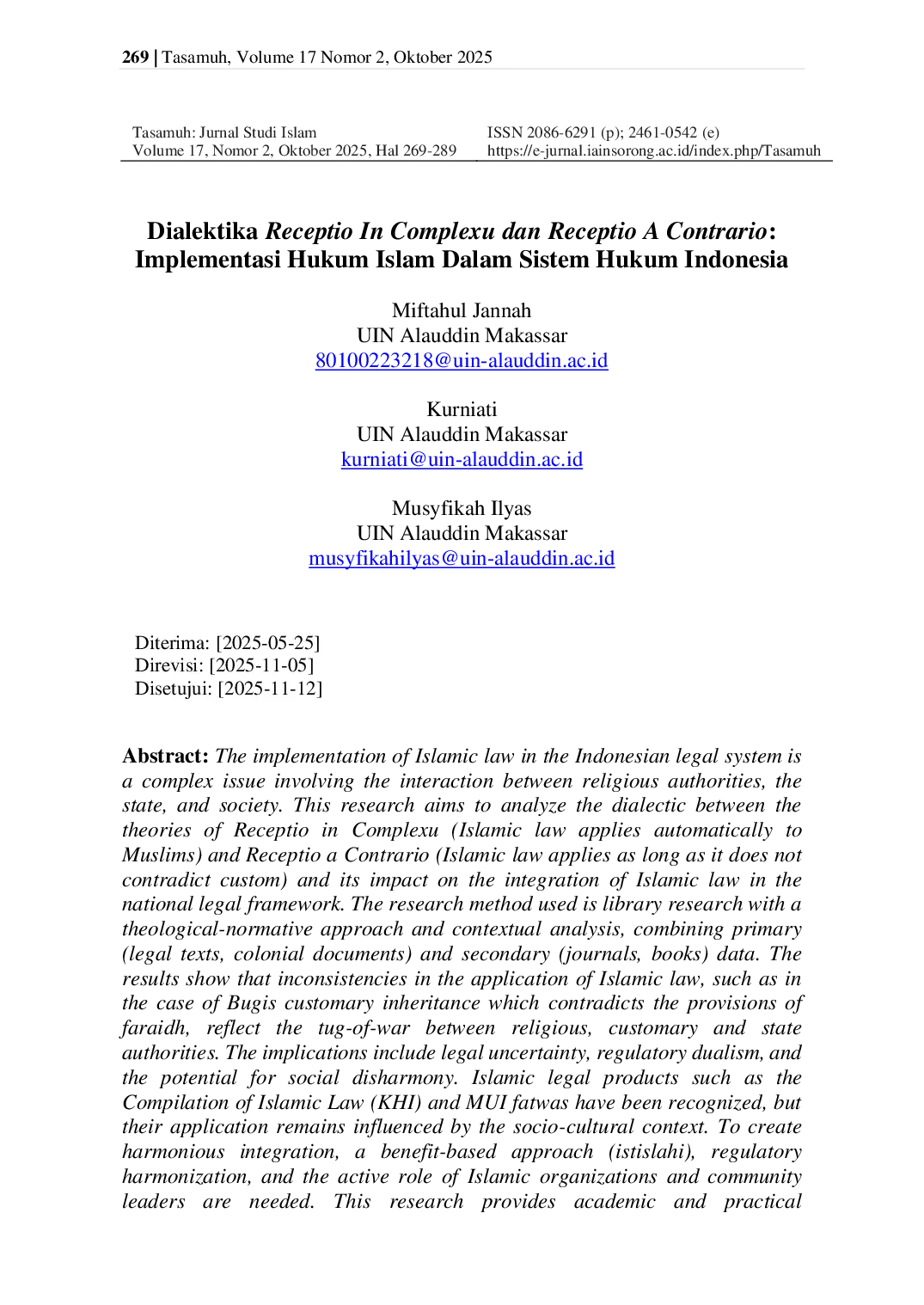
IAINSORONGIAINSORONG The research method used is library research with a theological-normative approach and contextual analysis, combining primary (legal texts, colonial documents)The research method used is library research with a theological-normative approach and contextual analysis, combining primary (legal texts, colonial documents)
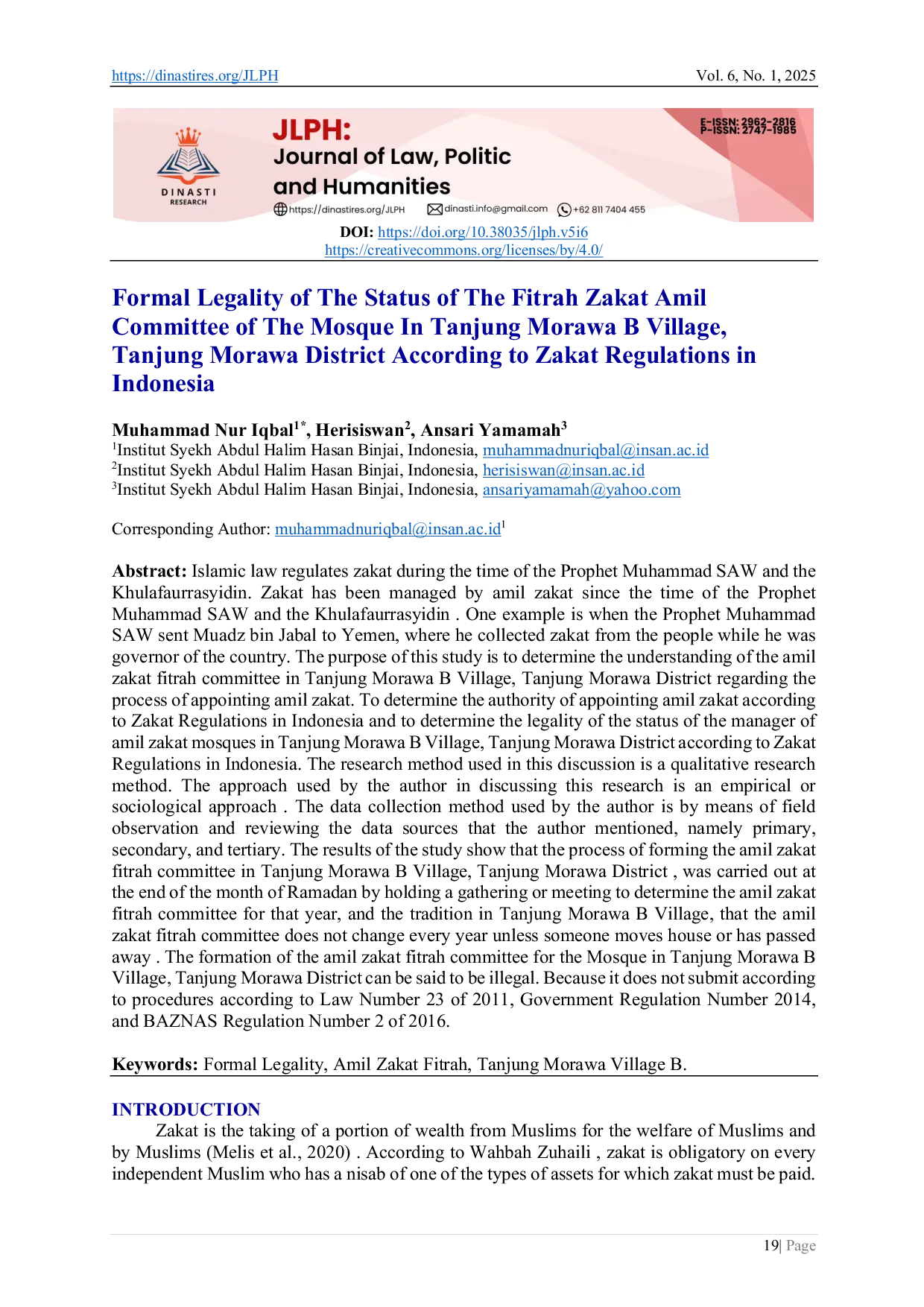
DINASTIRESDINASTIRES The research method used in this discussion is a qualitative research method. The approach used by the author in discussing this research is an empiricalThe research method used in this discussion is a qualitative research method. The approach used by the author in discussing this research is an empirical
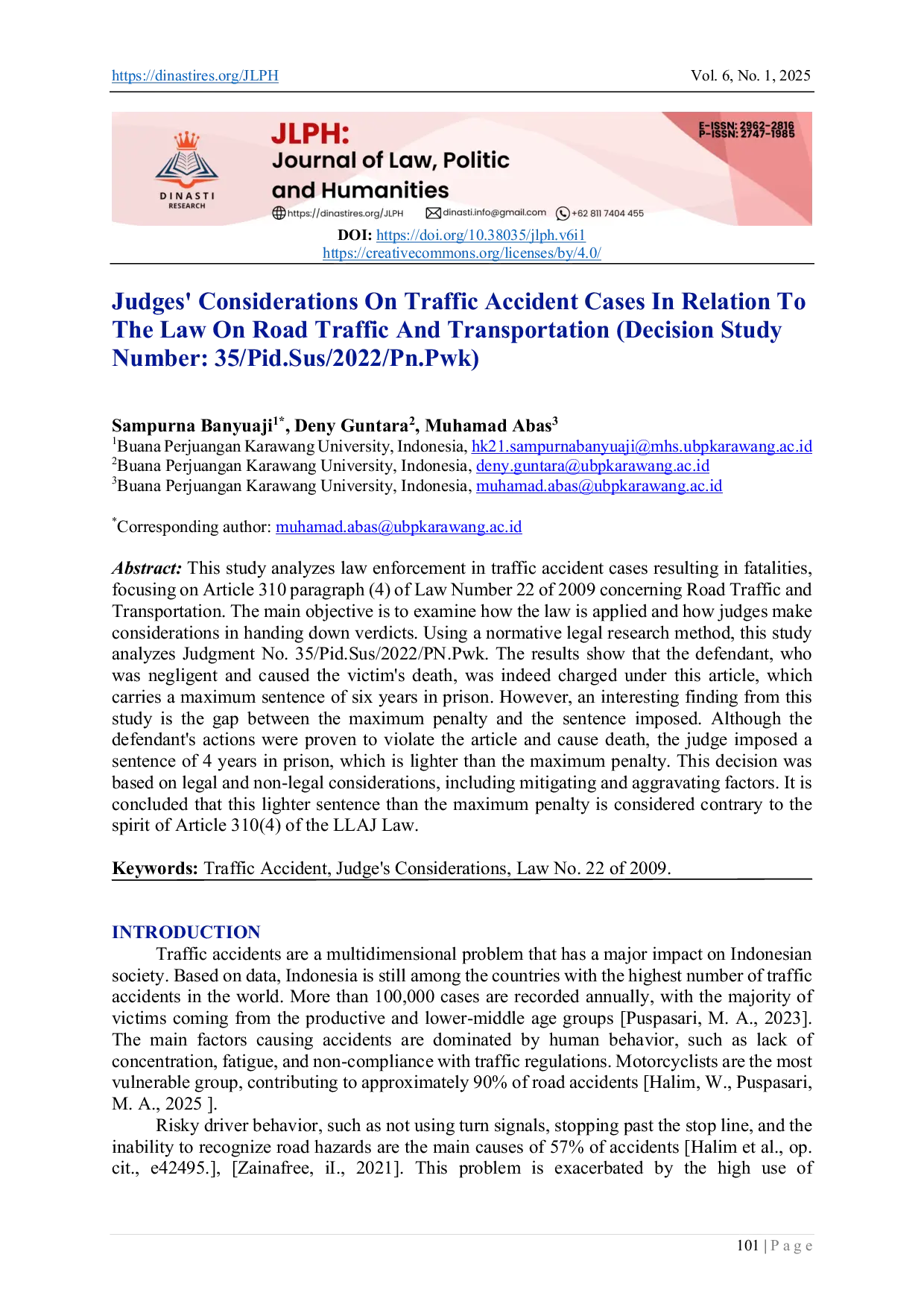
DINASTIRESDINASTIRES Sus/2022/PN. Pwk. The results show that the defendant, who was negligent and caused the victims death, was indeed charged under this article, which carriesSus/2022/PN. Pwk. The results show that the defendant, who was negligent and caused the victims death, was indeed charged under this article, which carries

CEREDINDONESIACEREDINDONESIA The system maintained temperature within the manufacturer-recommended range for PPF installation. The research concludes that modified fuzzy logic controlThe system maintained temperature within the manufacturer-recommended range for PPF installation. The research concludes that modified fuzzy logic control

UNISSULAUNISSULA Therefore, the Comission of Corruption Erradication (KPK) was formed to always focus on looking at various behaviors as an indication of corruption. BasedTherefore, the Comission of Corruption Erradication (KPK) was formed to always focus on looking at various behaviors as an indication of corruption. Based
Useful /

LPPPIPUBLISHINGLPPPIPUBLISHING Oleh karena itu, dapat disimpulkan bahwa kualitas pelaporan keuangan Islam memiliki pengaruh positif dan signifikan terhadap pengambilan keputusan investasi.Oleh karena itu, dapat disimpulkan bahwa kualitas pelaporan keuangan Islam memiliki pengaruh positif dan signifikan terhadap pengambilan keputusan investasi.

UMSUMS His work challenges the notion of inherent meaning in the Quran, asserting that it is produced by interpreters throughout history. This perspective invitesHis work challenges the notion of inherent meaning in the Quran, asserting that it is produced by interpreters throughout history. This perspective invites
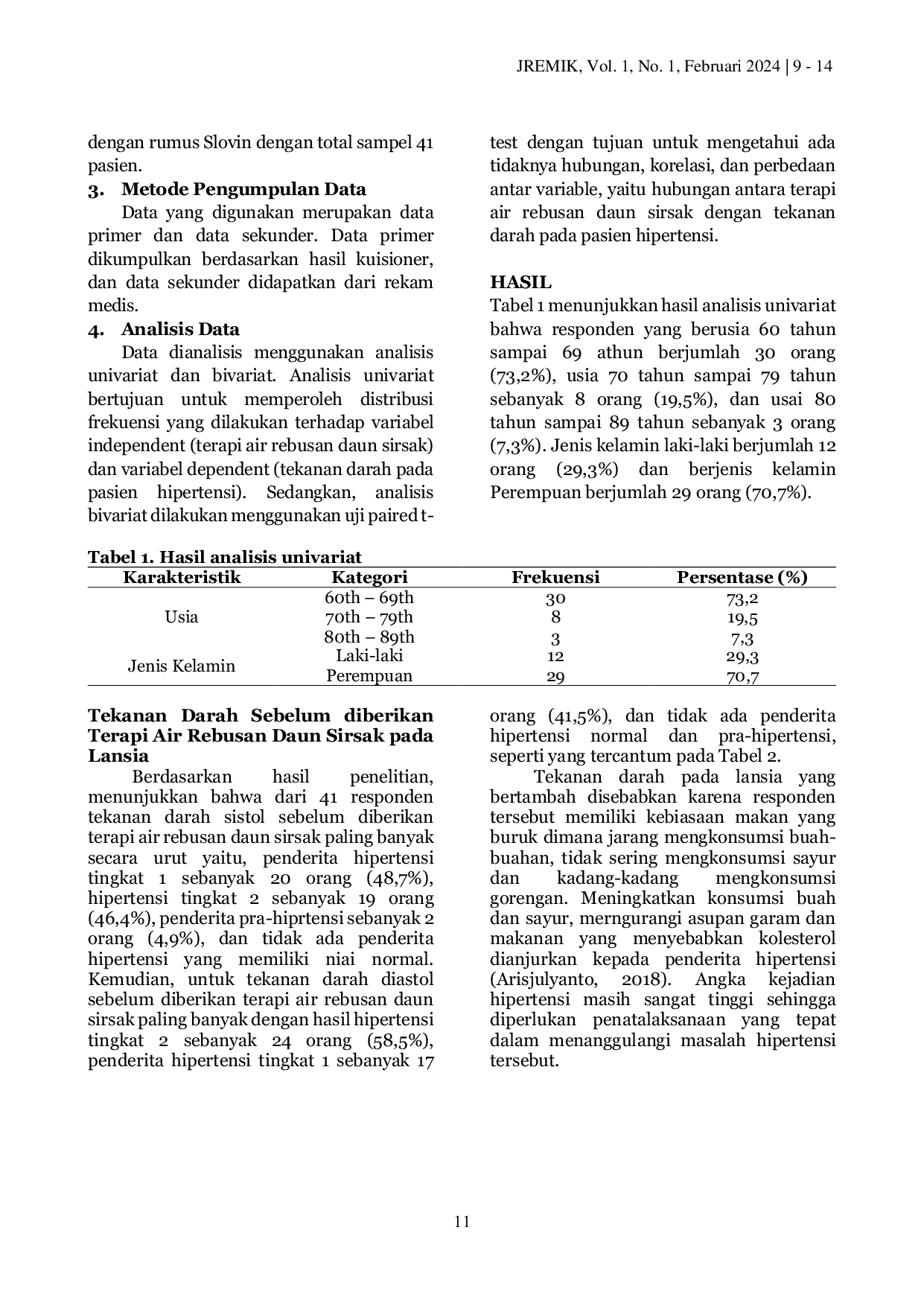
AISYAHUNIVERSITYAISYAHUNIVERSITY Hasil penelitian menunjukkan bahwa rata-rata tekanan darah sistol dan diastol adalah 135,36/85,85 mmHg dengan penurunan darah sistol sebesar 19,0%mmHgHasil penelitian menunjukkan bahwa rata-rata tekanan darah sistol dan diastol adalah 135,36/85,85 mmHg dengan penurunan darah sistol sebesar 19,0%mmHg

AISYAHUNIVERSITYAISYAHUNIVERSITY Salah satu komplikasi Diabetes Mellitus (DM) yaitu, ulkus diabetikum. Ulkus diabetikum adalah luka yang membutuhkan perawatan khusus, penatalaksanaan untukSalah satu komplikasi Diabetes Mellitus (DM) yaitu, ulkus diabetikum. Ulkus diabetikum adalah luka yang membutuhkan perawatan khusus, penatalaksanaan untuk