Tel-UTel-U
International Journal on Information and Communication Technology (IJoICT)International Journal on Information and Communication Technology (IJoICT)Color image enhancement is a vital area in the field of image processing. It is a technique used to enhance the images visual quality. Color enhancement is applied in different applications such as photography, medicine, and computer vision. In this research, eight methods of color enhancement are reviewed according to their methodology, complexity, pros, and cons. Then, three evaluation metrics – Colorfulness (CF), average saturation measure (ASM), and average chroma measure (ACM) – were used to assess each method. The results showed that fuzzy enhancement (FE) exceeded other methods and scored the highest records. This study provides a beneficial resource for researchers involved in image enhancement, as it presents a complete review and detailed analysis of various academic studies published in reputable journals. The work evaluates each study in terms of its findings, proposed algorithm, and accuracy by using many assessment metrics. Furthermore, it emphasizes the strengths and limitations of each method, giving a performance analysis. Additionally, the study discusses future recommendations for improving the effectiveness of these algorithms. Finally, this research is a rich and reliable reference for scholars aiming to develop novel algorithms in this domain.
This research reviewed eight color image enhancement methods, comprehensively discussing each methods mechanism.The study assessed the methods using three evaluation metrics and provided a detailed analysis of their performance.The findings indicate that the Fuzzy Enhancement (FE) method achieved the highest scores, demonstrating its effectiveness.Further research is needed to address the limitations of existing methods and improve the automation and color consistency of color enhancement techniques.
Based on the limitations identified in current color enhancement methods, future research should explore the development of more robust algorithms that can effectively handle varying lighting conditions and image degradation. Specifically, investigating the integration of deep learning techniques with traditional color enhancement methods could lead to improved performance and adaptability. Furthermore, research should focus on creating fully automated color enhancement systems that require minimal user intervention and can consistently deliver high-quality results across diverse image datasets. Finally, exploring the use of perceptual color models and incorporating human visual system characteristics into the enhancement process could lead to more visually pleasing and natural-looking images, ultimately enhancing the user experience and broadening the applicability of these techniques in fields like medical imaging and artistic applications.
| File size | 1.16 MB |
| Pages | 13 |
| DMCA | Report |
Related /
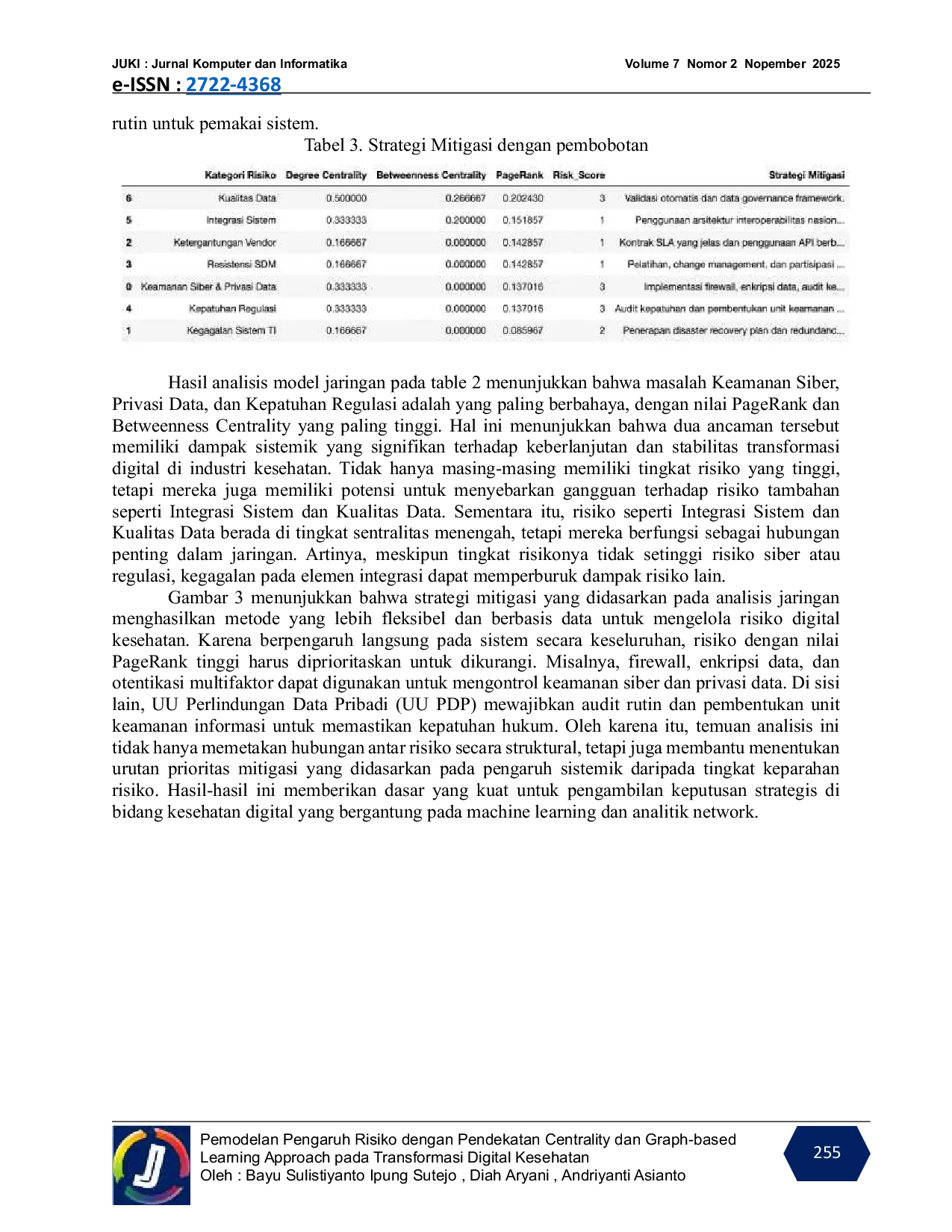
IOINFORMATICIOINFORMATIC Untuk menentukan tingkat pengaruh sistemik setiap risiko dalam ekosistem digital kesehatan, konstruksi network graph digunakan untuk menganalisis hubunganUntuk menentukan tingkat pengaruh sistemik setiap risiko dalam ekosistem digital kesehatan, konstruksi network graph digunakan untuk menganalisis hubungan

UNZAHUNZAH Pembentukan karakter bagi setiap manusia adalah tugas yang harus dilakukan secara terus-menerus, baik melalui pembinaan, pembiasaan, dan hal-hal yang dapatPembentukan karakter bagi setiap manusia adalah tugas yang harus dilakukan secara terus-menerus, baik melalui pembinaan, pembiasaan, dan hal-hal yang dapat
PSPPJOURNALSPSPPJOURNALS This paper adds to the body of knowledge on e-governance because it addresses this gap on post implementation assessment on SIPD in large city municipalities.This paper adds to the body of knowledge on e-governance because it addresses this gap on post implementation assessment on SIPD in large city municipalities.

IRPIIRPI Namun, keterbatasan jumlah responden yang kecil dan pengujian hanya pada prototipe menuntut penelitian lanjutan dengan sampel lebih beragam dan implementasiNamun, keterbatasan jumlah responden yang kecil dan pengujian hanya pada prototipe menuntut penelitian lanjutan dengan sampel lebih beragam dan implementasi
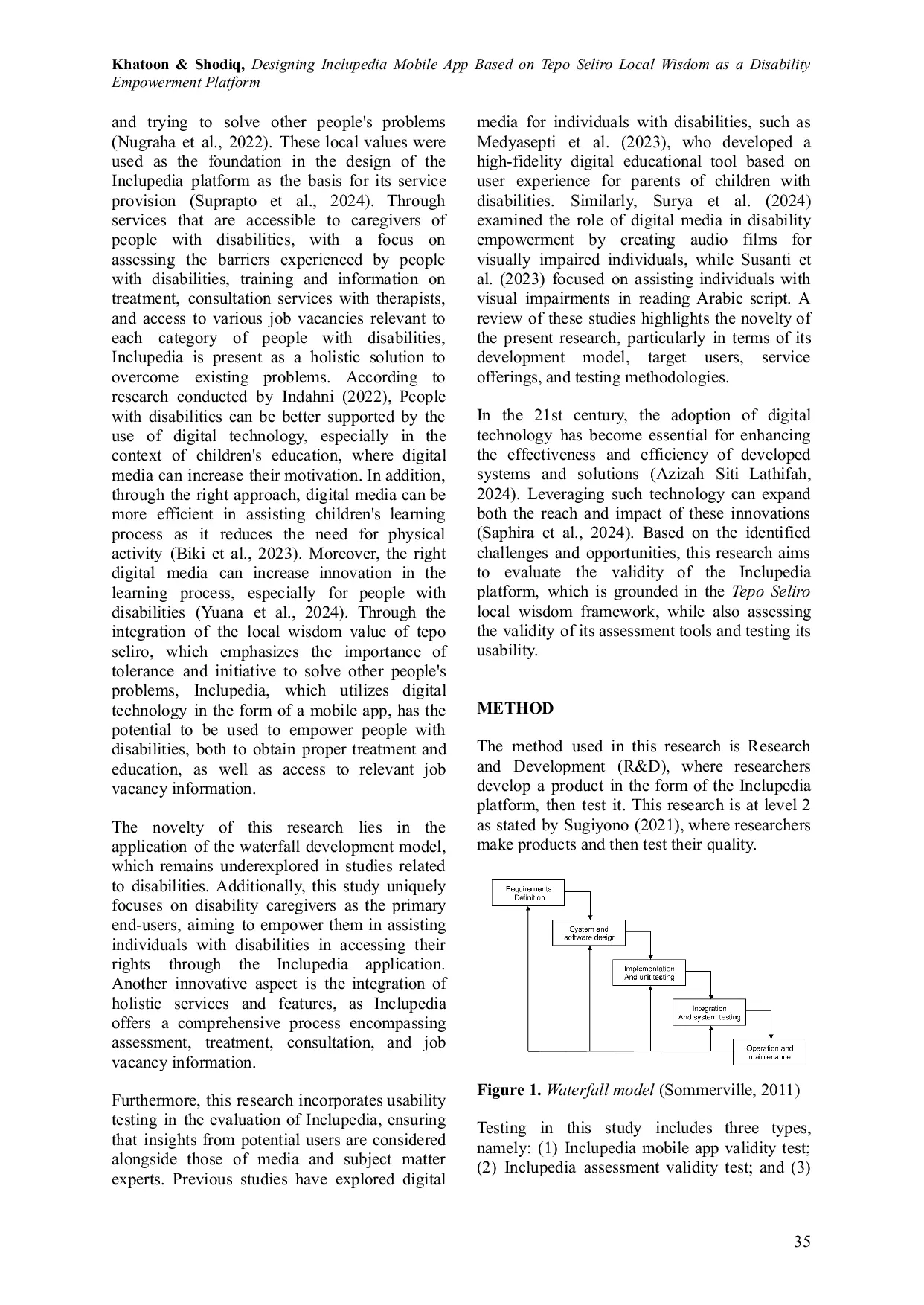
UNESAUNESA Sementara itu, hasil pengujian kelayakan terhadap pengguna akhir, yaitu pengguna baru potensial, menunjukkan bahwa aplikasi mobile Inclupedia memperolehSementara itu, hasil pengujian kelayakan terhadap pengguna akhir, yaitu pengguna baru potensial, menunjukkan bahwa aplikasi mobile Inclupedia memperoleh

UNDHIRA BALIUNDHIRA BALI Evaluasi penerapan SIMRS-RME di RSUD Wangaya menggunakan metode HOT-FIT menunjukkan hasil yang bervariasi pada setiap komponen. Pada aspek Human, penggunaEvaluasi penerapan SIMRS-RME di RSUD Wangaya menggunakan metode HOT-FIT menunjukkan hasil yang bervariasi pada setiap komponen. Pada aspek Human, pengguna

INSTIKIINSTIKI Faktor-faktor ini terbukti memiliki peran penting dalam menjaga keamanan data pelanggan pada platform marketplace. Dengan demikian, penting bagi penyediaFaktor-faktor ini terbukti memiliki peran penting dalam menjaga keamanan data pelanggan pada platform marketplace. Dengan demikian, penting bagi penyedia

UMPUMP Laut merupakan salah satu kekayaan alam perairan Indonesia seperti danau, rawa dan selat, menjadikan Indonesia sebagai negara yang kaya akan keanekaragamanLaut merupakan salah satu kekayaan alam perairan Indonesia seperti danau, rawa dan selat, menjadikan Indonesia sebagai negara yang kaya akan keanekaragaman
Useful /
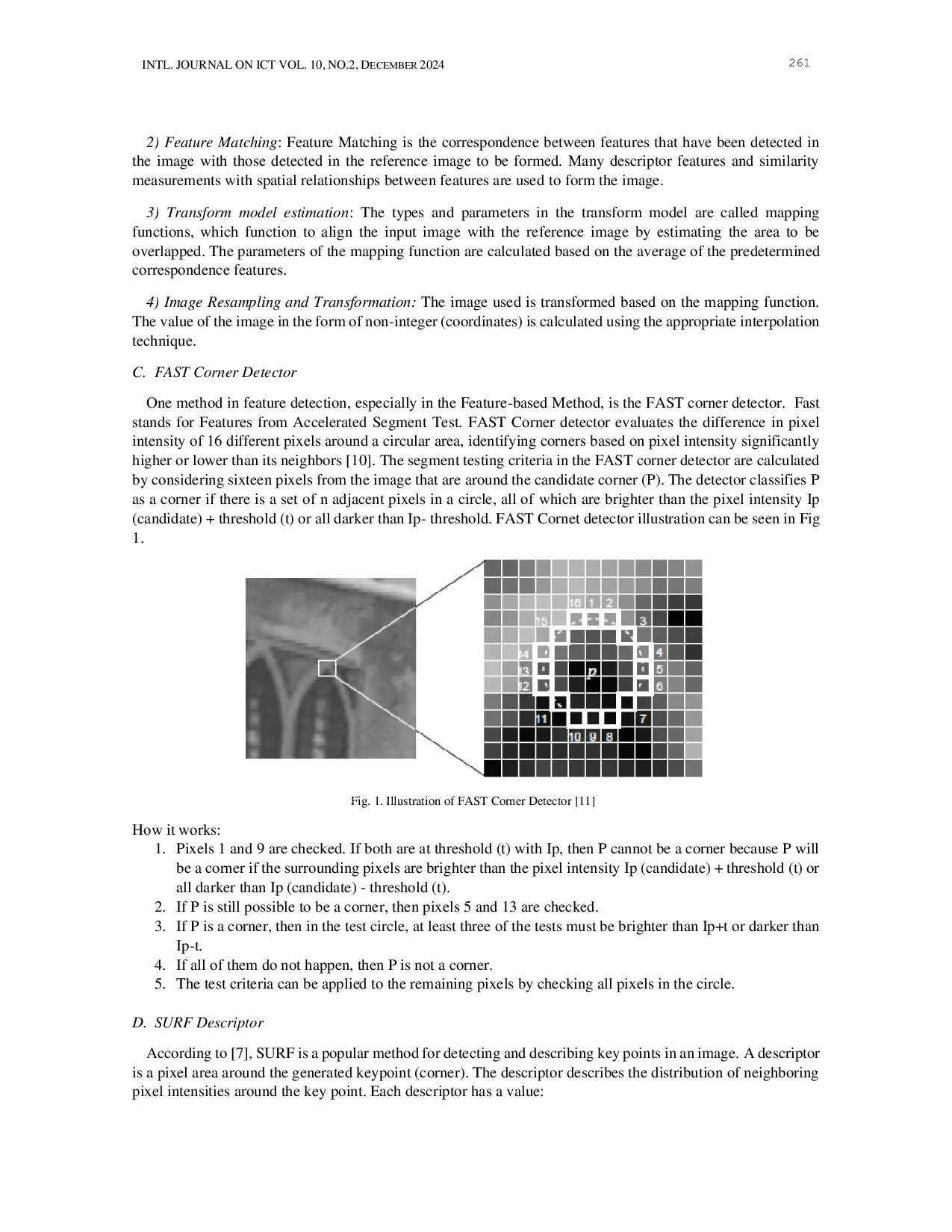
Tel-UTel-U Proses ini bergantung pada identifikasi fitur utama di area tumpang tindih, menggunakan detektor sudut FAST sebagai acuan penyelarasan. Hasil penelitianProses ini bergantung pada identifikasi fitur utama di area tumpang tindih, menggunakan detektor sudut FAST sebagai acuan penyelarasan. Hasil penelitian

STIEMADANISTIEMADANI Penelitian ini bertujuan untuk mengetahui pengaruh dari literasi keuangan, persepsi kemanfaatan, kemudahan penggunaan, sikap penggunaan teknologi dan risikoPenelitian ini bertujuan untuk mengetahui pengaruh dari literasi keuangan, persepsi kemanfaatan, kemudahan penggunaan, sikap penggunaan teknologi dan risiko

UHBUHB Berdasarkan analisis, KNN menunjukkan performa yang lebih unggul dengan akurasi 81%, melebihi akurasi SVM yang hanya 75,50%.meskipun begitu, SVM memilikiBerdasarkan analisis, KNN menunjukkan performa yang lebih unggul dengan akurasi 81%, melebihi akurasi SVM yang hanya 75,50%.meskipun begitu, SVM memiliki

MGEDUKASIAMGEDUKASIA Matematika merupakan salah satu mata pelajaran penting yang harus dikuasai siswa di sekolah dasar. Namun, banyak siswa yang tidak menyukai pembelajaranMatematika merupakan salah satu mata pelajaran penting yang harus dikuasai siswa di sekolah dasar. Namun, banyak siswa yang tidak menyukai pembelajaran