UMSUMS
Riset Akuntansi dan Keuangan IndonesiaRiset Akuntansi dan Keuangan IndonesiaACFE Indonesia in 2025 confirmed that most of the surveyed cases occurred because internal employees exploited weak controls. Employees who committed fraud occurred at all levels, namely operational staff/employees were most involved, especially in the procurement function with 29.3 cases, operational employees with 17.4% of cases, and finance (13.6%). At the middle manager/executive level, there were around 14.3% of cases and at the top management (directors/board) with 6.5% of cases. This study aims to examine the influence of the variables of Islamic Corporate Governance, Shariah Compliance Disclosure, Board of Commissioners, Shariah Supervisory Board Education on internal fraud, using total assets as a control variable. This study uses secondary data from the annual reports of Islamic Commercial Banks accessed on the official websites of each bank. The data collection technique used a purposive sampling method with the criteria of Indonesian Islamic Commercial Banks in the period 2015-2024 and has data related to the term of office of directors, educational background of the SSB, and awards received by Islamic banks. The number of samples obtained was 72 observational data. The analytical method used in this study was panel data regression analysis processed using Stata 17 software. The results showed that Sharia Compliance Disclosure has a significant negative effect on Internal Fraud. And the variables of Islamic Corporate Governance, Board of Commissioners, and Education of the Sharia Supervisory Board do not have a significant effect on Internal Fraud.
Shariah Compliance Disclosures have a significant negative effect on internal fraud.The Islamic Corporate Governance, Board of Commissioners, and Shariah Supervisory Board Education variables do not significantly affect internal fraud.Company size has a significant positive effect on fraud, indicating that larger companies may be more susceptible to internal fraud.
Penelitian lebih lanjut perlu dilakukan untuk menggali lebih dalam mengapa implementasi Islamic Corporate Governance (ICG) belum signifikan dalam menekan kecurangan internal di bank syariah. Hal ini dapat dilakukan dengan studi kualitatif yang melibatkan wawancara dengan anggota Dewan Pengawas Syariah (DPS), komisaris, dan auditor internal untuk memahami persepsi mereka mengenai efektivitas ICG dalam praktik. Selain itu, penelitian dapat diperluas dengan menguji pengaruh faktor-faktor lain yang mungkin memoderasi hubungan antara ICG dan kecurangan, seperti kompleksitas operasional digital atau budaya etika organisasi. Sebagai alternatif, studi dapat difokuskan pada pengembangan model prediktif kecurangan internal yang lebih komprehensif dengan mempertimbangkan variabel-variabel yang belum dieksplorasi dalam penelitian ini, seperti karakteristik kepemimpinan, sistem pengendalian internal yang lebih rinci, dan tingkat pelatihan karyawan terkait pencegahan kecurangan. Terakhir, penelitian lanjutan dapat menginvestigasi peran penting budaya organisasi yang kuat dalam menumbuhkan integritas dan akuntabilitas di seluruh tingkatan organisasi, serta bagaimana budaya tersebut dapat menjadi faktor kunci dalam mengurangi insiden kecurangan internal di bank syariah.
- Islamic Corporate Governance and Internal Control Influance on Fraud in Sharia Commercial Banks | Chairunisa... doi.org/10.22441/jiess.2020.v1i1.003Islamic Corporate Governance and Internal Control Influance on Fraud in Sharia Commercial Banks Chairunisa doi 10 22441 jiess 2020 v1i1 003
- One moment, please.... one moment please wait request verified jurnal.itscience.org/index.php/jebma/article/view/3591One moment please one moment please wait request verified jurnal itscience index php jebma article view 3591
| File size | 356.18 KB |
| Pages | 10 |
| DMCA | Report |
Related /

DHSJOURNALDHSJOURNAL Hasil menunjukkan bahwa Masjid Assalam telah menerapkan beberapa elemen SIP, seperti pemisahan tugas antara bendahara dan sekretaris, pencatatan penerimaanHasil menunjukkan bahwa Masjid Assalam telah menerapkan beberapa elemen SIP, seperti pemisahan tugas antara bendahara dan sekretaris, pencatatan penerimaan
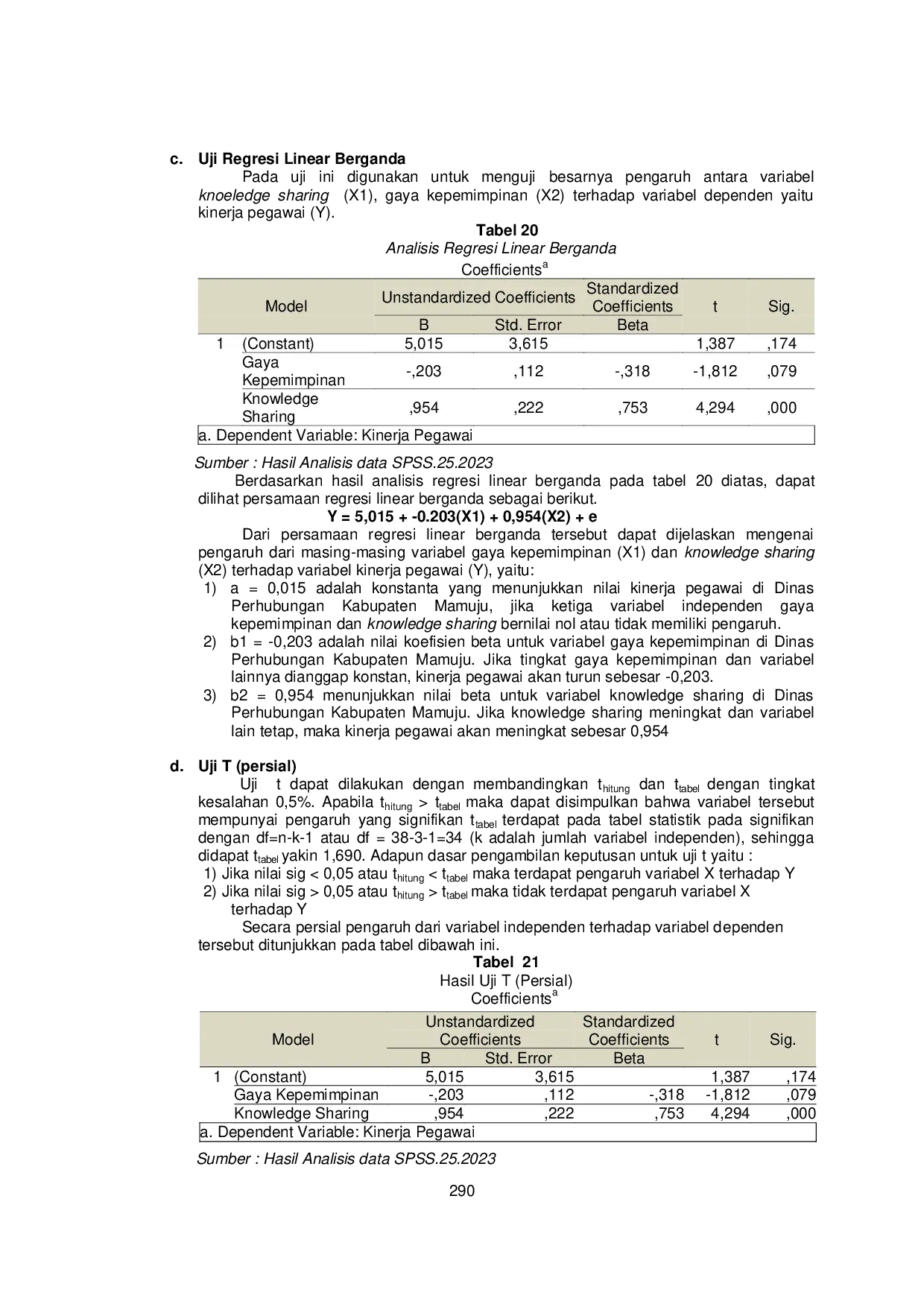
UMPARUMPAR Hasil penelitian menunjukkan bahwa secara parsial gaya kepemimpinan tidak berpengaruh positif dan signifikan terhadap kinerja pegawai, yang mengindikasikanHasil penelitian menunjukkan bahwa secara parsial gaya kepemimpinan tidak berpengaruh positif dan signifikan terhadap kinerja pegawai, yang mengindikasikan

UMPARUMPAR Penelitian ini bertujuan untuk menganalisis pengaruh Earnings Per Share (EPS), Return On Asset, dan Debt to Equity Ratio (DER) terhadap harga saham padaPenelitian ini bertujuan untuk menganalisis pengaruh Earnings Per Share (EPS), Return On Asset, dan Debt to Equity Ratio (DER) terhadap harga saham pada
ADAIADAI Penelitian ini menggunakan metode kuantitatif. Data primer dimanfaatkan, diperoleh langsung dari jawaban responden terhadap kuesioner yang disebarkan.Penelitian ini menggunakan metode kuantitatif. Data primer dimanfaatkan, diperoleh langsung dari jawaban responden terhadap kuesioner yang disebarkan.

RISETPRESSRISETPRESS Penelitian masa depan dapat fokus pada efektivitas jangka panjang metode ini, termasuk pertimbangan etika dalam AI, aplikasi sektoral, dan efisiensi biayaPenelitian masa depan dapat fokus pada efektivitas jangka panjang metode ini, termasuk pertimbangan etika dalam AI, aplikasi sektoral, dan efisiensi biaya

PIPI Sistem Accurate 5 memberikan kontribusi positif terhadap efisiensi operasional UD XYZ melalui pencatatan transaksi, pelaporan keuangan, dan pengelolaanSistem Accurate 5 memberikan kontribusi positif terhadap efisiensi operasional UD XYZ melalui pencatatan transaksi, pelaporan keuangan, dan pengelolaan

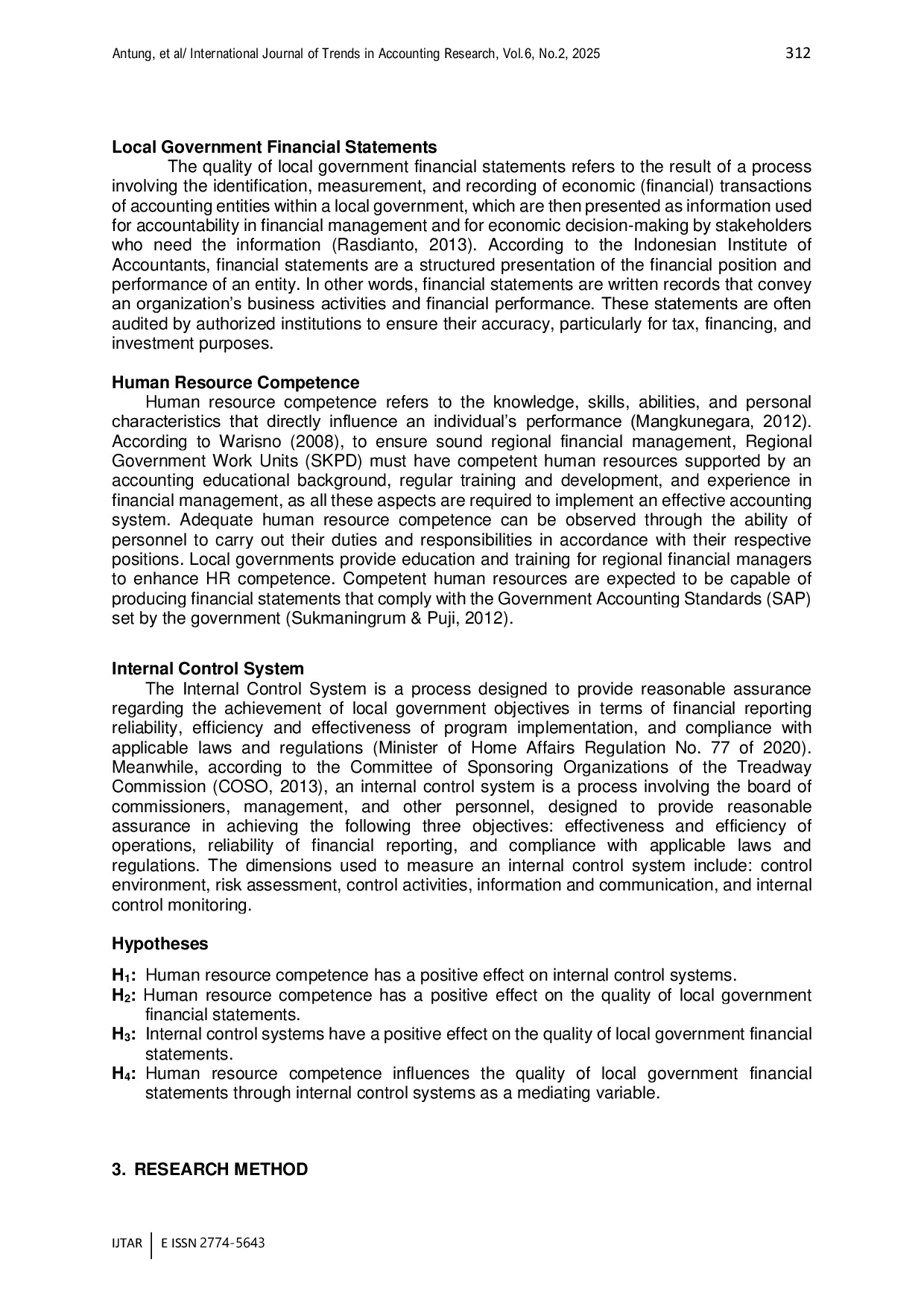
BUMIGORABUMIGORA The results of the partial hypothesis test show that the internal control system and human resource competence on the quality of financial reports. InThe results of the partial hypothesis test show that the internal control system and human resource competence on the quality of financial reports. In

UNTAG SMDUNTAG SMD Berdasarkan hasil penelitian, dapat disimpulkan bahwa sistem penerapan kas kecil di PT. Pertamina Retail SPBU COCO Slamet Riyadi Samarinda menggunakanBerdasarkan hasil penelitian, dapat disimpulkan bahwa sistem penerapan kas kecil di PT. Pertamina Retail SPBU COCO Slamet Riyadi Samarinda menggunakan
Useful /

UMSIUMSI Selain itu, ketergantungan anggaran pada pemerintah daerah menjadi kendala utama, sehingga implementasi status Badan Layanan Umum Daerah (BLUD) dibutuhkanSelain itu, ketergantungan anggaran pada pemerintah daerah menjadi kendala utama, sehingga implementasi status Badan Layanan Umum Daerah (BLUD) dibutuhkan
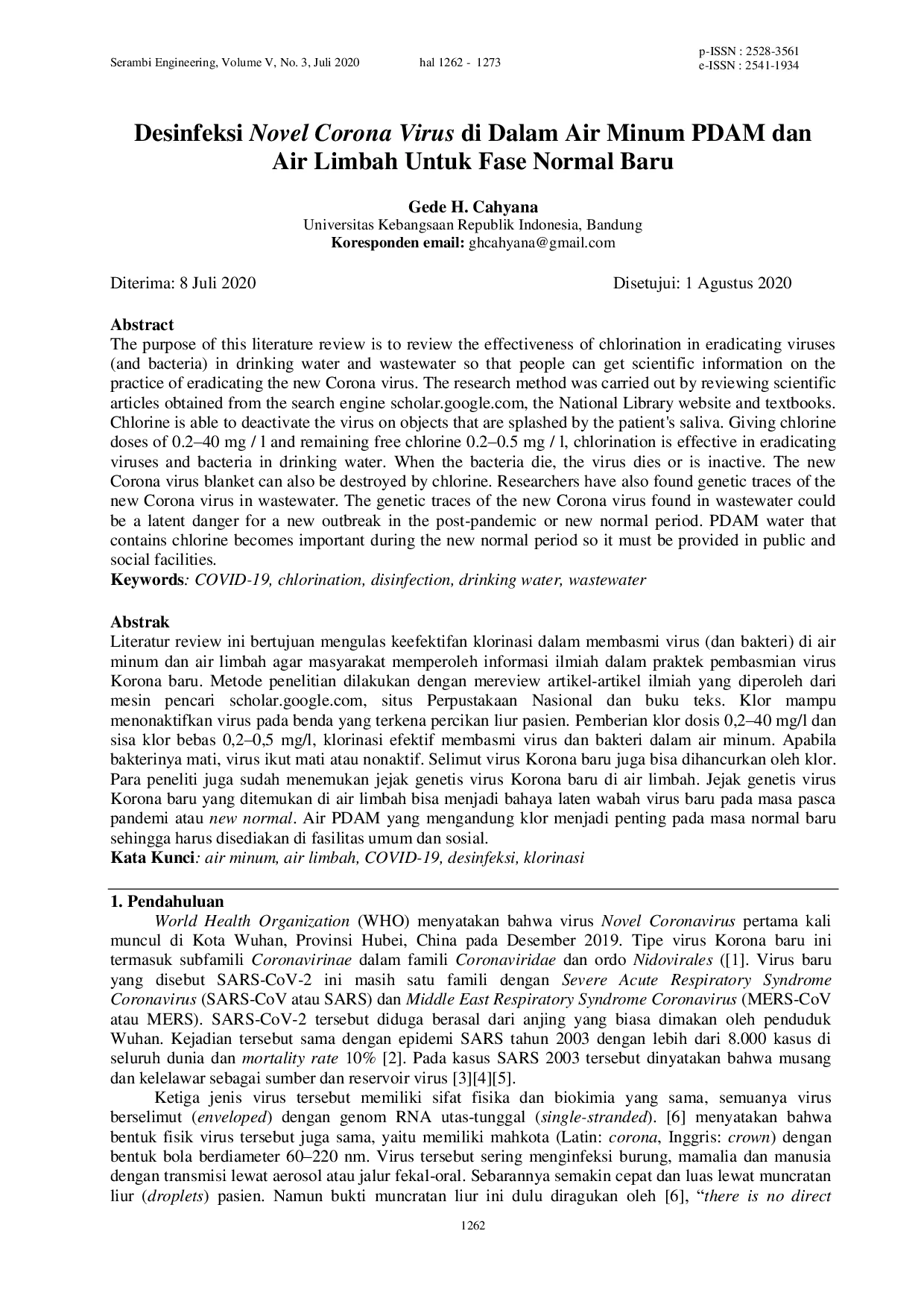
SERAMBI MEKKAHSERAMBI MEKKAH Para peneliti juga sudah menemukan jejak genetis virus Korona baru di air limbah. Jejak genetis virus Korona baru yang ditemukan di air limbah bisa menjadiPara peneliti juga sudah menemukan jejak genetis virus Korona baru di air limbah. Jejak genetis virus Korona baru yang ditemukan di air limbah bisa menjadi

SERAMBI MEKKAHSERAMBI MEKKAH Pemanfaatan kembali minyak goreng bekas dapat dilakukan dengan beberapa alternatif seperti penambahan antioksidan alami atau sintesis. Tujuan dari penelitianPemanfaatan kembali minyak goreng bekas dapat dilakukan dengan beberapa alternatif seperti penambahan antioksidan alami atau sintesis. Tujuan dari penelitian
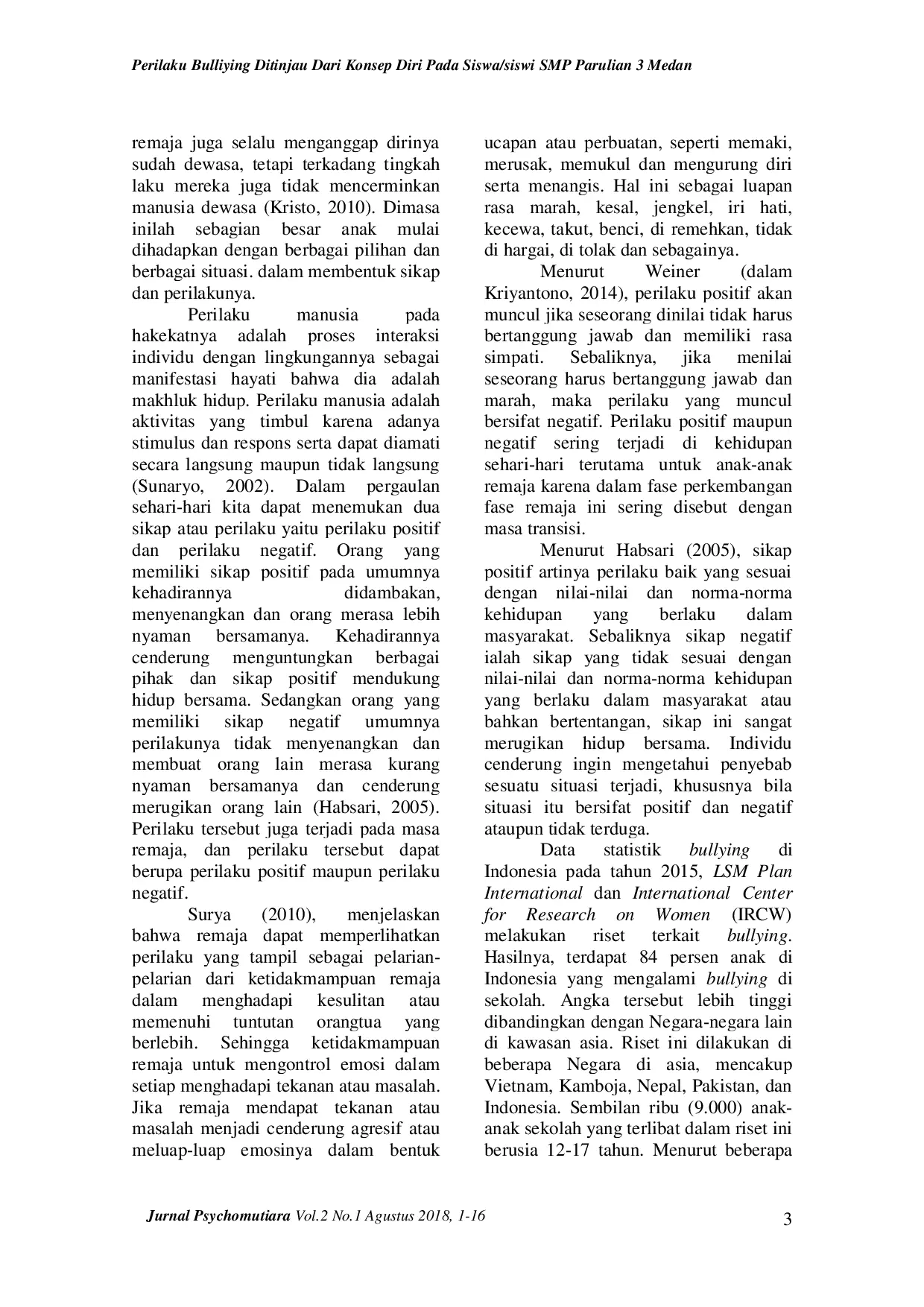
SARI MUTIARASARI MUTIARA Hasil analisis data tersebut menunjukkan adanya hubungan negatif antara konsep diri dengan perilaku bullying. Hasil penelitian ini menunjukkan bahwa sumbanganHasil analisis data tersebut menunjukkan adanya hubungan negatif antara konsep diri dengan perilaku bullying. Hasil penelitian ini menunjukkan bahwa sumbangan