IAESONLINEIAESONLINE
Indonesian Journal of Electrical Engineering and Informatics (IJEEI)Indonesian Journal of Electrical Engineering and Informatics (IJEEI)Partial observability and sensor limitations are challenging for the navigation of autonomous Unmanned Aerial Vehicles (UAVs). Deep Reinforcement Learning (DRL) algorithms have emerged as potential tools in advancing this field. However, their effectiveness degrades in challenging environments, particularly in the presence of dynamic obstacles. Recent research trends emphasize the need for new DRL variants that guarantee robustness, real-time adaptability, and improved generalization under uncertainty. This paper proposes a lightweight DRL architecture that combines Proximal Policy Optimization (PPO) with a Gated Recurrent Unit (GRU), extended with a temporal LiDAR differencing feature called Delta-LiDAR. The difference between consecutive LiDAR scans is computed to provide the velocity and directional cues without the computational burden of Long Short-Term Memory (LSTM) networks. We evaluate three models, PPO-LSTM, PPO-GRU, and Delta-LiDAR augmented PPO-GRU in a 3D simulated UAV navigation environment characterized by noise, clutter, and dynamic obstacles. We considered several metrics, including success rate, collision frequency, trajectory smoothness, and computational efficiency, to determine the effectiveness of each architecture. The experimental results demonstrate that Delta-LiDAR improves GRU-based temporal reasoning. The deployment complexity is reduced compared with the LSTM-based architecture, which makes it ideal for real-time UAV operation in partially observable environments.
This study presented a novel approach to enhance UAV navigation in partially observable and dynamic environments by integrating Delta-LiDAR with a GRU-based PPO framework.The proposed method effectively captures motion cues from LiDAR scans, improving temporal awareness without increasing computational complexity.Experimental results demonstrate that the PPO-GRU with Delta-LiDAR outperforms both PPO-LSTM and standard PPO-GRU in terms of success rate, collision avoidance, and trajectory efficiency.The findings validate the potential of this approach for real-time UAV navigation in challenging environments.
Penelitian lebih lanjut dapat dilakukan untuk mengeksplorasi integrasi model hierarkis atau berbasis Transformer dengan Delta encoding untuk perencanaan misi UAV yang lebih kompleks dalam lingkungan yang dinamis dan tidak pasti. Selain itu, penelitian dapat difokuskan pada peningkatan kemampuan persepsi dan perencanaan dengan menggabungkan input sensor tambahan seperti data visual, radar, atau kamera berbasis event. Terakhir, untuk mengatasi keterbatasan dalam respons terhadap perubahan lingkungan yang sangat cepat, penelitian dapat menyelidiki optimasi kecepatan pengambilan sampel sensor dan kecepatan pemrosesan onboard, serta pengembangan algoritma yang lebih adaptif terhadap perubahan dinamis. Pengembangan ini akan memungkinkan UAV untuk beroperasi secara lebih otonom dan efisien dalam berbagai skenario dunia nyata, termasuk pencarian dan penyelamatan, inspeksi infrastruktur, dan pengawasan lingkungan. Penerapan teknik pembelajaran transfer juga dapat dieksplorasi untuk mempercepat proses pembelajaran dan meningkatkan generalisasi model ke lingkungan yang berbeda. Integrasi dengan sistem manajemen lalu lintas udara (UTM) juga dapat menjadi arah penelitian yang menjanjikan untuk memastikan operasi UAV yang aman dan terkoordinasi.
| File size | 1.5 MB |
| Pages | 16 |
| DMCA | Report |
Related /

UNIMMANUNIMMAN Meskipun mayoritas penilaian berada pada kategori baik, sebagian responden masih memberikan penilaian cukup baik pada aspek komunikasi emosional, penyampaianMeskipun mayoritas penilaian berada pada kategori baik, sebagian responden masih memberikan penilaian cukup baik pada aspek komunikasi emosional, penyampaian

UNIMMANUNIMMAN These findings are expected to serve as a basis for preventing work accidents at PT X. Penelitian ini menyimpulkan bahwa mayoritas responden tidak pernahThese findings are expected to serve as a basis for preventing work accidents at PT X. Penelitian ini menyimpulkan bahwa mayoritas responden tidak pernah
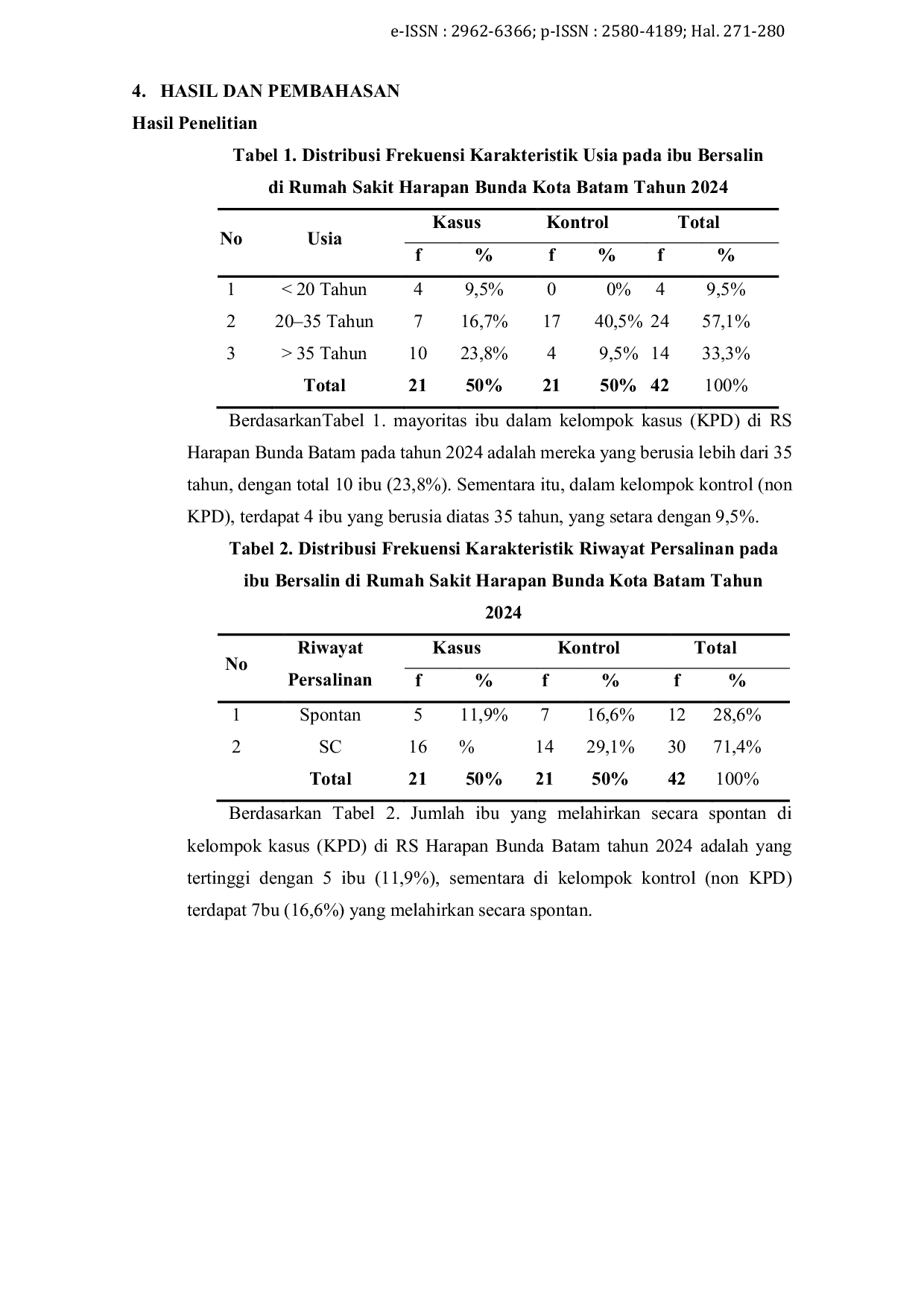
UNIMMANUNIMMAN Ketuban Pecah Dini (KPD) merupakan kondisi di mana selaput ketuban pecah sebelum proses persalinan dimulai. Kondisi ini dapat terjadi pada kehamilan cukupKetuban Pecah Dini (KPD) merupakan kondisi di mana selaput ketuban pecah sebelum proses persalinan dimulai. Kondisi ini dapat terjadi pada kehamilan cukup
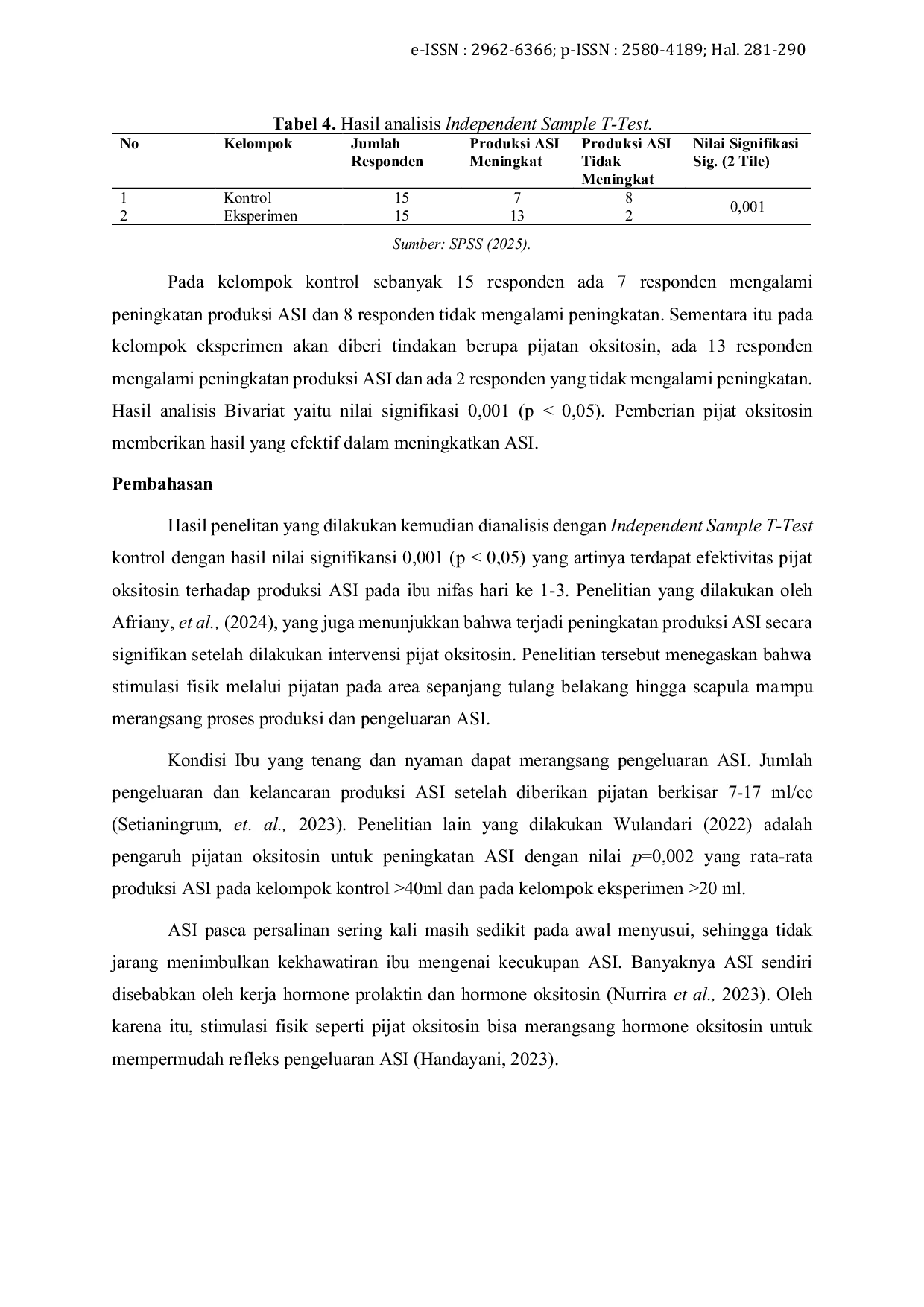
UNIMMANUNIMMAN Air susu ibu (ASI) merupakan makanan alami bagi bayi baru lahir yang memengaruhi tumbuh kembangnya. ASI diberikan tanpa campuran lain selama usia nol hinggaAir susu ibu (ASI) merupakan makanan alami bagi bayi baru lahir yang memengaruhi tumbuh kembangnya. ASI diberikan tanpa campuran lain selama usia nol hingga
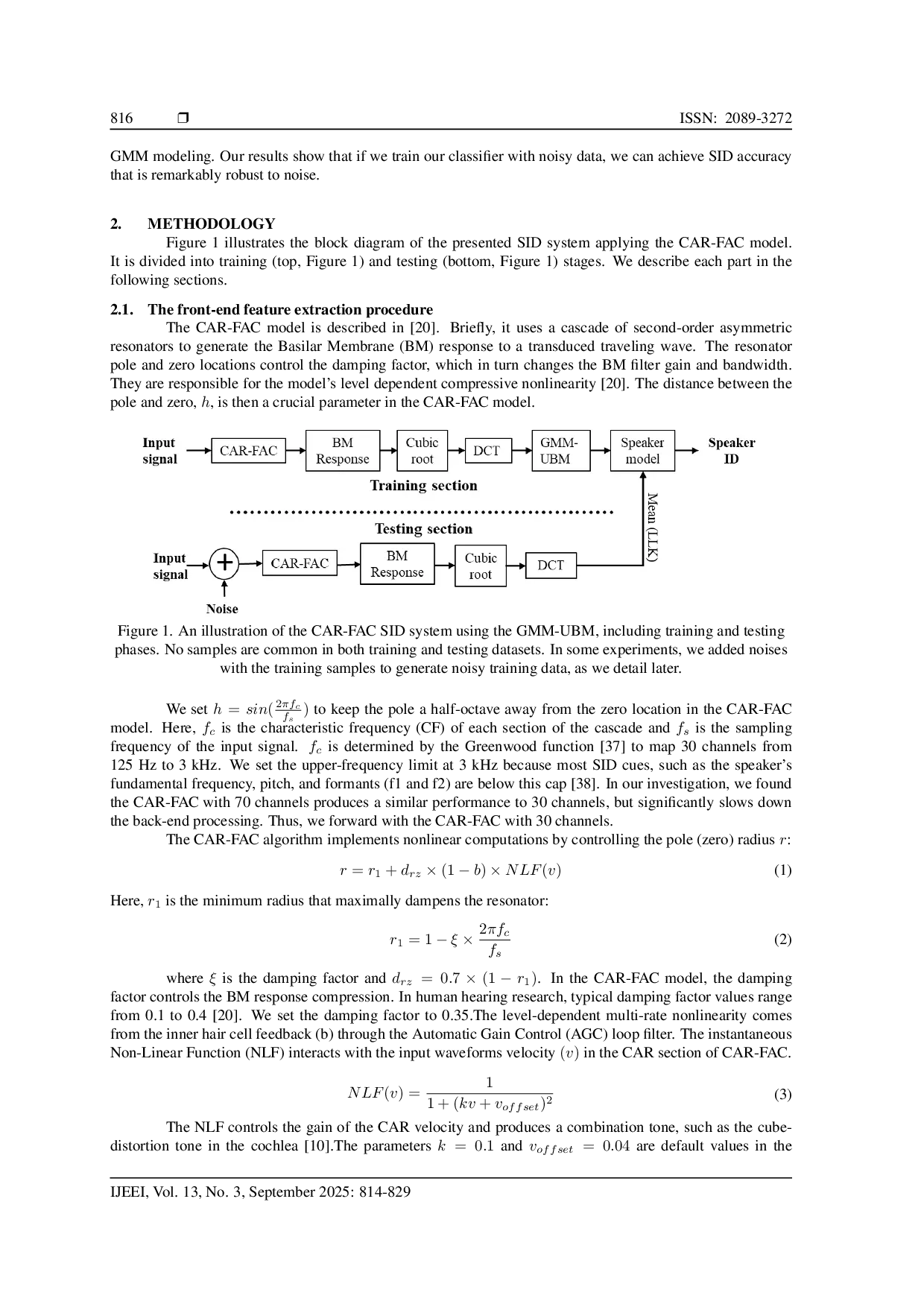
IAESONLINEIAESONLINE Kami menyelidiki dampak data pelatihan yang berisik terhadap kinerja SID dan kebisingan yang dapat meningkatkan kinerja SID. Dalam penelitian ini, kamiKami menyelidiki dampak data pelatihan yang berisik terhadap kinerja SID dan kebisingan yang dapat meningkatkan kinerja SID. Dalam penelitian ini, kami
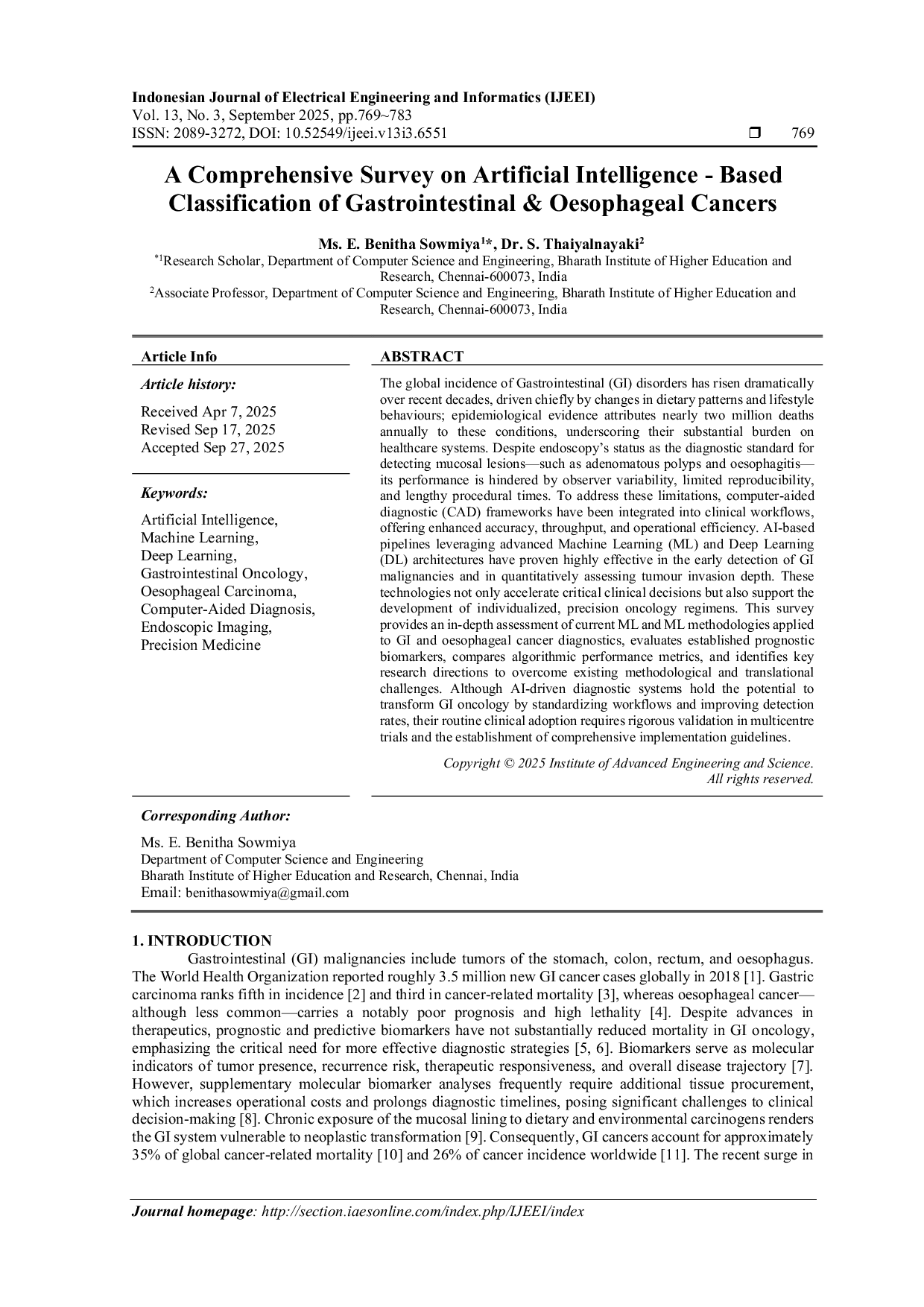
IAESONLINEIAESONLINE Teknologi ini tidak hanya mempercepat keputusan klinis yang kritis tetapi juga mendukung pengembangan regimen onkologi presisi yang disesuaikan. SurveiTeknologi ini tidak hanya mempercepat keputusan klinis yang kritis tetapi juga mendukung pengembangan regimen onkologi presisi yang disesuaikan. Survei
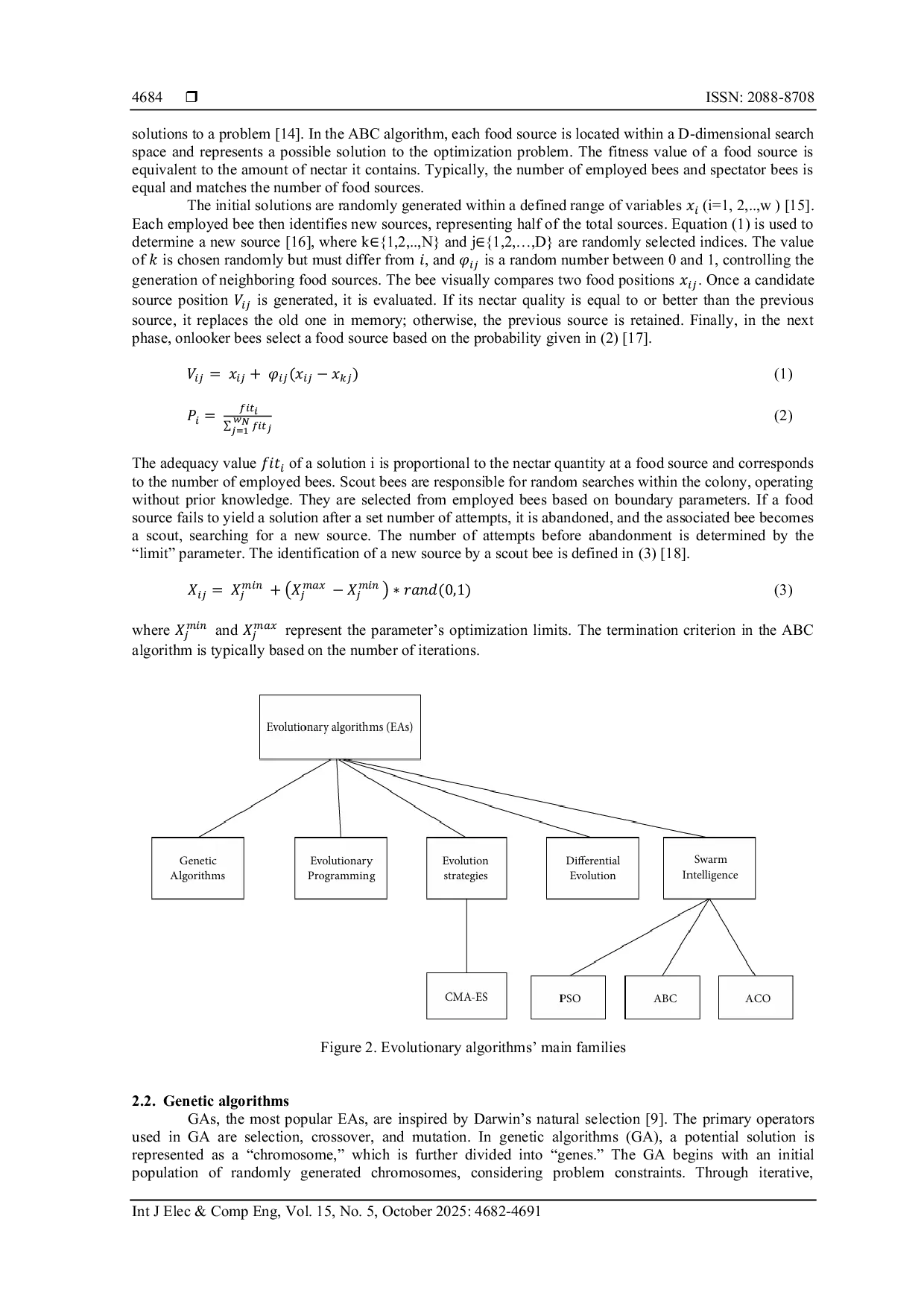
IAESCOREIAESCORE Algoritma koloni lebah buatan (ABC) telah berhasil digunakan untuk mengoptimalkan desain filter SIW. Hasil simulasi menunjukkan kinerja yang sangat baik,Algoritma koloni lebah buatan (ABC) telah berhasil digunakan untuk mengoptimalkan desain filter SIW. Hasil simulasi menunjukkan kinerja yang sangat baik,
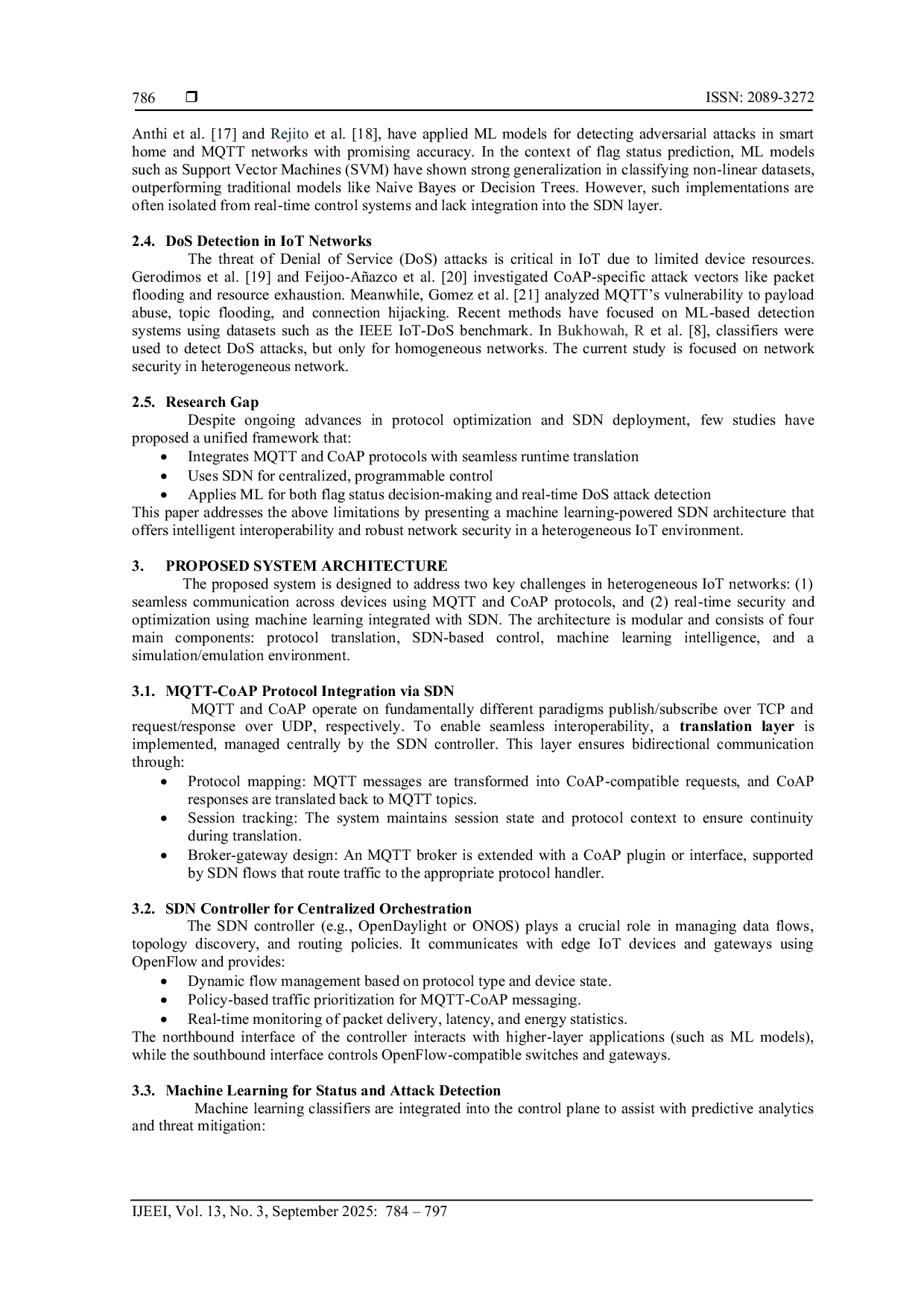
IAESONLINEIAESONLINE Untuk mengevaluasi kinerja, tempat tidur uji IoT berbasis Mininet dengan 50 node heterogen telah diterapkan. Hasil simulasi menunjukkan bahwa sistem yangUntuk mengevaluasi kinerja, tempat tidur uji IoT berbasis Mininet dengan 50 node heterogen telah diterapkan. Hasil simulasi menunjukkan bahwa sistem yang
Useful /

UNIMMANUNIMMAN Analisis data menggunakan analisis univariat, bivariat dengan statistik uji chi-square dan multivariat dengan statistik uji regresi logistik pada tarafAnalisis data menggunakan analisis univariat, bivariat dengan statistik uji chi-square dan multivariat dengan statistik uji regresi logistik pada taraf
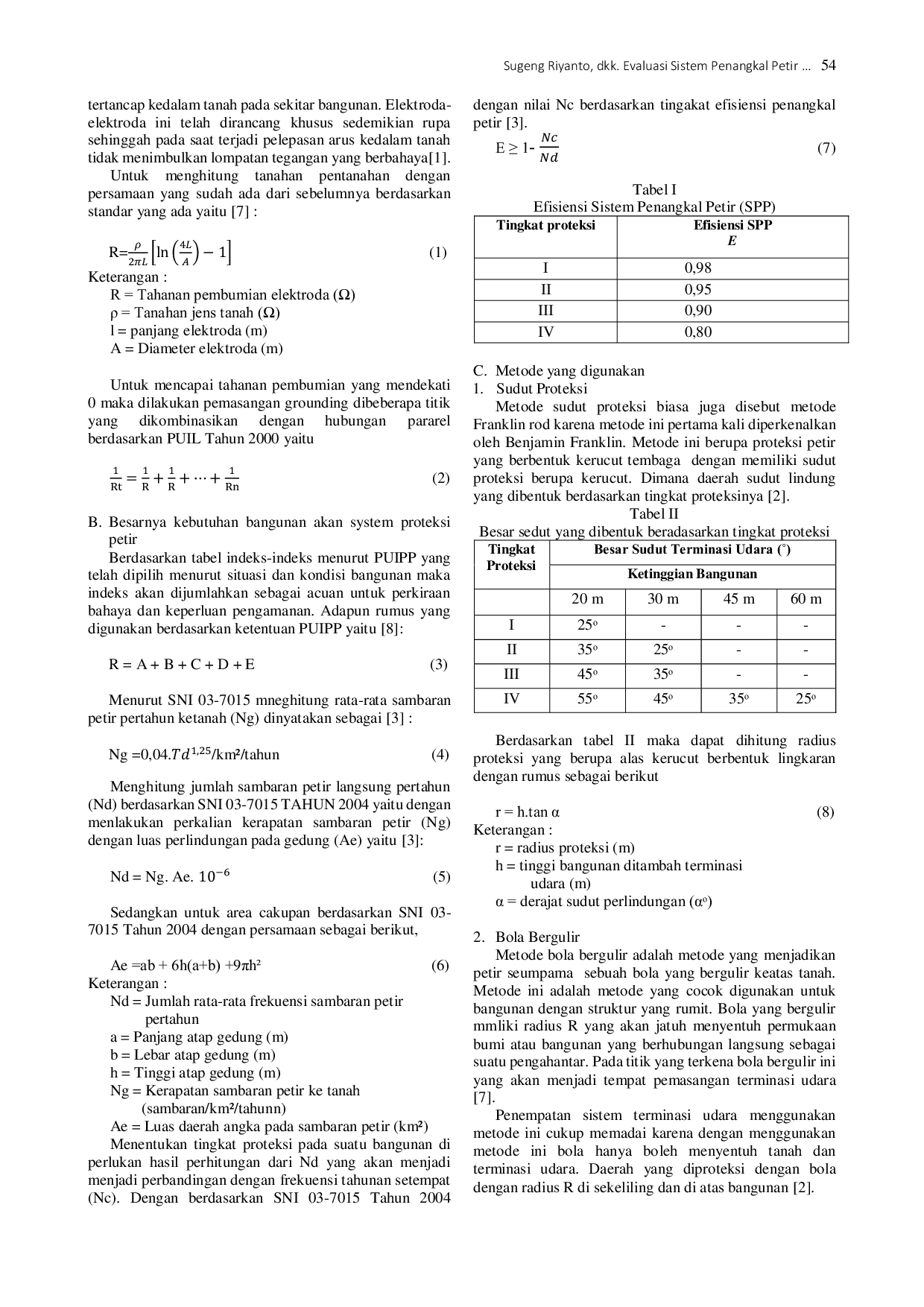
UBTUBT Analisis menggunakan metode sudut proteksi menghasilkan sudut 45° dengan jari-jari alas 38,75 meter. Selanjutnya, metode bola bergulir menghasilkan radiusAnalisis menggunakan metode sudut proteksi menghasilkan sudut 45° dengan jari-jari alas 38,75 meter. Selanjutnya, metode bola bergulir menghasilkan radius
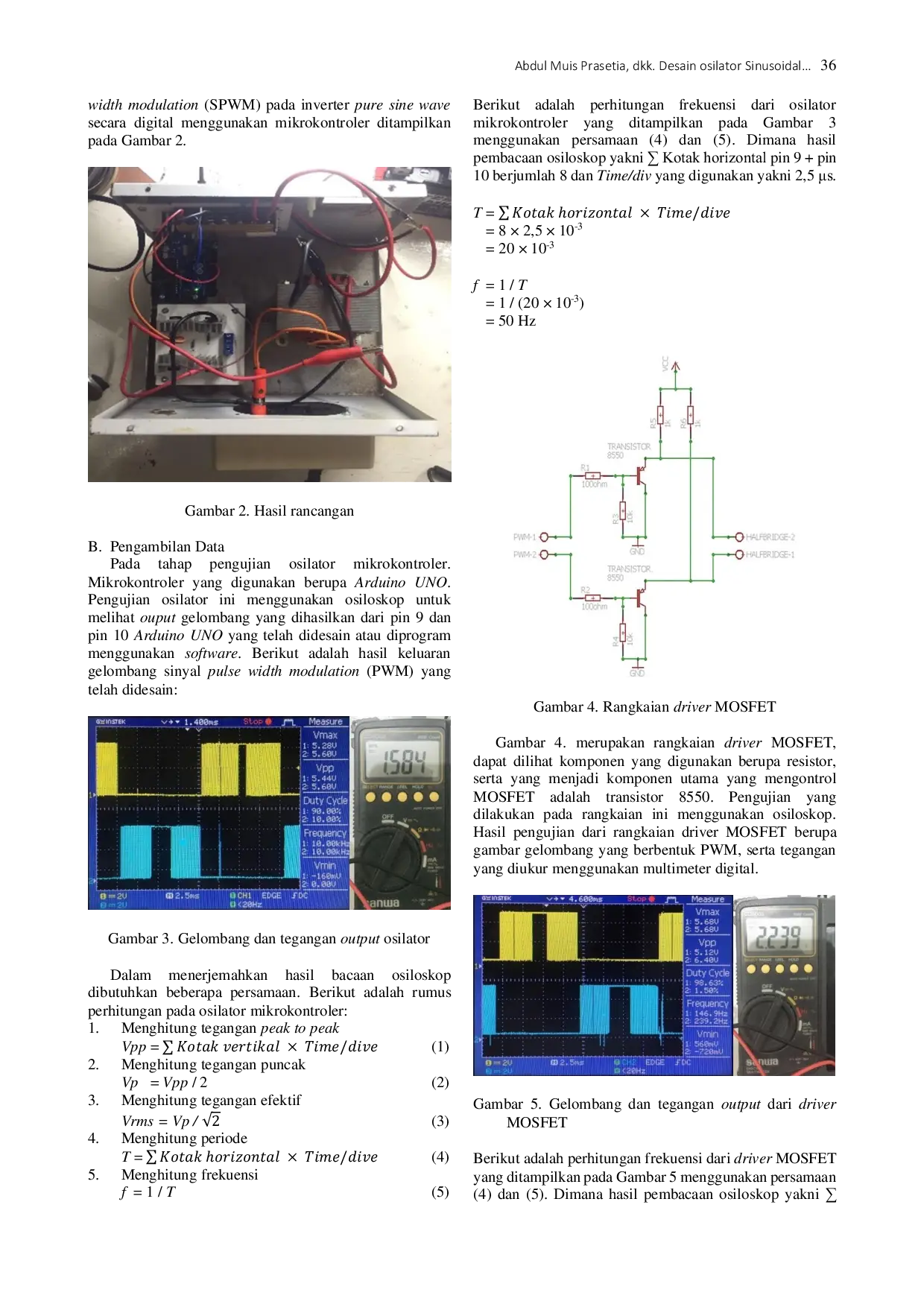
UBTUBT Inverter ini memerlukan osilator. Osilator yang digunakan dalam penelitian ini adalah mikrokontroler yang didesain dengan memasukkan program perintah,Inverter ini memerlukan osilator. Osilator yang digunakan dalam penelitian ini adalah mikrokontroler yang didesain dengan memasukkan program perintah,
UNSADAUNSADA Berdasarkan data yang sudah penulis dapatkan, dapat disimpulkan bahwa fenomena ini ada karena kebebasan seksual yang lumrah di Jepang, sehingga meningkatanBerdasarkan data yang sudah penulis dapatkan, dapat disimpulkan bahwa fenomena ini ada karena kebebasan seksual yang lumrah di Jepang, sehingga meningkatan