IAESCOREIAESCORE
International Journal of Electrical and Computer Engineering (IJECE)International Journal of Electrical and Computer Engineering (IJECE)Decomposition of the surface electromyography (sEMG) signal is vital for separating the composite, complex, noisy signals recorded from muscles into their integral motor unit action potentials (MUAPs). By precisely identifying each motor units activity, this method offers greater insights into the functioning of the neuromuscular system, which helps isolate each motor units contribution, making it essential for understanding muscle coordination and diagnosing neuromuscular disorders. In this study, we employ the maximal overlapping discrete wavelet transform (MODWT), which is well-suited for analyzing signals in the time-frequency domain. The study decomposed the sEMG signal into six levels to identify the neural activity of finger movements and analyzed the motor unit action potential (MUAP). In the frequency range of 30.2 and 64.6 Hz, the signal exhibits the highest MUAP which is independent of movement. Using inverse MODWT, it was rebuilt from the decomposed levels. With 95.8% accuracy, the similarity between the reassembled signal and the original signal was determined using correlation analysis to assess the efficacy of the method.
The study successfully demonstrated the effectiveness of the proposed MODWT-based multiresolution decomposition technique for improving the quality and interpretability of sEMG signals related to finger movements.The identification of specific frequency bands correlating with motor neuron firing during finger motions provides valuable physiological insights.Furthermore, the channel selection technique based on average relative energy reduces computational complexity without sacrificing performance, which is crucial for real-time and wearable applications.
Future research should investigate the application of this decomposition technique to a wider range of muscle groups and movement types to assess its generalizability and robustness. Exploring the potential of integrating this method with machine learning algorithms could lead to the development of more accurate and adaptive control systems for prosthetic limbs and rehabilitation devices. Additionally, investigating the impact of individual physiological differences, such as age and muscle fatigue, on the optimal wavelet parameters and decomposition levels could further refine the technique and enhance its personalized application in clinical settings. These investigations could also explore the use of this method for real-time feedback in biofeedback therapy, potentially improving patient outcomes in neuromuscular rehabilitation. Finally, a study comparing the performance of MODWT with other advanced decomposition techniques, such as empirical mode decomposition and variational mode decomposition, would provide a comprehensive evaluation of its strengths and limitations.
| File size | 1.31 MB |
| Pages | 12 |
| DMCA | Report |
Related /
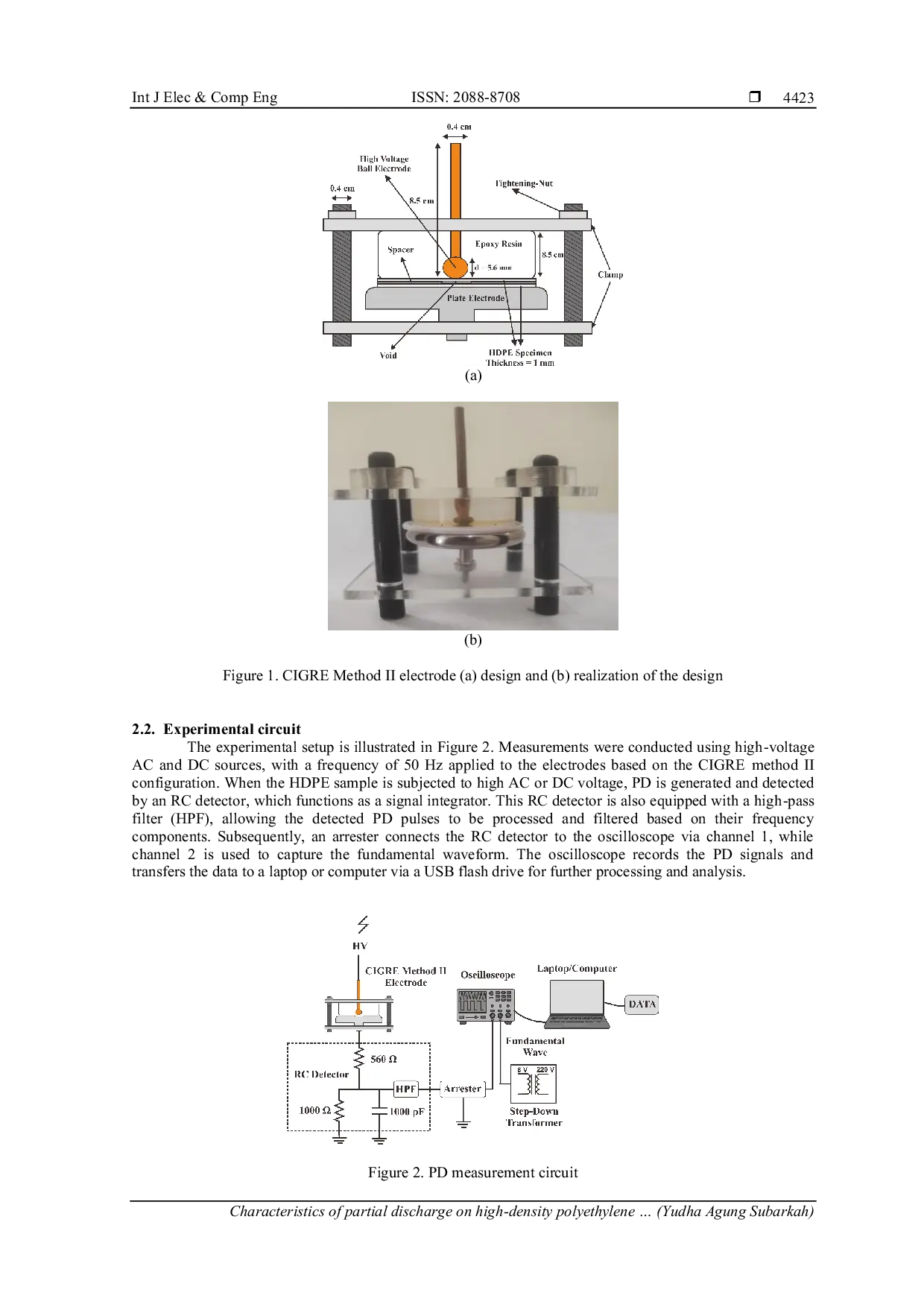
IAESCOREIAESCORE The results show that HDPE performs better under DC voltage compared to AC. This is evidenced by the average PD inception voltage (Vin) under DC conditionsThe results show that HDPE performs better under DC voltage compared to AC. This is evidenced by the average PD inception voltage (Vin) under DC conditions

IAESCOREIAESCORE In recent years, interest in electric railway systems as a transportation solution for large urban areas has grown significantly. This increased attentionIn recent years, interest in electric railway systems as a transportation solution for large urban areas has grown significantly. This increased attention
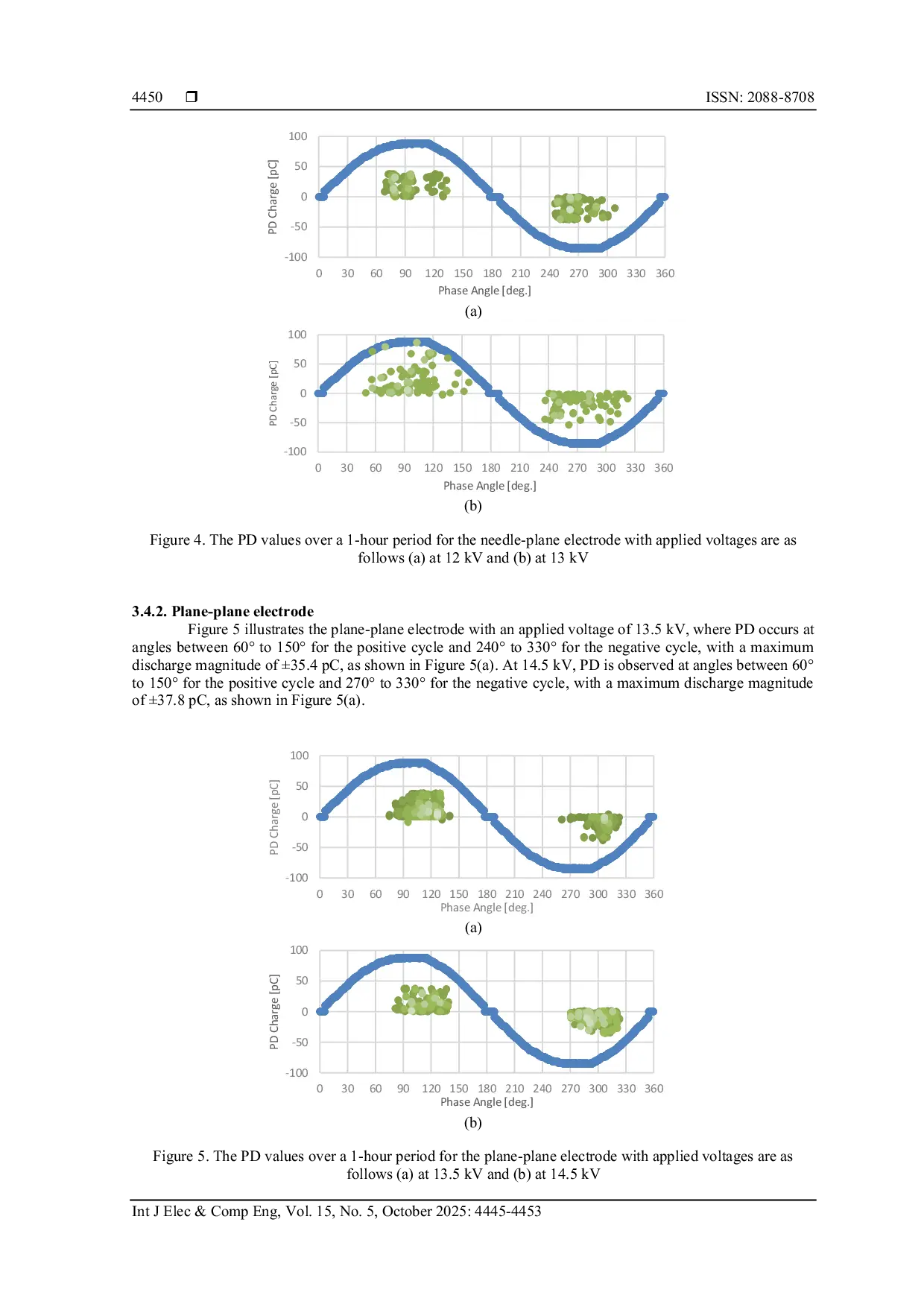
IAESCOREIAESCORE Pelepasan parsial (PD) adalah fenomena yang terjadi pada peralatan tegangan tinggi dalam kondisi pra-kegagalan. Aktivitas PD dapat terjadi pada isolasiPelepasan parsial (PD) adalah fenomena yang terjadi pada peralatan tegangan tinggi dalam kondisi pra-kegagalan. Aktivitas PD dapat terjadi pada isolasi

IAESCOREIAESCORE Maximum power point tracking controllers are essential for optimizing the efficiency of wind power generation. This paper presents the development of threeMaximum power point tracking controllers are essential for optimizing the efficiency of wind power generation. This paper presents the development of three

IAESCOREIAESCORE Results obtained show that designing an electric vehicle (EV) charging station requires selecting the appropriate AC or DC charging infrastructure. ACResults obtained show that designing an electric vehicle (EV) charging station requires selecting the appropriate AC or DC charging infrastructure. AC
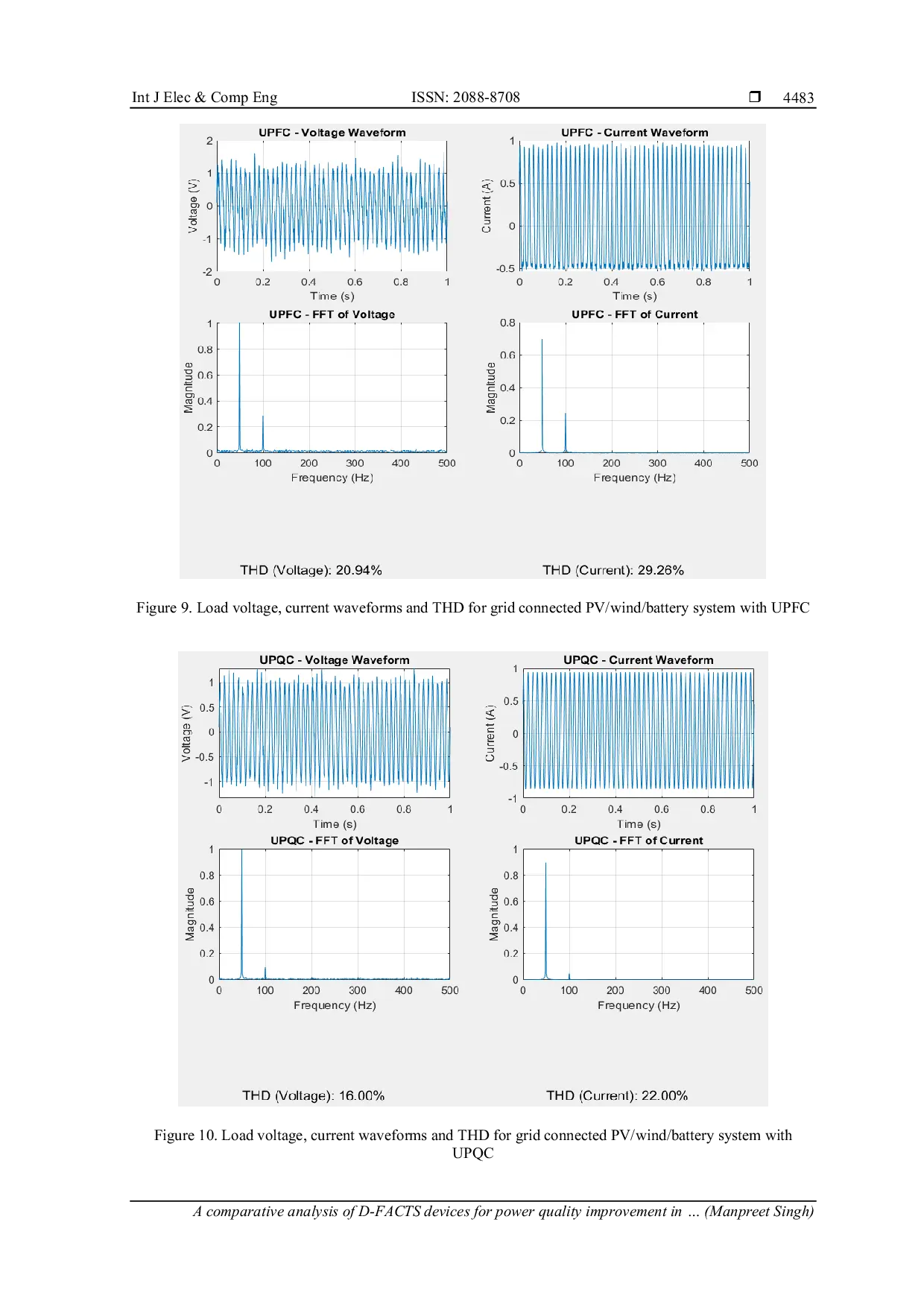
IAESCOREIAESCORE Kinerja DVR, UPFC, dan UPQC telah diimplementasikan dan dibandingkan dalam sistem fotovoltaik/angin/baterai yang terintegrasi non-linear. Dalam penelitianKinerja DVR, UPFC, dan UPQC telah diimplementasikan dan dibandingkan dalam sistem fotovoltaik/angin/baterai yang terintegrasi non-linear. Dalam penelitian
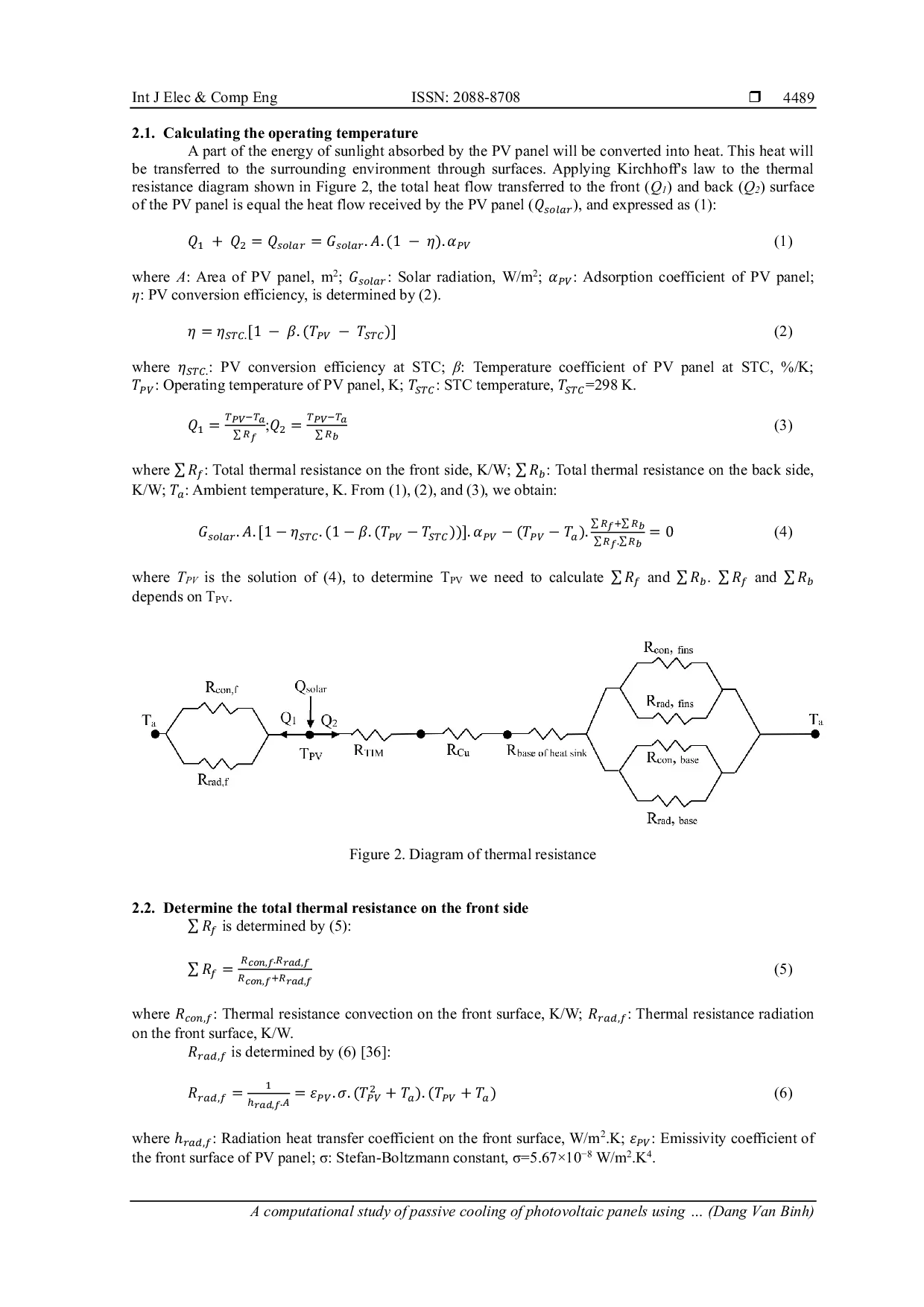
IAESCOREIAESCORE The conversion efficiency of photovoltaic panels depends on many factors such as solar radiation, wind speed, dust, orientation, tilt angle, and operatingThe conversion efficiency of photovoltaic panels depends on many factors such as solar radiation, wind speed, dust, orientation, tilt angle, and operating

IAESCOREIAESCORE Keunikan metode ini adalah kemampuan untuk memperoleh algoritma kendali dalam bentuk analitis eksplisit, yang menjamin universalitasnya dalam mengaturKeunikan metode ini adalah kemampuan untuk memperoleh algoritma kendali dalam bentuk analitis eksplisit, yang menjamin universalitasnya dalam mengatur
Useful /

IAESCOREIAESCORE Lima area aplikasi robotika bantuan diidentifikasi yang bermanfaat bagi anak-anak, orang lanjut usia, memberikan bantuan rumah sakit, membantu orang denganLima area aplikasi robotika bantuan diidentifikasi yang bermanfaat bagi anak-anak, orang lanjut usia, memberikan bantuan rumah sakit, membantu orang dengan

IAESCOREIAESCORE This can negatively affect efficiency, especially during peak solar hours. The results also show that differences in bPV installation orientation affectThis can negatively affect efficiency, especially during peak solar hours. The results also show that differences in bPV installation orientation affect

IAESCOREIAESCORE The proposed data-driven reinforcement learning algorithm incorporating a discount factor was developed for the two subsystems of a UAV quadrotor to addressThe proposed data-driven reinforcement learning algorithm incorporating a discount factor was developed for the two subsystems of a UAV quadrotor to address

BINAMANDIRIBINAMANDIRI Sistem zonasi yang diterapkan sejak tahun 2017 telah secara signifikan mengubah lanskap pendidikan menengah di Kota Jayapura, memicu munculnya sekolahSistem zonasi yang diterapkan sejak tahun 2017 telah secara signifikan mengubah lanskap pendidikan menengah di Kota Jayapura, memicu munculnya sekolah