ITHBITHB
Jurnal TelematikaJurnal TelematikaThis study uses a supervised learning approach based on neural networks for anomaly detection in industrial fan systems. Using a subset of the FAN data from the MIMII (malfunctioning industrial machine investigation and inspection) dataset with 530 labelled recordings (383 normal and 147 abnormal), this study extracts acoustic features including mel-frequency cepstral coefficients (MFCC), spectral descriptors (centroid, roll off), and temporal measures (zero-crossing rate, autocorrelation). Univariate statistical tests reveal that several MFCC coefficients and time-domain features differ significantly between classes (p < 0.05). A feed-forward neural network model with two hidden layers of 64 units (ReLU activation) and dropout regularisation was trained using stratified cross-validation with 5-fold, resulting in an average F1 score of 89.9%. The use of several threshold values (τ ∈ {0.3–0.7}) confirmed the robustness of the model, as seen in the test data results with the selected threshold value of τ = 0.5, which achieved a precision of 100%, recall = 93.10%, F1 = 96.43%, and accuracy = 98.11% (identical results were obtained at τ = 0.6–0.7; while τ = 0.3 provided higher recall). The model also produced an AUC-ROC value of 0.9978, which is close to ideal and demonstrates excellent cross-threshold discrimination. These findings demonstrate that combining interpretable acoustic features with a compact neural classifier enables accurate non-invasive anomaly detection for Industry 4.0 applications with minimal hardware requirements.
Penelitian ini berhasil mengembangkan klasifikasi berbasis jaringan saraf terawasi untuk mendeteksi anomali suara pada sistem kipas industri dengan memanfaatkan fitur akustik yang direkayasa.Hasil pengujian menunjukkan bahwa model yang diusulkan mampu mencapai akurasi tinggi, dengan presisi 100% dan recall 93.Temuan ini mengindikasikan potensi besar dari kombinasi fitur akustik yang dapat diinterpretasikan dengan klasifikasi saraf yang ringkas untuk deteksi anomali non-invasif dalam aplikasi Industri 4.
Penelitian lanjutan dapat difokuskan pada pengembangan model yang lebih adaptif terhadap variasi lingkungan industri yang berbeda, misalnya dengan menerapkan teknik transfer learning dari dataset yang lebih luas. Selain itu, eksplorasi metode unsupervised learning, seperti autoencoder variasi, dapat dilakukan untuk mendeteksi anomali pada kondisi tanpa data berlabel yang memadai. Terakhir, integrasi data sensor lain, seperti getaran dan suhu, dengan data akustik dapat meningkatkan akurasi dan keandalan sistem deteksi anomali, sehingga memungkinkan pemeliharaan prediktif yang lebih efektif dan mengurangi downtime mesin secara signifikan. Penelitian ini diharapkan dapat memberikan kontribusi pada pengembangan sistem pemantauan kondisi mesin yang cerdas dan berkelanjutan di lingkungan industri.
- A Machine-Learning-Based Distributed System for Fault Diagnosis With Scalable Detection Quality in Industrial... doi.org/10.1109/JIOT.2020.3026211A Machine Learning Based Distributed System for Fault Diagnosis With Scalable Detection Quality in Industrial doi 10 1109 JIOT 2020 3026211
- MIMII Dataset: Sound Dataset for Malfunctioning Industrial Machine Investigation and Inspection : Faculty... doi.org/10.33682/m76f-d618MIMII Dataset Sound Dataset for Malfunctioning Industrial Machine Investigation and Inspection Faculty doi 10 33682 m76f d618
- Improved Mel Frequency Cepstral Coefficients for Compressors and Pumps Fault Diagnosis with Deep Learning... mdpi.com/2076-3417/14/5/1710Improved Mel Frequency Cepstral Coefficients for Compressors and Pumps Fault Diagnosis with Deep Learning mdpi 2076 3417 14 5 1710
- Web-Based Writing Learning Application of Basic Hanacaraka Using Convolutional Neural Network Method... doi.org/10.31937/ti.v15i1.2993Web Based Writing Learning Application of Basic Hanacaraka Using Convolutional Neural Network Method doi 10 31937 ti v15i1 2993
| File size | 1.28 MB |
| Pages | 12 |
| DMCA | Report |
Related /

UNUBLITARUNUBLITAR Penelitian ini menggunakan data primer berupa kriteria supplier CV Aida yang diperoleh melalui wawancara dan kuesioner kepada tiga pegawai yang memahamiPenelitian ini menggunakan data primer berupa kriteria supplier CV Aida yang diperoleh melalui wawancara dan kuesioner kepada tiga pegawai yang memahami

IAIIIAII Tujuan dari penelitian dijadikan input bagi para investor dalam identifikasi harga saham hingga Pada akhirnya manfaat yang dirasakan dari hasil penelitianTujuan dari penelitian dijadikan input bagi para investor dalam identifikasi harga saham hingga Pada akhirnya manfaat yang dirasakan dari hasil penelitian
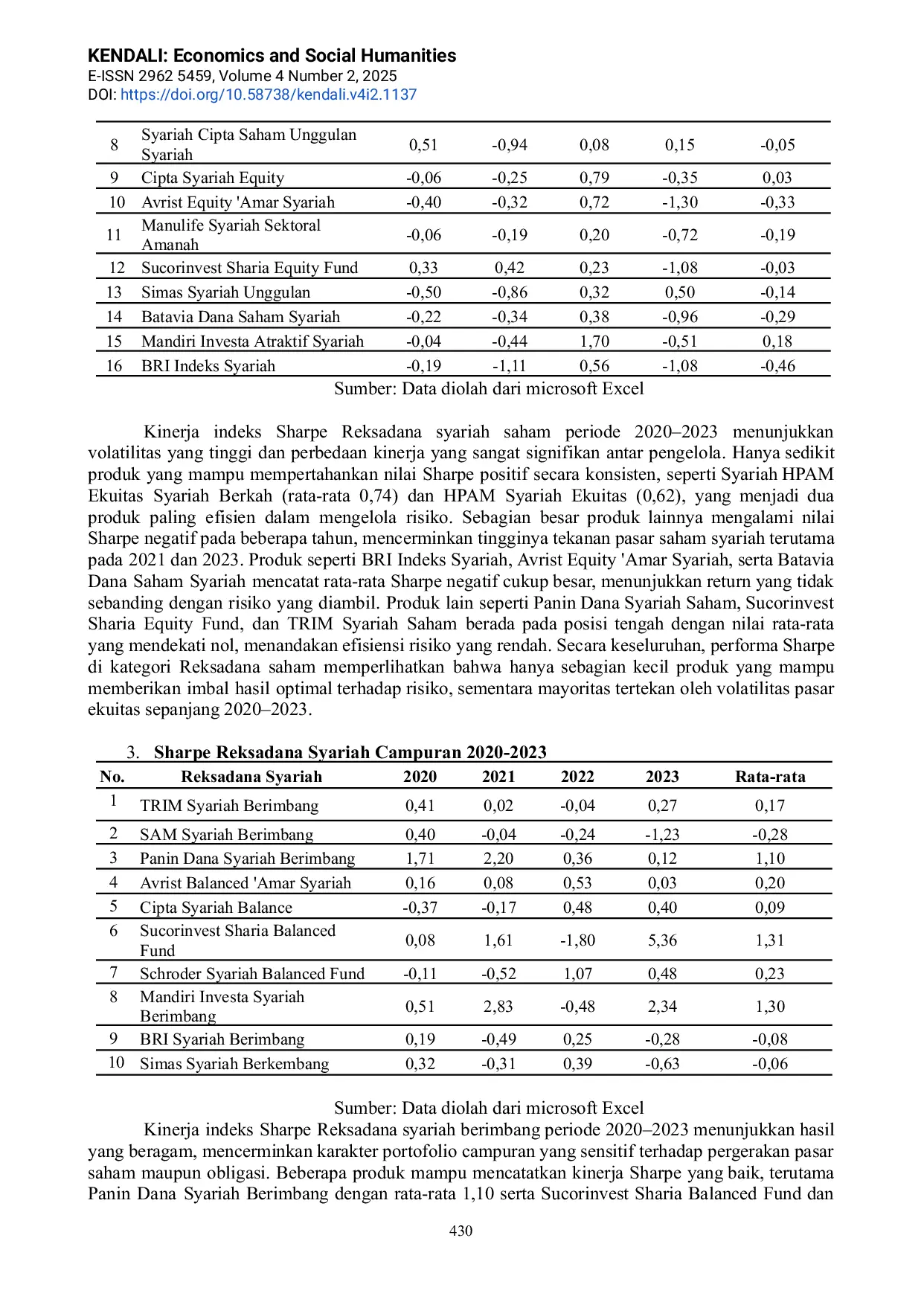
ASIANPUBLISHERASIANPUBLISHER Oleh karena itu, investor disarankan untuk menyesuaikan pilihan Reksadana dengan profil risiko dan tujuan investasinya. Reksadana syariah pendapatan tetapOleh karena itu, investor disarankan untuk menyesuaikan pilihan Reksadana dengan profil risiko dan tujuan investasinya. Reksadana syariah pendapatan tetap

GREENATIONPUBLISHERGREENATIONPUBLISHER Penyelesaian melalui litigasi terbukti tidak efektif karena tingginya biaya, lamanya waktu, dan kegagalannya menjamin hubungan sosial yang berkelanjutan.Penyelesaian melalui litigasi terbukti tidak efektif karena tingginya biaya, lamanya waktu, dan kegagalannya menjamin hubungan sosial yang berkelanjutan.

UNIBIUNIBI Dengan menerapkan proses Data Mining, penelitian ini menganalisis pengaruh nilai tukar terhadap volume ekspor Integrated Circuit Korea Selatan dengan menggunakanDengan menerapkan proses Data Mining, penelitian ini menganalisis pengaruh nilai tukar terhadap volume ekspor Integrated Circuit Korea Selatan dengan menggunakan

UNIMUNIM Informasi terkait prediksi harga beras sangat perlu bagi masyarakat untuk perencanaan dan pengelolaan rumah tangga. Tujuan penelitian ini adalah menerapkanInformasi terkait prediksi harga beras sangat perlu bagi masyarakat untuk perencanaan dan pengelolaan rumah tangga. Tujuan penelitian ini adalah menerapkan

UNIK KEDIRIUNIK KEDIRI Total Cost konsep Period Order Quantity sebesar Rp. 547, sedangkan Total Cost konsep Perusahaan sebesar 3. Dengan demikian, menggunakan Total Cost konsepTotal Cost konsep Period Order Quantity sebesar Rp. 547, sedangkan Total Cost konsep Perusahaan sebesar 3. Dengan demikian, menggunakan Total Cost konsep

TUNASBANGSATUNASBANGSA Dari hasil penelitian ini didapatkan bahwa jumlah pendaftar Santri/wati di Pondok pesantren Modern Al‑Kautsar diprediksi mengalami kenaikan, dengan tingkatDari hasil penelitian ini didapatkan bahwa jumlah pendaftar Santri/wati di Pondok pesantren Modern Al‑Kautsar diprediksi mengalami kenaikan, dengan tingkat
Useful /
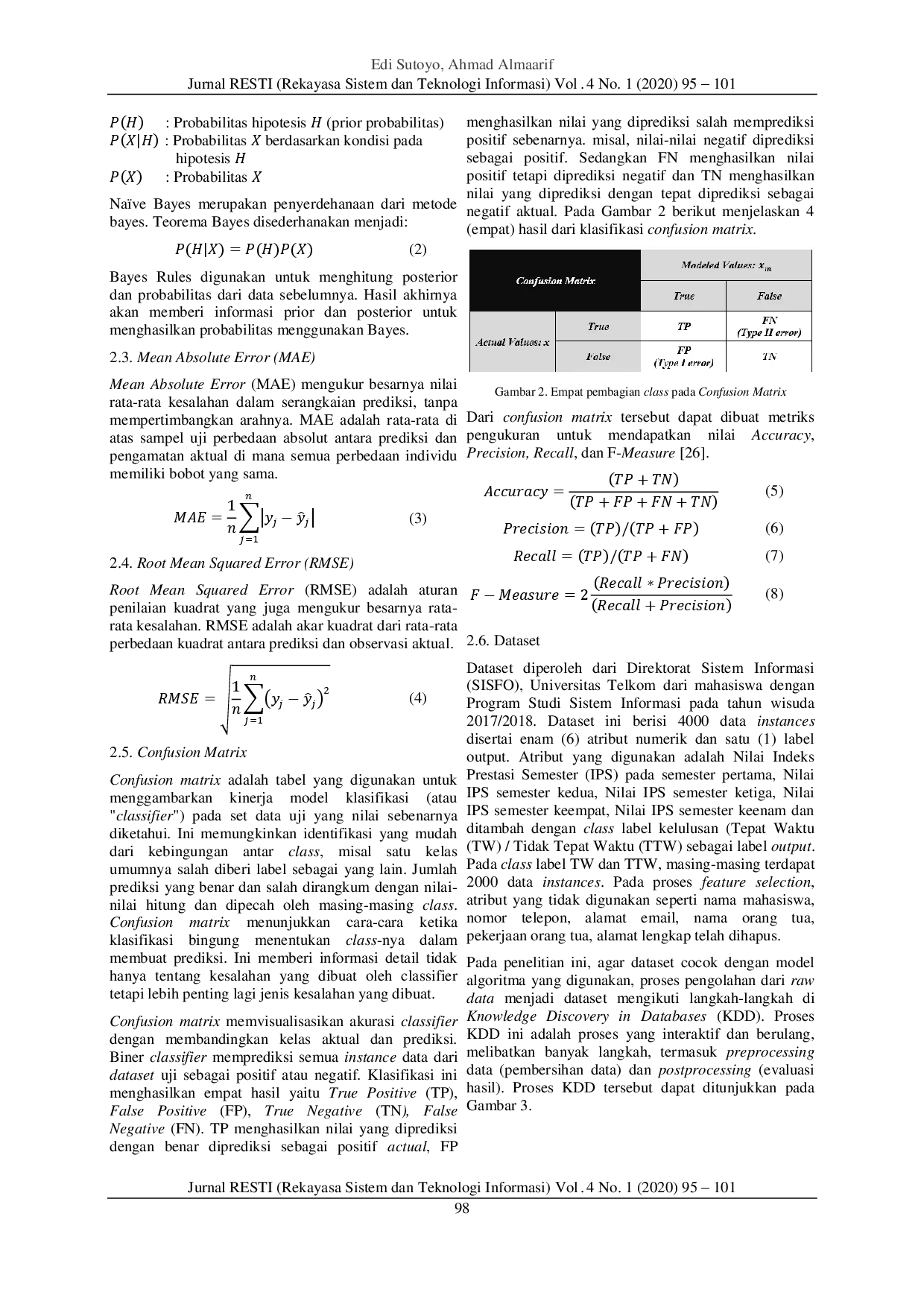
IAIIIAII Mahasiswa merupakan salah satu komponen utama pada dunia pendidikan dan diharapkan dapat mengembangkan kualitas akademik maupun non-akademik selama masihMahasiswa merupakan salah satu komponen utama pada dunia pendidikan dan diharapkan dapat mengembangkan kualitas akademik maupun non-akademik selama masih
GREENATIONPUBLISHERGREENATIONPUBLISHER Namun, Undang-Undang Nomor 6 Tahun 2023 tentang Cipta Kerja menjadi dasar bagi implementasi K3. Studi ini menunjukkan bahwa disharmoni regulasi dan koordinasiNamun, Undang-Undang Nomor 6 Tahun 2023 tentang Cipta Kerja menjadi dasar bagi implementasi K3. Studi ini menunjukkan bahwa disharmoni regulasi dan koordinasi

GREENATIONPUBLISHERGREENATIONPUBLISHER resize serta peraturan pelaksanaannya, termasuk Keputusan Presiden tentang Daftar Prioritas Investasi. Regulasi ini bertujuan mempermudah berbisnis, menegakkanresize serta peraturan pelaksanaannya, termasuk Keputusan Presiden tentang Daftar Prioritas Investasi. Regulasi ini bertujuan mempermudah berbisnis, menegakkan
GREENATIONPUBLISHERGREENATIONPUBLISHER Kesimpulan penelitian ini adalah implementasi tanggung jawab pidana korporasi dalam kejahatan pajak diterapkan secara tidak konsisten. UU KUP tidak secaraKesimpulan penelitian ini adalah implementasi tanggung jawab pidana korporasi dalam kejahatan pajak diterapkan secara tidak konsisten. UU KUP tidak secara