STIKBARSTIKBAR
Public Health of IndonesiaPublic Health of IndonesiaAfter half a century as a regional disease in Central and West Africa, Monkeypox reemerged in 2022 and spread on a transnational and transcontinental scale. The World Health Organization (WHO) classified it as a Public Health Emergency of International Concern due to its rapid spread caused by the ease of global mobilization, risk deviant behaviors, and potential for virus mutations. Through literature review and other secondary data sources, this study scrutinized the risk of Monkeypox disease in Indonesia. Given the countrys various characteristics, such as geographical conditions, demographics, population mobility, and virus characteristics, it is most likely that there were Monkeypox cases in Indonesia, but they might not have been detected. Therefore, early vigilance must be owned by the community and accompanied by policy support and intervention to prevent Monkeypox transmission, particularly in surveillance efforts.
Indonesia faces a high risk of Monkeypox transmission due to its geographical location, population size, and potential for undetected cases.The lack of reported cases does not necessarily indicate absence of the disease, but rather may reflect limitations in detection and diagnostic capabilities.Strengthening surveillance, improving diagnostic capacity, and implementing public health measures such as tracing and treatment are crucial for mitigating the risk of a widespread outbreak.
Further research should focus on enhancing Indonesias capacity for early detection and accurate diagnosis of Monkeypox, potentially through the establishment of specialized laboratories and training for healthcare professionals. Investigating the potential for indirect transmission of the virus, beyond direct physical contact, is crucial, considering findings from studies on environmental contamination and healthcare worker infections. Additionally, research should explore the genetic characteristics of any potential Monkeypox strains circulating in Indonesia to monitor for mutations and assess the effectiveness of existing vaccines and treatments. These studies are vital to proactively prepare for and mitigate the impact of Monkeypox in Indonesia, building upon lessons learned from the COVID-19 pandemic and considering the unique demographic and geographical factors of the nation. A comprehensive understanding of these aspects will enable the development of targeted interventions and policies to protect public health and prevent future outbreaks, ensuring a more resilient health system for Indonesia.
- :: JKMS :: Journal of Korean Medical Science. jkms journal korean medical science e224 english published... doi.org/10.3346/jkms.2022.37.e224JKMS Journal of Korean Medical Science jkms journal korean medical science e224 english published doi 10 3346 jkms 2022 37 e224
- Travel-Related Monkeypox Outbreaks in the Era of COVID-19 Pandemic: Are We Prepared?. travel related... doi.org/10.3390/v14061283Travel Related Monkeypox Outbreaks in the Era of COVID 19 Pandemic Are We Prepared travel related doi 10 3390 v14061283
| File size | 227.9 KB |
| Pages | 7 |
| DMCA | Report |
Related /

STIKBARSTIKBAR Kontribusi teoretis dari surat ini terletak pada fakta bahwa surat ini memungkinkan kita untuk meninjau kembali teori kepemimpinan untuk memberi tahu kitaKontribusi teoretis dari surat ini terletak pada fakta bahwa surat ini memungkinkan kita untuk meninjau kembali teori kepemimpinan untuk memberi tahu kita
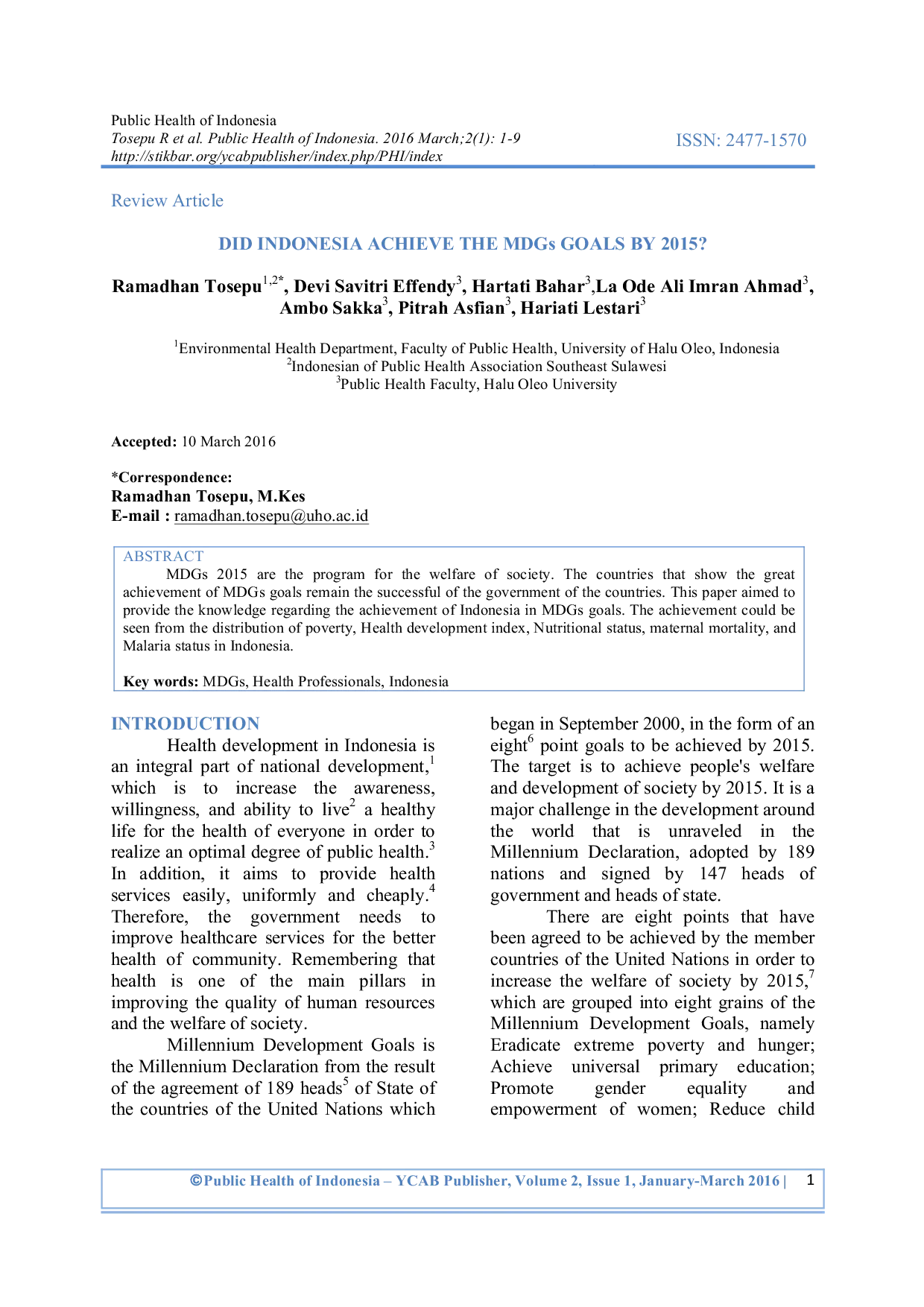
STIKBARSTIKBAR Kondisi yang dijelaskan di atas, yaitu kemiskinan, angka kematian ibu, Indeks Pembangunan Manusia (IPM), gizi, dan status malaria di Indonesia, tetap menjadiKondisi yang dijelaskan di atas, yaitu kemiskinan, angka kematian ibu, Indeks Pembangunan Manusia (IPM), gizi, dan status malaria di Indonesia, tetap menjadi

UNIGRESUNIGRES Kantor Cabang Kendari yang mengajukan kredit yang dibagi atas 3 kriteria nasabah, yaitu karyawan BUMN, karyawan swasta, serta pegawai pemerintahan. TeknikKantor Cabang Kendari yang mengajukan kredit yang dibagi atas 3 kriteria nasabah, yaitu karyawan BUMN, karyawan swasta, serta pegawai pemerintahan. Teknik

STIKBARSTIKBAR Hasil pemulihan dapat ditingkatkan secara signifikan dengan intervensi seperti program rehabilitasi multidisiplin, dukungan kesehatan mental, dan manajemenHasil pemulihan dapat ditingkatkan secara signifikan dengan intervensi seperti program rehabilitasi multidisiplin, dukungan kesehatan mental, dan manajemen
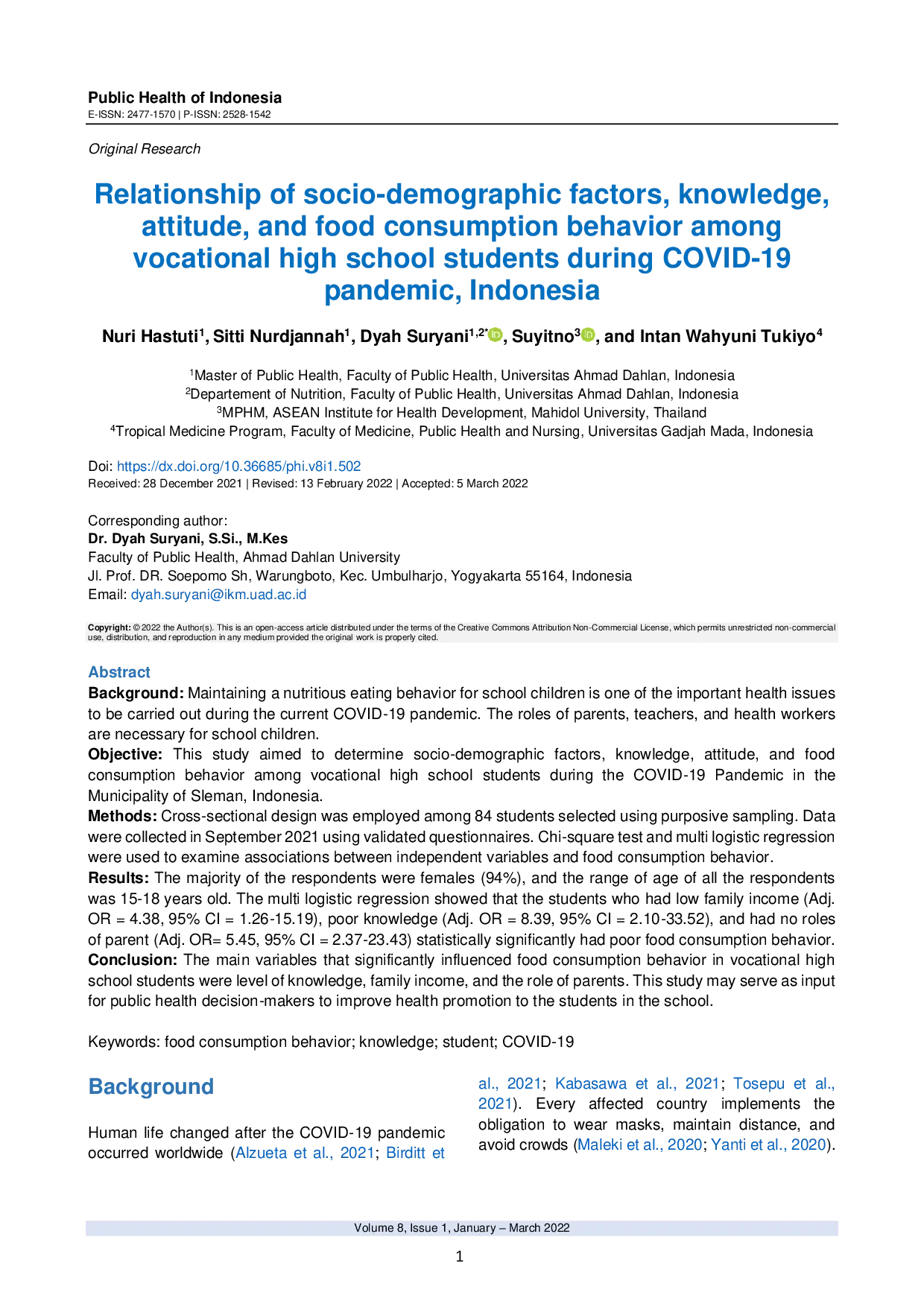
STIKBARSTIKBAR Pemeliharaan perilaku makan bergizi bagi anak sekolah merupakan salah satu isu kesehatan penting yang harus dilakukan selama pandemi COVID-19 saat ini.Pemeliharaan perilaku makan bergizi bagi anak sekolah merupakan salah satu isu kesehatan penting yang harus dilakukan selama pandemi COVID-19 saat ini.
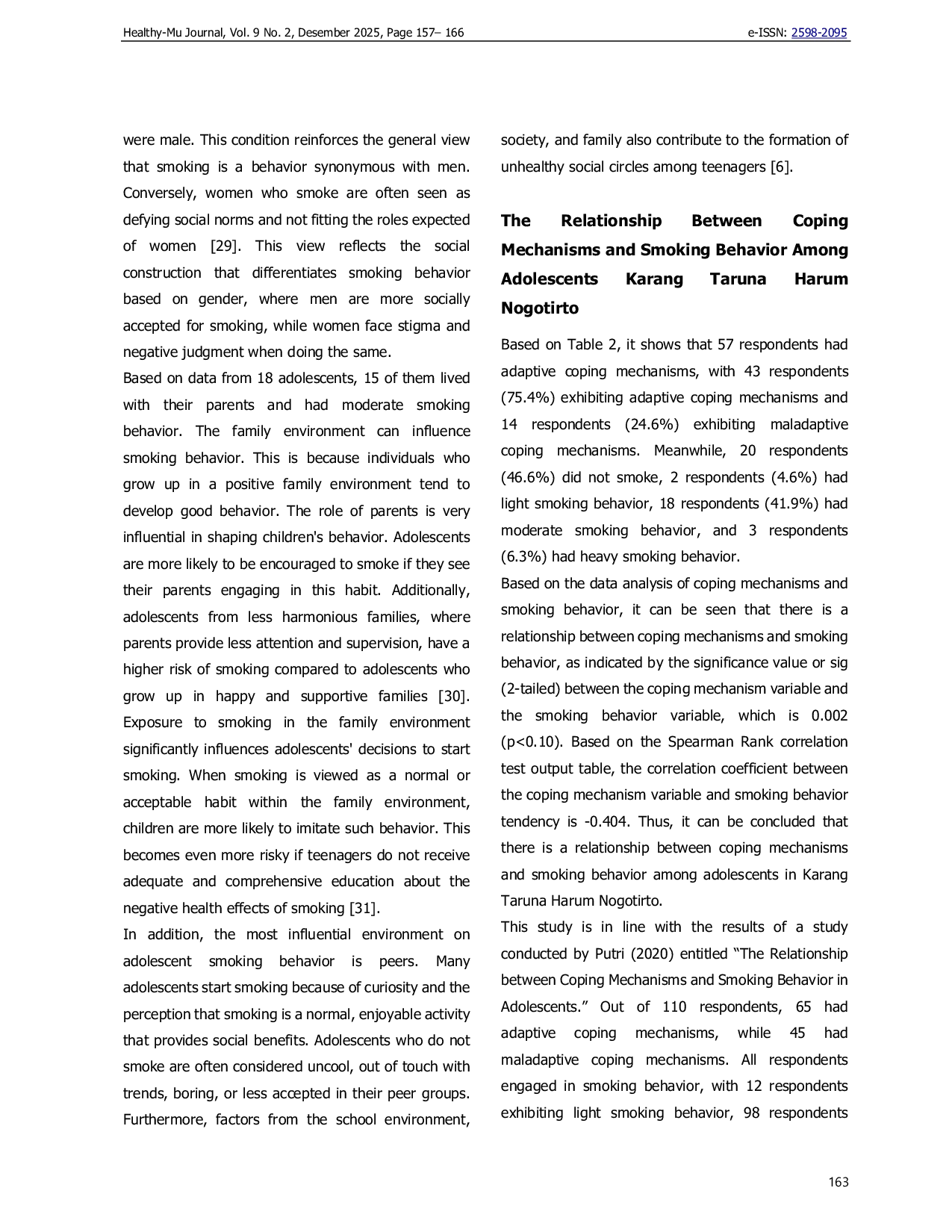
UMBJMUMBJM This study aims to determine the relationship between coping mechanisms and smoking behavior among adolescents at Karang Taruna Harum in Nogotirto. ThisThis study aims to determine the relationship between coping mechanisms and smoking behavior among adolescents at Karang Taruna Harum in Nogotirto. This

LPPM UNBAJALPPM UNBAJA Sampel yang digunakan dalam penelitian ini terdiri dari 170 responden. Data dikumpulkan menggunakan kuesioner sosiodemografi, Bergen Social Media AddictionSampel yang digunakan dalam penelitian ini terdiri dari 170 responden. Data dikumpulkan menggunakan kuesioner sosiodemografi, Bergen Social Media Addiction

BAJANGJOURNALBAJANGJOURNAL Berdasarkan hasil pengamatan selama 3 hari pada pasien halusinasi pendengaran dengan penerapan terapi okupasi menunjukkan bahwa terapi okupasi berpengaruhBerdasarkan hasil pengamatan selama 3 hari pada pasien halusinasi pendengaran dengan penerapan terapi okupasi menunjukkan bahwa terapi okupasi berpengaruh
Useful /
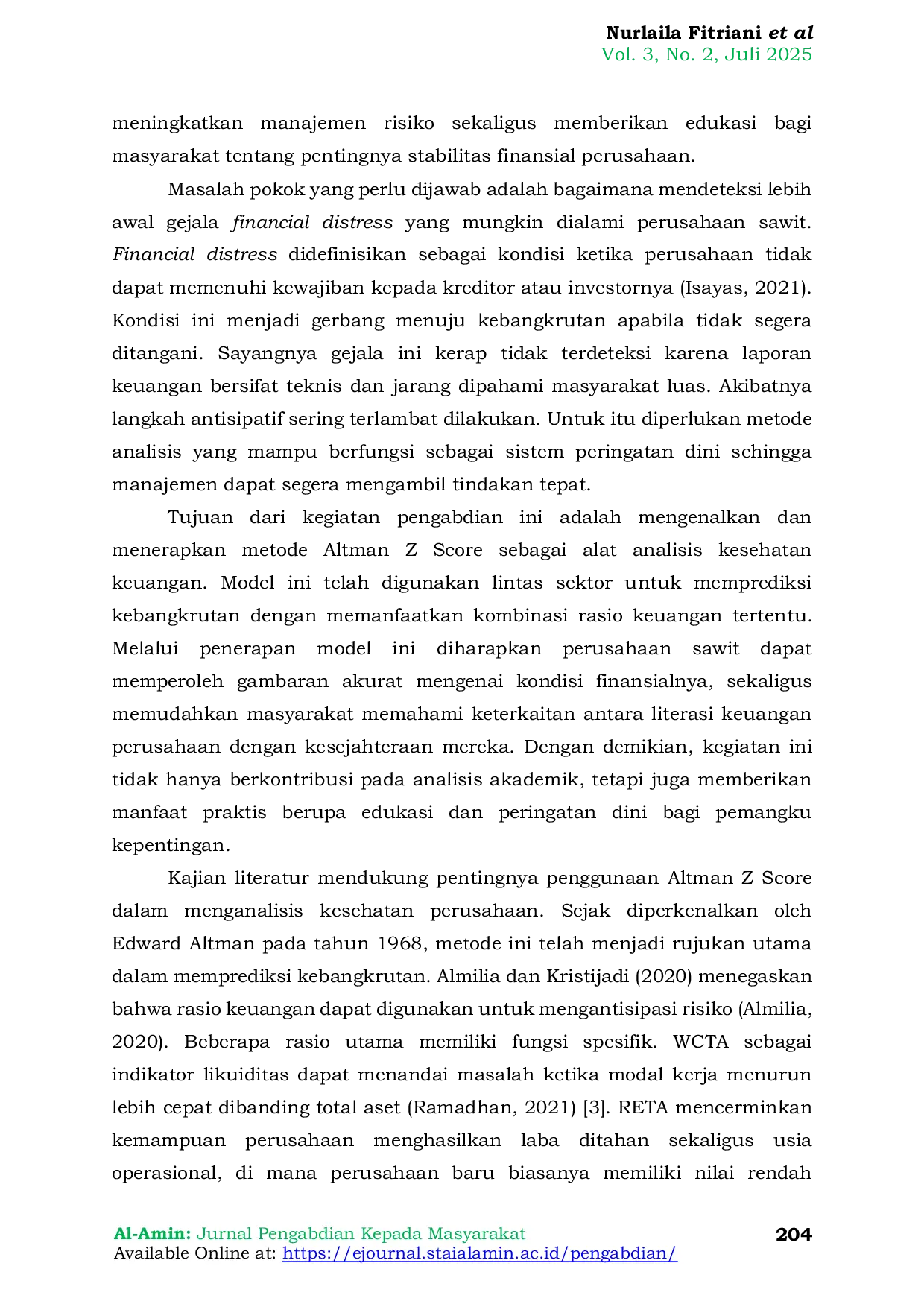
STAIALAMINSTAIALAMIN Pada awal periode, tepatnya tahun 2020, mayoritas perusahaan (tiga belas) masuk kategori safe zone, dua perusahaan berada di grey zone, dan satu perusahaanPada awal periode, tepatnya tahun 2020, mayoritas perusahaan (tiga belas) masuk kategori safe zone, dua perusahaan berada di grey zone, dan satu perusahaan
KHARISMAKHARISMA Tahap produksi mencakup pembuatan aset visual dan audio, implementasi gameplay turn-based, sistem pertarungan, penulisan dialog, serta penerapan UI/UX.Tahap produksi mencakup pembuatan aset visual dan audio, implementasi gameplay turn-based, sistem pertarungan, penulisan dialog, serta penerapan UI/UX.

LPPM UNBAJALPPM UNBAJA Penelitian yang dilakukan bersifat eksperimental dengan pendekatan kuantitatif. Penelitian ini dilaksanakan antara Maret hingga Mei 2024. Populasi yangPenelitian yang dilakukan bersifat eksperimental dengan pendekatan kuantitatif. Penelitian ini dilaksanakan antara Maret hingga Mei 2024. Populasi yang

UNISMUNISM Tujuan: Untuk mengetahui faktor yang berhubungan dengan penggunaan APD pada pekerja panen kelapa sawit di PT. X Metode: Metode penelitian yang digunakanTujuan: Untuk mengetahui faktor yang berhubungan dengan penggunaan APD pada pekerja panen kelapa sawit di PT. X Metode: Metode penelitian yang digunakan