EUREKAEUREKA
IJOLEH : International Journal of Education and HumanitiesIJOLEH : International Journal of Education and HumanitiesThis study examines the integration of literary studies into English Language Teaching (ELT) as a pedagogical approach to enhance learners critical thinking skills. This research used a qualitative descriptive methodology to investigate the role of literature—encompassing genres such as poetry, plays, short stories, and novels—as a conduit for linguistic enhancement, cultural awareness, and cognitive engagement. We obtained the data via classroom observations, documents, and semi-structured interviews with five EFL teachers and seven students from Indonesian universities. The results show that teaching through literature encourages learning, interpretation abilities, and interaction in discourse. The study finds that including literary texts in English (ELT) curricula encourages comprehensive language learning, combining linguistic development, intellectual development, and cultural awareness. There are several things to think about when designing a curriculum and training teachers. This study concludes that integrating literary studies into English Language Teaching fosters not only communicative competence but also critical and intercultural awareness, empowering learners to use English meaningfully and reflectively in diverse global contexts.
The study demonstrates that integrating literary studies into English Language Teaching significantly enhances learners communicative competence, critical thinking skills, and intercultural understanding.Literature provides a rich linguistic input, fostering not only grammatical accuracy but also pragmatic and discourse competence.Effective implementation requires careful scaffolding, teacher training, and institutional support to address challenges such as linguistic complexity and curriculum constraints.
Further research should investigate the effectiveness of specific digital tools and platforms in facilitating literature-based learning, exploring how technologies like AI-powered chatbots can enhance student engagement and provide personalized feedback. Additionally, studies could examine the long-term impact of literature integration on students intercultural competence and their ability to navigate diverse communication contexts beyond the classroom. Finally, research is needed to develop and evaluate comprehensive teacher training programs that equip educators with the pedagogical skills and knowledge necessary to effectively incorporate literary texts into their ELT curricula, fostering a more holistic and engaging learning experience for students.
- ARJHSSV02N01042-02.indd. pdf obj metadata pages type catalog endobj uuid b75a3c27 d32c 4ac4 90ff 2035d10f0d42... arjonline.org/papers/arjhss/v2-i1/18.pdfARJHSSV02N01042 02 indd pdf obj metadata pages type catalog endobj uuid b75a3c27 d32c 4ac4 90ff 2035d10f0d42 arjonline papers arjhss v2 i1 18 pdf
- Empowering Literacy Through Lesson Study: Unveiling the Transformative Role of Community-Based Learning... doi.org/10.56314/ijoleh.v2i2.170Empowering Literacy Through Lesson Study Unveiling the Transformative Role of Community Based Learning doi 10 56314 ijoleh v2i2 170
- CEFR Based Learning Approach: Using Literature to Enhance EFL Students’ Reading Skills and Critical... ccsenet.org/journal/index.php/elt/article/view/0/46143CEFR Based Learning Approach Using Literature to Enhance EFL StudentsAo Reading Skills and Critical ccsenet journal index php elt article view 0 46143
- Integrating Literary Studies into English Language Teaching: Enhancing Critical Thinking and Communicative... jurnal-eureka.com/index.php/ijoleh/article/view/421Integrating Literary Studies into English Language Teaching Enhancing Critical Thinking and Communicative jurnal eureka index php ijoleh article view 421
| File size | 622.63 KB |
| Pages | 16 |
| DMCA | Report |
Related /

YPIDATHUYPIDATHU This learning model fostered increased student activity and reflectivity in the learning process. By connecting learning materials to everyday life, CTLThis learning model fostered increased student activity and reflectivity in the learning process. By connecting learning materials to everyday life, CTL
YRPIPKUYRPIPKU Hasil eksperimen menunjukkan imperceptibility dengan Peak Signal‑to‑Noise Ratio (PSNR) sebesar 40,7 dan Normalized Correlation (NC) sebesar 1. DenganHasil eksperimen menunjukkan imperceptibility dengan Peak Signal‑to‑Noise Ratio (PSNR) sebesar 40,7 dan Normalized Correlation (NC) sebesar 1. Dengan
YRPIPKUYRPIPKU Penelitian ini bertujuan mengimplementasikan pertanian presisi dengan mengembangkan sistem pemantauan parameter cuaca‑baglog berbasis teknologi IoT‑MQTT‑NodeRed,Penelitian ini bertujuan mengimplementasikan pertanian presisi dengan mengembangkan sistem pemantauan parameter cuaca‑baglog berbasis teknologi IoT‑MQTT‑NodeRed,
YRPIPKUYRPIPKU Studi ini menunjukkan kelayakan penggunaan teknik pembelajaran mesin untuk pemeliharaan prediktif mesin penggiling vertikal yang sudah tua. Model randomStudi ini menunjukkan kelayakan penggunaan teknik pembelajaran mesin untuk pemeliharaan prediktif mesin penggiling vertikal yang sudah tua. Model random
YRPIPKUYRPIPKU Hasil visualisasi dan sintesis data bibliografis memberikan gambaran komprehensif pengetahuan, memungkinkan peneliti, praktisi, dan pembuat kebijakan menavigasiHasil visualisasi dan sintesis data bibliografis memberikan gambaran komprehensif pengetahuan, memungkinkan peneliti, praktisi, dan pembuat kebijakan menavigasi
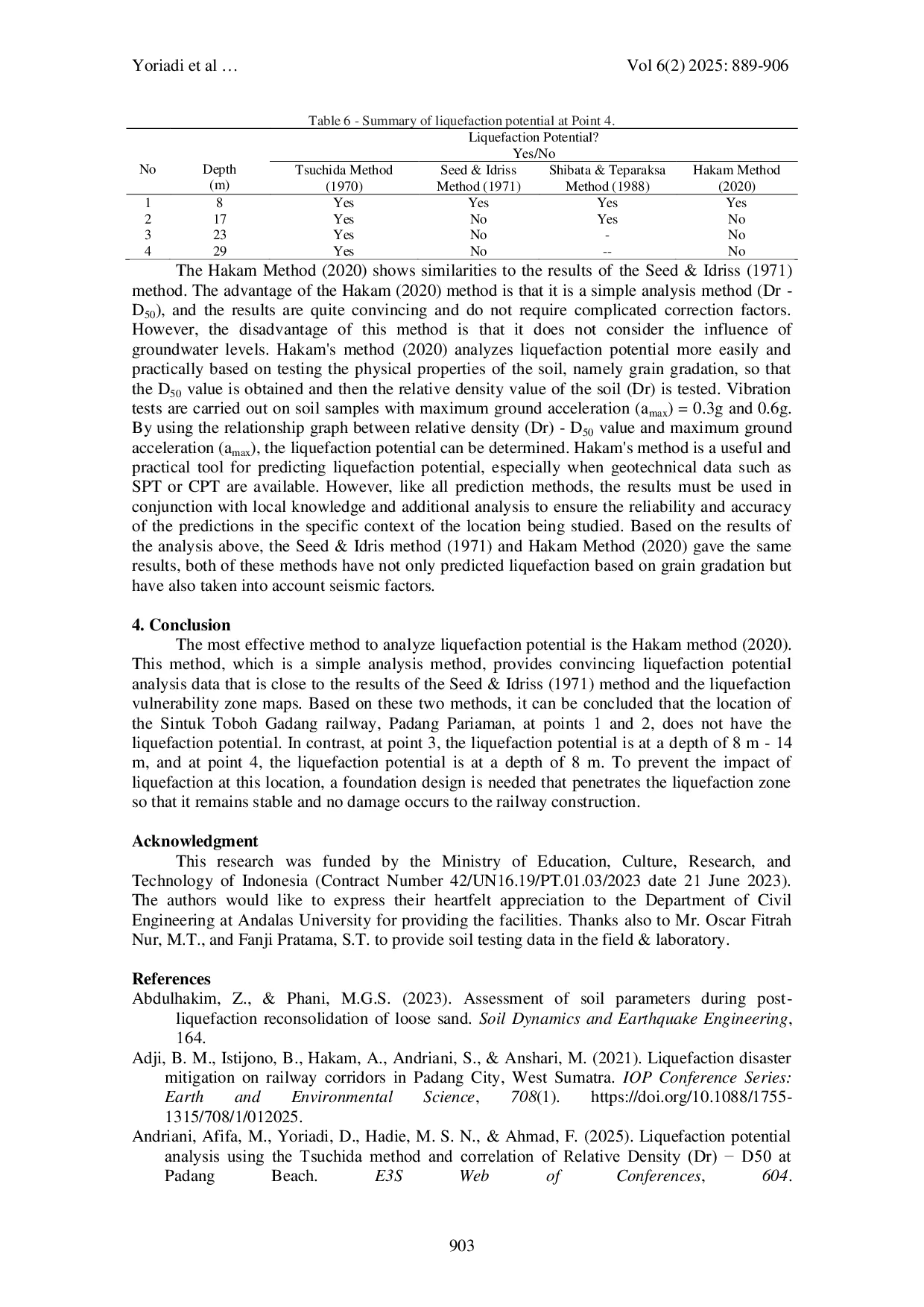
YRPIPKUYRPIPKU Metode yang dipakai meliputi Tsuchida (1970), Seed & Idriss (1971), Shibata & Teparaksa (1988), dan Hakam (2020). Pengujian lapangan dilakukan pada empatMetode yang dipakai meliputi Tsuchida (1970), Seed & Idriss (1971), Shibata & Teparaksa (1988), dan Hakam (2020). Pengujian lapangan dilakukan pada empat

YRPIPKUYRPIPKU Penelitian ini berhasil mensintesis adsorben berbasis poli vinil alkohol yang di‑anchoring dengan asam sitrat (PVA-CA) yang mampu mengadsorpsi Pb(II)Penelitian ini berhasil mensintesis adsorben berbasis poli vinil alkohol yang di‑anchoring dengan asam sitrat (PVA-CA) yang mampu mengadsorpsi Pb(II)

UNISMUHUNISMUH In the experimental 2 there was an increase of 10.16%. This proves that the use of personal journal is more effective. Based on the results of the study,In the experimental 2 there was an increase of 10.16%. This proves that the use of personal journal is more effective. Based on the results of the study,
Useful /
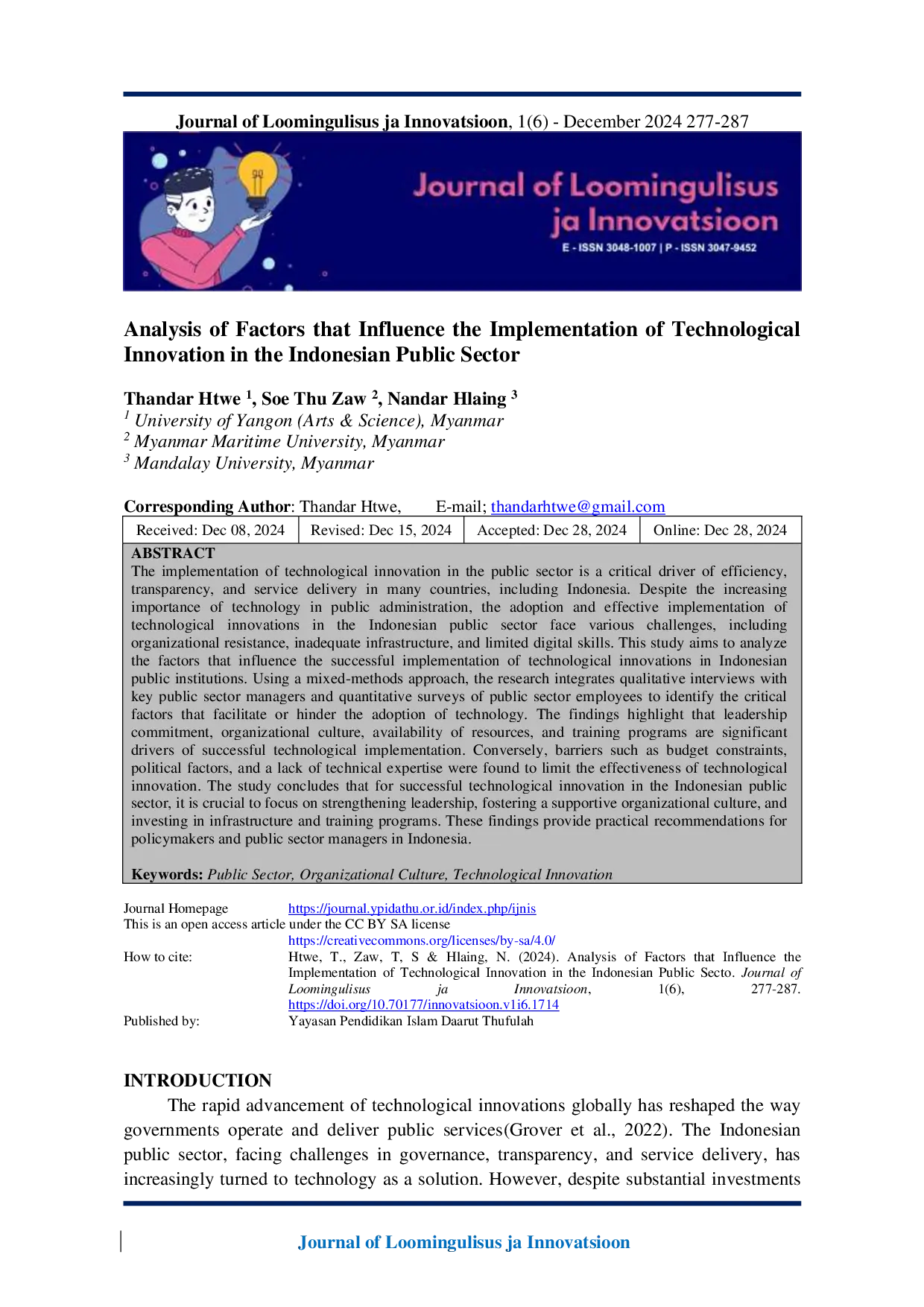
YPIDATHUYPIDATHU Penelitian menyimpulkan bahwa untuk inovasi teknologi yang sukses di sektor publik Indonesia, penting untuk fokus pada penguatan kepemimpinan, menciptakanPenelitian menyimpulkan bahwa untuk inovasi teknologi yang sukses di sektor publik Indonesia, penting untuk fokus pada penguatan kepemimpinan, menciptakan
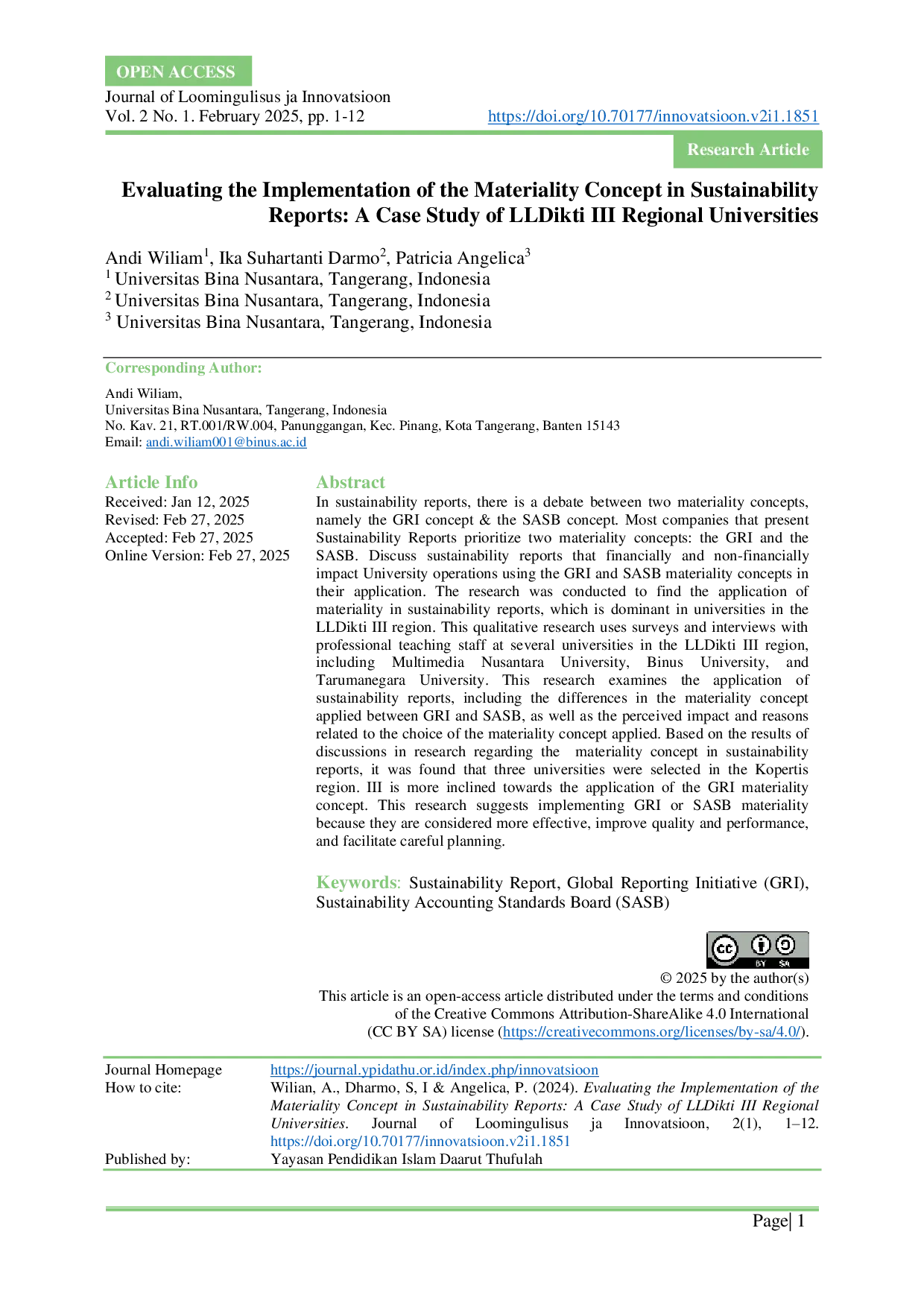
YPIDATHUYPIDATHU Dalam laporan keberlanjutan, terdapat perdebatan antara dua konsep materialitas, yaitu konsep GRI dan SASB. Sebagian besar perusahaan yang menyajikan laporanDalam laporan keberlanjutan, terdapat perdebatan antara dua konsep materialitas, yaitu konsep GRI dan SASB. Sebagian besar perusahaan yang menyajikan laporan
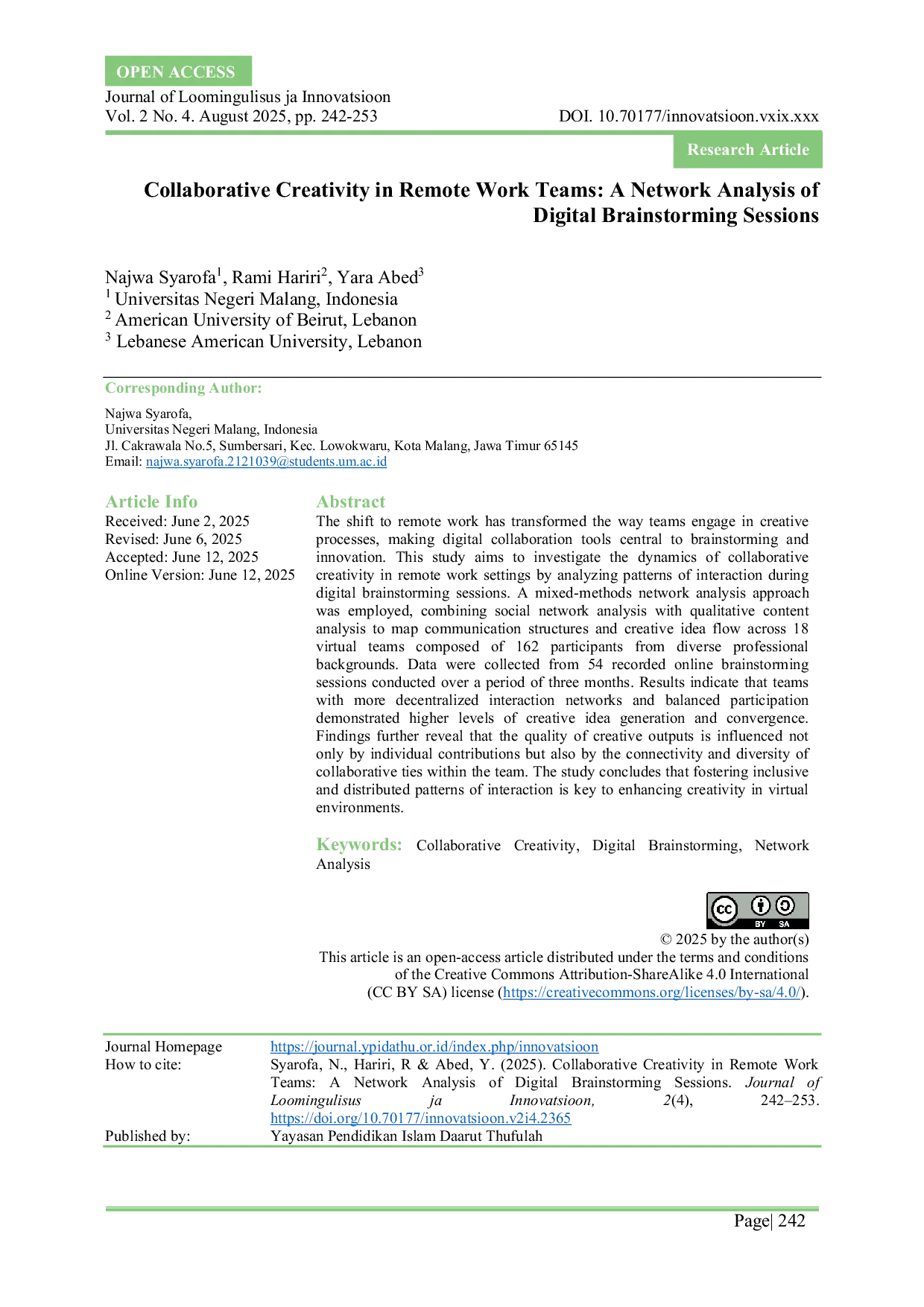
YPIDATHUYPIDATHU Perubahan menuju kerja jarak jauh telah mengubah cara tim terlibat dalam proses kreatif, menjadikan alat kolaborasi digital sebagai pusat brainstormingPerubahan menuju kerja jarak jauh telah mengubah cara tim terlibat dalam proses kreatif, menjadikan alat kolaborasi digital sebagai pusat brainstorming
YRPIPKUYRPIPKU Implikasi teoretis mencakup kontribusi pada pemahaman transformasi digital dalam pariwisata, khususnya bagaimana teknologi imersif membentuk perilaku perjalanan.Implikasi teoretis mencakup kontribusi pada pemahaman transformasi digital dalam pariwisata, khususnya bagaimana teknologi imersif membentuk perilaku perjalanan.