UNIKSUNIKS
JURNAL AGRONOMI TANAMAN TROPIKA (JUATIKA)JURNAL AGRONOMI TANAMAN TROPIKA (JUATIKA)Oil palm cultivation is generally carried out in monoculture, which can lead to decreased soil fertility, including its physical properties. One potential solution is to implement oil palm cultivation using an agroforestry system. This research aimed to compare soil properties in agroforestry systems combining oil palm (Elaeis guineensis Jacq.) and agarwood (Aquilaria malacensis Lamk.) with those in monoculture oil palm systems. The study was conducted at Bukit Kemuning, Tapung Hulu, Kampar for four months (November – February 2020), employing a sampling method. Soil samples were collected from four locations – oil palm circles, living interrows, dead interrows, and agarwood circles – with six replicates each. Parameters observed included topsoil depth, content, particle density, total pore space, moisture content, water holding capacity, permeability, infiltration, soil resistance, and soil C-organic. Data analysis was performed using a t-test. The results indicated that the agroforestry system increased C-organic content and improved selected soil properties, such as increased topsoil depth, total pore space, moisture content, water holding capacity, permeability, and infiltration, while decreasing content, particle density, and soil resistance.
The research demonstrated that agroforestry systems positively influence soil physical properties compared to monoculture systems.Specifically, the integration of agarwood with oil palm cultivation resulted in higher C-organic content and improved soil structure, as evidenced by increased total pore space and water holding capacity.These findings suggest that agroforestry practices can contribute to enhanced soil quality and sustainability in oil palm plantations.
Berdasarkan hasil penelitian ini, beberapa saran penelitian lanjutan dapat diajukan untuk memperdalam pemahaman mengenai interaksi antara sistem agroforestri dan sifat fisik tanah. Pertama, penelitian lebih lanjut perlu dilakukan untuk mengeksplorasi pengaruh jangka panjang dari sistem agroforestri terhadap dinamika karbon organik tanah dan stabilitas agregat tanah. Hal ini dapat dilakukan dengan melakukan pemantauan berkala terhadap sifat-sifat tanah selama beberapa tahun, serta menganalisis komposisi dan aktivitas mikroorganisme tanah. Kedua, studi komparatif perlu dilakukan untuk mengevaluasi efektivitas berbagai jenis tanaman interkropping (selain gaharu) terhadap perbaikan sifat fisik tanah di perkebunan kelapa sawit. Penelitian ini dapat mempertimbangkan faktor-faktor seperti jenis tanaman, jarak tanam, dan sistem pengelolaan tanaman untuk mengidentifikasi kombinasi yang paling optimal. Ketiga, penelitian yang lebih mendalam diperlukan untuk memahami mekanisme bagaimana akar gaharu dan interaksi mikroba tanah berkontribusi terhadap peningkatan porositas tanah dan infiltrasi air. Penelitian ini dapat melibatkan analisis struktur akar, pengukuran potensial hidrolik tanah, dan identifikasi peran mikroorganisme dalam pembentukan agregat tanah. Dengan demikian, hasil penelitian ini dapat memberikan informasi yang berharga bagi pengembangan praktik agroforestri yang berkelanjutan dan ramah lingkungan di perkebunan kelapa sawit.
| File size | 211.04 KB |
| Pages | 11 |
| DMCA | Report |
Related /

CEREDINDONESIACEREDINDONESIA Gambar satelit multi-temporal digunakan untuk mengidentifikasi perubahan tutupan lahan, sementara indikator kualitas tanah dan parameter hidrologi dianalisisGambar satelit multi-temporal digunakan untuk mengidentifikasi perubahan tutupan lahan, sementara indikator kualitas tanah dan parameter hidrologi dianalisis

STIKESALFATAHSTIKESALFATAH Penelitian ini menunjukkan bahwa variasi konsentrasi HPMC dalam sediaan emulgel minyak esensial daun eucalyptus (Eucalyptus globulus) berpengaruh signifikanPenelitian ini menunjukkan bahwa variasi konsentrasi HPMC dalam sediaan emulgel minyak esensial daun eucalyptus (Eucalyptus globulus) berpengaruh signifikan
STIKESALFATAHSTIKESALFATAH Penelitian ini menunjukkan adanya variasi dalam respons imun dan inflamasi pada pasien diabetes melitus, yang dapat menjadi indikator penting dalam penangananPenelitian ini menunjukkan adanya variasi dalam respons imun dan inflamasi pada pasien diabetes melitus, yang dapat menjadi indikator penting dalam penanganan
PNLPNL Serat bagasse diproses pada ukuran mesh 20 dan 40, kemudian dipres panas pada suhu 190°C dengan tekanan 9,6 MPa selama 15 dan 25 menit, mencapai ketebalanSerat bagasse diproses pada ukuran mesh 20 dan 40, kemudian dipres panas pada suhu 190°C dengan tekanan 9,6 MPa selama 15 dan 25 menit, mencapai ketebalan
UNIVAUNIVA Perlakuan terbaik adalah bahan organik insitu dan pemupukan spesifik lokasi. Jenis bahan organik berpengaruh nyata terhadap jumlah anakan, tetapi tidakPerlakuan terbaik adalah bahan organik insitu dan pemupukan spesifik lokasi. Jenis bahan organik berpengaruh nyata terhadap jumlah anakan, tetapi tidak

UBTUBT Aplikasi perlakuan p3 dan p4, yang terdiri dari berbagai rasio biochar tempurung sawit dan kompos tithonia, menghasilkan peningkatan yang lebih efektifAplikasi perlakuan p3 dan p4, yang terdiri dari berbagai rasio biochar tempurung sawit dan kompos tithonia, menghasilkan peningkatan yang lebih efektif

MAHADEWAMAHADEWA Tingginya keanekaragaman makrofauna tanah tersebut terjadi karena terjaganya kualitas tanah sebagai akibat penerapan sistem pertanian organik. PenelitianTingginya keanekaragaman makrofauna tanah tersebut terjadi karena terjaganya kualitas tanah sebagai akibat penerapan sistem pertanian organik. Penelitian

SYEKH NURJATISYEKH NURJATI Perdebatan utama dalam masalah hukuman mati adalah apakah hukuman itu melanggar hak-hak setiap orang dan untuk itu harus dihentikan atau tetap harus diterapkanPerdebatan utama dalam masalah hukuman mati adalah apakah hukuman itu melanggar hak-hak setiap orang dan untuk itu harus dihentikan atau tetap harus diterapkan
Useful /
UNIVAUNIVA Penggunaan pupuk hayati baik cair maupun padat dapat menjadi solusi dalam mengurangi aplikasi pupuk anorganik yang berlebihan, karena pupuk hayati mampuPenggunaan pupuk hayati baik cair maupun padat dapat menjadi solusi dalam mengurangi aplikasi pupuk anorganik yang berlebihan, karena pupuk hayati mampu

UMSUMS NDVI dan NAOC-Chl memiliki korelasi lemah (0,47), menyoroti peran saling melengkapi mereka. Rata-rata nilai NDVI dan NOAC-Chl untuk spesies berbeda dianalisis,NDVI dan NAOC-Chl memiliki korelasi lemah (0,47), menyoroti peran saling melengkapi mereka. Rata-rata nilai NDVI dan NOAC-Chl untuk spesies berbeda dianalisis,
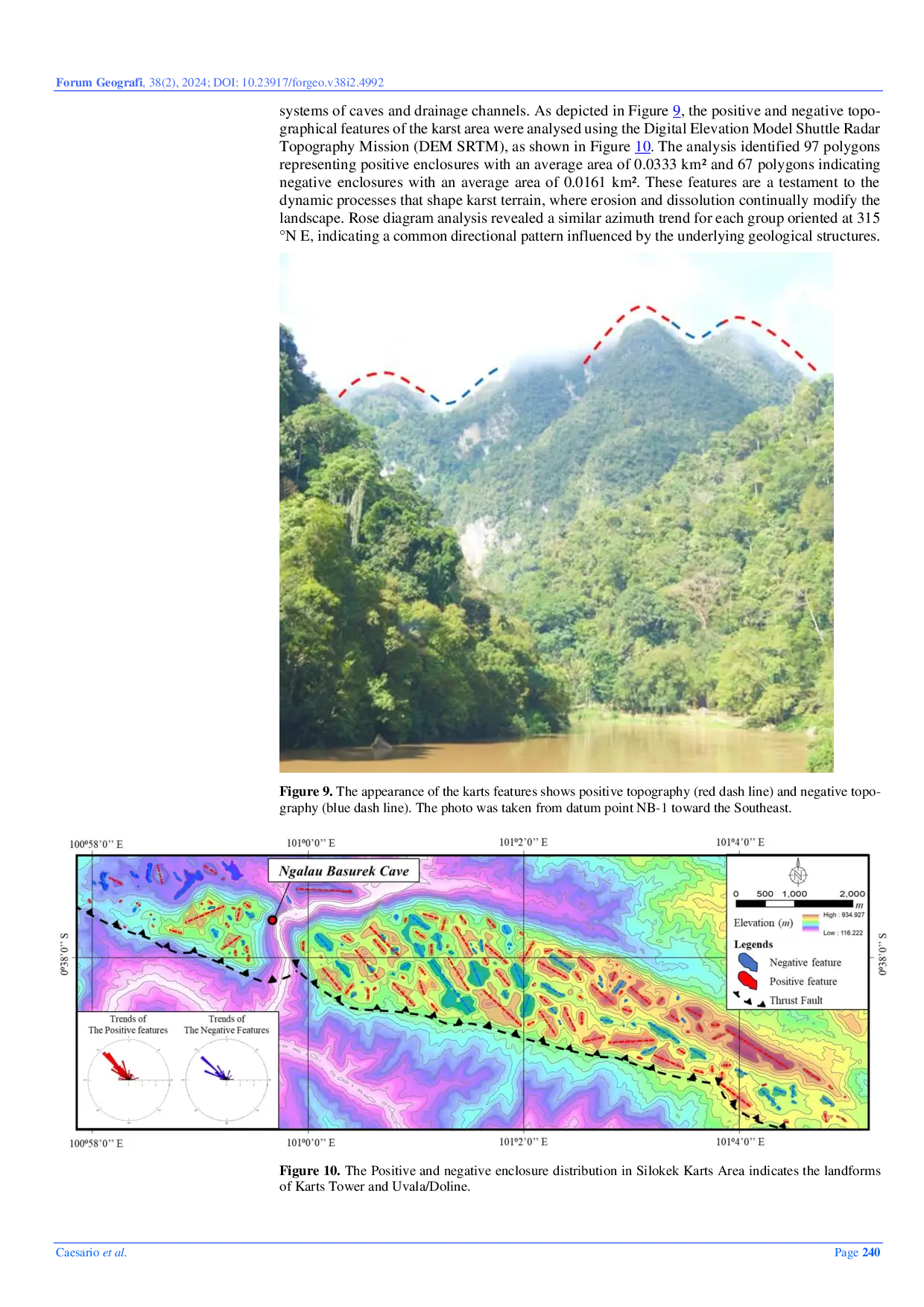
UMSUMS Producing cave morphometric data using the compass and step mapping method and geomorphological analyses of Landsat 8 image data is suggested to identifyProducing cave morphometric data using the compass and step mapping method and geomorphological analyses of Landsat 8 image data is suggested to identify
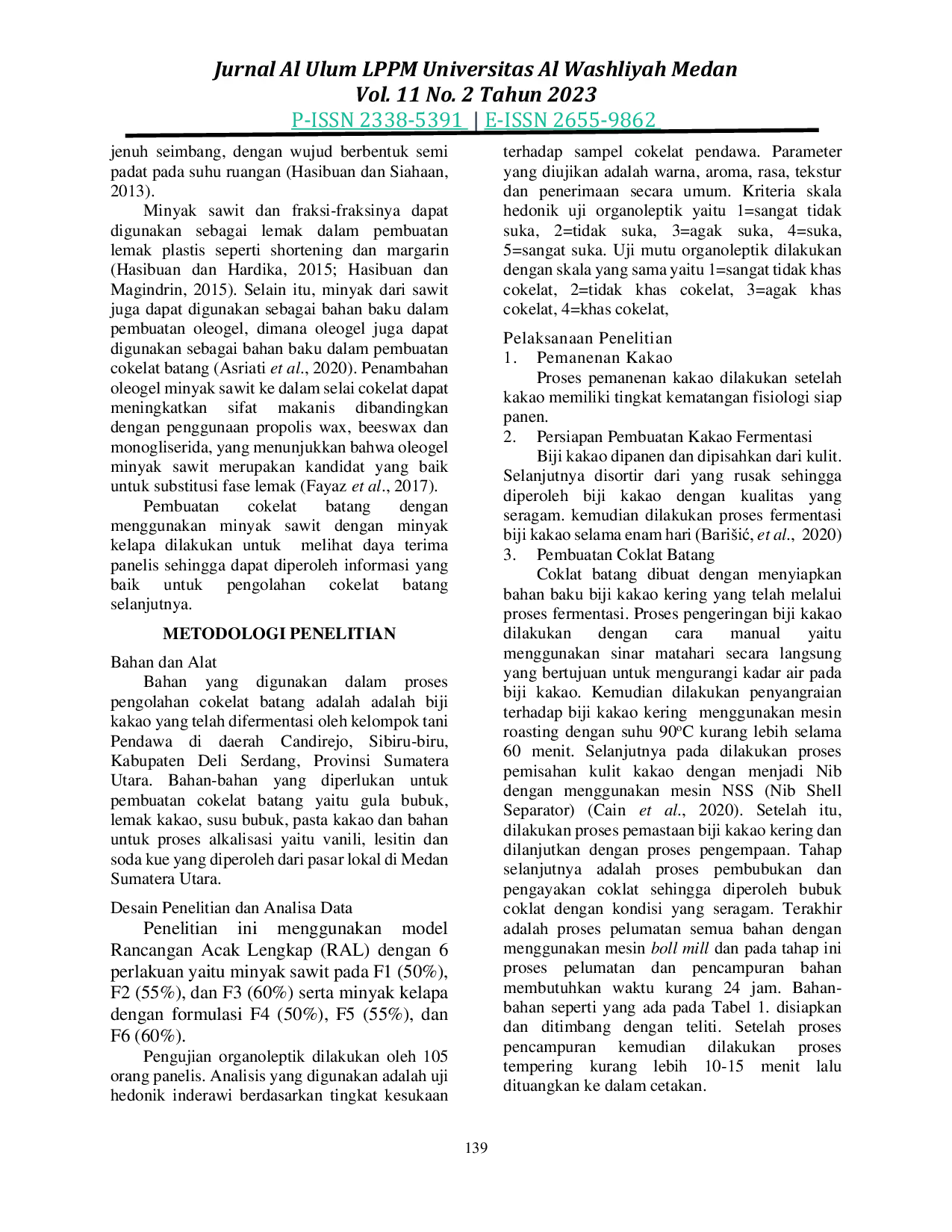
UNIVAUNIVA Kakao termasuk tanaman pangan pertanian yang memiliki produktivitas yang sangat tinggi. Indonesia termasuk penghasil dan penyuplai kebutuhan kakao terbesarKakao termasuk tanaman pangan pertanian yang memiliki produktivitas yang sangat tinggi. Indonesia termasuk penghasil dan penyuplai kebutuhan kakao terbesar