STIKESALMAARIFSTIKESALMAARIF
Cendekia Medika: Jurnal Stikes Al-Ma`arif BaturajaCendekia Medika: Jurnal Stikes Al-Ma`arif BaturajaMycobacterium tuberculosis, better known as tuberculosis (TB), is an infectious disease that attacks the body system through the lungs. Based on data from the Care Detection Rate (CDR) of Tuberculosis Cases at the UPTD Puskesmas Sidorahayu, the number of positive Tuberculosis cases from 2023 to 2025 has increased. Where in 2023 the number of Tuberculosis cases was 15 cases and in 2024 the number of Tuberculosis cases was 19 cases and in 2025 there were 20 cases. The achievement of the discovery of suspected tuberculosis in 2023 amounted to 147 cases and in 2024 amounted to 178 cases, while in 2025 the number of suspected tuberculosis cases amounted to 46 cases. The purpose of this study was to analyze the picture of the incidence of pulmonary tuberculosis (TB) at the UPTD Puskesmas Sidorahayu in 2025. Research methodology with a Quantitative approach with a cross-sectional study, the research was conducted in May 2025 at UPTD Puskesmas Sidorahayu. The population in this study amounted to 263 which was obtained from positive patients and suspected Tuberculosis patients who received treatment at the Sidorahayu UPTD Puskesmas from 2024-2025, sampling techniques with Purposive sampling using the slovin formula obtained 72 samples, with Univariate, Bivariate, Multivariate data analysis with Chi-Square Test. The results obtained pvalue variable age 0.515, gender 0.206, education 0.328, income 0.792, ventilation 0.025 occupancy density 0.006, humidity 0.004, temperature 0.004, lighting 0.025. In conclusion, there is a significant relationship between ventilation, occupancy density, humidity, temperature, and lighting with the incidence of TB while the variables of age, gender, education, income have no significant relationship with the incidence of TB. The most dominant variable is lighting. UPTD Puskesmas Sidorahayu needs to provide clear and easy-to-understand information to the community about environmental risk factors that can trigger Tuberculosis, such as occupancy density, poor ventilation, poor lighting, and high humidity.
The study concluded that there was no relationship between age, gender, education, and income with the incidence of pulmonary TB.Conversely, a relationship was found between ventilation, occupancy density, humidity, temperature, and lighting with the incidence of pulmonary TB at the Sidorahayu UPTD Health Center in 2025.Temperature was the most strongly associated variable with the incidence of pulmonary TB.
Further research should investigate the effectiveness of community-based health education programs tailored to address environmental risk factors for TB, such as overcrowding, poor ventilation, inadequate lighting, and high humidity. Additionally, studies could explore the role of socioeconomic factors in influencing household environmental conditions and TB transmission. Finally, research is needed to assess the feasibility and impact of interventions aimed at improving housing conditions and promoting better ventilation practices in high-risk communities. These studies should consider the specific cultural and contextual factors that may influence the adoption of preventive measures, and aim to develop sustainable solutions that empower communities to reduce their risk of TB infection. The research should also explore the correlation between TB incidence and the quality of indoor air, including the presence of pollutants and allergens, to provide a more comprehensive understanding of the environmental factors contributing to the disease. This could involve utilizing air quality monitoring devices in homes and analyzing the data in relation to TB cases.
| File size | 547.82 KB |
| Pages | 16 |
| DMCA | Report |
Related /

GOODWOODPUBGOODWOODPUB Investasi, melalui investasi modal, sangat penting untuk meningkatkan stok modal, kapasitas produksi, dan pertumbuhan ekonomi, sehingga menciptakan lapanganInvestasi, melalui investasi modal, sangat penting untuk meningkatkan stok modal, kapasitas produksi, dan pertumbuhan ekonomi, sehingga menciptakan lapangan

GOODWOODPUBGOODWOODPUB Metode yang digunakan bersifat deskriptif dan kuantitatif, dengan uji regresi linear sederhana serta pengujian hipotesis menggunakan SPSS 21. Data dikumpulkanMetode yang digunakan bersifat deskriptif dan kuantitatif, dengan uji regresi linear sederhana serta pengujian hipotesis menggunakan SPSS 21. Data dikumpulkan
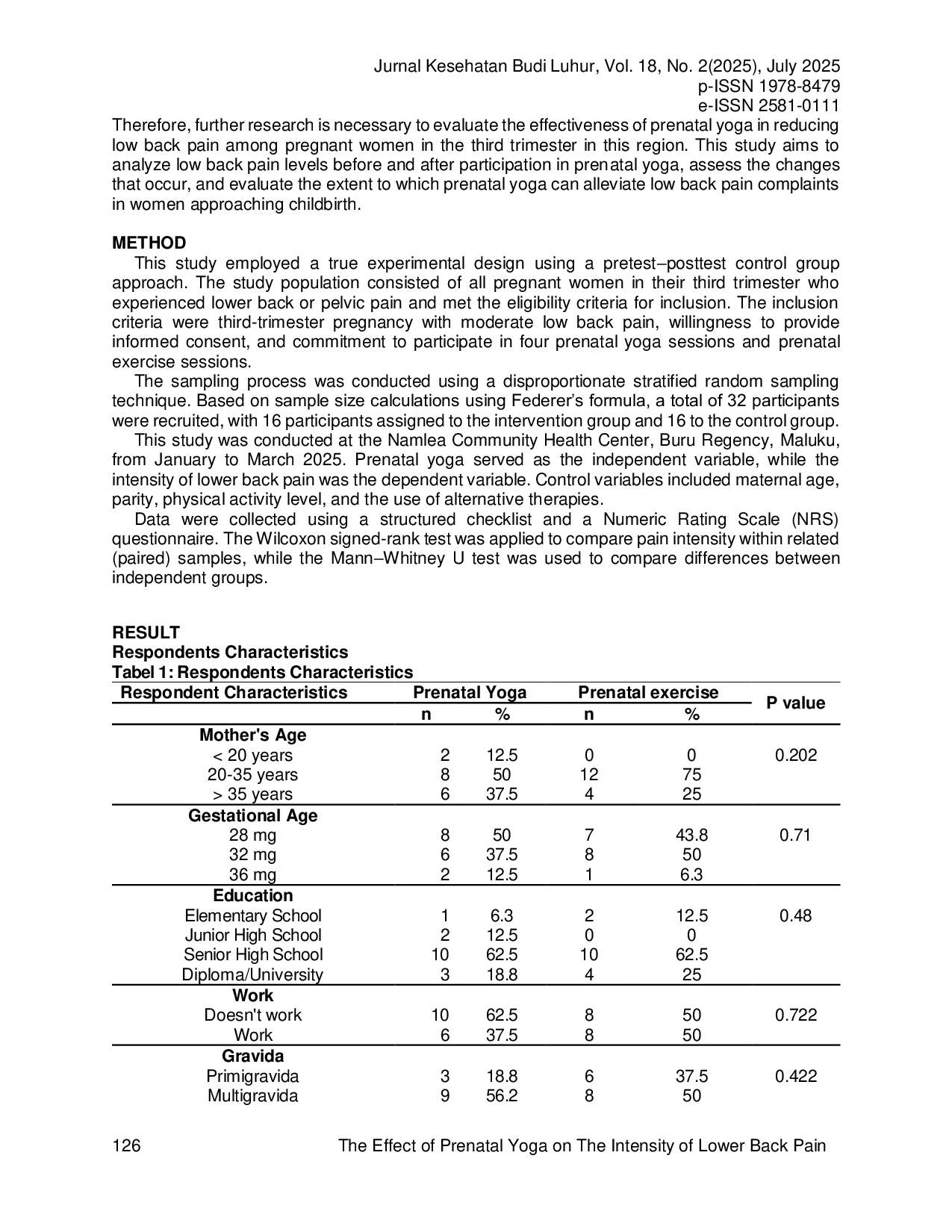
STIKESBUDILUHURCIMAHISTIKESBUDILUHURCIMAHI Kesimpulan: Yoga prenatal secara signifikan mengurangi intensitas nyeri punggung bawah pada wanita hamil trimester ketiga. Sebelum intervensi, kedua kelompokKesimpulan: Yoga prenatal secara signifikan mengurangi intensitas nyeri punggung bawah pada wanita hamil trimester ketiga. Sebelum intervensi, kedua kelompok

GOLDENRATIOGOLDENRATIO Data were obtained through classroom observations, interviews with teachers and students, and learning documentation. The results showed that the strategiesData were obtained through classroom observations, interviews with teachers and students, and learning documentation. The results showed that the strategies

STIKESALMAARIFSTIKESALMAARIF Analisis bivariat menunjukkan nilai p sebesar 0,003, yang secara statistik menunjukkan hubungan signifikan antara pengetahuan dan kejadian TuberkulosisAnalisis bivariat menunjukkan nilai p sebesar 0,003, yang secara statistik menunjukkan hubungan signifikan antara pengetahuan dan kejadian Tuberkulosis

UMTSUMTS Hasil penelitian menunjukkan bahwa sebagian besar eks PMI memiliki tingkat pendidikan rendah dan minim keterampilan sebelum bekerja di luar negeri. MeskipunHasil penelitian menunjukkan bahwa sebagian besar eks PMI memiliki tingkat pendidikan rendah dan minim keterampilan sebelum bekerja di luar negeri. Meskipun
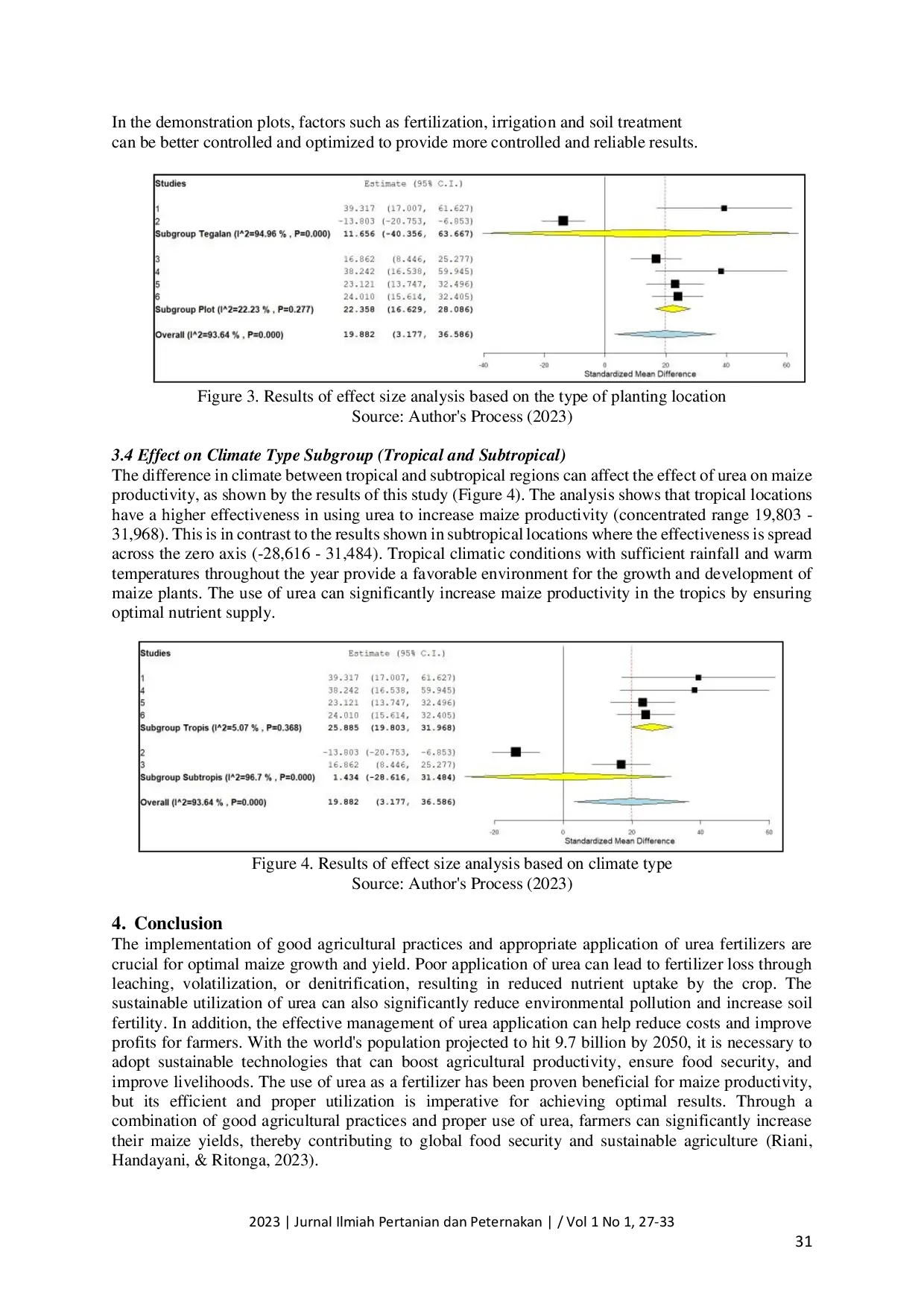
PENERBITGOODWOODPENERBITGOODWOOD Pengelolaan pupuk yang optimal melalui dosis dan waktu aplikasi yang direkomendasikan berkontribusi terhadap peningkatan produktivitas pertanian.meskipunPengelolaan pupuk yang optimal melalui dosis dan waktu aplikasi yang direkomendasikan berkontribusi terhadap peningkatan produktivitas pertanian.meskipun

GOLDENRATIOGOLDENRATIO Penelitian ini dilakukan terutama untuk mengeksplorasi faktor-faktor yang mempengaruhi akses pendidikan menengah atas bagi pemuda di Upper Malubog, Manticao,Penelitian ini dilakukan terutama untuk mengeksplorasi faktor-faktor yang mempengaruhi akses pendidikan menengah atas bagi pemuda di Upper Malubog, Manticao,
Useful /
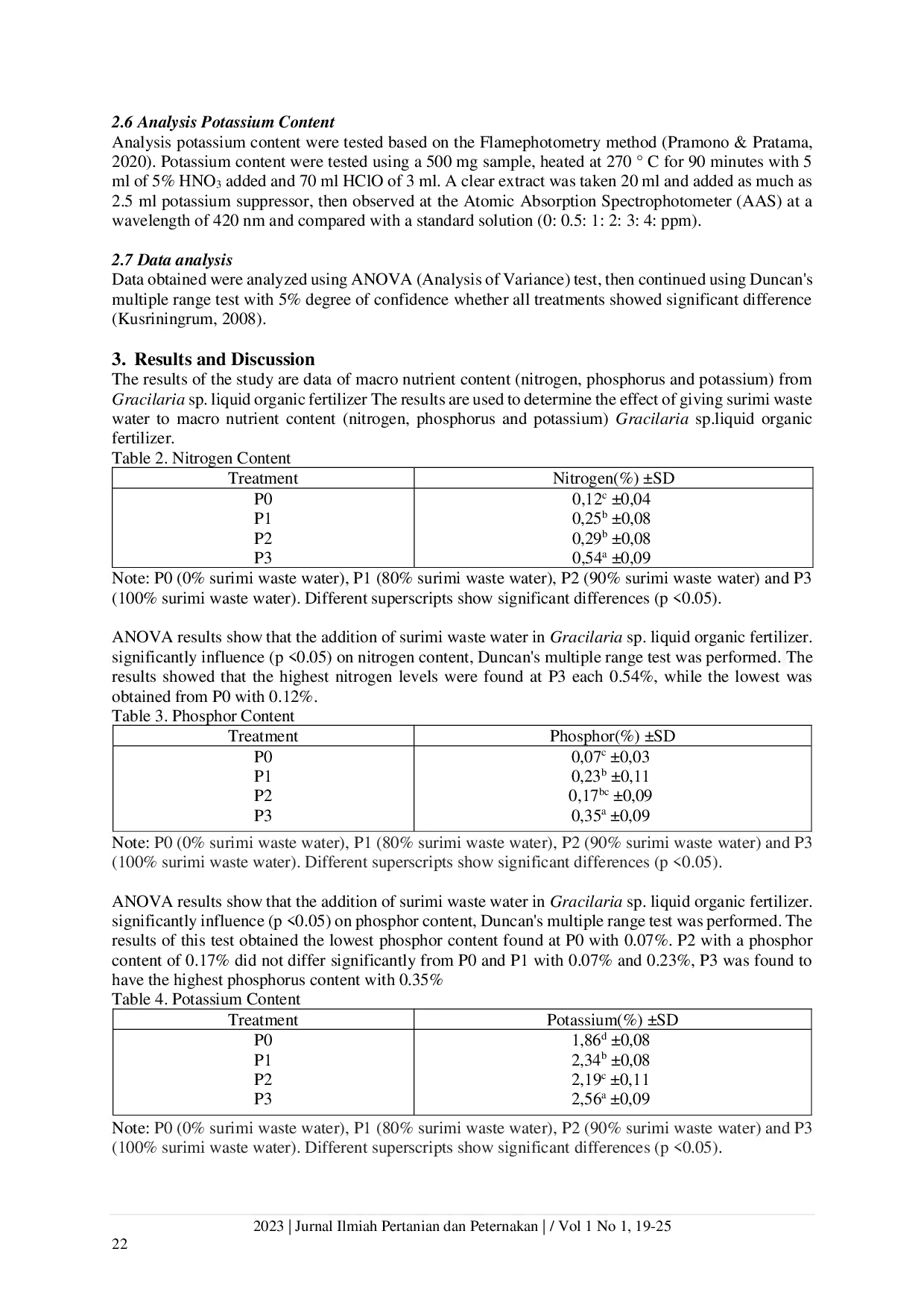
PENERBITGOODWOODPENERBITGOODWOOD Kandungan nutrisi tertinggi diamati pada perlakuan dengan konsentrasi limbah surimi yang lebih tinggi, yang menunjukkan korelasi positif antara penambahanKandungan nutrisi tertinggi diamati pada perlakuan dengan konsentrasi limbah surimi yang lebih tinggi, yang menunjukkan korelasi positif antara penambahan

UMBARRUUMBARRU Studi ini menyimpulkan bahwa Program Kampus Mengajar secara efektif menjembatani kesenjangan teori-praktik di daerah-daerah yang kurang beruntung, merekomendasikanStudi ini menyimpulkan bahwa Program Kampus Mengajar secara efektif menjembatani kesenjangan teori-praktik di daerah-daerah yang kurang beruntung, merekomendasikan

UMBARRUUMBARRU Melalui analisis hubungan sintagmatik dan paradigmatik di antara unit naratif kunci (mithem), novel mengungkapkan struktur mitis kerentanan dan dominasi.Melalui analisis hubungan sintagmatik dan paradigmatik di antara unit naratif kunci (mithem), novel mengungkapkan struktur mitis kerentanan dan dominasi.
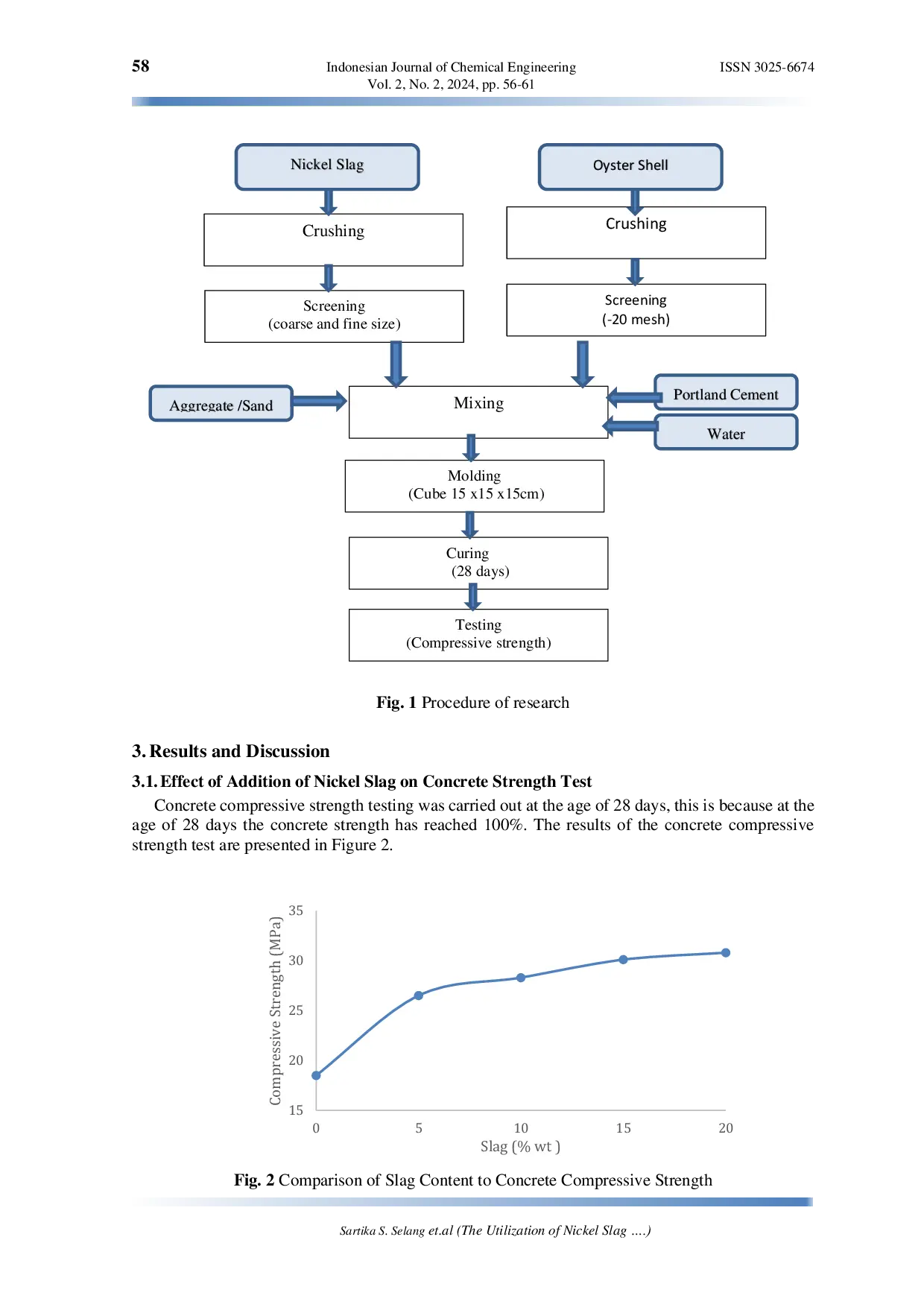
UADUAD Penelitian ini dilakukan untuk menentukan pengaruh terak nikel terhadap kekuatan tekan beton dan komposisi yang tepat dalam campuran beton. Metode penelitianPenelitian ini dilakukan untuk menentukan pengaruh terak nikel terhadap kekuatan tekan beton dan komposisi yang tepat dalam campuran beton. Metode penelitian