UNUGHAUNUGHA
PROCEEDING AL GHAZALI International ConferencePROCEEDING AL GHAZALI International ConferenceHydrogen sulfide (H₂S) is a toxic and potentially hazardous gas commonly found in industrial environments, where leaks can lead to serious health and safety risks. Effective detection of H₂S leaks is essential for preventing accidents and ensuring workplace safety. This study explores the implementation of the C4.5 algorithm combined with optimized feature extraction techniques to improve the accuracy of H₂S leak detection. By utilizing feature extraction, significant attributes of gas leak indicators are identified and analyzed, enhancing the classification accuracy of the C4.5 algorithm. The experimental results demonstrate that optimized feature extraction can significantly improve the algorithms ability to detect H₂S leaks promptly and accurately. The proposed method not only offers a reliable solution for gas leak detection but also contributes to safer industrial monitoring practices. This study highlights the potential of machine learning techniques, particularly decision tree-based methods, to advance environmental safety through intelligent monitoring systems.
This study demonstrates that applying feature extraction techniques significantly enhances the accuracy and reliability of the C4.5 algorithm in detecting hydrogen sulfide (H₂S) leaks in industrial environments.By identifying and selecting the most relevant features from raw data, this technique successfully reduces data noise and optimizes the classification capability of the C4.The test results indicate that combining feature extraction with C4.5 not only improves accuracy levels but also reduces the rate of false alarms, which are common in traditional gas monitoring systems.
Future research should explore the application of other machine learning algorithms, such as Random Forest or Support Vector Machines, to compare their performance with the C4.5 algorithm in H₂S leak detection, providing a more comprehensive understanding of the optimal approach. Furthermore, expanding the dataset to include data from diverse industrial environments is crucial to ensure the robustness and generalizability of the model under varying conditions. Finally, investigating more advanced feature extraction techniques, like Principal Component Analysis or deep learning-based methods, could uncover deeper patterns within the complex gas leak data, potentially leading to even more accurate and reliable detection systems, ultimately contributing to safer and more efficient industrial practices by minimizing risks associated with hazardous gas leaks and improving overall workplace safety.
- 0. pdf obj metadata endobj extgstate xobject procset text imageb imagec imagei mediabox contents group... doi.org/10.22266/IJIES2020.0831.060 pdf obj metadata endobj extgstate xobject procset text imageb imagec imagei mediabox contents group doi 10 22266 IJIES2020 0831 06
- Algorima K-Means dalam Clustering Produk Skincare untuk Menentukan Strategi Pemasaran | Jurnal Informatika... doi.org/10.33795/jip.v10i3.5167Algorima K Means dalam Clustering Produk Skincare untuk Menentukan Strategi Pemasaran Jurnal Informatika doi 10 33795 jip v10i3 5167
- Enhancing machine learning-based sentiment analysis through feature extraction techniques | PLOS One.... doi.org/10.1371/journal.pone.0294968Enhancing machine learning based sentiment analysis through feature extraction techniques PLOS One doi 10 1371 journal pone 0294968
| File size | 343.74 KB |
| Pages | 11 |
| DMCA | Report |
Related /

UNUGHAUNUGHA Selain itu, terapi seni telah terbukti mendukung perkembangan psikologis dan emosional, terutama bagi anak dengan trauma atau gangguan emosional. PenelitianSelain itu, terapi seni telah terbukti mendukung perkembangan psikologis dan emosional, terutama bagi anak dengan trauma atau gangguan emosional. Penelitian

UNUGHAUNUGHA Pendidikan virtual merupakan masa depan sistem pendidikan di Nigeria. Penelitian ini menyoroti pentingnya mengatasi tantangan yang terkait dengan pembelajaranPendidikan virtual merupakan masa depan sistem pendidikan di Nigeria. Penelitian ini menyoroti pentingnya mengatasi tantangan yang terkait dengan pembelajaran

UNUGHAUNUGHA Pendidikan yang mampu mengintegrasikan ajaran Islam dengan isu kontemporer menjadi kunci dalam menciptakan generasi yang tangguh. Dengan strategi yangPendidikan yang mampu mengintegrasikan ajaran Islam dengan isu kontemporer menjadi kunci dalam menciptakan generasi yang tangguh. Dengan strategi yang

UNUGHAUNUGHA Untuk mengatasi tantangan yang dihadapi oleh Kelompok Pengolahan dan Pemasaran Produk Ikan Olahan di Desa Ulak Karang Utara, Kota Padang, yang meliputiUntuk mengatasi tantangan yang dihadapi oleh Kelompok Pengolahan dan Pemasaran Produk Ikan Olahan di Desa Ulak Karang Utara, Kota Padang, yang meliputi

UNUGHAUNUGHA Penelitian ini bertujuan untuk menganalisis kondisi produksi dan pengolahan ikan bilih oleh POKLAHSAR Jaso Danau dan mengidentifikasi masalah yang dihadapiPenelitian ini bertujuan untuk menganalisis kondisi produksi dan pengolahan ikan bilih oleh POKLAHSAR Jaso Danau dan mengidentifikasi masalah yang dihadapi

UNUGHAUNUGHA Kesimpulan dari penelitian ini menekankan pentingnya kebijakan harga, stabilitas ekonomi, dan regulasi kurs dalam kesuksesan ekspor lobster dari ProvinsiKesimpulan dari penelitian ini menekankan pentingnya kebijakan harga, stabilitas ekonomi, dan regulasi kurs dalam kesuksesan ekspor lobster dari Provinsi

UNUGHAUNUGHA Perlakuan D3 (36cmx25cm) memberikan hasil terbaik terhadap pertumbuhan dan produksi tanaman pakcoy. Tidak ditemukan perbedaan signifikan pada rata-rataPerlakuan D3 (36cmx25cm) memberikan hasil terbaik terhadap pertumbuhan dan produksi tanaman pakcoy. Tidak ditemukan perbedaan signifikan pada rata-rata

UNUGHAUNUGHA Sebaliknya, pH air tidak menunjukkan pengaruh yang signifikan. Temuan ini memberikan wawasan penting bagi kelompok budidaya ikan di Kuranji untuk mengoptimalkanSebaliknya, pH air tidak menunjukkan pengaruh yang signifikan. Temuan ini memberikan wawasan penting bagi kelompok budidaya ikan di Kuranji untuk mengoptimalkan
Useful /
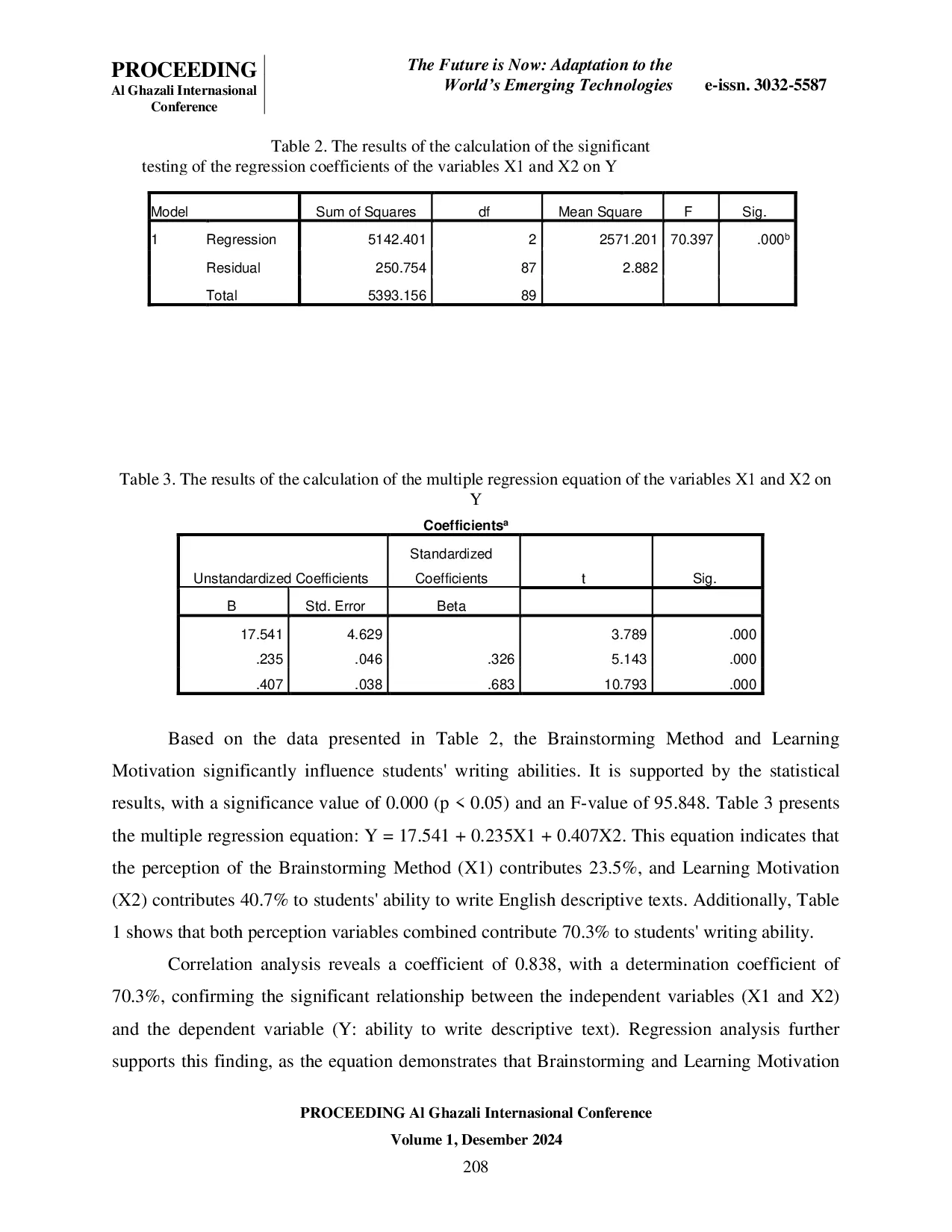
UNUGHAUNUGHA Data penelitian diambil dari kuesioner siswa dan dianalisis menggunakan perangkat lunak SPSS. Penulis menggunakan metode survei untuk mengidentifikasiData penelitian diambil dari kuesioner siswa dan dianalisis menggunakan perangkat lunak SPSS. Penulis menggunakan metode survei untuk mengidentifikasi

UNUGHAUNUGHA Data yang diperoleh dari setiap calon dikonversi ke skala relatif menggunakan teknik normalisasi. Metode TOPSIS kemudian diterapkan untuk mendapatkan peringkatData yang diperoleh dari setiap calon dikonversi ke skala relatif menggunakan teknik normalisasi. Metode TOPSIS kemudian diterapkan untuk mendapatkan peringkat

UNUGHAUNUGHA Penerapan pendekatan yang berbeda dalam Pembelajaran Berbasis Proyek kepada siswa kelas 3 sekolah dasar memungkinkan pembelajaran yang lebih inklusif danPenerapan pendekatan yang berbeda dalam Pembelajaran Berbasis Proyek kepada siswa kelas 3 sekolah dasar memungkinkan pembelajaran yang lebih inklusif dan
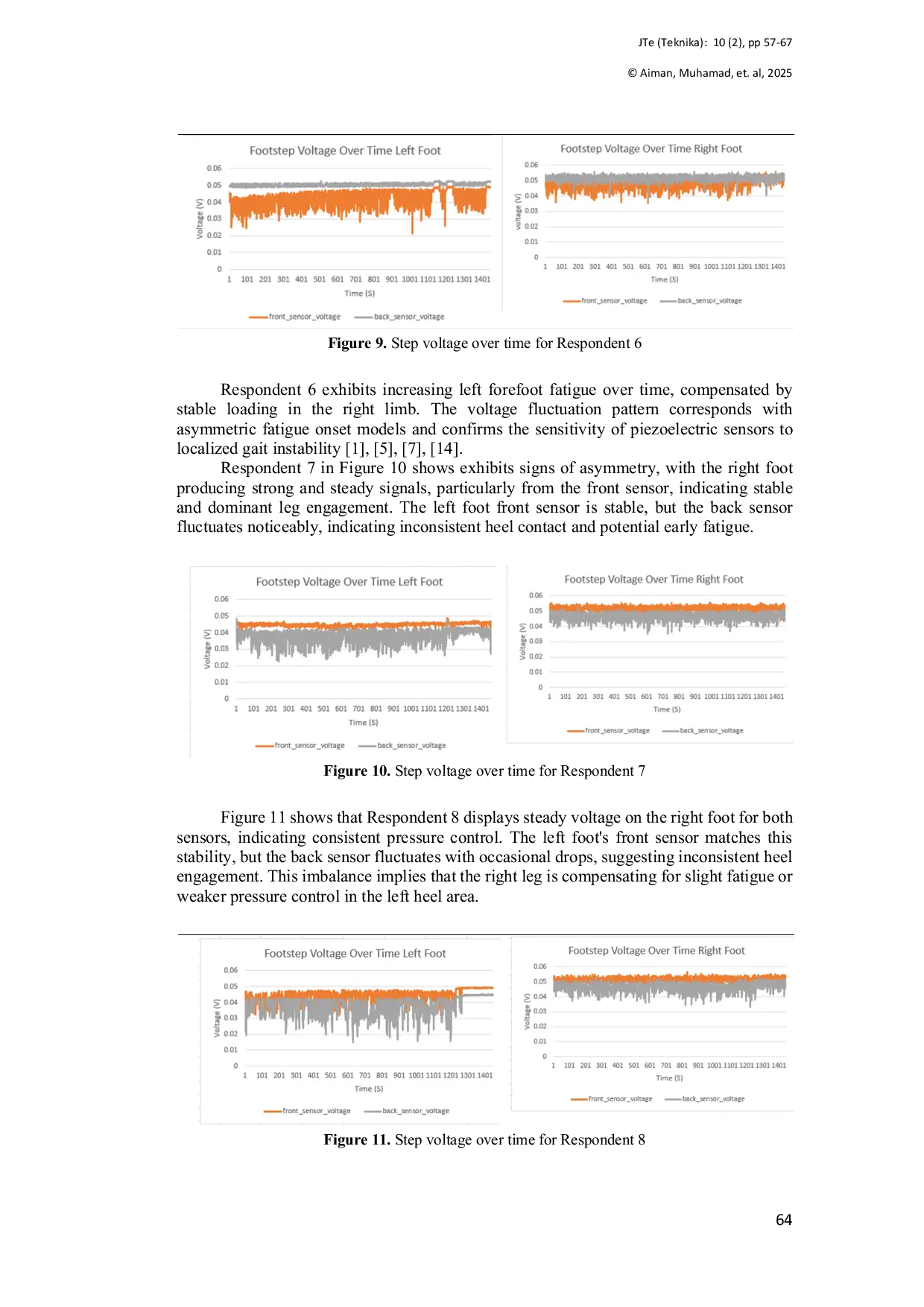
STTWSTTW Sistem ini menggunakan sensor piezoelektrik DLAY dan mikrokontroler Raspberry Pi Pico RP2040 untuk mengumpulkan data tegangan yang dihasilkan oleh langkahSistem ini menggunakan sensor piezoelektrik DLAY dan mikrokontroler Raspberry Pi Pico RP2040 untuk mengumpulkan data tegangan yang dihasilkan oleh langkah