CASSRCASSR
Journal of Asian Social Science ResearchJournal of Asian Social Science ResearchReligious extremism remains a persistent challenge in Pakistan, and the growing use of social media has intensified concerns about online radicalization among youth. This study aimed to examine mosque imams perceptions of the role of Facebook and YouTube in promoting religious extremism among Pakistani youth and to test whether these perceptions differ by place of residence, educational qualification, and years of experience. Guided by Uses and Gratifications Theory, the study employed a diagnostic, survey-based design. Data were collected through a 20-item questionnaire administered to 411 mosque imams from two regions of Punjab. The instrument demonstrated strong reliability (α = 0.88). Results indicate that a large proportion of respondents believe Facebook and YouTube contribute to the spread of extremist ideologies among youth. Agreement levels were higher among imams in one region of Punjab compared with the other, and perceptions also varied by experience and education. Imams with around ten years of experience reported the strongest agreement. Educational background showed mixed patterns, with Dars-e-Nizami holders more likely to strongly agree, while some Bachelors degree holders expressed stronger disagreement. Chi-square and one-way ANOVA tests confirmed significant differences across residence, qualification, and experience. The study contributes empirical evidence by foregrounding imams as key informants in understanding online religious extremism. Practically, the findings imply a need for coordinated interventions involving digital literacy, community engagement, and structured collaboration between religious leaders, policymakers, and platform stakeholders to strengthen counter-narratives and reduce youth vulnerability.
The study concludes that most imams view Facebook and YouTube as influential platforms that can facilitate the spread of extremist ideas among youth.In particular, respondents highlighted that these networks may enable the rapid circulation of extremist messages, support recruitment efforts, and strengthen radical viewpoints through repeated exposure to like-minded content and online echo chambers.The statistical evidence indicates meaningful differences in views based on background characteristics, such as residence, education, and experience, suggesting that how imams interpret the impact of social media is shaped by both social context and professional or educational exposure.
Berdasarkan temuan penelitian ini, beberapa saran penelitian lanjutan dapat diajukan untuk memperdalam pemahaman tentang bagaimana media sosial memengaruhi pandangan keagamaan kaum muda di Pakistan. Pertama, penelitian kuantitatif lebih lanjut dapat dilakukan untuk menguji hubungan antara penggunaan media sosial dan tingkat radikalisasi agama di kalangan kaum muda, dengan mempertimbangkan faktor-faktor mediasi seperti dukungan sosial dan identitas kelompok. Kedua, penelitian kualitatif, seperti wawancara mendalam dengan kaum muda dan tokoh agama, dapat memberikan wawasan yang lebih kaya tentang pengalaman dan perspektif mereka terkait dengan penggunaan media sosial dan pengaruhnya terhadap pandangan keagamaan. Ketiga, penelitian longitudinal dapat dilakukan untuk melacak perubahan pandangan keagamaan kaum muda dari waktu ke waktu, serta mengidentifikasi faktor-faktor yang berkontribusi terhadap perubahan tersebut. Dengan menggabungkan pendekatan kuantitatif dan kualitatif, serta mempertimbangkan perspektif berbagai pemangku kepentingan, penelitian di masa depan dapat memberikan pemahaman yang lebih komprehensif tentang kompleksitas hubungan antara media sosial, agama, dan kaum muda di Pakistan.
- Facebook and Hate speech: Analyzing Relationship between Consumers' Attributes and Islamic Sectarian... journals.umt.edu.pk/index.php/JITC/article/view/1333Facebook and Hate speech Analyzing Relationship between Consumers Attributes and Islamic Sectarian journals umt edu pk index php JITC article view 1333
- Current Journals - Open Access Journals - Guides at Texas Tech University. current journals open access... guides.library.ttu.edu/oajournals/journalsCurrent Journals Open Access Journals Guides at Texas Tech University current journals open access guides library ttu edu oajournals journals
- The science of fake news | Science. science fake skip main content log cart become member donate custom... doi.org/10.1126/science.aao2998The science of fake news Science science fake skip main content log cart become member donate custom doi 10 1126 science aao2998
| File size | 681.15 KB |
| Pages | 30 |
| DMCA | Report |
Related /

UINSAIDUINSAID Penelitian ini menawarkan solusi dengan menggunakan pendekatan studi kasus kualitatif, dengan data dikumpulkan melalui wawancara mendalam dan analisisPenelitian ini menawarkan solusi dengan menggunakan pendekatan studi kasus kualitatif, dengan data dikumpulkan melalui wawancara mendalam dan analisis
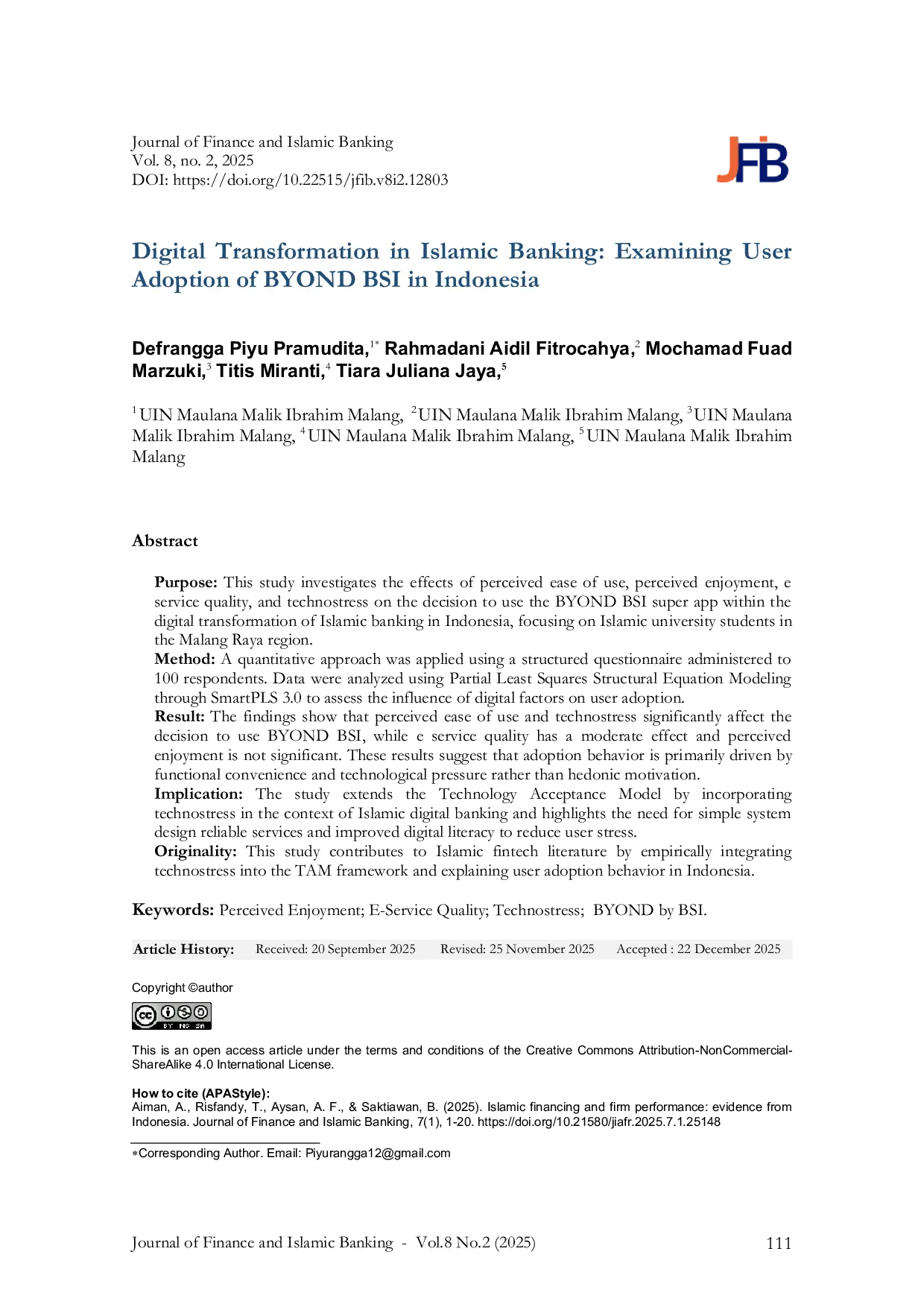
UINSAIDUINSAID 0 untuk menilai pengaruh faktor digital pada adopsi pengguna. Penelitian ini memberikan kontribusi pada teori penerimaan teknologi dengan menunjukkan bagaimana0 untuk menilai pengaruh faktor digital pada adopsi pengguna. Penelitian ini memberikan kontribusi pada teori penerimaan teknologi dengan menunjukkan bagaimana

UINMYBATUSANGKARUINMYBATUSANGKAR Hambatan-hambatan ini terutama bersifat kultural dan religius, dengan peran gender tradisional yang tertanam kuat dalam praktik pendidikan di banyak lembagaHambatan-hambatan ini terutama bersifat kultural dan religius, dengan peran gender tradisional yang tertanam kuat dalam praktik pendidikan di banyak lembaga

CASSRCASSR Harapan wanita akan otonomi dan martabat yang meningkat karena pendidikan dan pekerjaan sering bertentangan dengan kontrol tradisional, membuat perceraianHarapan wanita akan otonomi dan martabat yang meningkat karena pendidikan dan pekerjaan sering bertentangan dengan kontrol tradisional, membuat perceraian
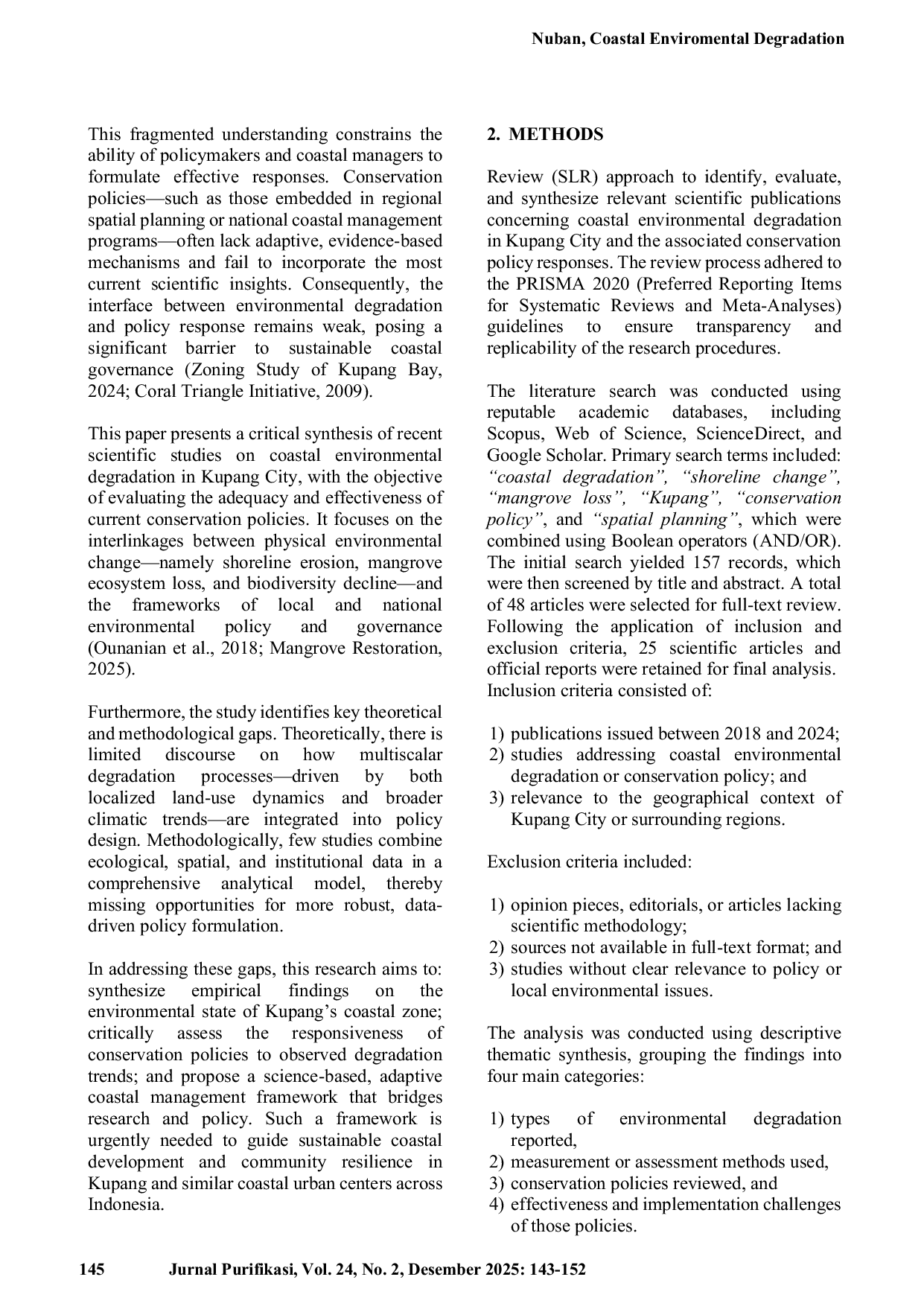
PURIFIKASIPURIFIKASI Dengan menjembatani kesenjangan antara ilmu pengetahuan dan kebijakan serta memperkuat kapasitas kelembagaan, Kota Kupang dapat bergerak menuju pembangunanDengan menjembatani kesenjangan antara ilmu pengetahuan dan kebijakan serta memperkuat kapasitas kelembagaan, Kota Kupang dapat bergerak menuju pembangunan

ULUMUNAULUMUNA Pendekatan pembelajaran berdiferensiasi yang diintegrasikan dengan metode interdisipliner dalam kursus Pengembangan Kurikulum memberikan dampak positifPendekatan pembelajaran berdiferensiasi yang diintegrasikan dengan metode interdisipliner dalam kursus Pengembangan Kurikulum memberikan dampak positif

UINSAIDUINSAID Data penelitian diperoleh dari situs web Bank Dunia dan Dewan Layanan Keuangan Islam. Hasil: Menurut hasil penelitian, peningkatan 1% dalam stabilitasData penelitian diperoleh dari situs web Bank Dunia dan Dewan Layanan Keuangan Islam. Hasil: Menurut hasil penelitian, peningkatan 1% dalam stabilitas
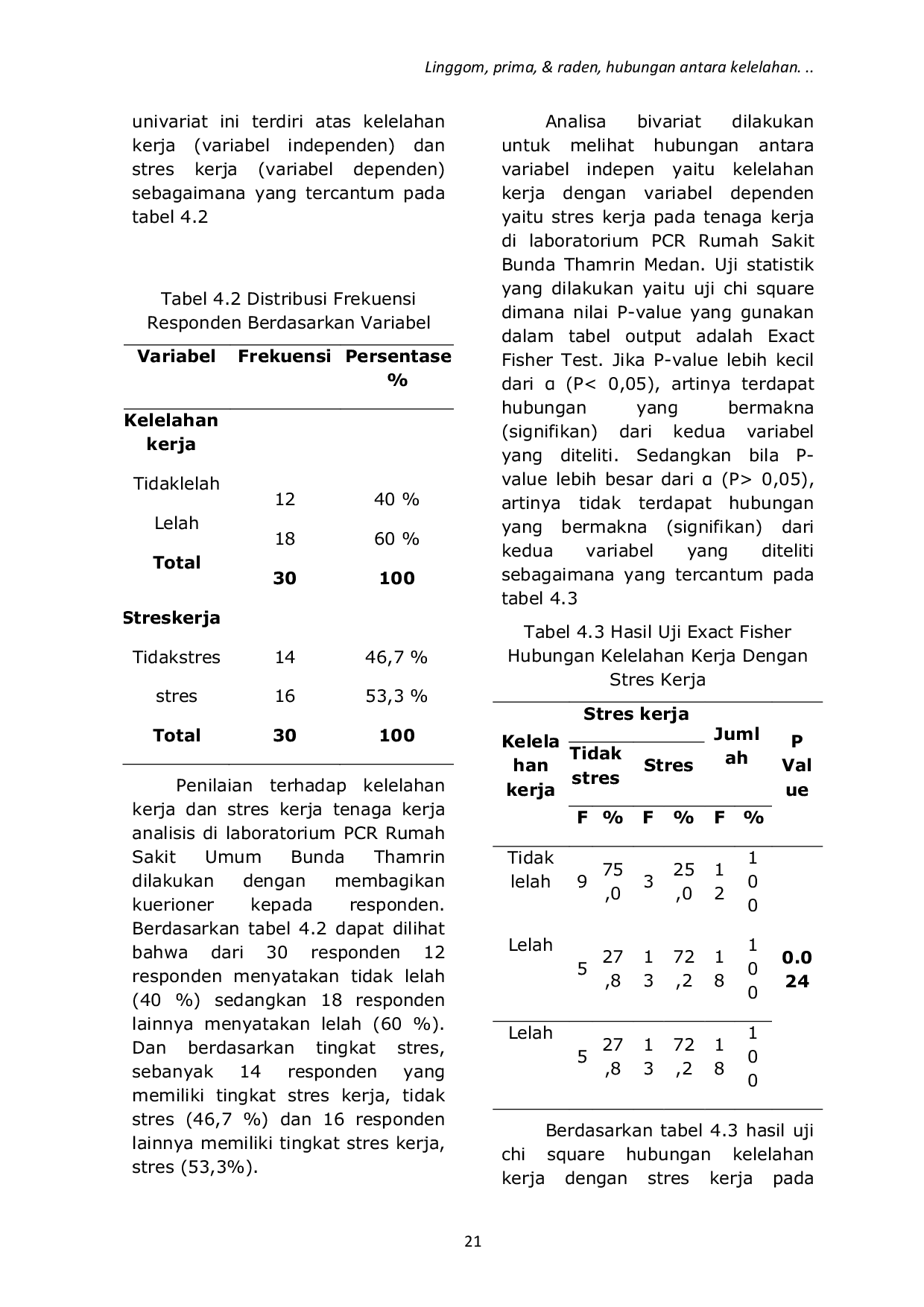
DELIHUSADADELIHUSADA Hasil analisis chi‑square menunjukkan bahwa tenaga kerja yang melaporkan kelelahan memiliki probabilitas lebih tinggi mengalami stres kerja (p = 0,024Hasil analisis chi‑square menunjukkan bahwa tenaga kerja yang melaporkan kelelahan memiliki probabilitas lebih tinggi mengalami stres kerja (p = 0,024
Useful /

ULUMUNAULUMUNA Data tambuhan diperoleh melalui wawancara dengan pakar budaya Sunda dan pendidik, serta kajian pustaka tentang kearifan lokal dan pendidikan karakter.Data tambuhan diperoleh melalui wawancara dengan pakar budaya Sunda dan pendidik, serta kajian pustaka tentang kearifan lokal dan pendidikan karakter.
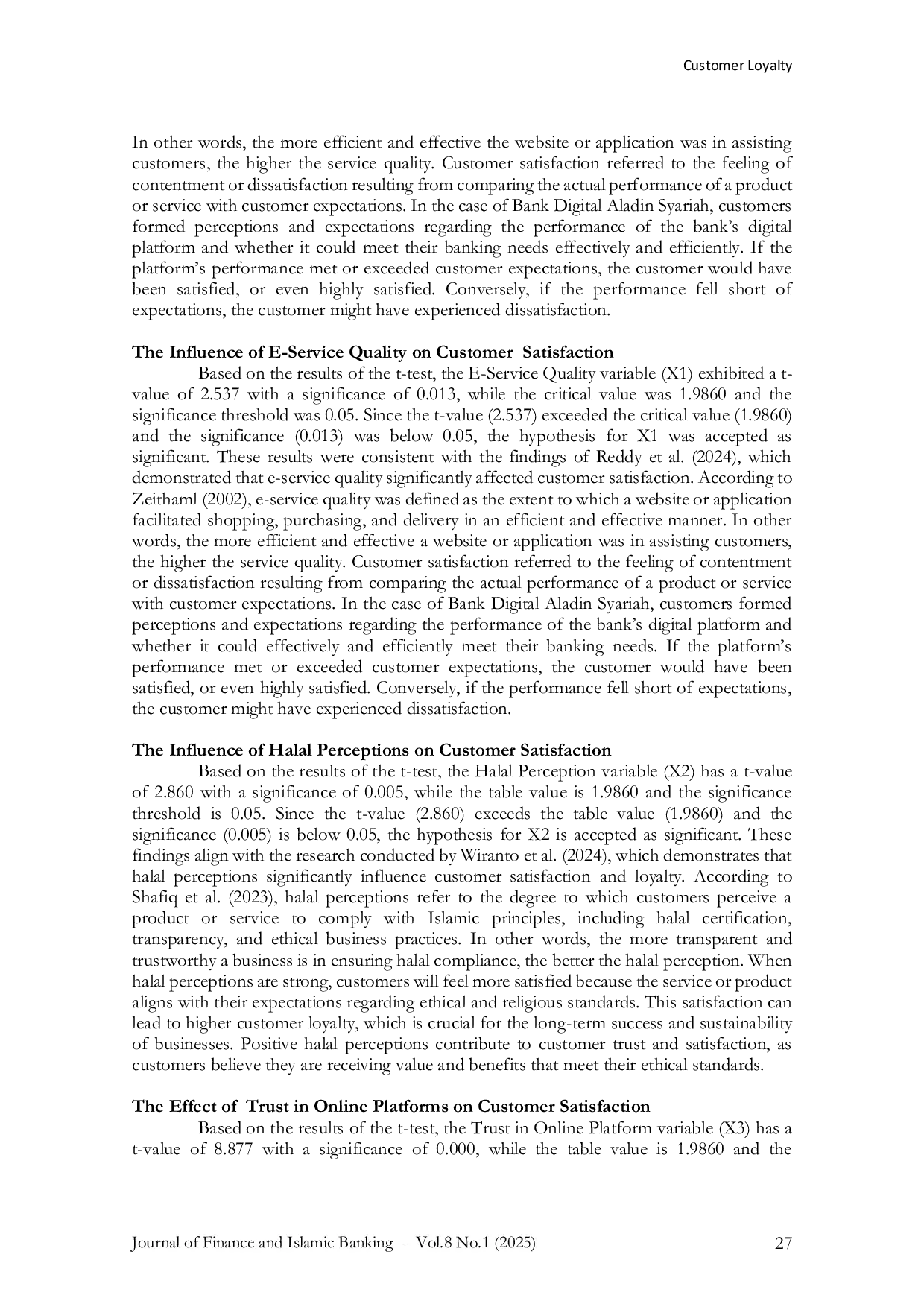
UINSAIDUINSAID Penelitian ini menawarkan perspektif baru dengan fokus pada Generasi Z yang memiliki paparan khusus terhadap pendidikan perbankan Islam dan pengalaman.Penelitian ini menawarkan perspektif baru dengan fokus pada Generasi Z yang memiliki paparan khusus terhadap pendidikan perbankan Islam dan pengalaman.
UNIGALUNIGAL Penelitian dilaksanakan dengan menggunakan studi kasus pada Kelompok Peternak Agribisnis As-Salam yang beranggotakan 26 orang dan keseluruhannya diambilPenelitian dilaksanakan dengan menggunakan studi kasus pada Kelompok Peternak Agribisnis As-Salam yang beranggotakan 26 orang dan keseluruhannya diambil

UNIGALUNIGAL Pemasaran beras di kabupaten Ciamis dan propinsi Jawa Barat tergolong efisien, namun pemasaran beras dari kabupaten Ciamis lebih efisien dibanding pemasaranPemasaran beras di kabupaten Ciamis dan propinsi Jawa Barat tergolong efisien, namun pemasaran beras dari kabupaten Ciamis lebih efisien dibanding pemasaran