UIMANDIRIUIMANDIRI
International Journal of Public Administration and PolicyInternational Journal of Public Administration and PolicyChinas Belt and Road Initiative (BRI) has emerged as a transformative global infrastructure and development project since its launch in 2013. Beyond its economic scope, the initiative is increasingly framed as a strategic vehicle of Chinas soft power. However, the reception and interpretation of the BRI vary across regions, influenced by political, economic, and social conditions. This paper investigates the contextual factors shaping perceptions of the BRI in Asia, Latin America, and Africa, using a discursive analytical approach. Findings highlight the importance of local political legitimacy, economic sustainability, and social narratives in mediating Chinas influence and underscore the conditional nature of soft power.
The study concludes that the BRIs reception as a soft power strategy is contingent on local socioeconomic conditions rather than on Chinas intentions alone.While economic incentives enhance Chinas attractiveness, they do not guarantee acceptance in contexts marked by strong institutions and political pluralism.The findings underscore that soft power is relational and context-dependent.it is strengthened by developmental need but constrained by governance quality, public accountability, and political contestation.Consequently, the BRIs long-term influence will depend not only on infrastructure delivery but also on how effectively it aligns with local socioeconomic realities and institutional expectations across different regions.
Berdasarkan analisis mendalam terhadap dampak BRI di berbagai wilayah, beberapa saran penelitian lanjutan dapat diajukan. Pertama, penelitian lebih lanjut dapat mengeksplorasi bagaimana media lokal dan internasional membentuk persepsi publik terhadap BRI, dengan fokus pada analisis framing dan bias yang mungkin ada. Hal ini penting untuk memahami bagaimana narasi tentang BRI dikonstruksi dan disebarkan, serta bagaimana hal itu memengaruhi opini publik. Kedua, penelitian dapat meneliti lebih dalam mengenai peran aktor non-negara, seperti organisasi masyarakat sipil dan kelompok advokasi, dalam memengaruhi implementasi dan dampak BRI. Pemahaman yang lebih baik tentang bagaimana aktor-aktor ini berinteraksi dengan pemerintah dan perusahaan dapat memberikan wawasan berharga tentang dinamika kekuasaan dan akuntabilitas dalam proyek-proyek BRI. Ketiga, penelitian dapat mengkaji bagaimana BRI memengaruhi dinamika gender dan inklusi sosial di negara-negara peserta, dengan fokus pada dampak terhadap perempuan dan kelompok marginal lainnya. Penelitian ini dapat membantu mengidentifikasi peluang dan tantangan untuk memastikan bahwa BRI berkontribusi pada pembangunan yang berkelanjutan dan inklusif bagi semua.
| File size | 305.37 KB |
| Pages | 11 |
| DMCA | Report |
Related /
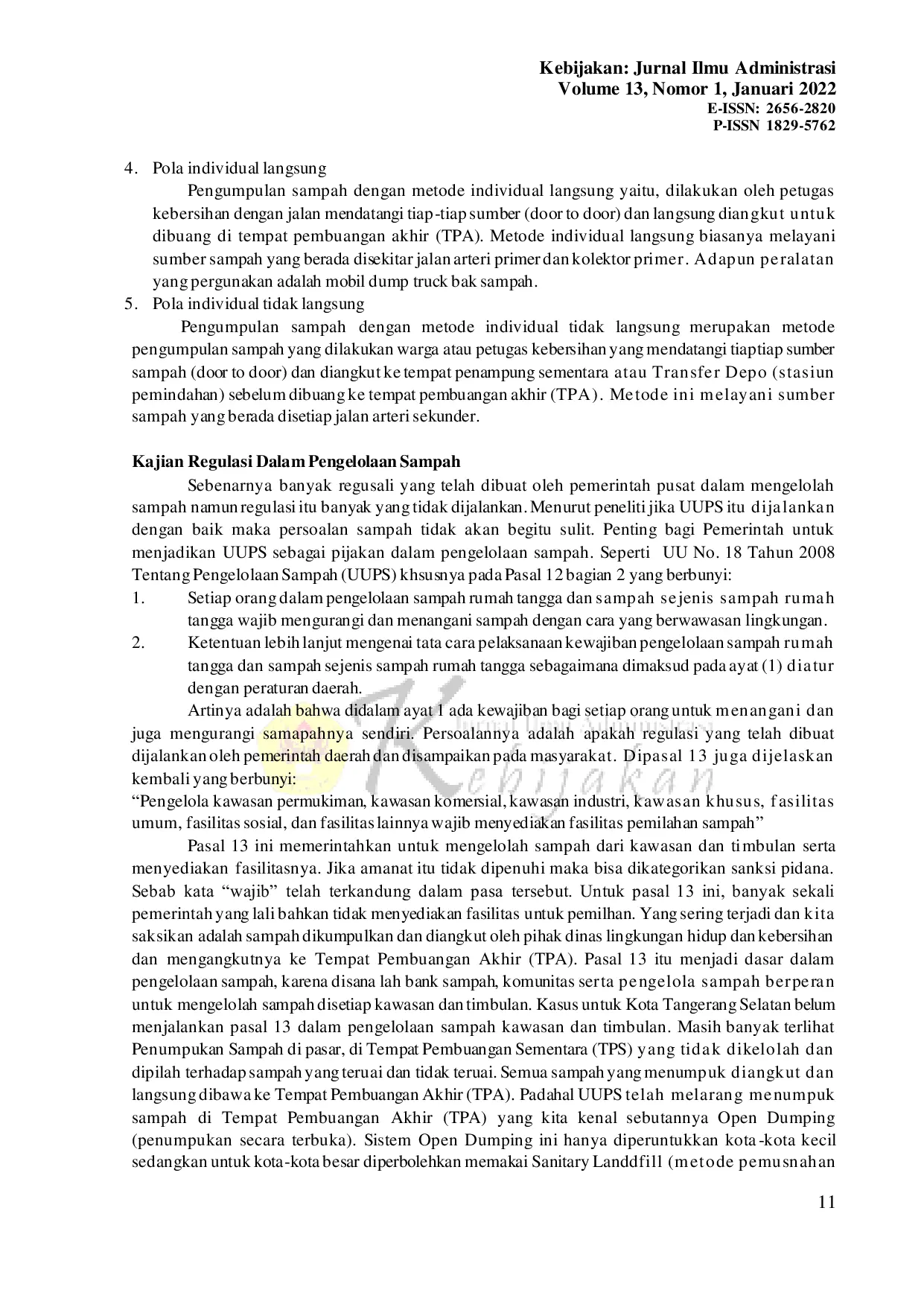
JOURNAL STIAYAPPIMAKASSARJOURNAL STIAYAPPIMAKASSAR Criteria ini sangat penting karena analisis yang dapat memuaskan criteria lainya. f) Ketepatan, criteria ini secara dekat berhubungan dengan rasionalitasCriteria ini sangat penting karena analisis yang dapat memuaskan criteria lainya. f) Ketepatan, criteria ini secara dekat berhubungan dengan rasionalitas
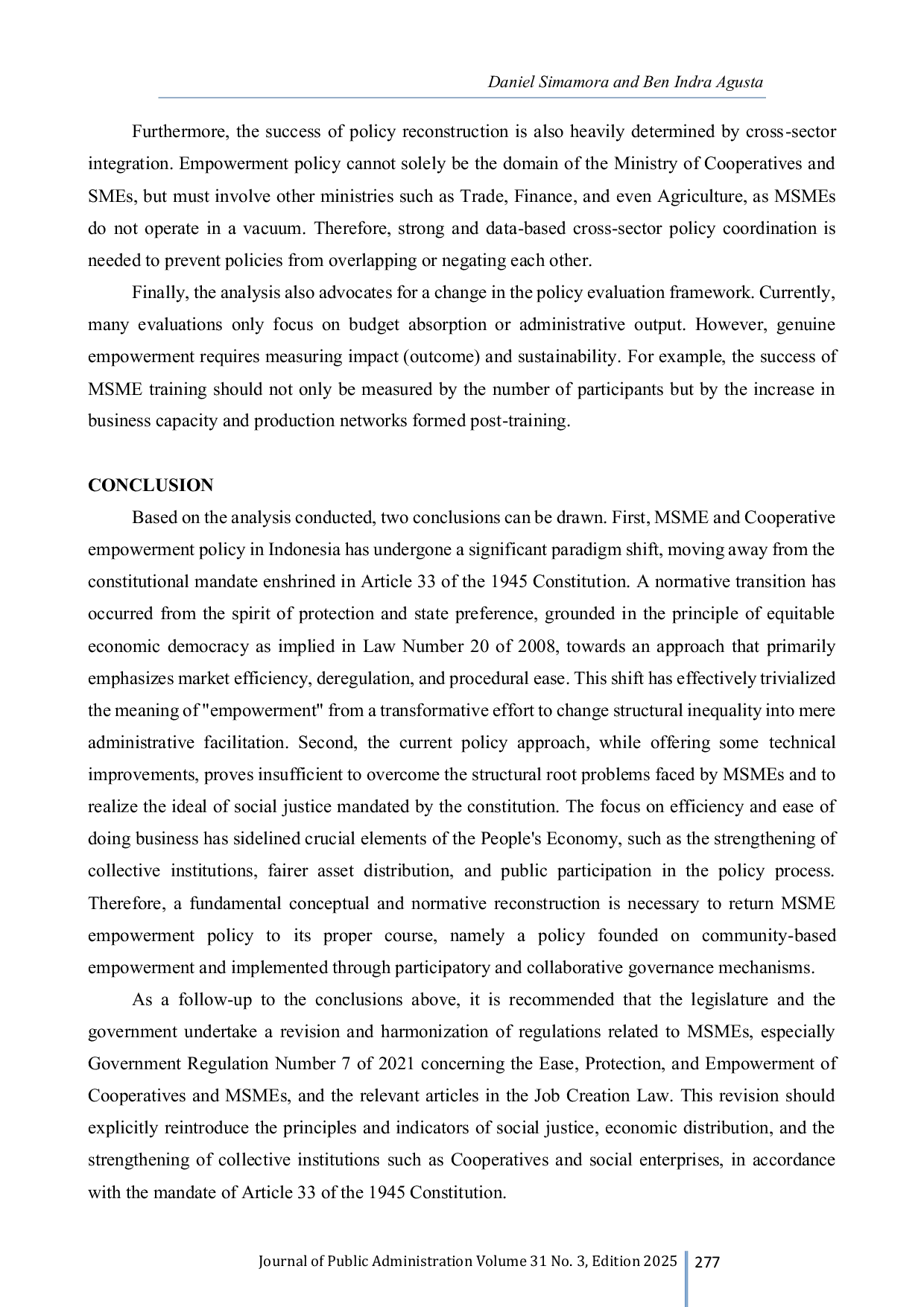
STIALANMAKASSARSTIALANMAKASSAR Fokus pada efisiensi dan kemudahan berusaha telah mengesampingkan elemen-elemen penting dari Ekonomi Kerakyatan, seperti penguatan institusi kolektif,Fokus pada efisiensi dan kemudahan berusaha telah mengesampingkan elemen-elemen penting dari Ekonomi Kerakyatan, seperti penguatan institusi kolektif,
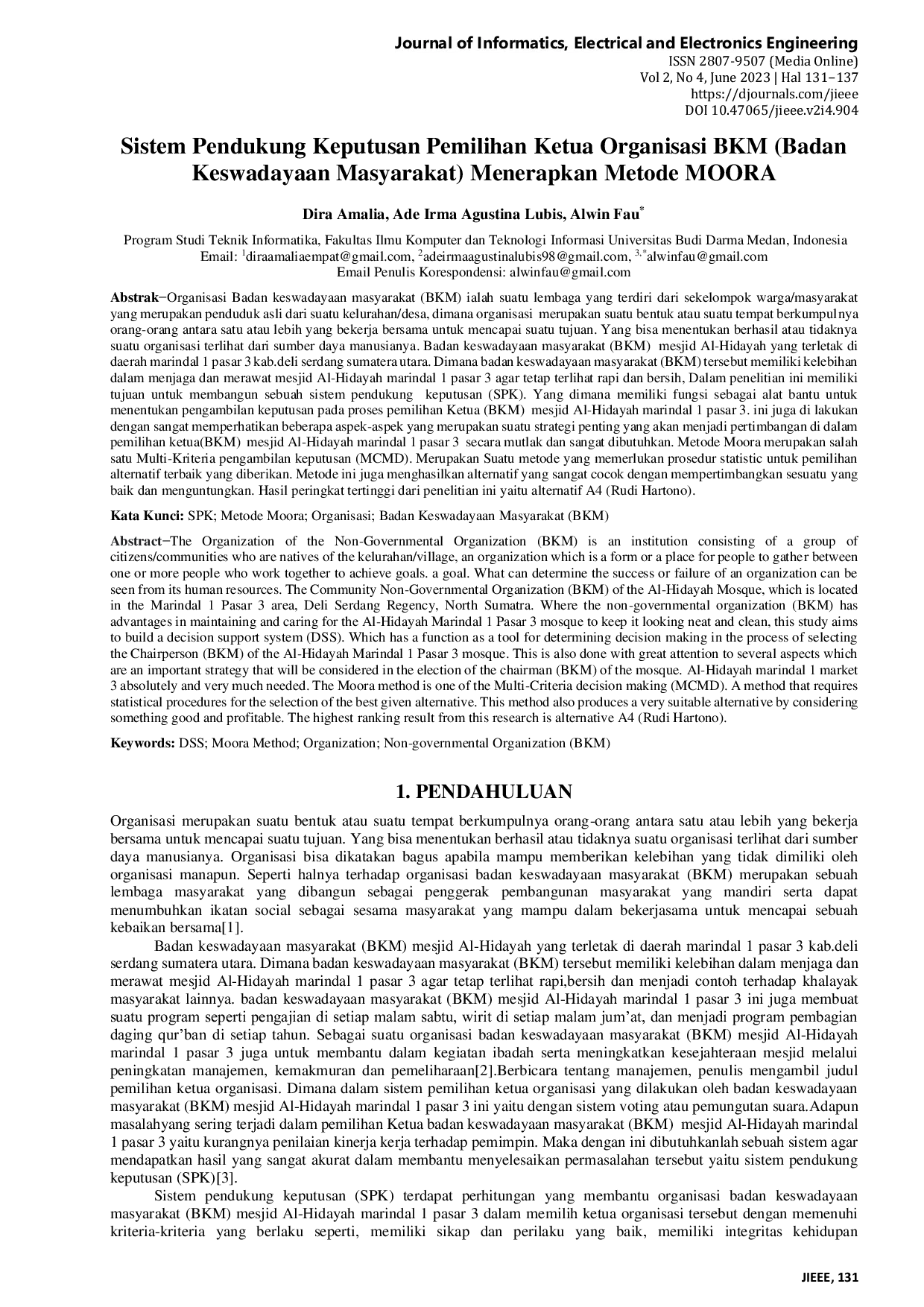
DJOURNALSDJOURNALS Pemilihan Ketua Organisasi BKM menggunakan metode MOORA membantu organisasi mendapatkan hasil yang lebih efektif, sementara penggunaan metode Rank OrderPemilihan Ketua Organisasi BKM menggunakan metode MOORA membantu organisasi mendapatkan hasil yang lebih efektif, sementara penggunaan metode Rank Order
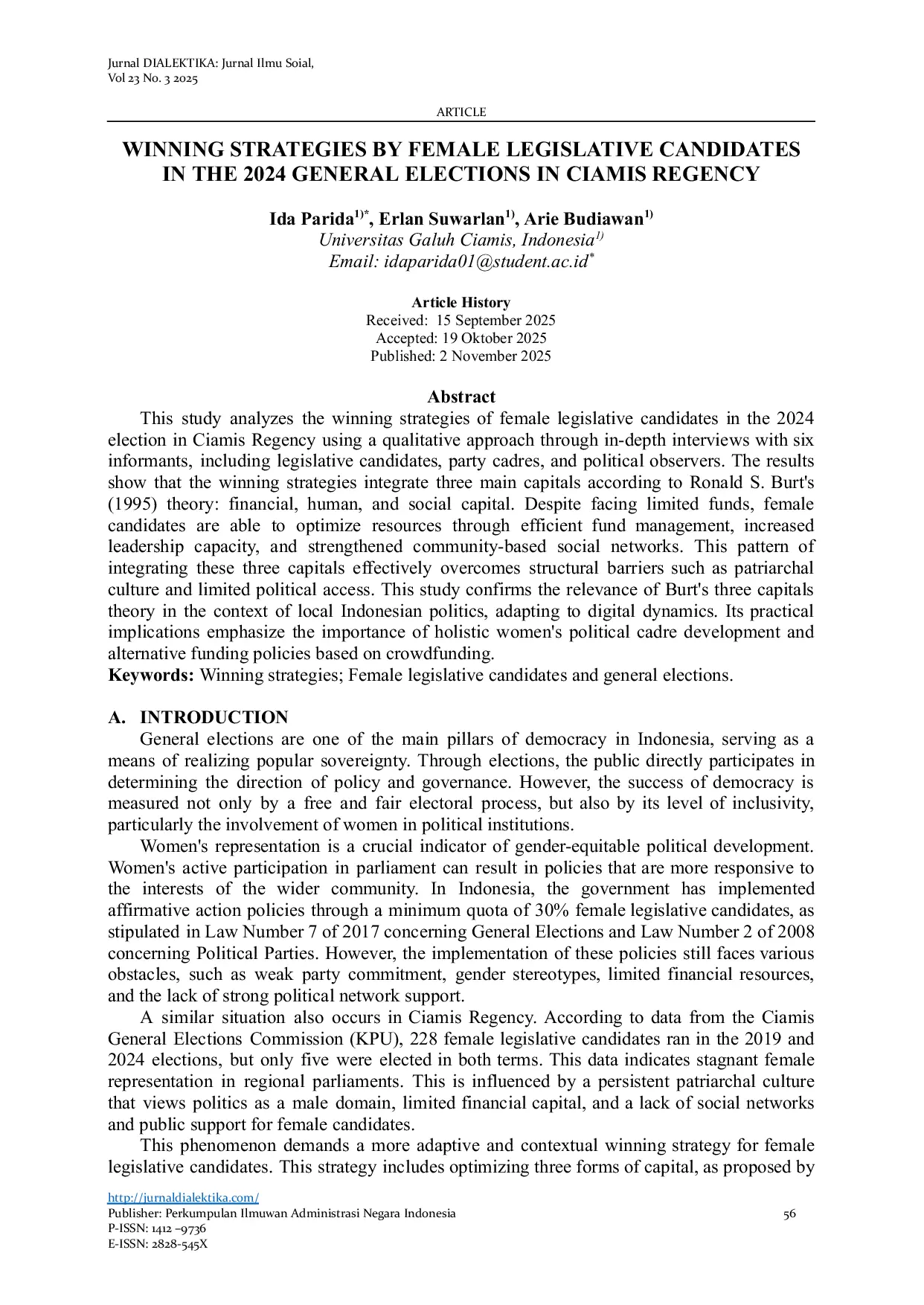
JURNALDIALEKTIKAJURNALDIALEKTIKA Studi ini menganalisis strategi kemenangan calon legislatif perempuan dalam pemilihan umum tahun 2024 di Kabupaten Ciamis dengan pendekatan kualitatifStudi ini menganalisis strategi kemenangan calon legislatif perempuan dalam pemilihan umum tahun 2024 di Kabupaten Ciamis dengan pendekatan kualitatif

CASSRCASSR Strategi dual‑track ini menjadikan Indonesia sebagai norm entrepreneur yang menyesuaikan norma global dengan konteks ASEAN, sehingga kerangka kerja regionalStrategi dual‑track ini menjadikan Indonesia sebagai norm entrepreneur yang menyesuaikan norma global dengan konteks ASEAN, sehingga kerangka kerja regional
PUSTAKAGALERIMANDIRIPUSTAKAGALERIMANDIRI Ketercapaian dalam pengabdian ini menggunakan kuesioner pre dan post test yaitu 100% peserta hadir dan mengikuti kegiatan, masyarakat mampu melakukan praktikKetercapaian dalam pengabdian ini menggunakan kuesioner pre dan post test yaitu 100% peserta hadir dan mengikuti kegiatan, masyarakat mampu melakukan praktik
STIAPANCAMARGAPALUSTIAPANCAMARGAPALU Penelitian ini menyimpulkan bahwa kehadiran Satgas Damai Cartenz di Kabupaten Pegunungan Bintang, khususnya Distrik Oksibil, memberikan kontribusi signifikanPenelitian ini menyimpulkan bahwa kehadiran Satgas Damai Cartenz di Kabupaten Pegunungan Bintang, khususnya Distrik Oksibil, memberikan kontribusi signifikan
PROSPECTPUBLISHINGPROSPECTPUBLISHING Diharapkan dengan bekal pengetahuan dan keterampilan baru, masyarakat dapat lebih proaktif dalam mencegah dan menanggulangi bencana kebakaran, sehinggaDiharapkan dengan bekal pengetahuan dan keterampilan baru, masyarakat dapat lebih proaktif dalam mencegah dan menanggulangi bencana kebakaran, sehingga
Useful /
JOURNAL STIAYAPPIMAKASSARJOURNAL STIAYAPPIMAKASSAR Tidak lagi semata-mata dipahami sebagai kekuasaan formal yang melekat pada jabatan struktural, kepemimpinan kini ditelaah sebagai proses interpersonalTidak lagi semata-mata dipahami sebagai kekuasaan formal yang melekat pada jabatan struktural, kepemimpinan kini ditelaah sebagai proses interpersonal
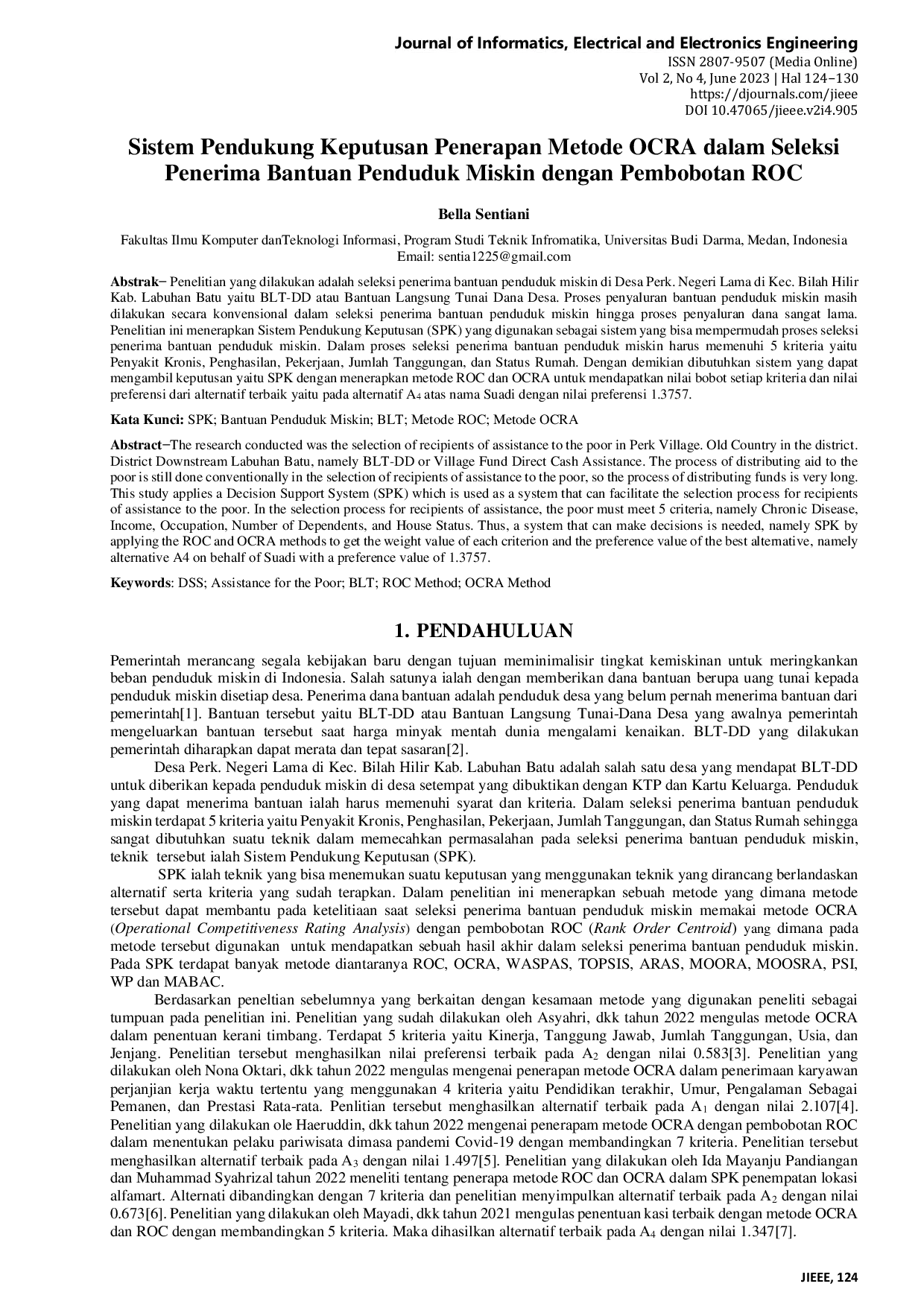
DJOURNALSDJOURNALS Negeri Lama di Kec. Bilah Hilir Kab. Labuhan Batu yaitu BLT-DD atau Bantuan Langsung Tunai Dana Desa. Proses penyaluran bantuan penduduk miskin masih dilakukanNegeri Lama di Kec. Bilah Hilir Kab. Labuhan Batu yaitu BLT-DD atau Bantuan Langsung Tunai Dana Desa. Proses penyaluran bantuan penduduk miskin masih dilakukan

UNJANIUNJANI Kampanye yang diantisipasi berlangsung cepat sejauh ini gagal memberikan hasil positif bagi Rusia; sebaliknya, bayang-bayang kegagalan semakin nyata, denganKampanye yang diantisipasi berlangsung cepat sejauh ini gagal memberikan hasil positif bagi Rusia; sebaliknya, bayang-bayang kegagalan semakin nyata, dengan
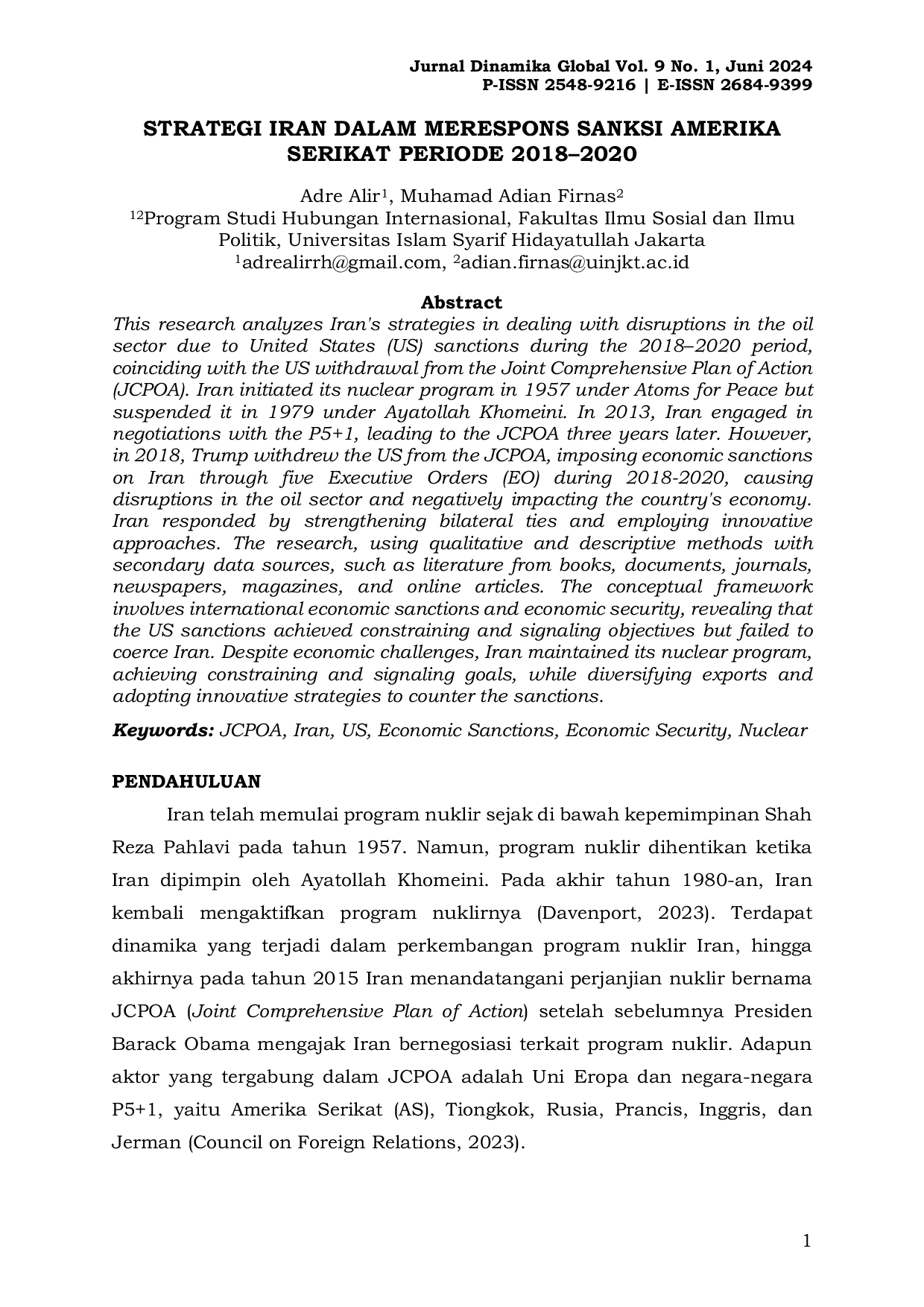
UNJANIUNJANI Penelitian ini menganalisis strategi Iran dalam mengatasi gangguan di sektor minyak akibat sanksi Amerika Serikat (AS) selama periode 2018–2020, yangPenelitian ini menganalisis strategi Iran dalam mengatasi gangguan di sektor minyak akibat sanksi Amerika Serikat (AS) selama periode 2018–2020, yang