STMIK MISTMIK MI
Informatics Management, Engineering and Information System JournalInformatics Management, Engineering and Information System JournalThe development of tiramite mushrooms in Indonesia encounters difficulties in sustaining ideal temperature and humidity levels, particularly due to erratic climate variations. This study utilizes Internet of Things (IoT) technology to resolve these challenges by creating an automated, real-time system for monitoring and controlling temperature and humidity at JJ Srister Mushroom. The Research & Development (R&D) methodology employing a prototyping approach facilitates ongoing testing and enhancement of the system. This system employs DHT22 sensors and interfaces with a web page and control box for real-time monitoring. Test results indicate that the system effectively regulates temperature and humidity within suitable parameters for the growth phases of mycelium and mushroom fruit bodies, maintaining temperatures of 22-28°C and humidity levels of 80-90% during the mycelium phase, and temperatures of 16-25°C with humidity levels of 90-95% during the fruit body phase. The authors assert that this IoT system offers significant advantages and advocate for further investigation to enhance sensor precision and develop a mobile application as a supplementary monitoring tool.
The testing of the IoT-based temperature and humidity management system yielded significant conclusions.The IoT-based control and monitoring system was effectively constructed utilizing a DHT sensor and a scheduling mechanism.Furthermore, this method enables mushroom farmers to monitor temperature and humidity in real time via a web interface and control unit.Testing confirmed the systems capability to sustain a temperature range of 22–28°C and humidity of 80–90% during mycelium development, as well as a temperature range of 16–25°C and humidity of 90–95% during fruiting body growth.
Based on the research findings, several avenues for future research emerge. Firstly, investigating the integration of more sophisticated sensor technologies, such as those capable of detecting substrate moisture levels, could provide a more holistic understanding of the mushroom cultivation environment. Secondly, developing a predictive model utilizing machine learning algorithms to forecast temperature and humidity fluctuations based on historical data and weather patterns could enable proactive adjustments to the control system, optimizing growth conditions. Finally, exploring the feasibility of a closed-loop system that automatically adjusts ventilation and irrigation based on real-time sensor data and predictive modeling would represent a significant advancement in automated mushroom farming, potentially reducing labor costs and increasing yield. These research directions build upon the current studys success and aim to further refine and enhance the efficiency and sustainability of tiramite mushroom cultivation through the application of IoT technologies.
| File size | 588.98 KB |
| Pages | 9 |
| DMCA | Report |
Related /
UNSIQUNSIQ Usaha meningkatkan keterampilan, inovasi, dan kreativitas karyawan magang dalam menciptakan produk kreatif berbasis lokal, yang pada akhirnya dapat berkontribusiUsaha meningkatkan keterampilan, inovasi, dan kreativitas karyawan magang dalam menciptakan produk kreatif berbasis lokal, yang pada akhirnya dapat berkontribusi
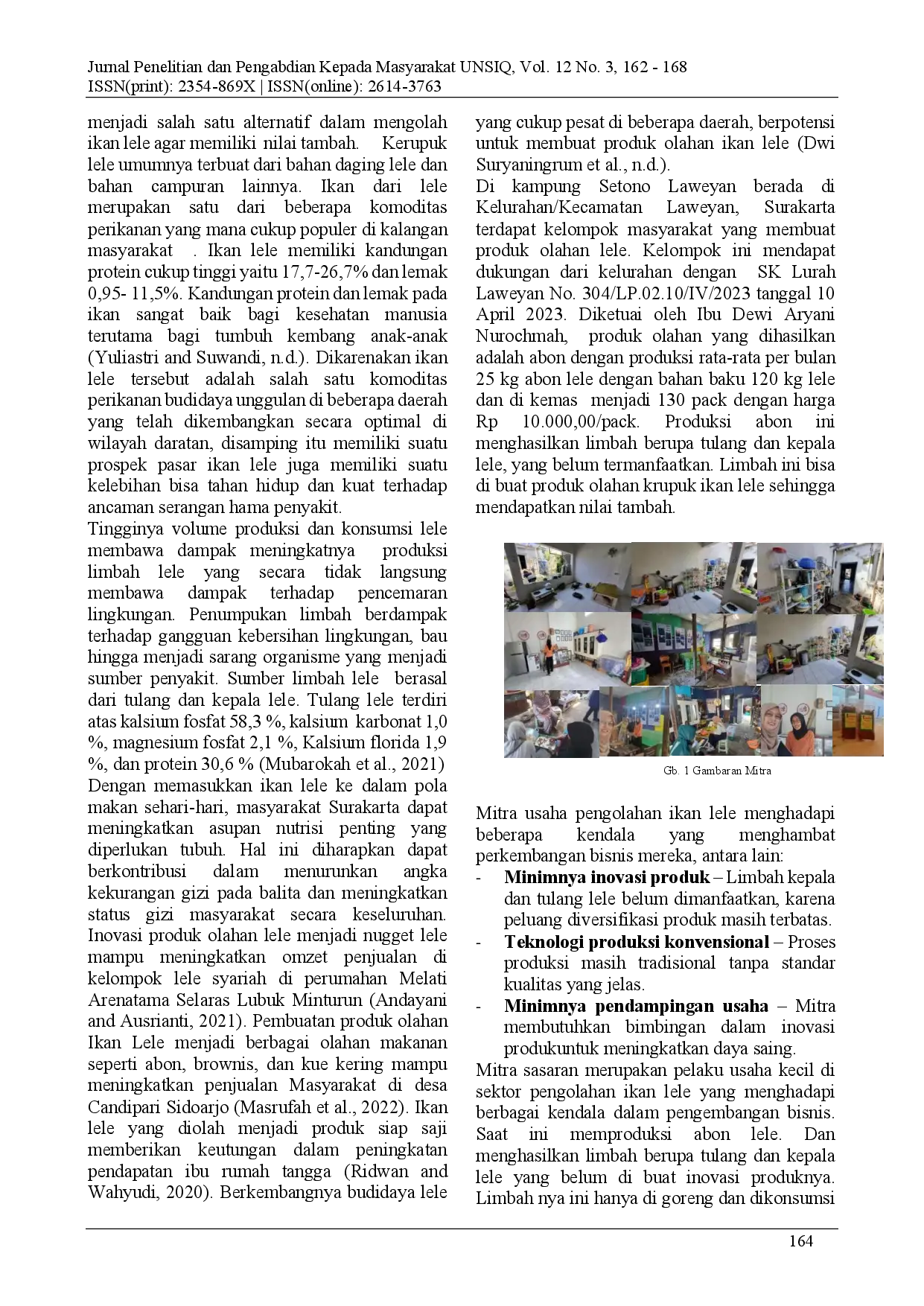
UNSIQUNSIQ Inovasi ini meningkatkan keterampilan anggota kelompok, membuka peluang diversifikasi produk, serta mendukung pengelolaan lingkungan yang berkelanjutan.Inovasi ini meningkatkan keterampilan anggota kelompok, membuka peluang diversifikasi produk, serta mendukung pengelolaan lingkungan yang berkelanjutan.
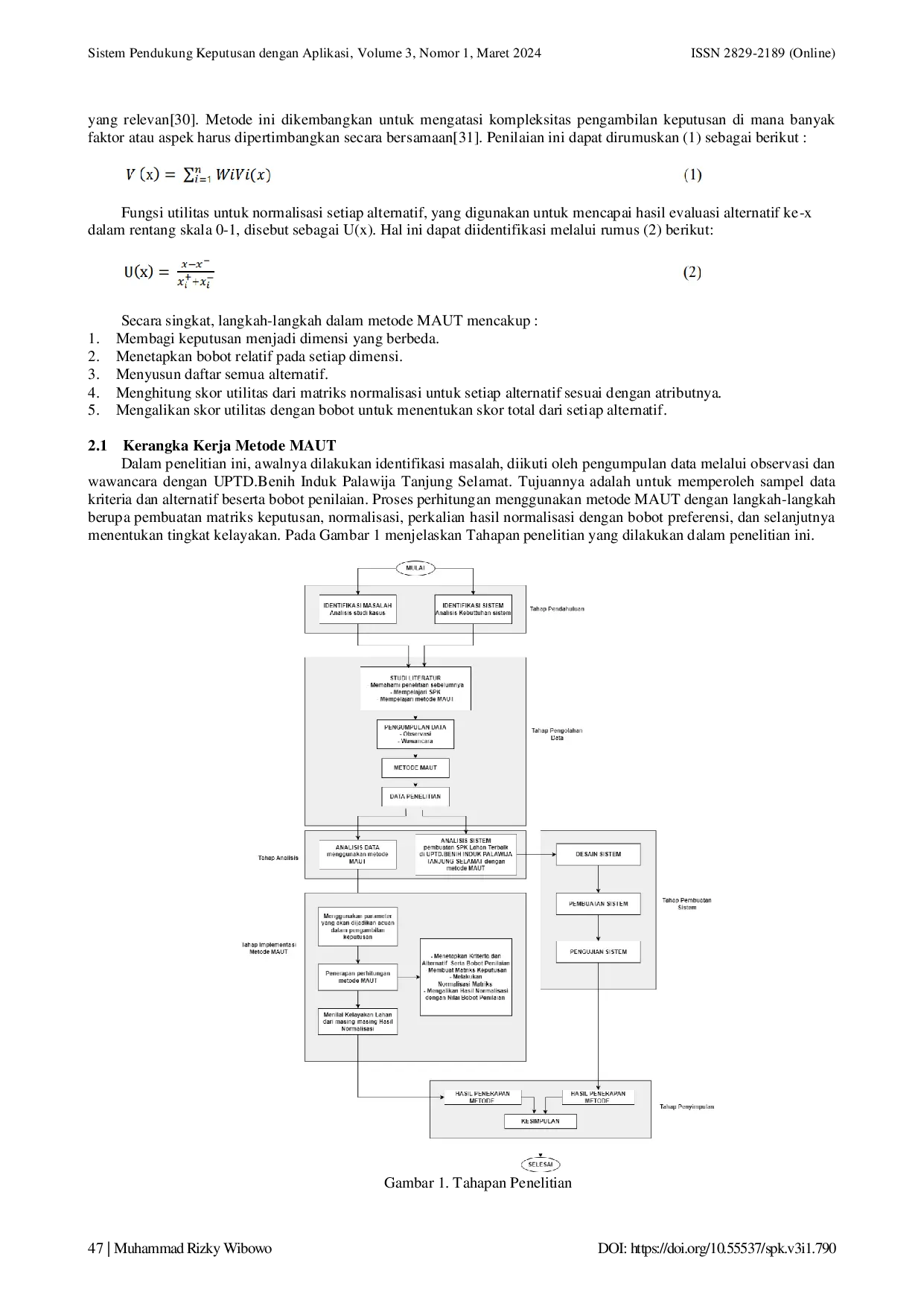
AIRAAIRA Blok F, C, dan E menunjukkan kelayakan tinggi untuk budidaya tanaman benih di UPTD Benih Induk Palawija Tanjung Selamat. Pengambil keputusan dapat mengalokasikanBlok F, C, dan E menunjukkan kelayakan tinggi untuk budidaya tanaman benih di UPTD Benih Induk Palawija Tanjung Selamat. Pengambil keputusan dapat mengalokasikan

ITKAITKA Selain itu, perlu diteliti dampak jangka panjang dari sertifikasi organik terhadap kesehatan petani dan lingkungan, terutama dalam penggunaan bahan alamiSelain itu, perlu diteliti dampak jangka panjang dari sertifikasi organik terhadap kesehatan petani dan lingkungan, terutama dalam penggunaan bahan alami

ITKAITKA Adapun biaya penyelenggaraan pelatihan penerapan e-administrasi staff administrasi UPBJJ UT Bandar Lampung dibebankan kepada UT. Pada saat ini penerapanAdapun biaya penyelenggaraan pelatihan penerapan e-administrasi staff administrasi UPBJJ UT Bandar Lampung dibebankan kepada UT. Pada saat ini penerapan

UNIKSUNIKS Penelitian ini menggunakan Rancangan Acak Lengkap Non Faktorial dengan lima taraf perlakuan media tanam: Cocopeat, Fiber kelapa sawit, Cacahan Batang Pisang,Penelitian ini menggunakan Rancangan Acak Lengkap Non Faktorial dengan lima taraf perlakuan media tanam: Cocopeat, Fiber kelapa sawit, Cacahan Batang Pisang,
UNIKSUNIKS Penelitian ini menggunakan metode analisis sensori uji rangking dengan 4 perlakuan yaitu BWT1 (penambahan ekstrak belimbing wuluh 0 %), BWT2 (penambahanPenelitian ini menggunakan metode analisis sensori uji rangking dengan 4 perlakuan yaitu BWT1 (penambahan ekstrak belimbing wuluh 0 %), BWT2 (penambahan

UNIKSUNIKS ) pada tanah ultisol. Metode penelitian yang digunakan adalah Rancangan Acak Kelompok (RAK) Non Faktorial yang terdiri dari 7 taraf perlakuan dan 3 ulangan.) pada tanah ultisol. Metode penelitian yang digunakan adalah Rancangan Acak Kelompok (RAK) Non Faktorial yang terdiri dari 7 taraf perlakuan dan 3 ulangan.
Useful /

STMIK MISTMIK MI Penelitian ini menunjukkan bahwa aplikasi yang dibuat menggunakan metode OOSE memungkinkan konsumen untuk memesan layanan secara online tanpa mengantrePenelitian ini menunjukkan bahwa aplikasi yang dibuat menggunakan metode OOSE memungkinkan konsumen untuk memesan layanan secara online tanpa mengantre

STITAW BINJAISTITAW BINJAI Hasil penelitian menunjukkan bahwa penerapan model ini dapat meningkatkan kemampuan siswa dalam memahami materi, mengembangkan pola pikir secara tersusun,Hasil penelitian menunjukkan bahwa penerapan model ini dapat meningkatkan kemampuan siswa dalam memahami materi, mengembangkan pola pikir secara tersusun,
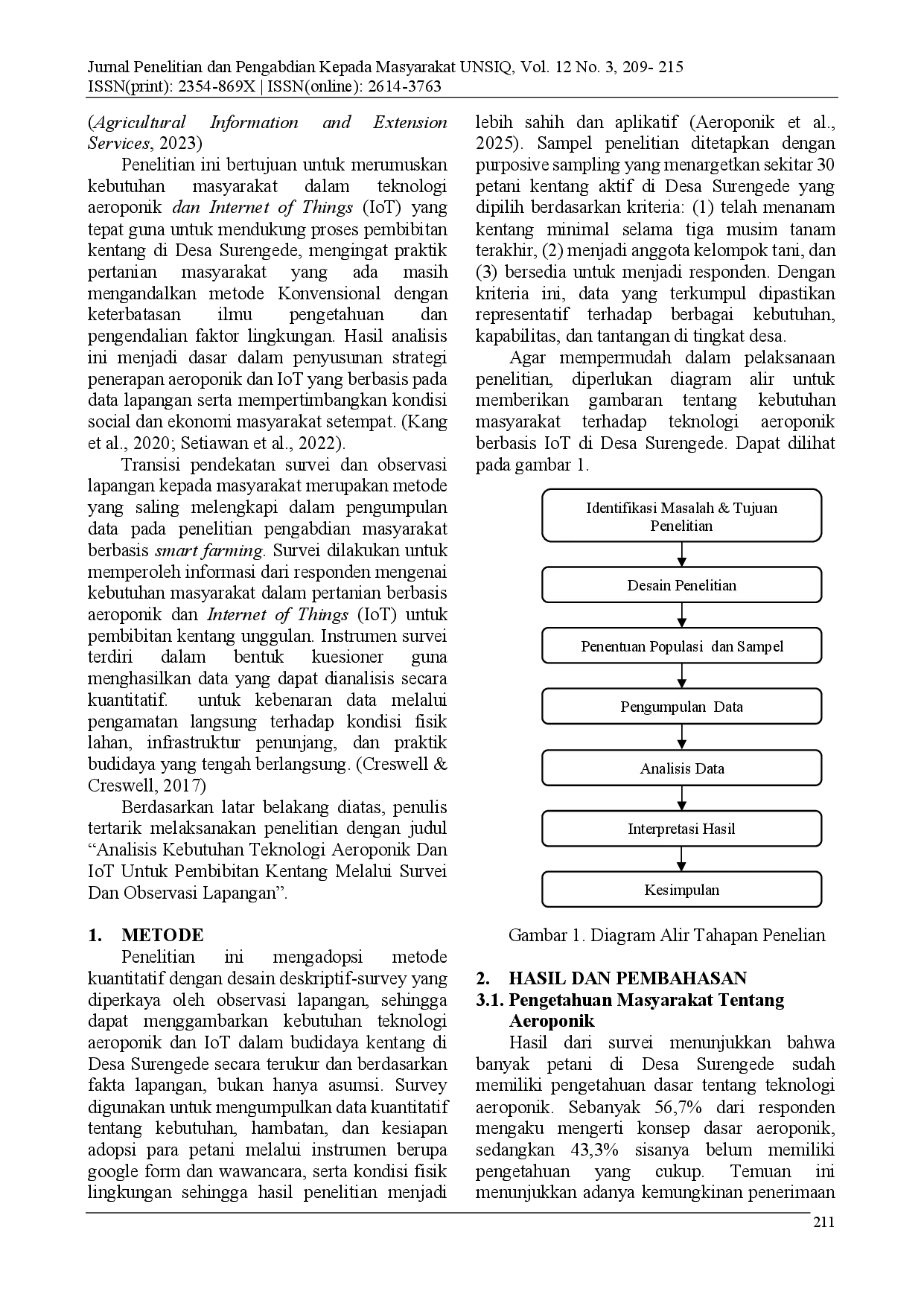
UNSIQUNSIQ Tujuan penelitian ini adalah untuk menganalisis kebutuhan akan teknologi aeroponik dan Internet of Things (IoT) sebagai solusi strategis dalam proses pembibitanTujuan penelitian ini adalah untuk menganalisis kebutuhan akan teknologi aeroponik dan Internet of Things (IoT) sebagai solusi strategis dalam proses pembibitan
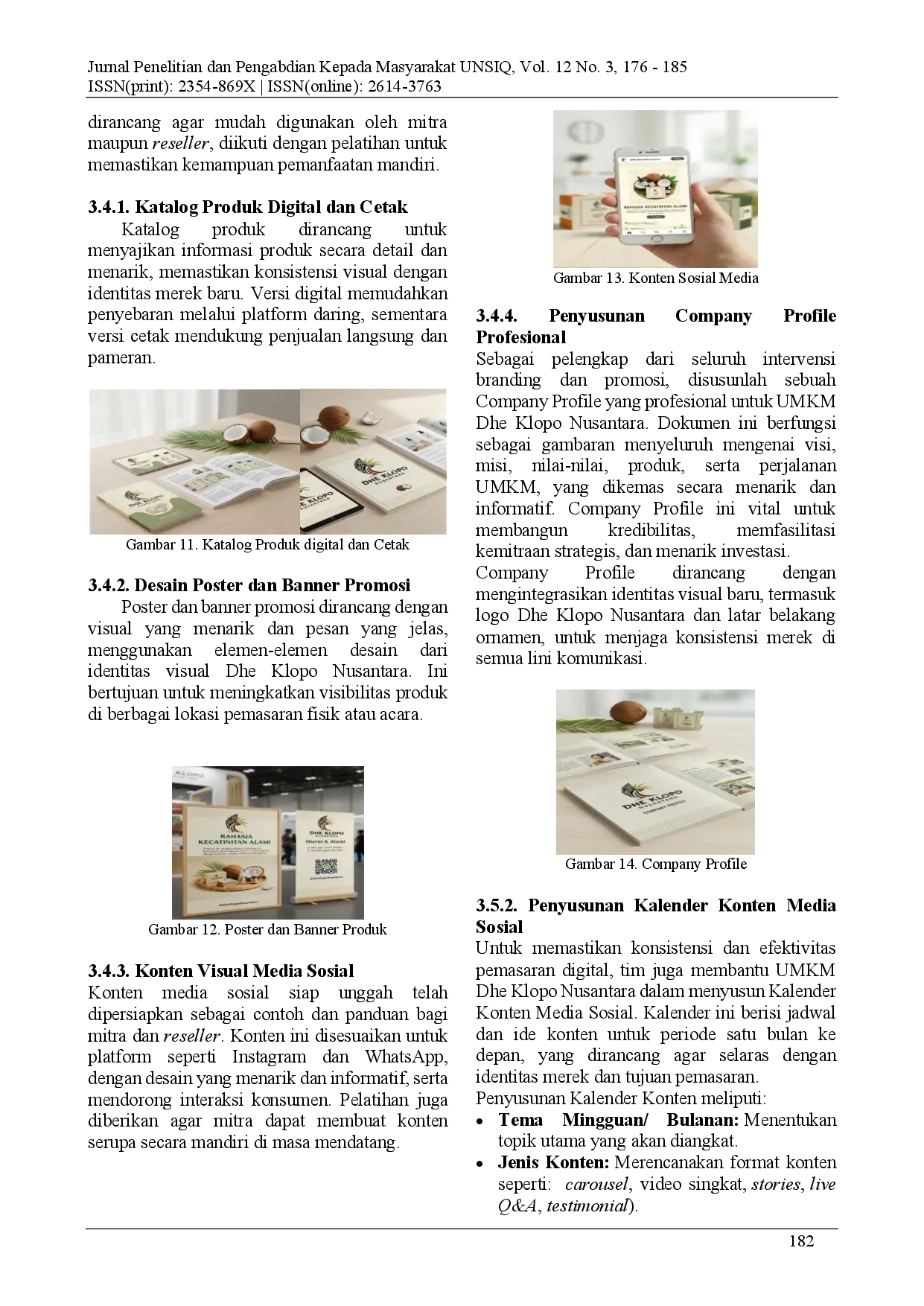
UNSIQUNSIQ Terbentuk sistem identitas visual baru yang koheren dan profesional pada logo serta desain kemasan, berhasil mengangkat narasi budaya lokal Lamongan. ImplementasiTerbentuk sistem identitas visual baru yang koheren dan profesional pada logo serta desain kemasan, berhasil mengangkat narasi budaya lokal Lamongan. Implementasi