UnijoyoUnijoyo
Jurnal Teknik Elektro dan Komputer TRIACJurnal Teknik Elektro dan Komputer TRIACClean water is essential for public health and quality of life. Yet, many rural areas in Indonesia still rely on well water that often has high turbidity, too many dissolved solids, and risks of biological contamination. To help solve these problems, this study created and tested a Smart Digital Measurement System using (IoT) technology to monitor and improve water quality. The system includes a digital monitoring unit with pH, TDS, and turbidity sensors, which send data to the Blynk IoT dashboard and a Telegram bot for notifications. It also uses a multi-stage filtration unit with sedimentation filters, activated carbon, and UV sterilizers. Tests on wells in Gesikan, Tuban, showed the system worked reliably, with an average data transmission delay of 1.72 seconds, sensor errors below 5%, and 99% uptime over seven days. Water quality improved: pH levels rose to nearly neutral (6.8 to 7.0), TDS dropped by more than half (from 520–560 ppm to 240–260 ppm), and turbidity fell by about 75% (from 30–35 NTU to 6–8 NTU). These results show that the system offers an affordable way to help rural communities get cleaner water and supports progress toward SDGs 3 (Good Health and Well-being) and 6 (Clean Water and Sanitation).
This study successfully developed and implemented an IoT-based Smart Digital Measurement System for monitoring rural well water quality.The system demonstrated reliable performance with minimal data transmission delay, high uptime, and accurate sensor readings.Field tests confirmed significant improvements in water quality parameters, meeting WHO and Ministry of Health standards, thus offering a sustainable solution for providing clean water in rural areas and supporting the achievement of Sustainable Development Goals.
Further research should investigate the integration of machine learning algorithms to predict water quality fluctuations based on historical data, enabling proactive maintenance and resource allocation. Additionally, exploring the feasibility of a decentralized, community-managed network of these IoT systems, coupled with training programs for local technicians, could enhance long-term sustainability and scalability. Finally, a comparative study evaluating the cost-effectiveness and environmental impact of different filtration materials and energy sources for powering the system would provide valuable insights for optimizing its design and deployment in diverse rural contexts. These investigations, building upon the current research, will contribute to a more comprehensive and resilient approach to ensuring access to clean water in underserved communities, requiring approximately 200 words to fully articulate these research directions.
- Pengembangan Sistem Informasi Monitoring Kualitas Air Berbasis IoT untuk Pengelolaan Sanitasi Pondok... doi.org/10.55606/jitek.v5i2.3223Pengembangan Sistem Informasi Monitoring Kualitas Air Berbasis IoT untuk Pengelolaan Sanitasi Pondok doi 10 55606 jitek v5i2 3223
- Full article: Design of a realâtime water quality monitoring and control system using Internet... tandfonline.com/doi/full/10.1080/23311916.2022.2143054Full article Design of a realyAAAetime water quality monitoring and control system using Internet tandfonline doi full 10 1080 23311916 2022 2143054
| File size | 685.46 KB |
| Pages | 6 |
| DMCA | Report |
Related /

IPBIPB Nilai Indeks Suhu Kelembaban (THI) menunjukkan kenyamanan termal sedang, terutama selama jam puncak. Penilaian layanan lanskap multifungsi menunjukkanNilai Indeks Suhu Kelembaban (THI) menunjukkan kenyamanan termal sedang, terutama selama jam puncak. Penilaian layanan lanskap multifungsi menunjukkan

CAHAYA ICCAHAYA IC Hasil analisis menyoroti adanya kesenjangan antara praktik pembelajaran saat ini dengan kompetensi yang dibutuhkan dalam pendidikan abad ke-21, terutamaHasil analisis menyoroti adanya kesenjangan antara praktik pembelajaran saat ini dengan kompetensi yang dibutuhkan dalam pendidikan abad ke-21, terutama
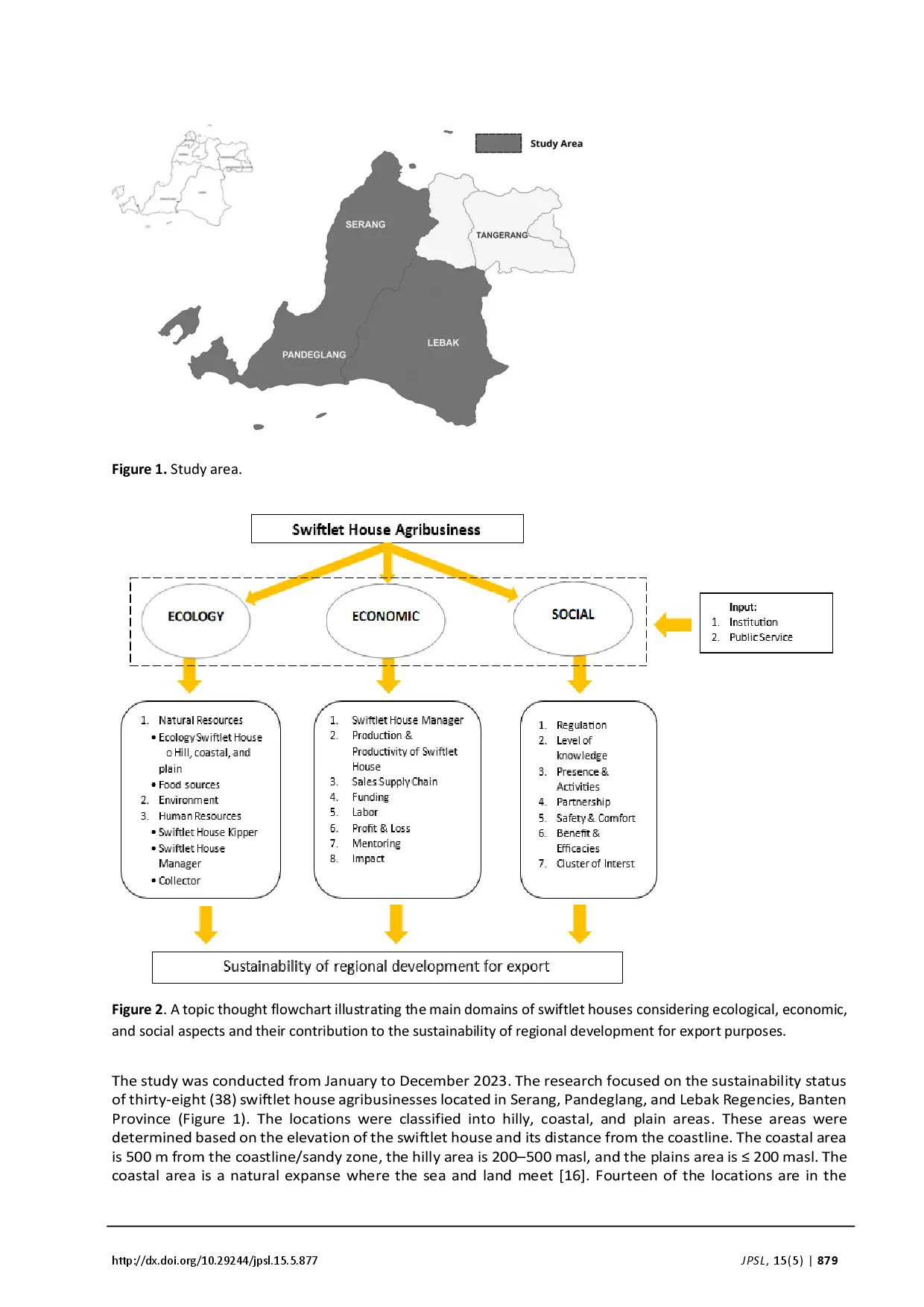
IPBIPB Analisis keberlanjutan bisnis rumah walet mencakup aspek ekologi, ekonomi, dan sosial. Sampel terdiri dari tiga puluh delapan (38) rumah walet yang beradaAnalisis keberlanjutan bisnis rumah walet mencakup aspek ekologi, ekonomi, dan sosial. Sampel terdiri dari tiga puluh delapan (38) rumah walet yang berada

IPBIPB 720 hektare lahan telah teridentifikasi cocok untuk padi lokal pada berbagai tingkat kerentanan banjir, sehingga membutuhkan strategi pengelolaan adaptif720 hektare lahan telah teridentifikasi cocok untuk padi lokal pada berbagai tingkat kerentanan banjir, sehingga membutuhkan strategi pengelolaan adaptif

IPBIPB Selisih jarak tetangga terdekat rata-rata digunakan untuk menentukan pola distribusi, sedangkan elips deviasi standar digunakan untuk menentukan arah pertumbuhanSelisih jarak tetangga terdekat rata-rata digunakan untuk menentukan pola distribusi, sedangkan elips deviasi standar digunakan untuk menentukan arah pertumbuhan
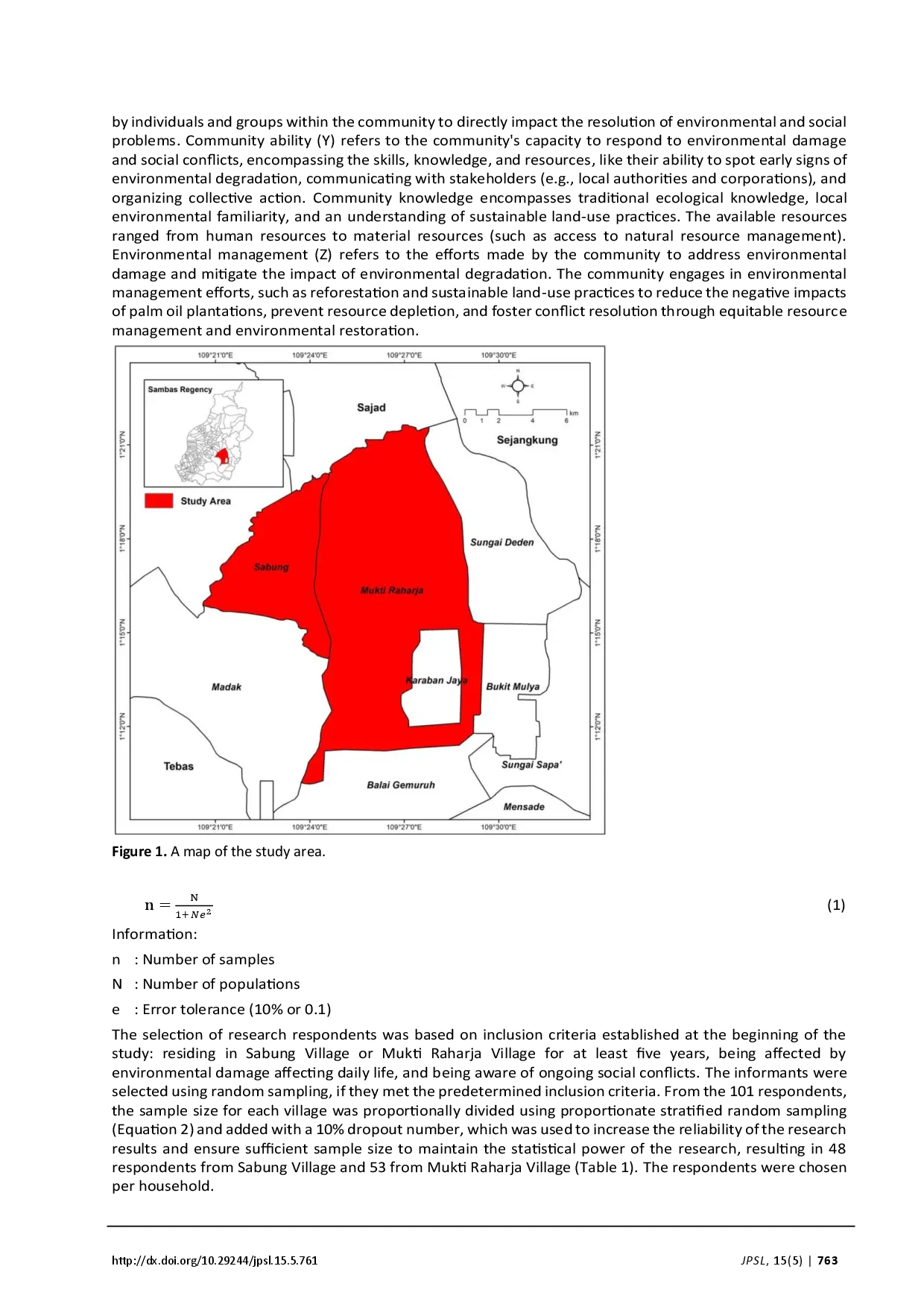
IPBIPB Kebaruan penelitian ini terletak pada fokusnya pada praktik lingkungan yang dipimpin masyarakat sebagai strategi ganda untuk pengelolaan ekologis dan pembangunanKebaruan penelitian ini terletak pada fokusnya pada praktik lingkungan yang dipimpin masyarakat sebagai strategi ganda untuk pengelolaan ekologis dan pembangunan
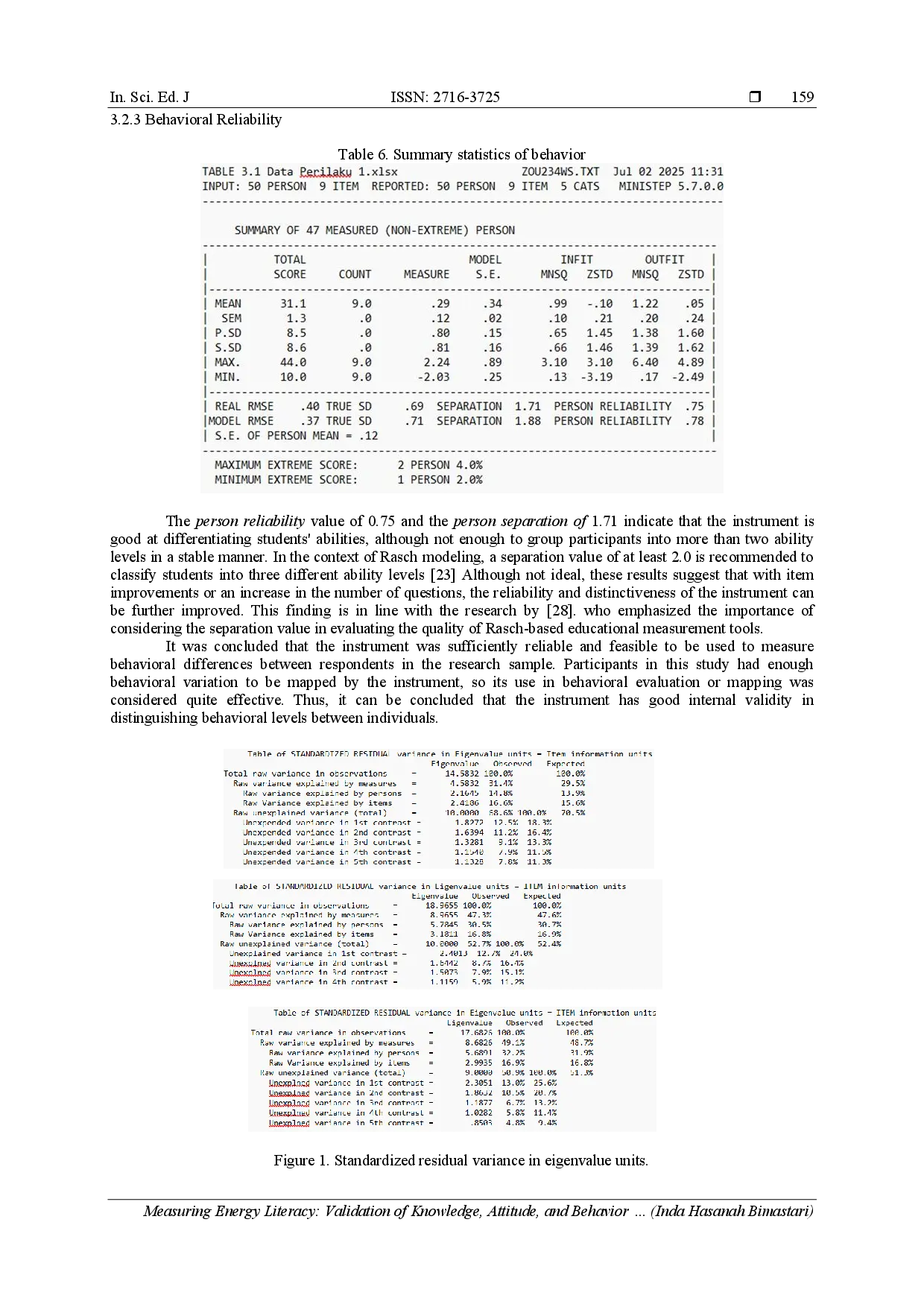
CAHAYA ICCAHAYA IC Instrumen ini memberikan dasar kuat untuk penelitian dan evaluasi literasi energi, dengan potensi pengembangan untuk populasi dan konteks pendidikan lebihInstrumen ini memberikan dasar kuat untuk penelitian dan evaluasi literasi energi, dengan potensi pengembangan untuk populasi dan konteks pendidikan lebih

CAHAYA ICCAHAYA IC Metodologi: Penelitian kualitatif menggunakan perangkat lunak Powtoon untuk mendesain media instruksional. Data dikumpulkan melalui panduan wawancara,Metodologi: Penelitian kualitatif menggunakan perangkat lunak Powtoon untuk mendesain media instruksional. Data dikumpulkan melalui panduan wawancara,
Useful /

POLIJEPOLIJE Fokus penelitian ini terdiri dari dua faktor, yaitu suhu pemanggangan (1600C, 1800C, 2000C) dan waktu pemanggangan (10, 15, 20 menit). Respons yang diamatiFokus penelitian ini terdiri dari dua faktor, yaitu suhu pemanggangan (1600C, 1800C, 2000C) dan waktu pemanggangan (10, 15, 20 menit). Respons yang diamati
UnijoyoUnijoyo Penelitian ini menggunakan penelitian eksperimen deskriptif yang menggunakan pendekatan kualitatif. Penelitian ini bersifat deskriptif karena penelitianPenelitian ini menggunakan penelitian eksperimen deskriptif yang menggunakan pendekatan kualitatif. Penelitian ini bersifat deskriptif karena penelitian

IPBIPB Model mengidentifikasi loop penguat yang menunjukkan bagaimana peningkatan produksi Mocaf meningkatkan akses pangan lokal, mendukung nutrisi anak, danModel mengidentifikasi loop penguat yang menunjukkan bagaimana peningkatan produksi Mocaf meningkatkan akses pangan lokal, mendukung nutrisi anak, dan

UNILAUNILA Hasil penelitian menunjukkan inokulasi Rhizobium mampu memacu pertambahan tinggi, pertambahan diameter, pembentukan bintil efektif, dan meningkatkan beratHasil penelitian menunjukkan inokulasi Rhizobium mampu memacu pertambahan tinggi, pertambahan diameter, pembentukan bintil efektif, dan meningkatkan berat