ATTRACTIVEJOURNALATTRACTIVEJOURNAL
Asian Journal Science and EngineeringAsian Journal Science and EngineeringThis study aims to evaluate the quality control of lightweight brick production at PT XYZ using the Fault Tree Analysis (FTA) method. In the manufacturing industry, product defects are a major challenge that can affect production efficiency, operating costs, and company competitiveness. Based on production data from January to December 2024, the total number of defects identified reached 125,334 units, consisting of three main types, namely cracks (63%), peeling (21%), and imprecision (16%). Through the application of FTA, this study revealed that the two dominant factors that are the root causes of product defects are human error and tools or equipment. Human error is mainly triggered by operator carelessness, overly rapid mold dismantling processes, and errors in installing cutting tools. Meanwhile, machine factors include worn components, excessive vibration, deteriorating cutting wire quality, and lack of regular maintenance. The results of the study emphasize the need for a comprehensive improvement strategy through increasing operator competence, enforcing work discipline, scheduled machine maintenance, and standardizing operational procedures. The implementation of these improvements is expected to reduce the defect rate and improve product quality in a sustainable manner.
The study concludes that the defect rate of lightweight brick products at PT XYZ from January to December 2024 was dominated by cracks (63%), followed by peeling (21%), and imprecision (16%), totaling 125,334 defective units.The main source of defects stemmed from a combination of human error and machine/equipment factors, leading to inconsistencies in product quality.Improving product quality requires a comprehensive strategy encompassing operator training and discipline, enhanced supervision, and a planned machine maintenance system to reduce defects and ensure consistent production quality.
Based on the findings, future research could explore the integration of real-time monitoring systems with FTA to predict and prevent defects before they occur, potentially utilizing machine learning algorithms to identify patterns indicative of impending failures. Furthermore, a comparative study analyzing the effectiveness of different maintenance strategies – such as predictive versus preventative maintenance – on reducing equipment-related defects would be valuable. Finally, investigating the psychological factors influencing operator error, such as workload and stress levels, and developing targeted interventions to improve operator focus and adherence to procedures, could significantly contribute to enhancing product quality and reducing human-induced defects.
| File size | 927.95 KB |
| Pages | 19 |
| DMCA | Report |
Related /

LAAROIBALAAROIBA Penelitian dilakukan menggunakan metode kualitatif berupa studi literatur dari beberapa referensi yang relevan. Hasil studi literatur dari riset ini yakniPenelitian dilakukan menggunakan metode kualitatif berupa studi literatur dari beberapa referensi yang relevan. Hasil studi literatur dari riset ini yakni

LLDIKTI12LLDIKTI12 Penelitian terdiri dari dua tahap: pertama, peneliti mengeksplorasi konsep matematika yang ditemukan dalam rumah budaya; kedua, peneliti mengembangkanPenelitian terdiri dari dua tahap: pertama, peneliti mengeksplorasi konsep matematika yang ditemukan dalam rumah budaya; kedua, peneliti mengembangkan

LLDIKTI12LLDIKTI12 Lagu terbukti membantu siswa memahami makna kata, meningkatkan pelafalan, serta memperkuat ingatan melalui pengulangan dan melodi, sekaligus menciptakanLagu terbukti membantu siswa memahami makna kata, meningkatkan pelafalan, serta memperkuat ingatan melalui pengulangan dan melodi, sekaligus menciptakan

LLDIKTI12LLDIKTI12 Tujuan penelitian ini adalah merekonstruksi narasi kepahlawanan Salahuddin Talabuddin dan menjajaki potensi integrasinya ke dalam bahan ajar sejarah sebagaiTujuan penelitian ini adalah merekonstruksi narasi kepahlawanan Salahuddin Talabuddin dan menjajaki potensi integrasinya ke dalam bahan ajar sejarah sebagai

ASIAASIA Studi ini menyimpulkan bahwa penerapan HRM yang efektif meningkatkan disiplin kerja guru melalui integrasi holistik rekrutmen, pengembangan, evaluasi,Studi ini menyimpulkan bahwa penerapan HRM yang efektif meningkatkan disiplin kerja guru melalui integrasi holistik rekrutmen, pengembangan, evaluasi,
STIEBALIKPAPANSTIEBALIKPAPAN Dengan mengadopsi kerangka metodologi kuantitatif, analisis data dilakukan menggunakan regresi linier berganda untuk mengevaluasi dampak variabel independen,Dengan mengadopsi kerangka metodologi kuantitatif, analisis data dilakukan menggunakan regresi linier berganda untuk mengevaluasi dampak variabel independen,
AREAIAREAI Jumlah sampel dalam penelitian ini berjumlah 50 responden. Analisis data dalam penelitian ini menggunakan analisis regresi linear sederhana dengan bantuanJumlah sampel dalam penelitian ini berjumlah 50 responden. Analisis data dalam penelitian ini menggunakan analisis regresi linear sederhana dengan bantuan

JBE UPIYPTKJBE UPIYPTK This study aims to determine the effect of competence and work environment on state civil servants with work discipline as an intervening variable at theThis study aims to determine the effect of competence and work environment on state civil servants with work discipline as an intervening variable at the
Useful /
ATTRACTIVEJOURNALATTRACTIVEJOURNAL Studi ini menunjukkan bahwa kecerdasan buatan (AI) memiliki potensi besar untuk mengatasi tantangan proyek dengan menawarkan kemampuan prediktif, adaptif,Studi ini menunjukkan bahwa kecerdasan buatan (AI) memiliki potensi besar untuk mengatasi tantangan proyek dengan menawarkan kemampuan prediktif, adaptif,
JBE UPIYPTKJBE UPIYPTK Corporate governance tidak mampu memoderasi capital expenditure, rasio likuiditas, dan growth opportunity terhadap cash holding. Sedangkan leverage mampuCorporate governance tidak mampu memoderasi capital expenditure, rasio likuiditas, dan growth opportunity terhadap cash holding. Sedangkan leverage mampu
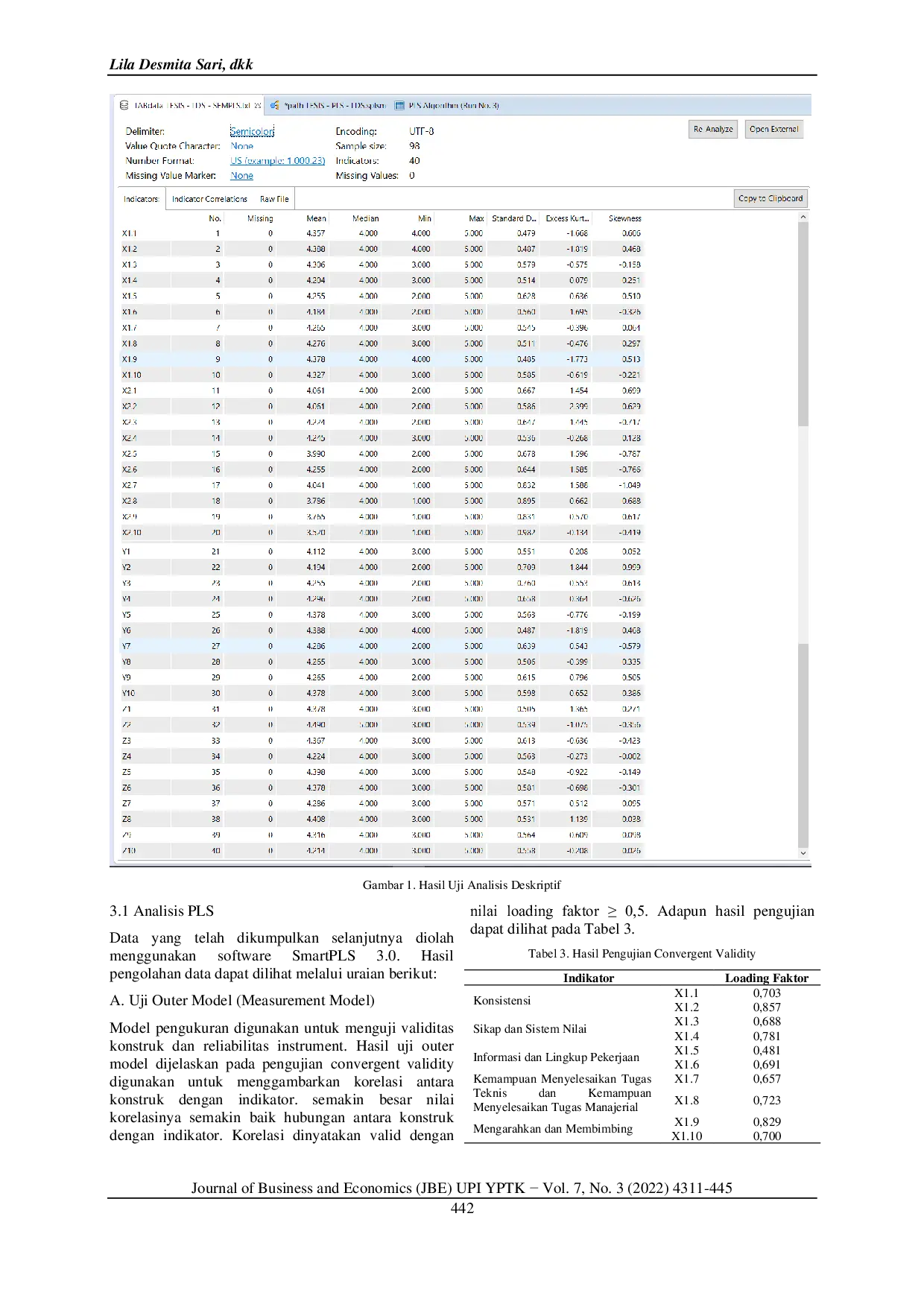
JBE UPIYPTKJBE UPIYPTK Pengujian hipotesis dihitung dengan program SmartPLS ver 3. Hasil Penelitian ini adalah Terdapat pengaruh positif dan tidak signifikan antara kompetensiPengujian hipotesis dihitung dengan program SmartPLS ver 3. Hasil Penelitian ini adalah Terdapat pengaruh positif dan tidak signifikan antara kompetensi
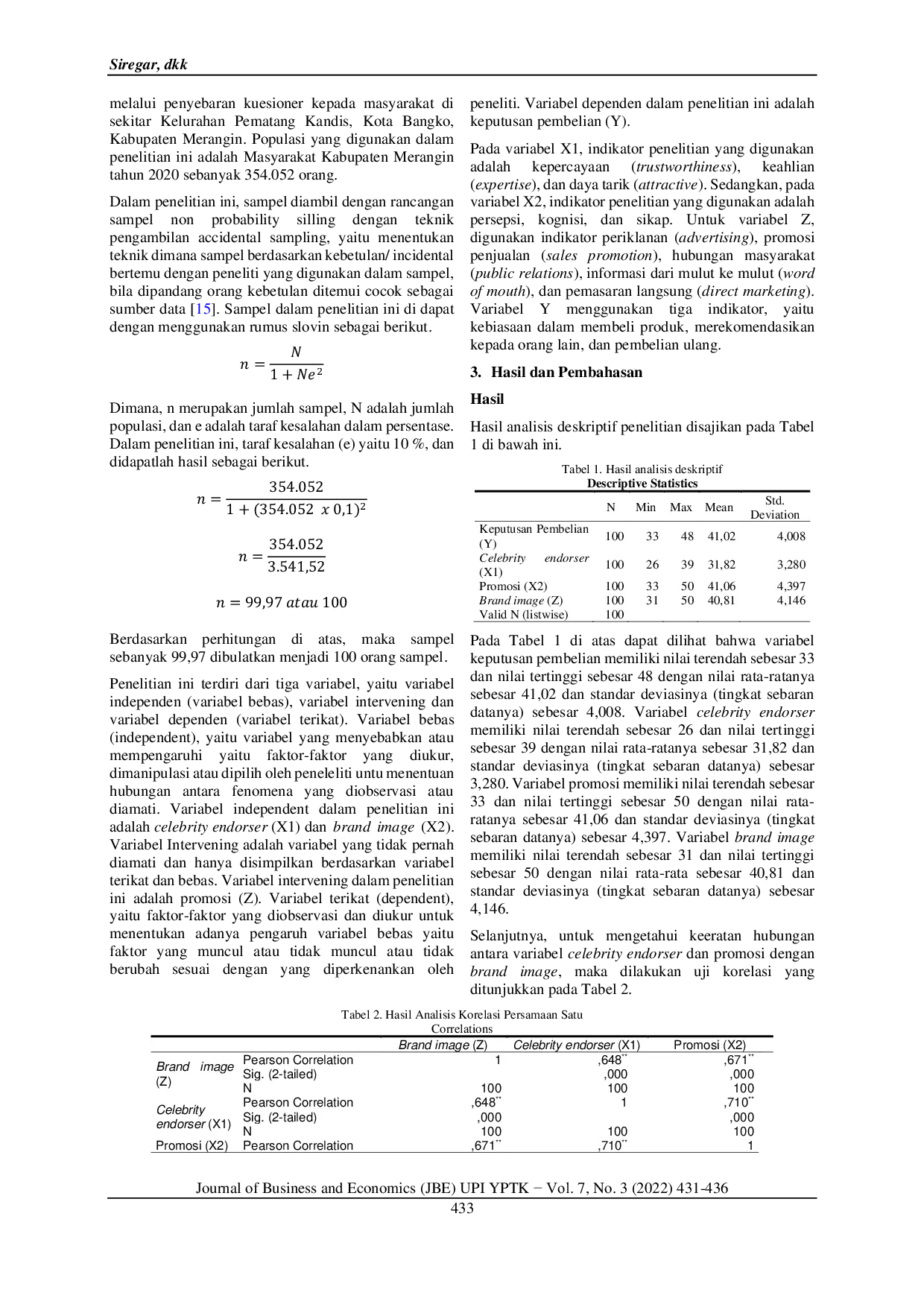
JBE UPIYPTKJBE UPIYPTK Brand image tidak memediasi hubungan antara Promosi terhadap Keputusan Pembelian. Penelitian ini menyimpulkan bahwa terdapat pengaruh signifikan antaraBrand image tidak memediasi hubungan antara Promosi terhadap Keputusan Pembelian. Penelitian ini menyimpulkan bahwa terdapat pengaruh signifikan antara