SERAMBISERAMBI
Journal of Educational Management ResearchJournal of Educational Management ResearchThe object or scope of Islamic education is very broad, because it includes formal Islamic education (educational institutions), informal Islamic education (family education) and non-formal Islamic education (pesantren and talim councils). This is the very fundamental and urgent point of difference between education management and Islamic education management. This difference requires managers to have the knowledge and skills to fully and comprehensively implement management values and processes into Islamic education. Islamic education is the process of guiding physically and spiritually based on Islamic laws towards the formation of the main personality according to Islamic norms or standards. This can be seen from the goals of Islamic law. Substantially the purpose of the Sharia which we call Maqashid al-Shariah contains benefits. Based on the results of the study, Islam views management as a virtue (mashlahah) and that goodness is in line with the objectives of shariah (maqashid al-Shariah) namely the benefit of religion, soul, lineage, intellectual property, and of course property.
The study concludes that Maqashid al-Syariah is a crucial aspect in the development of Islamic law and Islamic Education Management.This demonstrates Islams adaptability to societal changes while remaining grounded in strong, universal principles.Islam emphasizes the importance of conducting all matters well, orderly, and correctly, with adherence to established procedures.Ultimately, the pursuit of societal welfare should be rooted in Maqashid al-Syariah, balancing worldly and spiritual well-being.
Penelitian lebih lanjut dapat dilakukan untuk mengeksplorasi bagaimana prinsip-prinsip Maqashid al-Syariah dapat diintegrasikan secara konkret ke dalam kurikulum dan praktik manajemen di berbagai lembaga pendidikan Islam di Indonesia. Hal ini dapat dilakukan dengan studi kasus mendalam pada sekolah atau pesantren yang telah menerapkan pendekatan ini, untuk mengidentifikasi keberhasilan dan tantangan yang dihadapi. Selain itu, perlu diteliti bagaimana peran kepemimpinan spiritual dalam mewujudkan nilai-nilai Maqashid al-Syariah di lingkungan pendidikan, serta dampaknya terhadap pembentukan karakter peserta didik. Penelitian lain dapat berfokus pada pengembangan model evaluasi yang komprehensif untuk mengukur efektivitas implementasi Maqashid al-Syariah dalam mencapai tujuan pendidikan yang holistik, mencakup aspek spiritual, intelektual, sosial, dan emosional. Terakhir, penting untuk mengkaji bagaimana pendekatan Maqashid al-Syariah dapat berkontribusi pada peningkatan kualitas pendidikan inklusif, yang mengakomodasi keberagaman kebutuhan peserta didik dan mempromosikan keadilan sosial.
| File size | 496.95 KB |
| Pages | 9 |
| DMCA | Report |
Related /

STAIN TDMSTAIN TDM Keputusan pembatalan ini sepenuhnya koheren dengan Maqashid Syariah. Secara khusus, pembatalan ini menegakkan Hifz al-Nafs (perlindungan psikologis Pemohon)Keputusan pembatalan ini sepenuhnya koheren dengan Maqashid Syariah. Secara khusus, pembatalan ini menegakkan Hifz al-Nafs (perlindungan psikologis Pemohon)
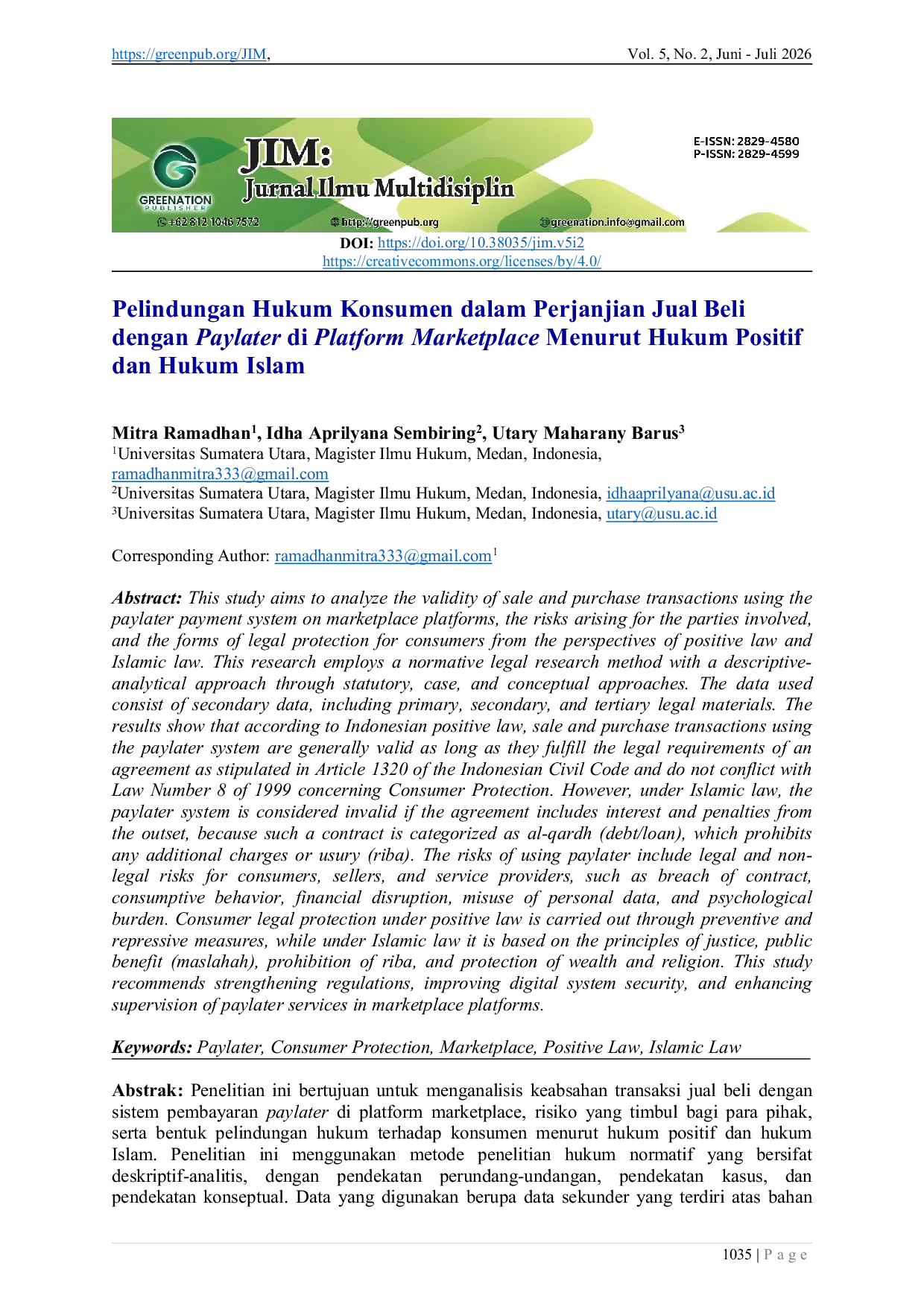
GREENPUBGREENPUB Penelitian ini bertujuan untuk menganalisis keabsahan transaksi jual beli dengan sistem pembayaran paylater di platform marketplace, risiko yang timbulPenelitian ini bertujuan untuk menganalisis keabsahan transaksi jual beli dengan sistem pembayaran paylater di platform marketplace, risiko yang timbul

INDRAINSTITUTEINDRAINSTITUTE Kedisiplinan terbukti menjadi faktor utama keberhasilan pembinaan karena membentuk kepribadian Islami yang taat aturan dan berakhlak mulia. Pembinaan wargaKedisiplinan terbukti menjadi faktor utama keberhasilan pembinaan karena membentuk kepribadian Islami yang taat aturan dan berakhlak mulia. Pembinaan warga

AKABAAKABA Kajian ini menegaskan bahwa pendampingan hukum oleh advokat dapat memperkuat akses perempuan terhadap keadilan dalam gugatan cerai ghoib, sesuai denganKajian ini menegaskan bahwa pendampingan hukum oleh advokat dapat memperkuat akses perempuan terhadap keadilan dalam gugatan cerai ghoib, sesuai dengan

UINFASBENGKULUUINFASBENGKULU Penelitian ini mengkaji sejauh mana kafaah nasabiyah dapat menjadi solusi untuk memperkuat ketahanan rumah tangga di tengah meningkatnya kasus perceraianPenelitian ini mengkaji sejauh mana kafaah nasabiyah dapat menjadi solusi untuk memperkuat ketahanan rumah tangga di tengah meningkatnya kasus perceraian

PERADABANPUBLISHINGPERADABANPUBLISHING Di sisi lain, Schimmel menekankan aspek humanis dan spiritual Nabi Muhammad, yang memainkan peran vital dalam menjembatani kesenjangan antara individuDi sisi lain, Schimmel menekankan aspek humanis dan spiritual Nabi Muhammad, yang memainkan peran vital dalam menjembatani kesenjangan antara individu

UNSURUNSUR Indonesia mengalami lonjakan signifikan dalam penggunaan uang digital, dengan transaksi melalui Quick Response Code Indonesian Standard (QRIS) meningkatIndonesia mengalami lonjakan signifikan dalam penggunaan uang digital, dengan transaksi melalui Quick Response Code Indonesian Standard (QRIS) meningkat

UIT LIRBOYOUIT LIRBOYO Temuan mengungkapkan pentingnya yang sangat penting dalam mengkontekstualkan argumen Alquran dan Hadis yang berkaitan dengan lingkungan sosial, menekankanTemuan mengungkapkan pentingnya yang sangat penting dalam mengkontekstualkan argumen Alquran dan Hadis yang berkaitan dengan lingkungan sosial, menekankan
Useful /

STAIN TDMSTAIN TDM Namun, pelatihan tersebut belum menyentuh pemulihan fisik dan psikologis sebagaimana ditekankan dalam ajaran Islam. Untuk meningkatkan keberhasilan pencegahan,Namun, pelatihan tersebut belum menyentuh pemulihan fisik dan psikologis sebagaimana ditekankan dalam ajaran Islam. Untuk meningkatkan keberhasilan pencegahan,

STAIN TDMSTAIN TDM Temuan studi ini menunjukkan bahwa fenomena Marriage Is Scary di kalangan Generasi Z mewakili realitas yang dibentuk secara sosial yang dibentuk oleh narasiTemuan studi ini menunjukkan bahwa fenomena Marriage Is Scary di kalangan Generasi Z mewakili realitas yang dibentuk secara sosial yang dibentuk oleh narasi
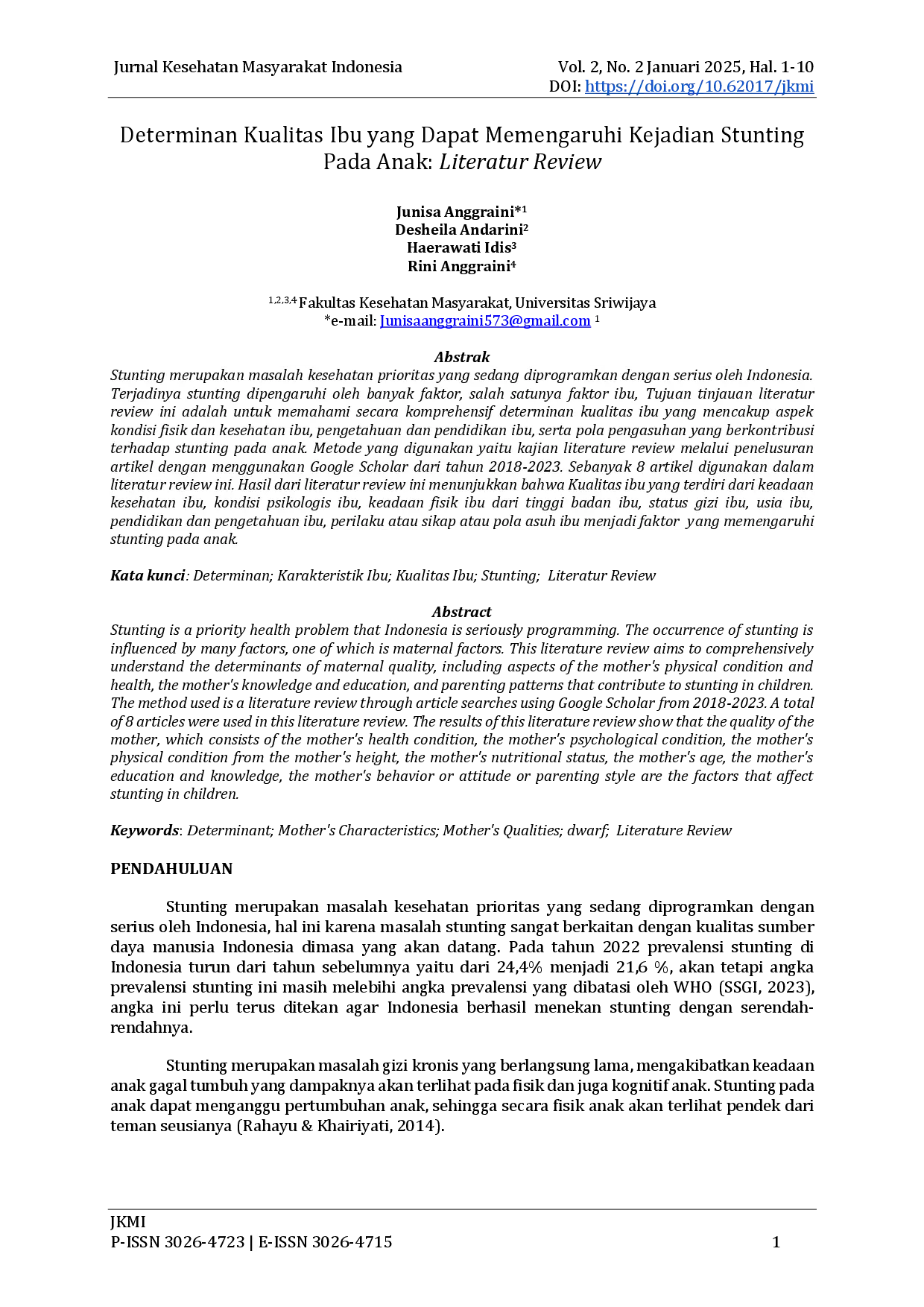
JURNALISTIQOMAHJURNALISTIQOMAH Terjadinya stunting dipengaruhi oleh banyak faktor, salah satunya faktor ibu, Tujuan tinjauan literatur review ini adalah untuk memahami secara komprehensifTerjadinya stunting dipengaruhi oleh banyak faktor, salah satunya faktor ibu, Tujuan tinjauan literatur review ini adalah untuk memahami secara komprehensif

JURNALISTIQOMAHJURNALISTIQOMAH Penelitian ini menunjukkan bahwa tingkat stres yang tinggi, terutama pada mahasiswa perantau, berkaitan erat dengan kesulitan dalam kelulusan blok padaPenelitian ini menunjukkan bahwa tingkat stres yang tinggi, terutama pada mahasiswa perantau, berkaitan erat dengan kesulitan dalam kelulusan blok pada