UADUAD
Ihtifaz: Journal of Islamic Economics, Finance, and BankingIhtifaz: Journal of Islamic Economics, Finance, and BankingDigital Islamic finance is increasingly recognized as a strategic tool for promoting inclusive, ethical, and sustainable financial systems worldwide. In Indonesia, as the largest Muslim-majority country, Shariah-compliant digital finance plays a central role in national agendas for financial inclusion and sustainable economic development. This study examines the progress and institutional dynamics shaping digital Islamic finance in Indonesia from a public policy perspective, focusing on regulatory frameworks and the roles of key national institutions. Findings reveal significant advancements, including the enactment of Law No. 4/2023, the Digital Sharia Banking Roadmap (RP3SI), and initiatives led by the Financial Services Authority (OJK) and the National Committee for Islamic Economy and Finance (KNEKS). These efforts have strengthened financial literacy, expanded green sukuk instruments, and supported inclusive digital finance pilot programs. However, persistent challenges remain, such as rural infrastructure disparities, limited integration between ESG and Shariah principles, and fragmented regulatory oversight, which collectively hinder broader societal impact.
Digital Islamic finance in Indonesia has made significant progress through regulatory frameworks and institutional initiatives, but challenges persist.Regulatory fragmentation, unequal digital infrastructure, and limited Shariah compliance standardization hinder equitable development.While urban areas benefit from improved financial inclusion, rural and underbanked regions face systemic barriers.To realize the full potential of digital Islamic finance, Indonesia must address structural disparities through decentralized policy implementation, enhanced public education, and stronger coordination among regulatory and Shariah institutions.Integrating ESG and Maqasid al-Shariah frameworks into digital financial practices can foster a more ethical, inclusive, and sustainable financial ecosystem.
Berdasarkan temuan penelitian ini, beberapa saran penelitian lanjutan dapat dikembangkan. Pertama, penelitian tentang dampak harmonisasi regulasi terhadap pertumbuhan Islamic Fintech di Indonesia, khususnya dalam mengatasi fragmentasi kerangka kerja kebijakan. Kedua, analisis peran kemitraan publik-swasta dalam meningkatkan literasi digital dan kepercayaan masyarakat terhadap layanan keuangan syariah. Ketiga, studi tentang integrasi prinsip ESG dengan standar syariah dalam produk keuangan digital untuk memperkuat keberlanjutan dan inklusivitas sistem keuangan. Penelitian-penelitian ini dapat memberikan arah baru untuk memperkuat kerangka kebijakan dan praktik keuangan syariah di Indonesia.
- THE ROLE OF SHARIA FINTECH IN IMPROVING HALAL FINANCIAL INCLUSION IN MSMES IN INDONESIA | Likuid Jurnal... journal.uinsgd.ac.id/index.php/likuid/article/view/18693THE ROLE OF SHARIA FINTECH IN IMPROVING HALAL FINANCIAL INCLUSION IN MSMES IN INDONESIA Likuid Jurnal journal uinsgd ac index php likuid article view 18693
- Vol. 5 No. 1 (2025): January - June 2025 | Al-bank: Journal of Islamic Banking and Finance. vol january... doi.org/10.31958/ab.v5i1Vol 5 No 1 2025 January June 2025 Al bank Journal of Islamic Banking and Finance vol january doi 10 31958 ab v5i1
- Vol. 2 No. 4 (2025): Nomico - May | Nomico. vol nomico doi https habx0184 published articles influence... doi.org/10.62872/habx0184Vol 2 No 4 2025 Nomico May Nomico vol nomico doi https habx0184 published articles influence doi 10 62872 habx0184
- The Role of Financial Technology (Fintech) in Financial Inclusion and MSME Growth in Indonesia | Oikonomia... doi.org/10.61942/oikonomia.v2i3.339The Role of Financial Technology Fintech in Financial Inclusion and MSME Growth in Indonesia Oikonomia doi 10 61942 oikonomia v2i3 339
| File size | 2.11 MB |
| Pages | 14 |
| DMCA | Report |
Related /

JIMF BIJIMF BI Secara umum, bank-bank syariah di Malaysia lebih efisien dan stabil daripada bank-bank syariah di Indonesia dalam ketiga ukuran efisiensi yaitu TE, PTE,Secara umum, bank-bank syariah di Malaysia lebih efisien dan stabil daripada bank-bank syariah di Indonesia dalam ketiga ukuran efisiensi yaitu TE, PTE,

JIMF BIJIMF BI Studi ini menggunakan data panel tidak seimbang dari 43 bank syariah di 15 negara antara tahun 2010 dan 2020, yang dikumpulkan secara manual dari laporanStudi ini menggunakan data panel tidak seimbang dari 43 bank syariah di 15 negara antara tahun 2010 dan 2020, yang dikumpulkan secara manual dari laporan

JIMF BIJIMF BI Oleh karena itu, investor mungkin tidak mengandalkan informasi analis untuk berdagang dan tidak ada hubungan yang signifikan antara prediksi analis danOleh karena itu, investor mungkin tidak mengandalkan informasi analis untuk berdagang dan tidak ada hubungan yang signifikan antara prediksi analis dan

JIMF BIJIMF BI Penelitian ini menyimpulkan bahwa, bertentangan dengan temuan banyak penelitian sebelumnya, pemegang rekening investasi tanpa batasan menerima pengembalianPenelitian ini menyimpulkan bahwa, bertentangan dengan temuan banyak penelitian sebelumnya, pemegang rekening investasi tanpa batasan menerima pengembalian

JIMF BIJIMF BI Penelitian ini memberikan wawasan berharga bagi industri kecantikan halal lokal untuk meningkatkan strategi pemasaran dan berkontribusi pada literaturPenelitian ini memberikan wawasan berharga bagi industri kecantikan halal lokal untuk meningkatkan strategi pemasaran dan berkontribusi pada literatur

JIMF BIJIMF BI Model yang diusulkan menggabungkan kontrak mudharaba, salam, dan ijara dengan dana cash waqf, serta memerlukan mekanisme rekayasa kelembagaan yang melibatkanModel yang diusulkan menggabungkan kontrak mudharaba, salam, dan ijara dengan dana cash waqf, serta memerlukan mekanisme rekayasa kelembagaan yang melibatkan
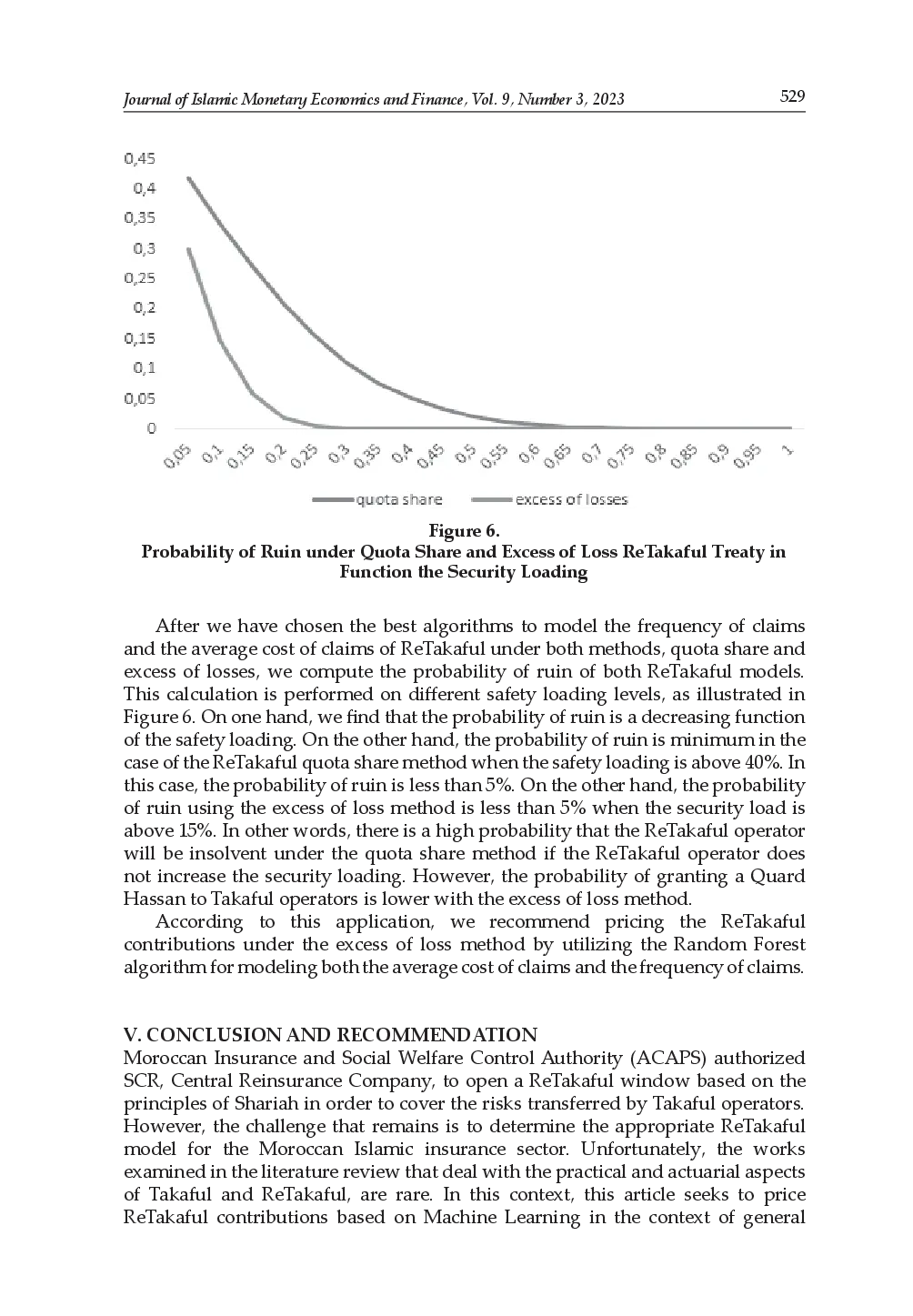
JIMF BIJIMF BI Tantangan utama yang masih ada adalah menentukan model ReTakaful yang paling sesuai untuk sektor asuransi Islam di Maroko. Hasil penelitian ini menunjukkanTantangan utama yang masih ada adalah menentukan model ReTakaful yang paling sesuai untuk sektor asuransi Islam di Maroko. Hasil penelitian ini menunjukkan

JIMF BIJIMF BI Faktor-faktor yang diteliti meliputi harapan efort dan kinerja, pengaruh sosial, kondisi memfasilitasi, nilai harga, motivasi hedonik, kebiasaan, kemampuanFaktor-faktor yang diteliti meliputi harapan efort dan kinerja, pengaruh sosial, kondisi memfasilitasi, nilai harga, motivasi hedonik, kebiasaan, kemampuan
Useful /
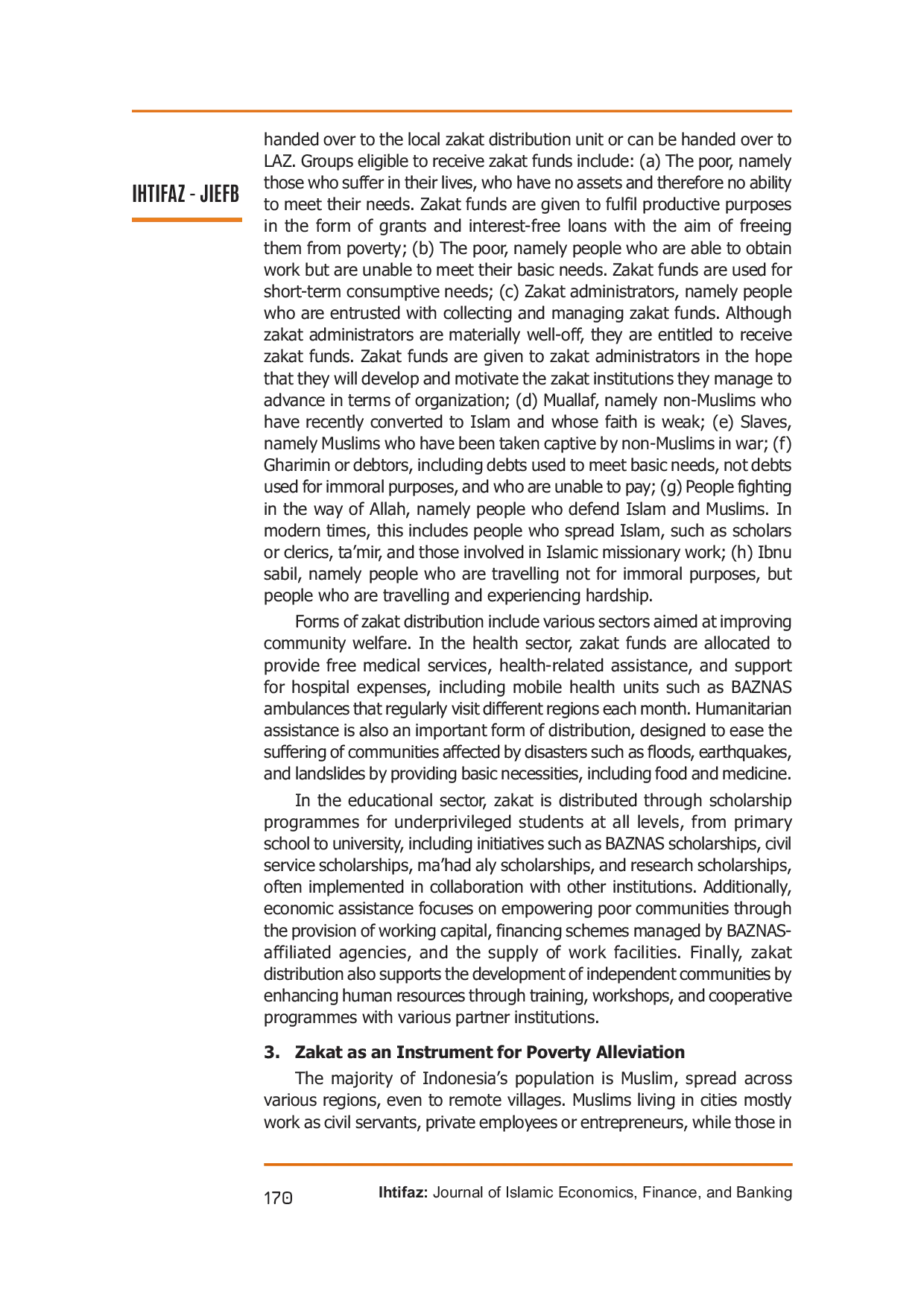
UADUAD Berdasarkan Undang-Undang 11/2013, lembaga pengelolaan zakat harus mampu melaksanakan fungsinya sebagai pengelola zakat. Pengelola zakat ditugaskan untukBerdasarkan Undang-Undang 11/2013, lembaga pengelolaan zakat harus mampu melaksanakan fungsinya sebagai pengelola zakat. Pengelola zakat ditugaskan untuk

JIMF BIJIMF BI Indeks yang kami hitung untuk setiap wilayah harus terbukti bermanfaat karena akan memungkinkan para pembuat kebijakan untuk menyesuaikan strategi kesejahteraanIndeks yang kami hitung untuk setiap wilayah harus terbukti bermanfaat karena akan memungkinkan para pembuat kebijakan untuk menyesuaikan strategi kesejahteraan

JIMF BIJIMF BI Perkembangan teknologi telah menyebabkan munculnya platform digital, seperti platform emas digital, sebagai saluran alternatif untuk investasi ritel. DalamPerkembangan teknologi telah menyebabkan munculnya platform digital, seperti platform emas digital, sebagai saluran alternatif untuk investasi ritel. Dalam
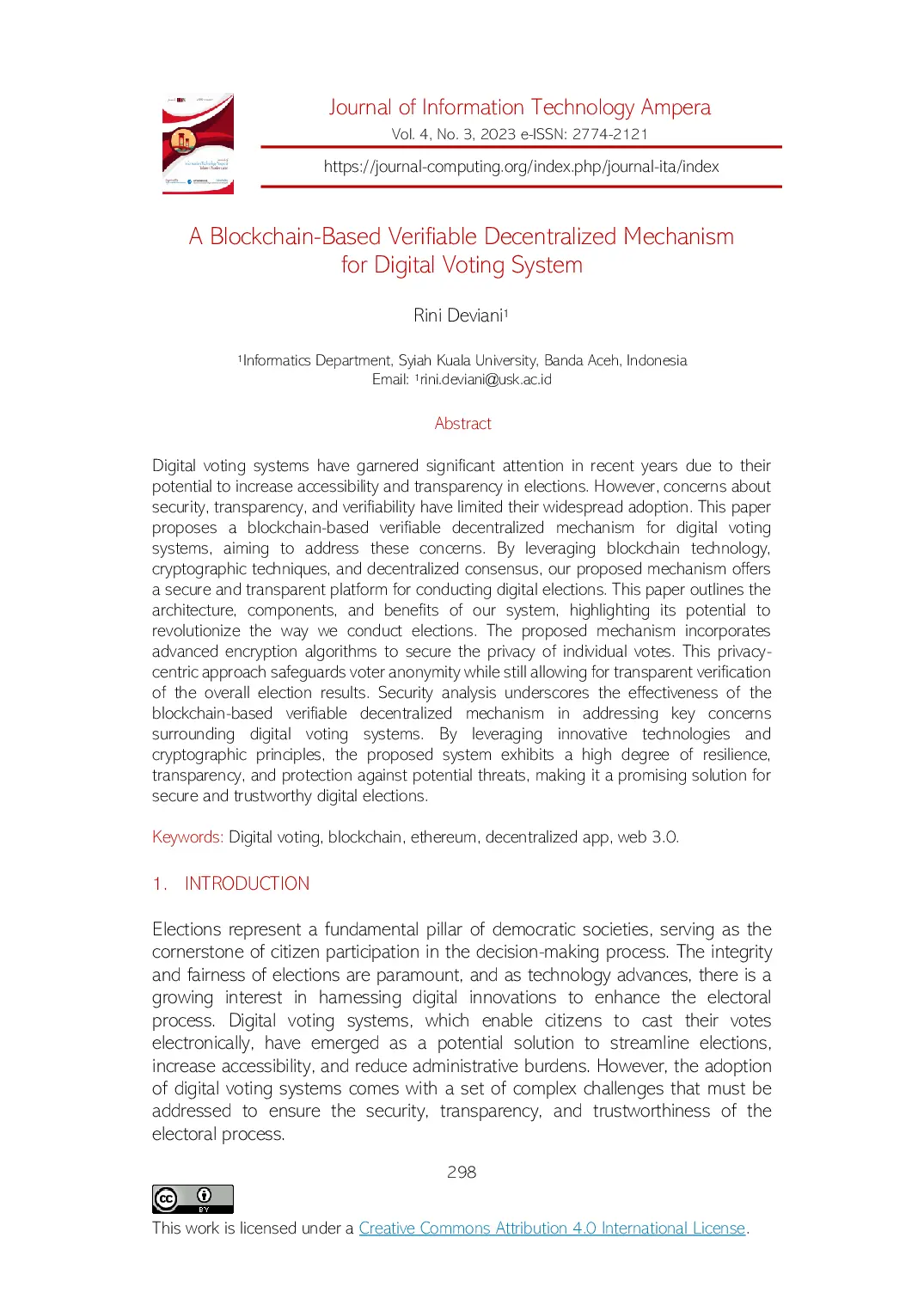
JOURNAL COMPUTINGJOURNAL COMPUTING Analisis keamanan menekankan efektivitas mekanisme terverifikasi berbasis blockchain dalam mengatasi kekhawatiran utama seputar sistem pemungutan suaraAnalisis keamanan menekankan efektivitas mekanisme terverifikasi berbasis blockchain dalam mengatasi kekhawatiran utama seputar sistem pemungutan suara