IDID
Jurnal Ilmu Komputer dan InformatikaJurnal Ilmu Komputer dan InformatikaHeart failure remains one of the leading causes of mortality worldwide, highlighting the need for reliable early‑detection models to support clinical decision‑making. This study investigates the effect of Random Search–based hyperparameter optimization on a Decision Tree model for heart failure risk prediction using a clinical dataset comprising 918 samples and 11 demographic and cardiovascular features. Rather than introducing a novel optimization algorithm, this work focuses on analyzing model performance sensitivity to hyperparameter tuning in a real‑world medical dataset. The baseline Decision Tree achieved an accuracy of 0.80; after Random Search optimization, accuracy improved to 0.84, while recall for the positive class increased from 0.83 to 0.90, indicating a notable reduction in false‑negative predictions. The optimized configuration, characterized by a shallow tree depth and increased minimum samples per leaf, suggests improved generalization and reduced overfitting. Compared with related studies employing ensemble‑based models and genetic optimization, the proposed approach achieves competitive performance using a simpler and more interpretable classifier. These findings demonstrate that systematic hyperparameter tuning can substantially enhance the clinical utility of conventional machine learning models. Practically, the improved recall supports the use of the optimized Decision Tree as a screening‑oriented decision support tool, enabling earlier identification of high‑risk patients while maintaining model transparency. This study highlights the importance of dataset‑specific optimization and provides a foundation for future work involving ensemble methods and advanced optimization strategies to develop robust and clinically applicable heart failure prediction systems.
Penggunaan Random Search untuk mengoptimalkan hyperparameter Decision Tree meningkatkan akurasi dan sensitivitas prediksi risiko gagal jantung, khususnya dengan menurunkan jumlah kesalahan negatif palsu.Meskipun mencapai performa yang kompetitif dengan model ensemble yang lebih kompleks, model tunggal ini tetap mempertahankan kejelasan dan interpretabilitas.Penelitian ini menegaskan bahwa pemilihan hyperparameter yang tepat dapat membuat model sederhana menjadi alat bantu keputusan klinis yang andal dan efisien.
Penelitian lanjutan dapat memanfaatkan metode pencarian bayesian atau perbaikan evolusioner untuk mengidentifikasi konfigurasi hyperparameter yang lebih optimal pada data gagal jantung, dengan tujuan meningkatkan akurasi lebih tinggi tanpa mengorbankan interpretabilitas. Selain itu, studi dapat memperluas validasi eksternal dengan mengaplikasikan model yang dioptimalkan pada dataset multi‑pusat, sehingga dapat menilai generalisasi dan ketahanan model di berbagai populasi klinis. Akhirnya, pengembangan hybrid antara Decision Tree dan metode ensemble ringan seperti Gradient Boosting dapat dieksplorasi untuk mengeksploitasi keunggulan interpretasi sekaligus menambah kekuatan prediksi, dengan fokus pada minimalisasi overhead komputasi agar cocok untuk aplikasi di perangkat mobile atau rumah sakit dengan sumber daya terbatas.
| File size | 551.65 KB |
| Pages | 12 |
| DMCA | Report |
Related /

UNSURYAUNSURYA Perusahaan ini, sebagai penyedia jasa service mesin mobil, membutuhkan persediaan produk oli Nissan sejak tahun 2013. Dalam menjalankan produksinya, perusahaanPerusahaan ini, sebagai penyedia jasa service mesin mobil, membutuhkan persediaan produk oli Nissan sejak tahun 2013. Dalam menjalankan produksinya, perusahaan
LPKIALPKIA Sistem pencatatan manual yang digunakan sebelumnya menimbulkan berbagai hambatan, seperti kesalahan input, keterlambatan penyusunan laporan, dan ketidakteraturanSistem pencatatan manual yang digunakan sebelumnya menimbulkan berbagai hambatan, seperti kesalahan input, keterlambatan penyusunan laporan, dan ketidakteraturan
BSIBSI PT. Mega Esa Farma, perusahaan farmasi terkemuka di Indonesia, menghadapi tantangan signifikan dalam pengelolaan informasi inventaris. Masalah utama terletakPT. Mega Esa Farma, perusahaan farmasi terkemuka di Indonesia, menghadapi tantangan signifikan dalam pengelolaan informasi inventaris. Masalah utama terletak
BSIBSI Metode penelitian menggunakan pendekatan Scrum framework dengan tahapan product backlog, sprint planning, daily scrum, sprint review, dan sprint retrospective.Metode penelitian menggunakan pendekatan Scrum framework dengan tahapan product backlog, sprint planning, daily scrum, sprint review, dan sprint retrospective.

UNBITAGOUNBITAGO Kegiatan ini berdampak positif terhadap kualitas layanan sosial dan mendukung tata kelola pemerintahan yang lebih baik. Kegiatan pendampingan pemanfaatanKegiatan ini berdampak positif terhadap kualitas layanan sosial dan mendukung tata kelola pemerintahan yang lebih baik. Kegiatan pendampingan pemanfaatan
UNIKAMAUNIKAMA Selain itu, PT XYZ melakukan penyesuaian sistem, pelatihan staf, dan penjadwalan input faktur untuk meminimalkan kendala teknis. Dengan demikian, optimalisasiSelain itu, PT XYZ melakukan penyesuaian sistem, pelatihan staf, dan penjadwalan input faktur untuk meminimalkan kendala teknis. Dengan demikian, optimalisasi
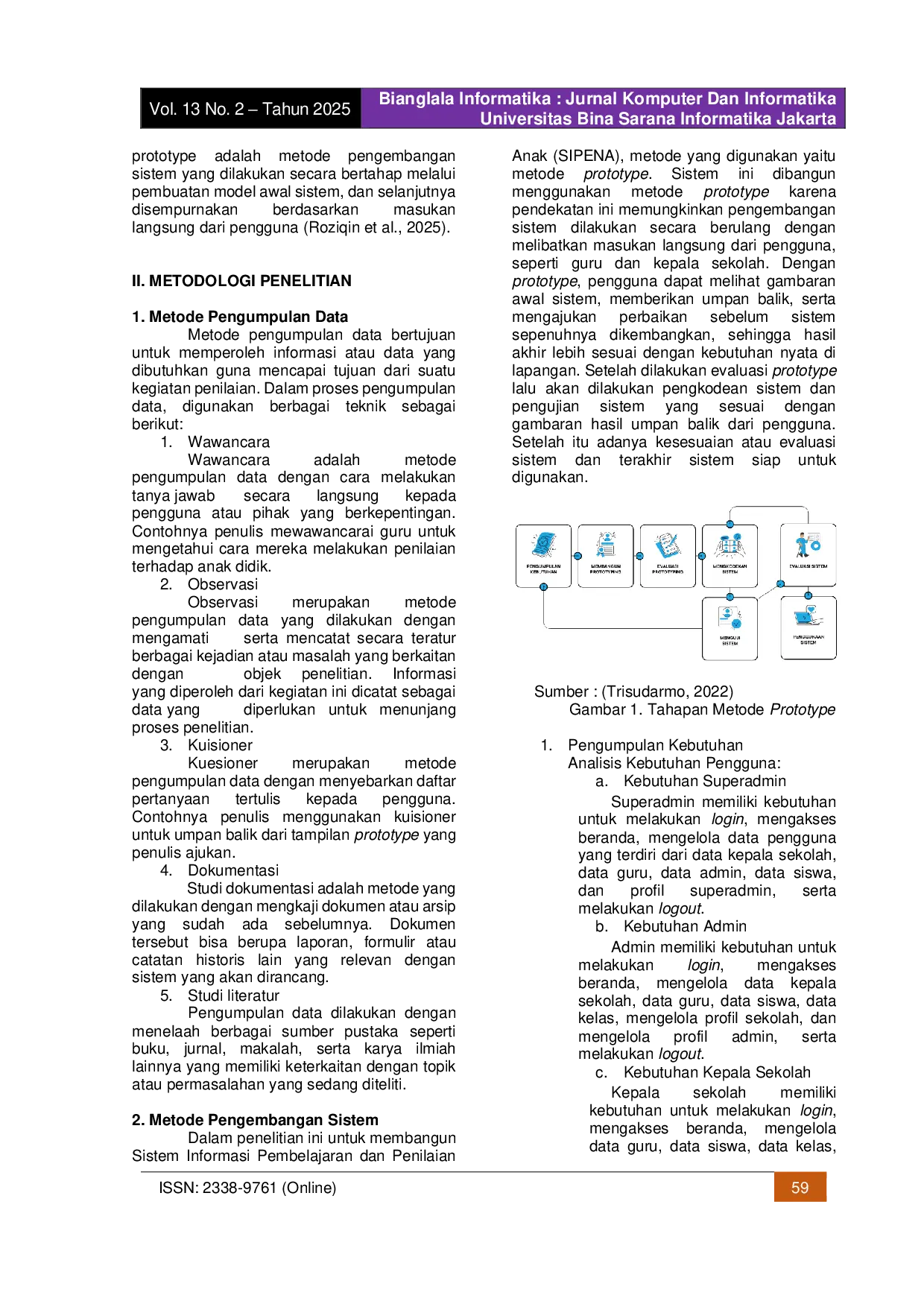
BSIBSI Selain itu, otomatisasi proses penilaian terbukti meningkatkan akurasi data dan kecepatan intervensi dalam mendukung perkembangan anak. Hasil uji jugaSelain itu, otomatisasi proses penilaian terbukti meningkatkan akurasi data dan kecepatan intervensi dalam mendukung perkembangan anak. Hasil uji juga
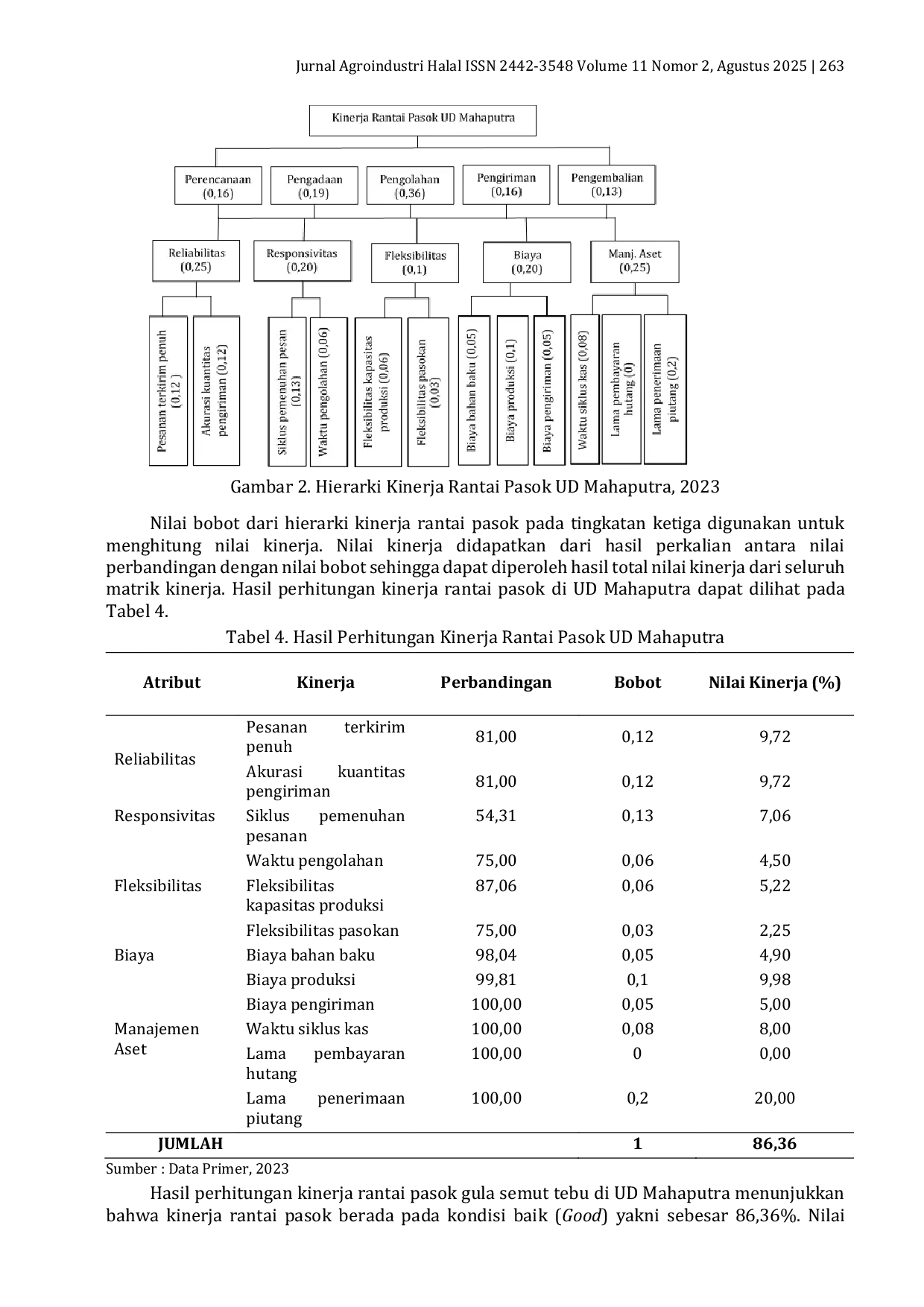
UNIDAUNIDA Teknik penentuan sampel dalam penelitian ini adalah teknik purposive sampling dengan narasumber berjumlah 5 orang. Teknik analisis terdiri dari, analisisTeknik penentuan sampel dalam penelitian ini adalah teknik purposive sampling dengan narasumber berjumlah 5 orang. Teknik analisis terdiri dari, analisis
Useful /
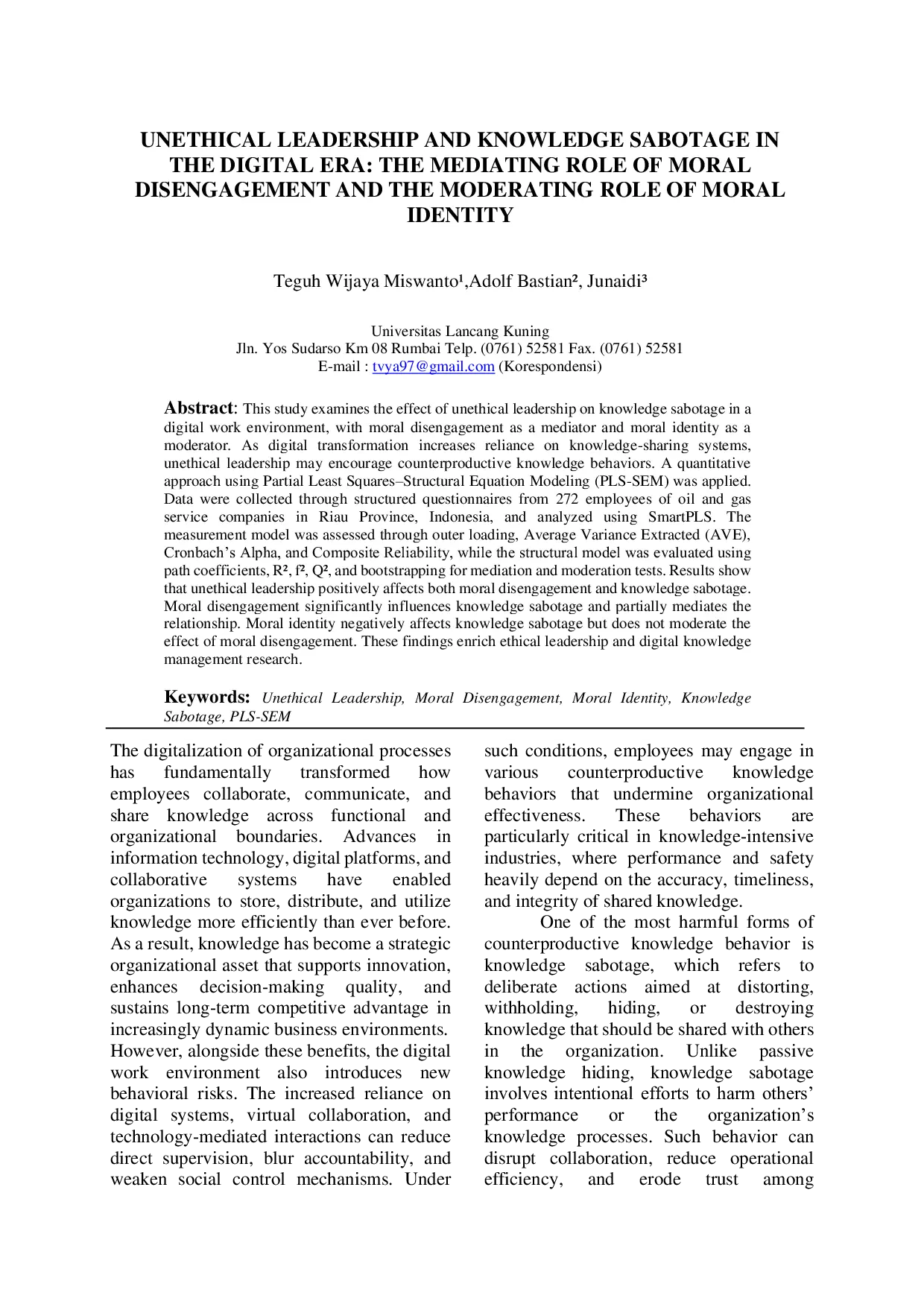
KOMPETIFKOMPETIF Data were collected through structured questionnaires from 272 employees of oil and gas service companies in Riau Province, Indonesia, and analyzed usingData were collected through structured questionnaires from 272 employees of oil and gas service companies in Riau Province, Indonesia, and analyzed using
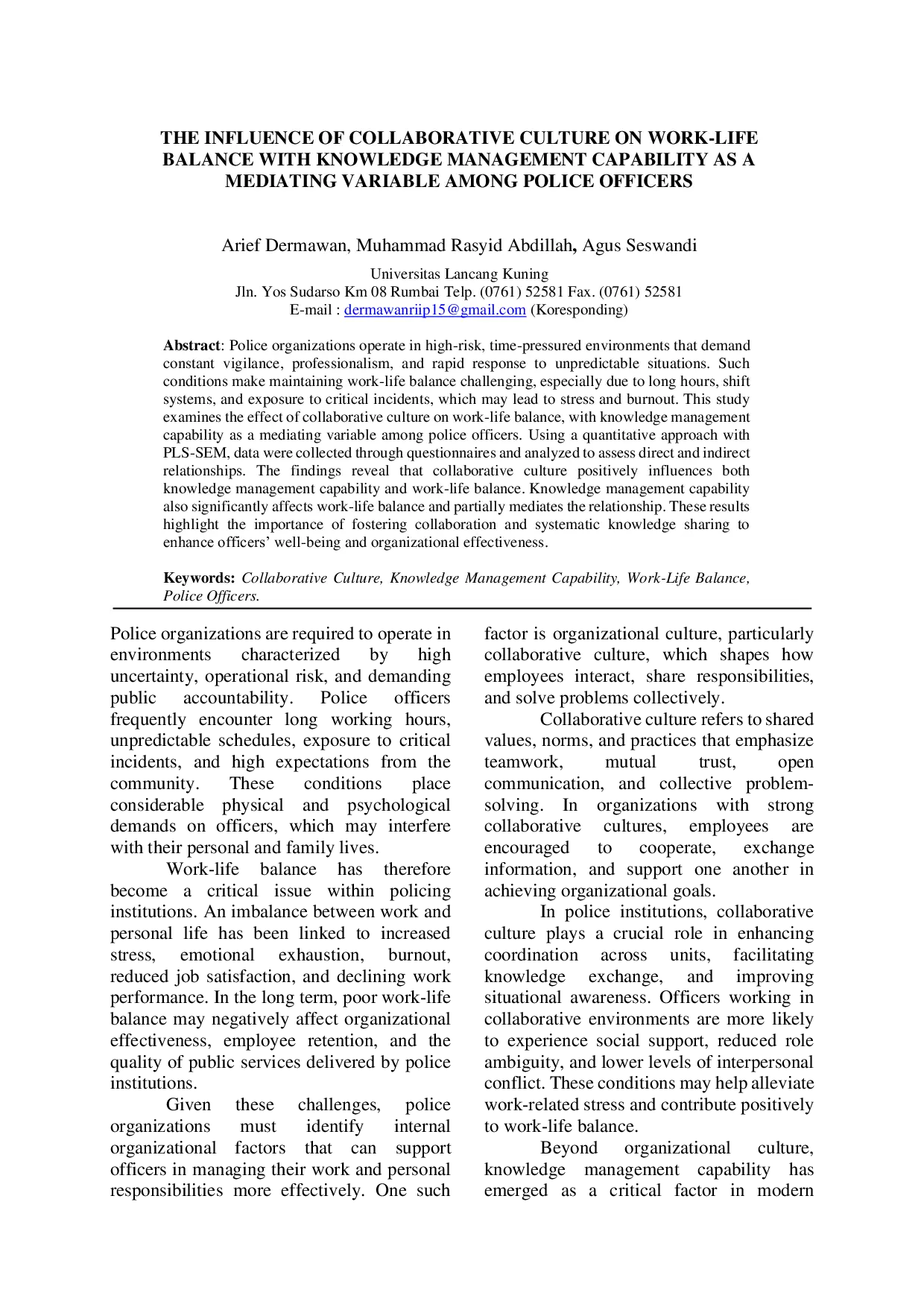
KOMPETIFKOMPETIF Kemampuan manajemen pengetahuan berfungsi sebagai mekanisme penting di mana budaya kolaboratif meningkatkan kemampuan petugas untuk mengelola tuntutanKemampuan manajemen pengetahuan berfungsi sebagai mekanisme penting di mana budaya kolaboratif meningkatkan kemampuan petugas untuk mengelola tuntutan

STIKESBANYUWANGISTIKESBANYUWANGI Instrumen pengukuran meliputi tes deskriptif dan tes non‑observasi. Hasil penelitian menunjukkan bahwa kemampuan komunikasi matematis siswa yang menerimaInstrumen pengukuran meliputi tes deskriptif dan tes non‑observasi. Hasil penelitian menunjukkan bahwa kemampuan komunikasi matematis siswa yang menerima

STIKESBANYUWANGISTIKESBANYUWANGI Secara umum peningkatan keterampilan menulis siswa mencapai 11,8 %. Ini menunjukkan bahwa pembelajaran dengan metode ini mampu meningkatkan keterampilanSecara umum peningkatan keterampilan menulis siswa mencapai 11,8 %. Ini menunjukkan bahwa pembelajaran dengan metode ini mampu meningkatkan keterampilan