IJHPIJHP
International Journal of Health and Pharmaceutical (IJHP)International Journal of Health and Pharmaceutical (IJHP)Lumbar Herniated Nucleus Pulposus (HNP) is a primary cause of low back pain that can significantly reduce the quality of life of sufferers. Body mass index (BMI) is a risk factor influencing pain intensity in HNP patients, as increased BMI can cause additional mechanical stress on the lumbar spine, alter posture, and exacerbate pain. This study aimed to determine the relationship between BMI and pain intensity in patients with lumbar HNP at Budhi Asih General Hospital. An analytical observational research method with a cross-sectional approach was employed, involving 54 patients. BMI was categorized according to WHO criteria, while pain intensity was measured using the Visual Analog Scale (VAS). Data analysis using the Chi-Square test revealed a significant relationship between BMI and pain intensity in patients with lumbar HNP (P < 0.029). These findings suggest that obesity exacerbates pain in HNP patients. In conclusion, a significant relationship exists between BMI and pain intensity in lumbar HNP patients, and weight control through a healthy lifestyle and appropriate rehabilitation programs is expected to reduce pain intensity and improve patients quality of life.
The study concluded that there is a significant relationship between body mass index (BMI) and pain intensity in patients with lumbar herniated nucleus pulposus (HNP).The majority of patients included in the study were in the adult to elderly age group and female.Obesity was the most common BMI category among the participants.These findings emphasize the importance of weight management as a component of clinical care to reduce pain severity and improve patient outcomes.
Penelitian lebih lanjut perlu dilakukan untuk mengeksplorasi mekanisme biologis yang mendasari hubungan antara BMI dan intensitas nyeri pada pasien HNP, misalnya dengan mengukur kadar sitokin inflamasi dan menilai dampaknya terhadap persepsi nyeri. Selain itu, studi intervensi yang melibatkan program penurunan berat badan yang terstruktur dan rehabilitasi yang dipersonalisasi perlu dilakukan untuk menguji efektivitasnya dalam mengurangi nyeri dan meningkatkan kualitas hidup pasien HNP. Penelitian prospektif dengan ukuran sampel yang lebih besar dan periode tindak lanjut yang lebih lama juga diperlukan untuk mengkonfirmasi temuan ini dan mengidentifikasi faktor-faktor lain yang mungkin memengaruhi hubungan antara BMI dan nyeri pada pasien HNP, termasuk faktor genetik dan gaya hidup. Studi ini diharapkan dapat memberikan dasar bagi pengembangan strategi pencegahan dan penanganan HNP yang lebih komprehensif dan efektif.
| File size | 193.52 KB |
| Pages | 6 |
| DMCA | Report |
Related /

KARYAKESEHATANKARYAKESEHATAN Stroke merupakan gangguan pada sistem saraf ditandai dengan serangan akut /mendadak yang mengakibatkan kelumpuhan pada salah satu sisi badan secara persistenStroke merupakan gangguan pada sistem saraf ditandai dengan serangan akut /mendadak yang mengakibatkan kelumpuhan pada salah satu sisi badan secara persisten
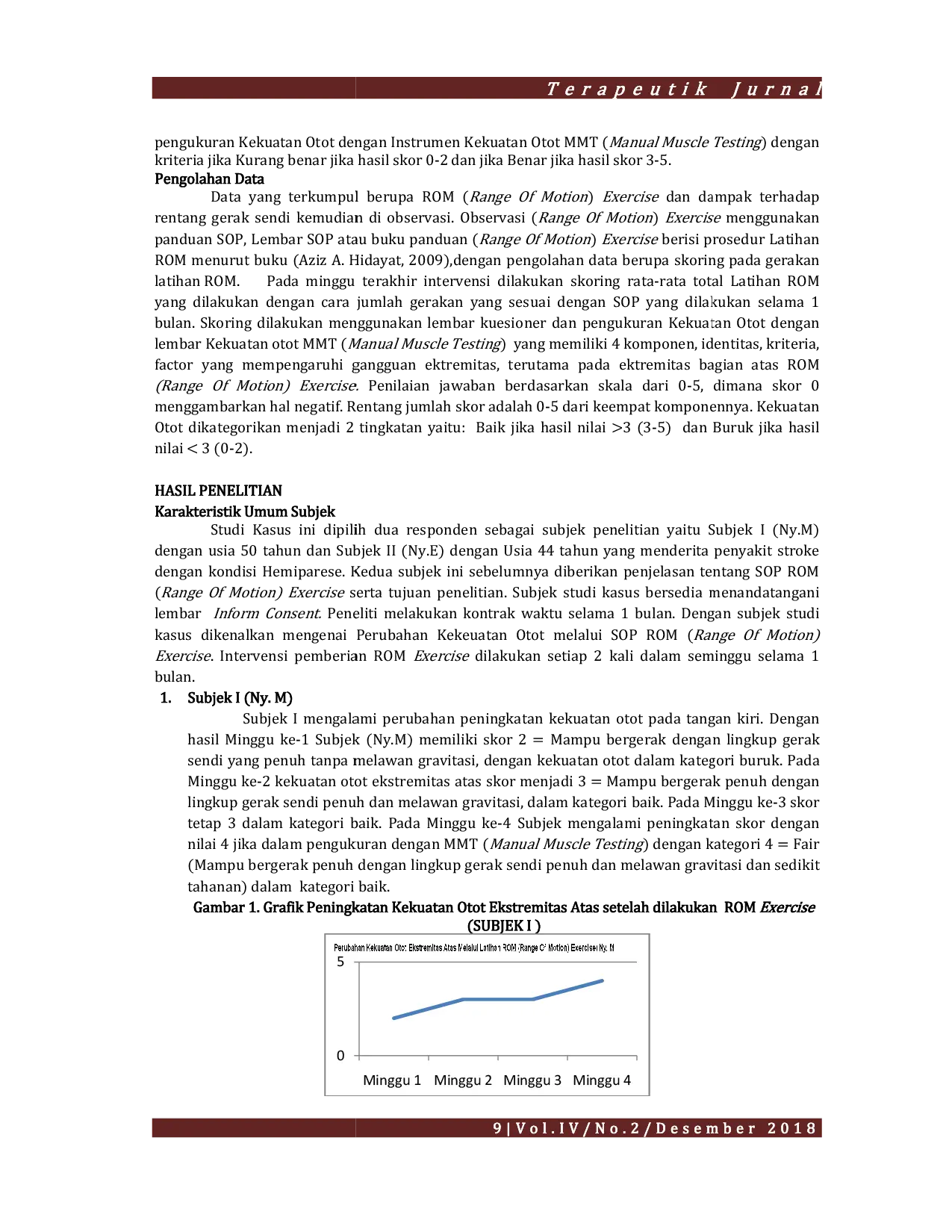
KARYAKESEHATANKARYAKESEHATAN Stroke merupakan gangguan pada sistem saraf ditandai dengan serangan akut /mendadak yang mengakibatkan kelumpuhan pada salah satu sisi badan secara persistenStroke merupakan gangguan pada sistem saraf ditandai dengan serangan akut /mendadak yang mengakibatkan kelumpuhan pada salah satu sisi badan secara persisten

JURNALBIKESJURNALBIKES Skizofrenia adalah gangguan jiwa berat yang menyebabkan gangguan terhadap realita, kesulitan berkomunikasi normal, afek tidak wajar, kognitif tergangguSkizofrenia adalah gangguan jiwa berat yang menyebabkan gangguan terhadap realita, kesulitan berkomunikasi normal, afek tidak wajar, kognitif terganggu
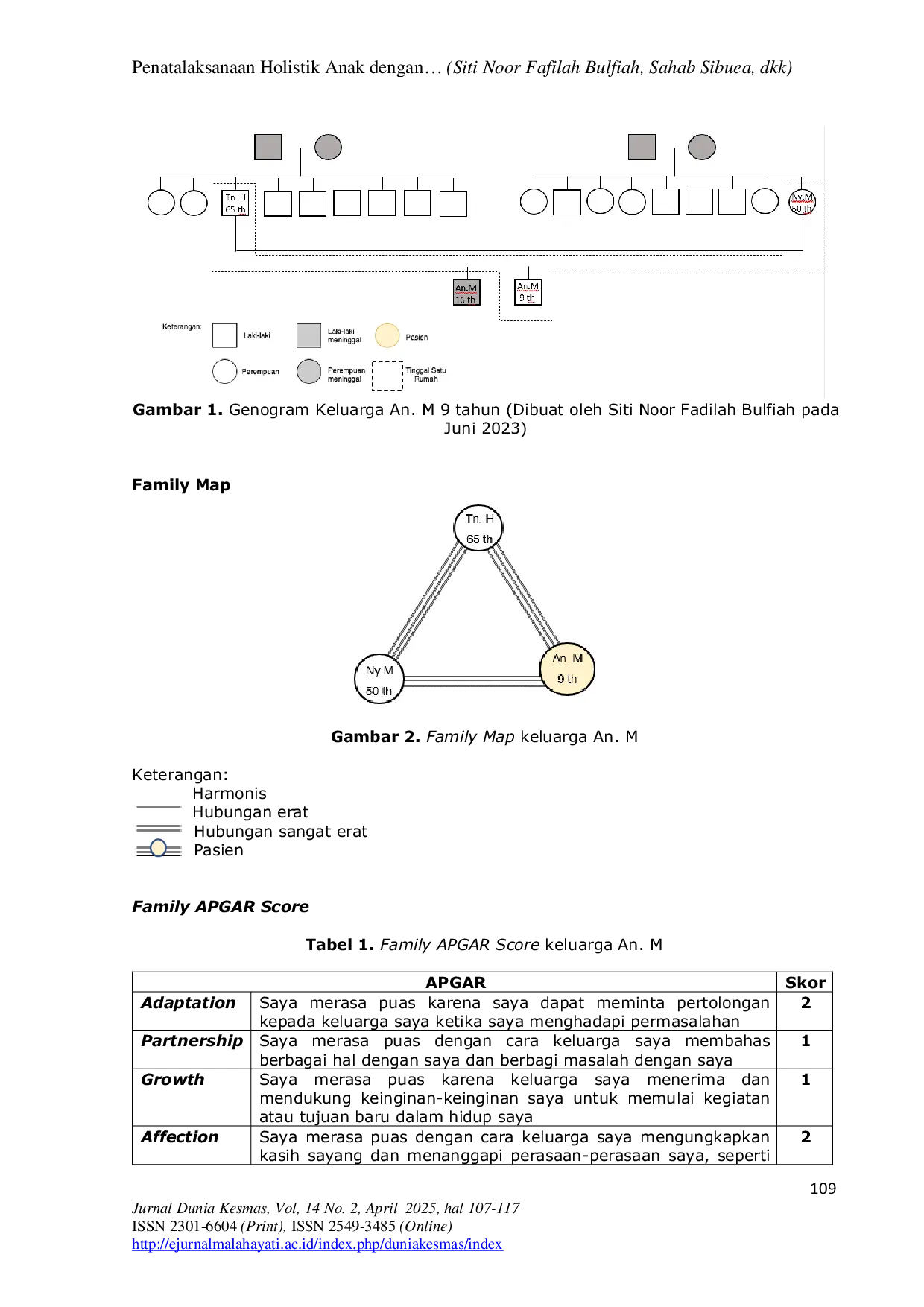
MALAHAYATIMALAHAYATI Mengidentifikasi faktor risiko internal, eksternal, dan masalah klinis pasien dengan pendekatan dokter keluarga serta penatalaksanaan berbasis EvidentMengidentifikasi faktor risiko internal, eksternal, dan masalah klinis pasien dengan pendekatan dokter keluarga serta penatalaksanaan berbasis Evident
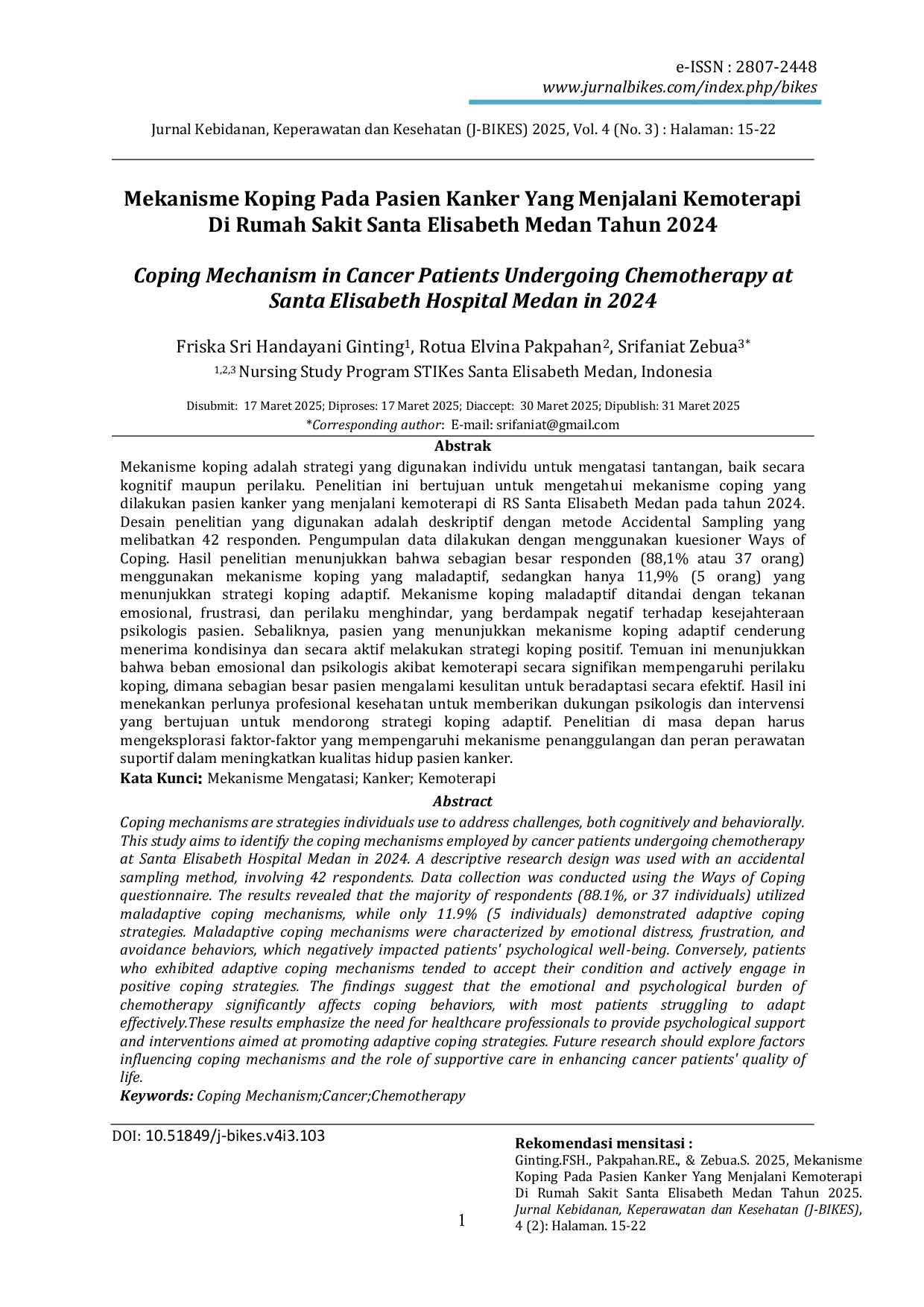
JURNALBIKESJURNALBIKES Hasil penelitian menunjukkan bahwa sebagian besar responden (88,1% atau 37 orang) menggunakan mekanisme koping yang maladaptif, sedangkan hanya 11,9% (5Hasil penelitian menunjukkan bahwa sebagian besar responden (88,1% atau 37 orang) menggunakan mekanisme koping yang maladaptif, sedangkan hanya 11,9% (5

STIKESLHOKSEUMAWESTIKESLHOKSEUMAWE Studi kasus ini bertujuan melakukan asuhan keperawatan secara menyeluruh dengan terapi musik klasik sebagai terapi tambahan sehingga pasien menjadi lebihStudi kasus ini bertujuan melakukan asuhan keperawatan secara menyeluruh dengan terapi musik klasik sebagai terapi tambahan sehingga pasien menjadi lebih

STIKESLHOKSEUMAWESTIKESLHOKSEUMAWE Hasil penelitian menunjukkan ada hubungan antara kepatuhan diet pada pasien DM tipe II dengan penyembuhan luka diabetik di klinik perawatan luka AlhudaHasil penelitian menunjukkan ada hubungan antara kepatuhan diet pada pasien DM tipe II dengan penyembuhan luka diabetik di klinik perawatan luka Alhuda
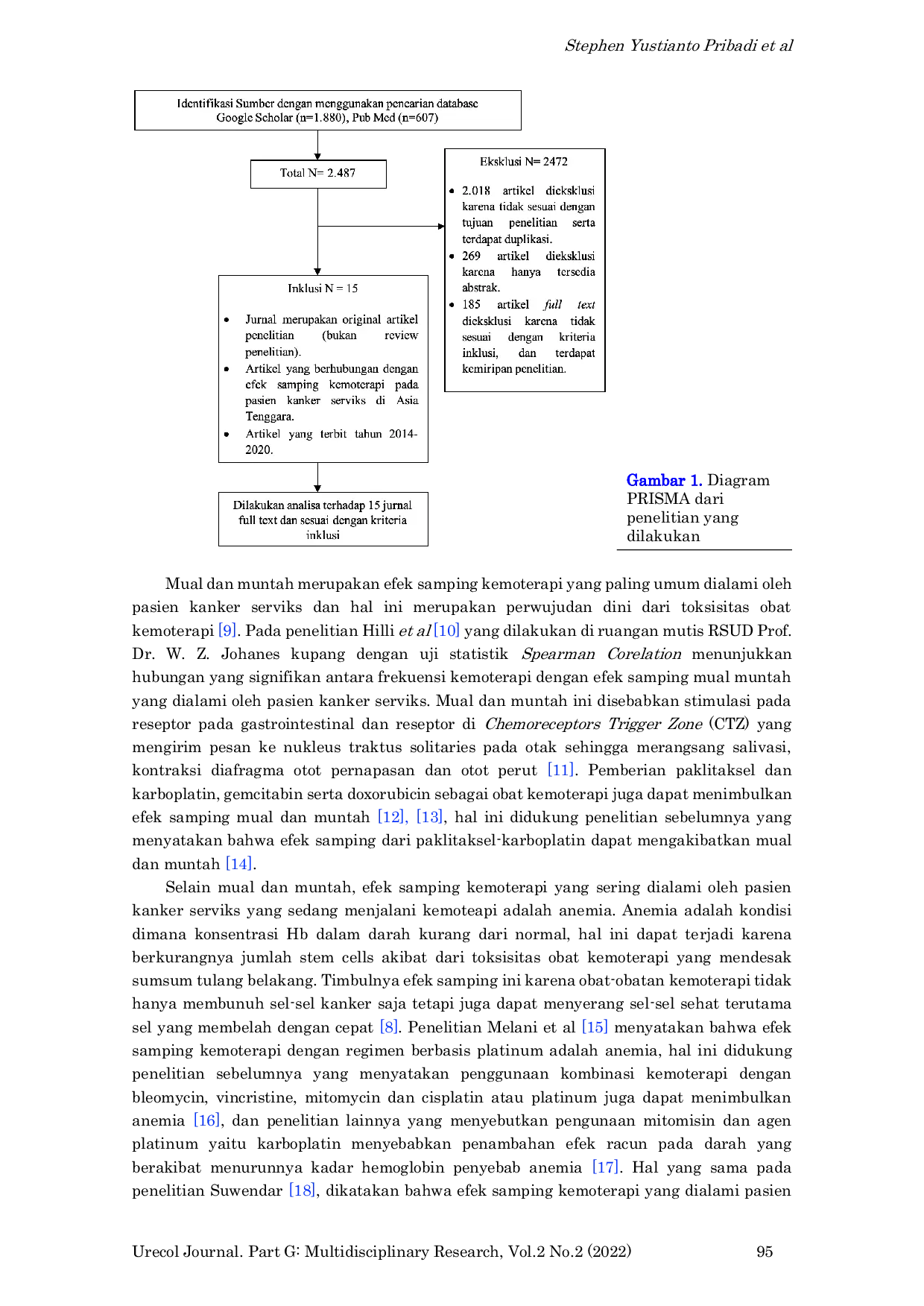
URECOLURECOL Berdasarkan hasil analisis terhadap 15 jurnal tersebut dapat diketahui bahwa efek samping kemoterapi pada pasien kanker serviks terbanyak adalah mual danBerdasarkan hasil analisis terhadap 15 jurnal tersebut dapat diketahui bahwa efek samping kemoterapi pada pasien kanker serviks terbanyak adalah mual dan
Useful /

IJHPIJHP Transformasi sektor kesehatan menuju keberlanjutan telah menjadi kebutuhan strategis karena tingginya emisi yang dihasilkan oleh aktivitas layanan kesehatan,Transformasi sektor kesehatan menuju keberlanjutan telah menjadi kebutuhan strategis karena tingginya emisi yang dihasilkan oleh aktivitas layanan kesehatan,
IJHPIJHP Tuberculosis (TB) masih menjadi masalah kesehatan utama di Indonesia. Faktor risiko pentingnya meliputi kondisi lingkungan tempat tinggal, termasuk densitasTuberculosis (TB) masih menjadi masalah kesehatan utama di Indonesia. Faktor risiko pentingnya meliputi kondisi lingkungan tempat tinggal, termasuk densitas
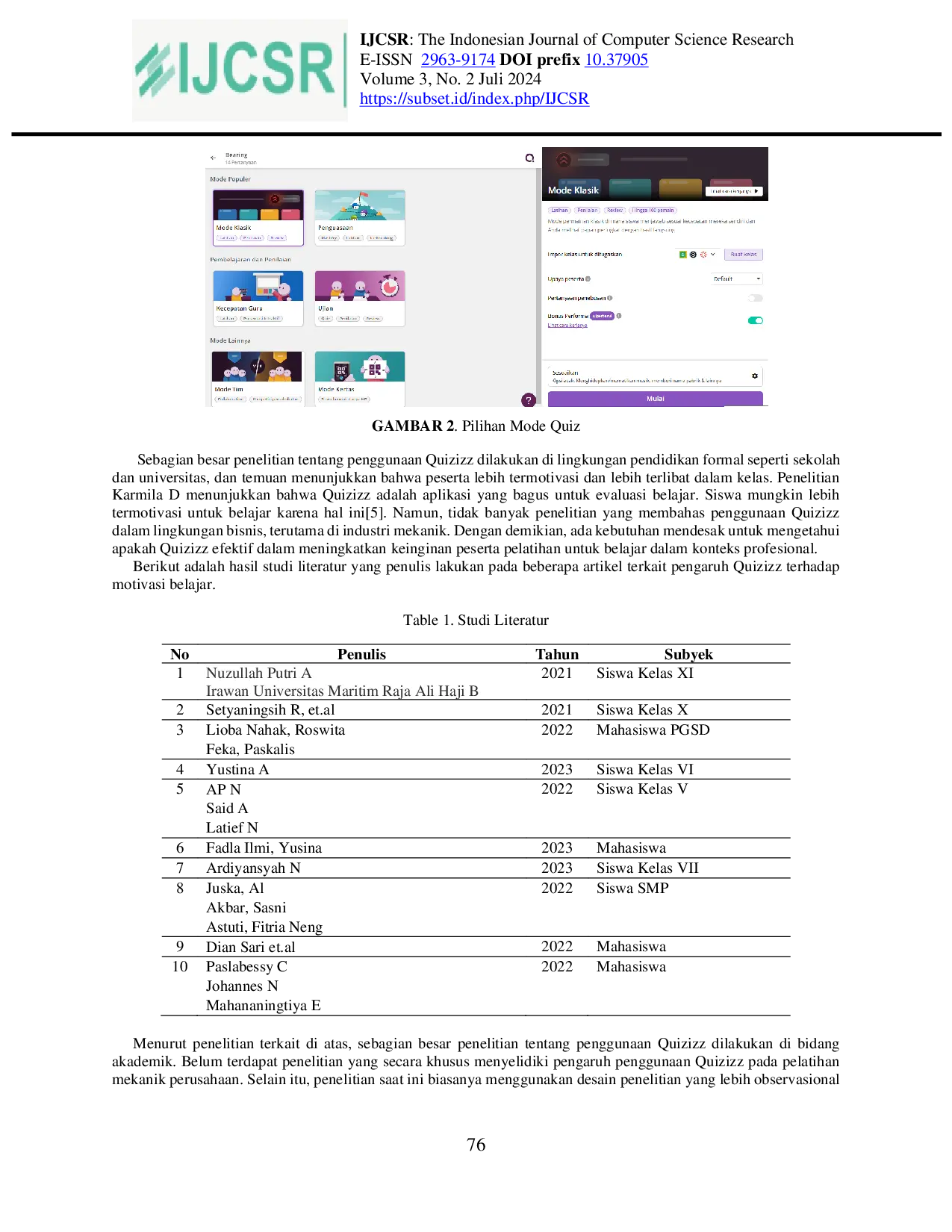
SUBSETSUBSET XYZ. Latar belakang penelitian ini adalah belum terdapat penelitian yang secara khusus menyelidiki pengaruh penggunaan Quizizz pada pelatihan mekanik Perusahaan.XYZ. Latar belakang penelitian ini adalah belum terdapat penelitian yang secara khusus menyelidiki pengaruh penggunaan Quizizz pada pelatihan mekanik Perusahaan.

STIKESLHOKSEUMAWESTIKESLHOKSEUMAWE Instrumen yang digunakan adalah kuesioner yang dikembangkan oleh peneliti. Hasil penelitian ini diperoleh bahwa mayoritas pengetahuan masyarakat baik yaituInstrumen yang digunakan adalah kuesioner yang dikembangkan oleh peneliti. Hasil penelitian ini diperoleh bahwa mayoritas pengetahuan masyarakat baik yaitu