IJHPIJHP
International Journal of Health and Pharmaceutical (IJHP)International Journal of Health and Pharmaceutical (IJHP)Unilateral facial paralysis, also known as Miantan, refers to paralysis affecting one side of the face. One type of Miantan is Shi Syndrome, which is caused by pathogenic factors such as wind-cold and wind-heat. These factors lead to obstruction of the flow of Qi in the Yang Ming and Shao Yang meridians, resulting in a “wind-phlegm syndrome. This condition manifests with various associated symptoms, including weakness of the facial muscles, and may lead to the characteristic clinical features of Bells palsy. Bells palsy is a peripheral facial nerve paralysis characterized by weakness or paralysis on one side of the face due to dysfunction of the seventh cranial nerve. This condition is characterized by inability to close the eyes completely, drooping of the mouth corners, and facial asymmetry. This study aimed to determine the effectiveness of acupuncture care in patients with Bells palsy at the Integrative department of St. Carolus Borromeus Hospital Kupang. This study used a qualitative case study design. The participant was a 35-year-old female patient diagnosed with left-sided Bells palsy. Data were collected using acupuncture diagnostic methods including observation (Wang), listening and smelling (Wen), questioning (Wen), and palpation (Qie). Acupuncture therapy was administered based on the established diagnosis of disease and syndrome. The results showed facial asymmetry on the left side, inability to raise the forehead, and incomplete eyelid closure. After several acupuncture therapy sessions, improvements were observed in facial muscle function, eyelid closure ability, and facial expressions. This study concludes that acupuncture therapy can improve facial nerve function and accelerate recovery in patients with Bells palsy.
Acupuncture treatment for patients with Bells palsy can help improve facial nerve function and gradually increase facial muscle strength.Acupuncture therapy can be an effective complementary or integrated therapy in the treatment of facial nerve paralysis.
Berdasarkan studi kasus ini, beberapa saran penelitian lanjutan dapat diajukan. Pertama, perlu dilakukan penelitian dengan desain studi yang lebih ketat, seperti uji klinis acak terkontrol (randomized controlled trial/RCT), untuk memvalidasi efektivitas akupunktur dalam penanganan Bells palsy. RCT akan memungkinkan perbandingan yang lebih akurat antara kelompok yang menerima akupunktur dengan kelompok kontrol yang menerima perawatan standar atau plasebo. Kedua, penelitian lebih lanjut dapat mengeksplorasi mekanisme kerja akupunktur dalam memulihkan fungsi saraf wajah. Hal ini dapat melibatkan pengukuran aktivitas listrik saraf, aliran darah, atau perubahan struktural pada otak menggunakan teknik pencitraan seperti MRI. Pemahaman yang lebih baik tentang mekanisme ini akan membantu mengoptimalkan protokol akupunktur untuk hasil yang lebih baik. Ketiga, penelitian dapat difokuskan pada identifikasi faktor-faktor yang memprediksi respons terhadap akupunktur, seperti usia pasien, tingkat keparahan kelumpuhan, atau jenis sindrom TCM yang mendasari. Identifikasi faktor-faktor ini akan memungkinkan personalisasi perawatan akupunktur untuk memaksimalkan efektivitasnya.
- Bell's Palsy: A Review | Cureus. bell palsy review cureus home specialties browse articles posters... cureus.com/articles/110622-bells-palsy-a-reviewBells Palsy A Review Cureus bell palsy review cureus home specialties browse articles posters cureus articles 110622 bells palsy a review
- Tinjauan Anatomi Klinik dan Manajemen Bell's Palsy | Qanun Medika - Medical Journal Faculty of Medicine... doi.org/10.30651/qm.v1i02.634Tinjauan Anatomi Klinik dan Manajemen Bells Palsy Qanun Medika Medical Journal Faculty of Medicine doi 10 30651 qm v1i02 634
| File size | 348.09 KB |
| Pages | 6 |
| DMCA | Report |
Related /

JOMPARNDJOMPARND Namun, partisipasi masyarakat dalam memanfaatkan layanan ini masih rendah akibat kurangnya pengetahuan, informasi, dan persepsi yang keliru. Kegiatan pengabdianNamun, partisipasi masyarakat dalam memanfaatkan layanan ini masih rendah akibat kurangnya pengetahuan, informasi, dan persepsi yang keliru. Kegiatan pengabdian

JOMPARNDJOMPARND Peserta dan ketua RT menunjukkan antusiasme yang tinggi terhadap rangkaian kegiatan yang dilaksanakan. Anak-anak mampu menghasilkan kerajinan celenganPeserta dan ketua RT menunjukkan antusiasme yang tinggi terhadap rangkaian kegiatan yang dilaksanakan. Anak-anak mampu menghasilkan kerajinan celengan

JOMPARNDJOMPARND Metode pelatihan yang digunakan dibagi menjadi empat tahap, tahap pertama ialah penyampaian materi, tahap kedua studi kasus terkait permasalahan yang dihadapiMetode pelatihan yang digunakan dibagi menjadi empat tahap, tahap pertama ialah penyampaian materi, tahap kedua studi kasus terkait permasalahan yang dihadapi

JOMPARNDJOMPARND Kegiatan pengabdian masyarakat yang telah dilakukan di Puskesmas Peranap Riau ini dapat terlaksana dengan baik dan lancar. Prenatal yoga merupakan salahKegiatan pengabdian masyarakat yang telah dilakukan di Puskesmas Peranap Riau ini dapat terlaksana dengan baik dan lancar. Prenatal yoga merupakan salah
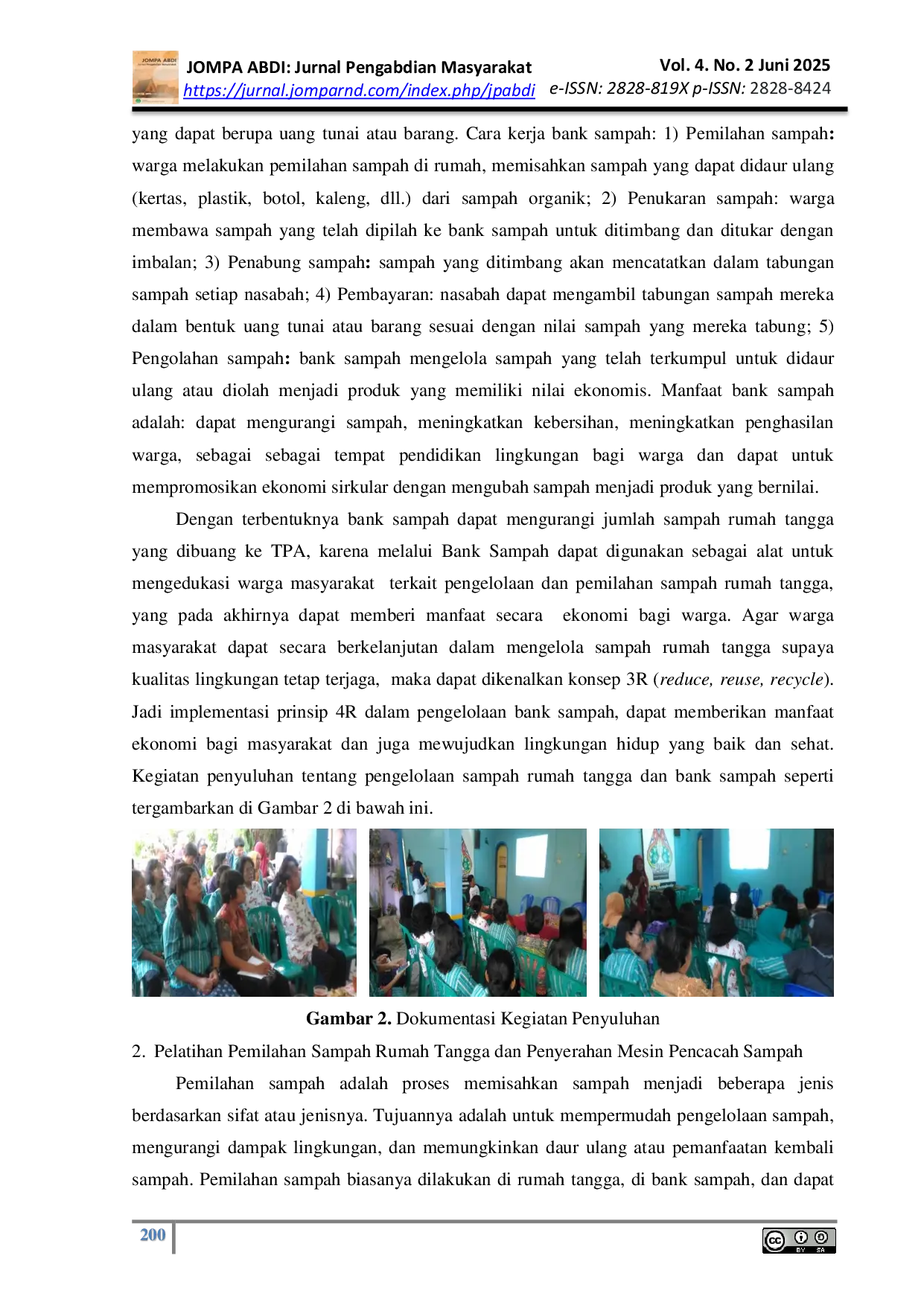
JOMPARNDJOMPARND Dalam mengikuti kegiatan abdimas ini warga masyarakat cukup antusias. Hal ini dibuktikan berdasarkan hasil isian kuisioner kepuasan mitra terhadap pelaksanaanDalam mengikuti kegiatan abdimas ini warga masyarakat cukup antusias. Hal ini dibuktikan berdasarkan hasil isian kuisioner kepuasan mitra terhadap pelaksanaan

JOMPARNDJOMPARND Penyuluhan meningkatkan pengetahuan dan pemahaman masyarakat tentang penggunaan antibiotik yang benar. Data menunjukkan peningkatan nilai kuesioner sebelumPenyuluhan meningkatkan pengetahuan dan pemahaman masyarakat tentang penggunaan antibiotik yang benar. Data menunjukkan peningkatan nilai kuesioner sebelum

JOMPARNDJOMPARND Minimnya pelatihan khusus mengenai pembuatan CV di SMKN 5 Samarinda menjadi latar belakang dilaksanakannya kegiatan pengabdian kepada masyarakat ini. TujuanMinimnya pelatihan khusus mengenai pembuatan CV di SMKN 5 Samarinda menjadi latar belakang dilaksanakannya kegiatan pengabdian kepada masyarakat ini. Tujuan

JOMPARNDJOMPARND Hasil kegiatan menunjukkan bahwa stik pala memiliki potensi besar sebagai produk UMKM yang tahan lama, menarik secara visual, serta berpeluang untuk dipasarkanHasil kegiatan menunjukkan bahwa stik pala memiliki potensi besar sebagai produk UMKM yang tahan lama, menarik secara visual, serta berpeluang untuk dipasarkan
Useful /

IJHPIJHP Data dikumpulkan melalui observasi lapangan, tinjauan dokumen, wawancara mendalam, dan Focus Group Discussions (FGDs). Analisis data dilakukan melaluiData dikumpulkan melalui observasi lapangan, tinjauan dokumen, wawancara mendalam, dan Focus Group Discussions (FGDs). Analisis data dilakukan melalui
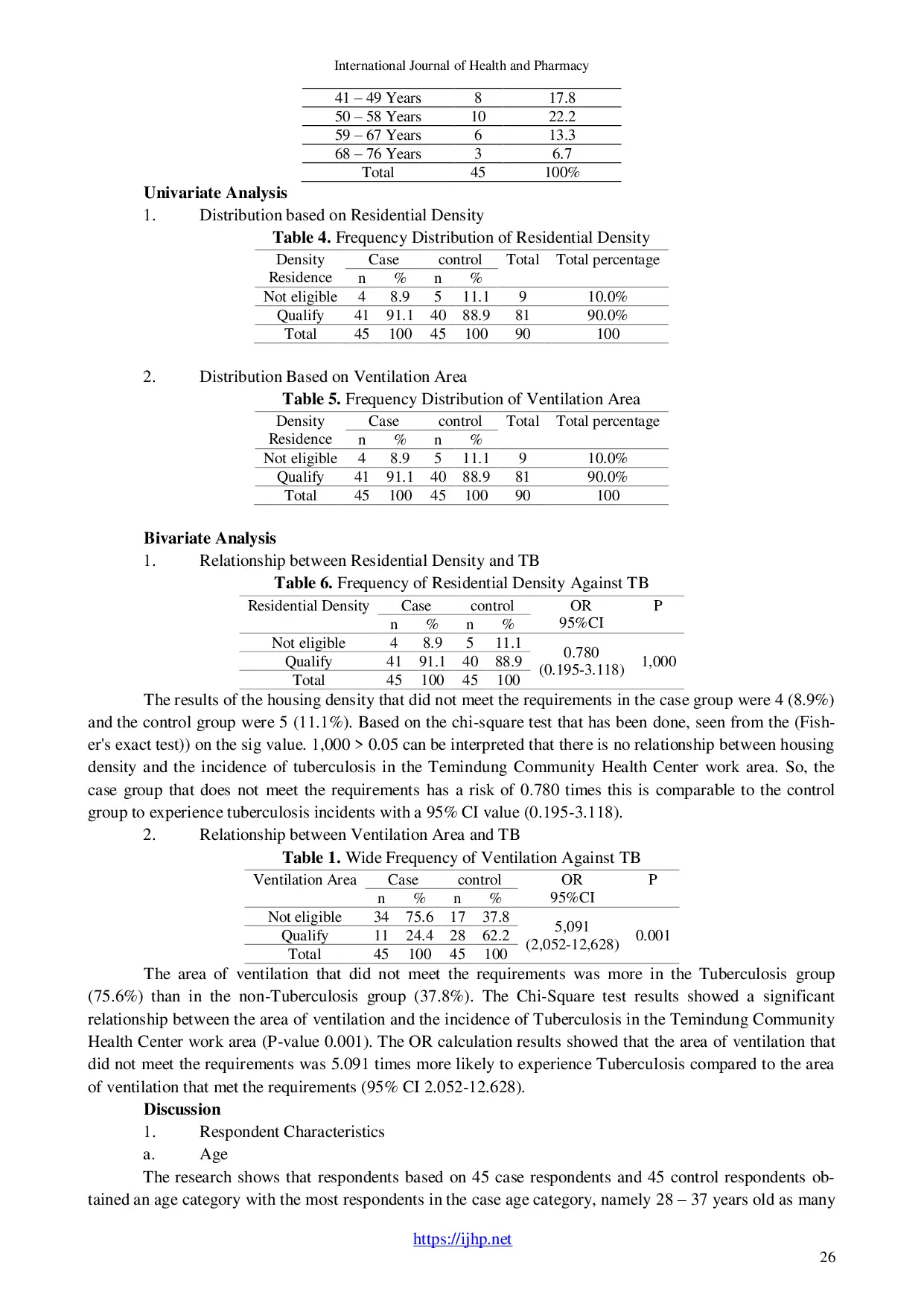
IJHPIJHP Faktor risiko pentingnya meliputi kondisi lingkungan tempat tinggal, termasuk densitas hunian dan luas ventilasi rumah. Penelitian ini bertujuan menganalisisFaktor risiko pentingnya meliputi kondisi lingkungan tempat tinggal, termasuk densitas hunian dan luas ventilasi rumah. Penelitian ini bertujuan menganalisis
IJHPIJHP Kesimpulan studi ini menekankan kebutuhan akan studi prospektif yang lebih besar untuk mengklarifikasi peran eosinofil sebagai penanda keparahan dan responsKesimpulan studi ini menekankan kebutuhan akan studi prospektif yang lebih besar untuk mengklarifikasi peran eosinofil sebagai penanda keparahan dan respons

JOMPARNDJOMPARND Metode pelaksanaan meliputi koordinasi dengan UTD PMI Lampung, pemeriksaan kesehatan calon pendonor, serta sosialisasi pentingnya donor darah dan perilakuMetode pelaksanaan meliputi koordinasi dengan UTD PMI Lampung, pemeriksaan kesehatan calon pendonor, serta sosialisasi pentingnya donor darah dan perilaku