PIPI
Bilancia : Jurnal Ilmiah AkuntansiBilancia : Jurnal Ilmiah AkuntansiThe aim of this research is to analyze and test the influence of Current Ratio (CR), Debt to Equity Ratio (DER), Net Profit Margin (NPM), Total Asset Turnover (TATO) and Earning Per Shared (EPS) on Stock Price of Automotive Companies listed on Indonesian Stock Exchange (BEI) 2014 until 2017 period, which amounted to 13 companies. The research data was obtained from the annual financial report for the period 2014-2017. Based on purposive sampling method, the sample obtained included 11 companies. The hypothesis in this research was tested using multiple regression analysis. The result of this research showed that only Earning Per Shared (EPS) has significant and positive effect on Stock Price, whereas Current Ratio (CR), Debt to Equity Ratio (DER), Net Profit Margin (NPM) and Total Asset Turnover (TATO) have no significant influence on Stock Price.
Based on the data analysis conducted, it can be concluded that only EPS has a significant effect on stock prices, while other variables such as CR, DER, NPM, and TATO do not have a significant impact.This research highlights the importance of EPS as a key indicator for investors.Further research is needed to explore other factors influencing stock prices in the automotive sector.
Future research could expand the scope of analysis by incorporating macroeconomic indicators such as interest rates and inflation to assess their combined impact on stock prices in the automotive sector. Additionally, investigating the role of corporate governance practices and their influence on financial ratios and stock performance would provide a more comprehensive understanding of the factors driving investment decisions. Finally, a longitudinal study tracking the relationship between financial ratios and stock prices over a longer period, perhaps spanning a decade or more, could reveal evolving trends and patterns that are not apparent in shorter-term analyses. These studies should also consider the impact of emerging technologies and changing consumer preferences on the automotive industry and its financial performance, providing insights for investors and policymakers alike. Such research would contribute to a more nuanced understanding of the dynamics at play and inform more effective investment strategies and regulatory frameworks.
| File size | 280.05 KB |
| Pages | 13 |
| DMCA | Report |
Related /

PIPI The research was conducted during the period 2020 to 2022, using a sample of food and beverage sub-sector entities listed on the Indonesia Stock ExchangeThe research was conducted during the period 2020 to 2022, using a sample of food and beverage sub-sector entities listed on the Indonesia Stock Exchange

PIPI Penelitian ini bertujuan untuk mengetahui pengaruh return saham, umur perusahaan, dan nilai perusahaan terhadap leverage pada perusahaan-perusahaan yangPenelitian ini bertujuan untuk mengetahui pengaruh return saham, umur perusahaan, dan nilai perusahaan terhadap leverage pada perusahaan-perusahaan yang

PIPI Studi ini bertujuan untuk mengeksplorasi interaksi dinamis antara transformasi digital dan dimensi operasional, regulasi, serta etika dari sistem akuntansiStudi ini bertujuan untuk mengeksplorasi interaksi dinamis antara transformasi digital dan dimensi operasional, regulasi, serta etika dari sistem akuntansi

PIPI Sedangkan ukuran perusahaan, net profit margin, current ratio dan debt to equity ratio tidak memiliki pengaruh yang signifikan terhadap pertumbuhan laba.Sedangkan ukuran perusahaan, net profit margin, current ratio dan debt to equity ratio tidak memiliki pengaruh yang signifikan terhadap pertumbuhan laba.

PIPI Hasil penelitian menunjukkan bahwa dewan direksi berpengaruh positif dan signifikan terhadap financial performance dan komite audit berpengaruh negatifHasil penelitian menunjukkan bahwa dewan direksi berpengaruh positif dan signifikan terhadap financial performance dan komite audit berpengaruh negatif

PIPI Teknik pengambilan sampel menggunakan metode purposive sampling dan diperoleh sampel sebanyak 48 perusahaan. Teknik analisis data yang digunakan adalahTeknik pengambilan sampel menggunakan metode purposive sampling dan diperoleh sampel sebanyak 48 perusahaan. Teknik analisis data yang digunakan adalah
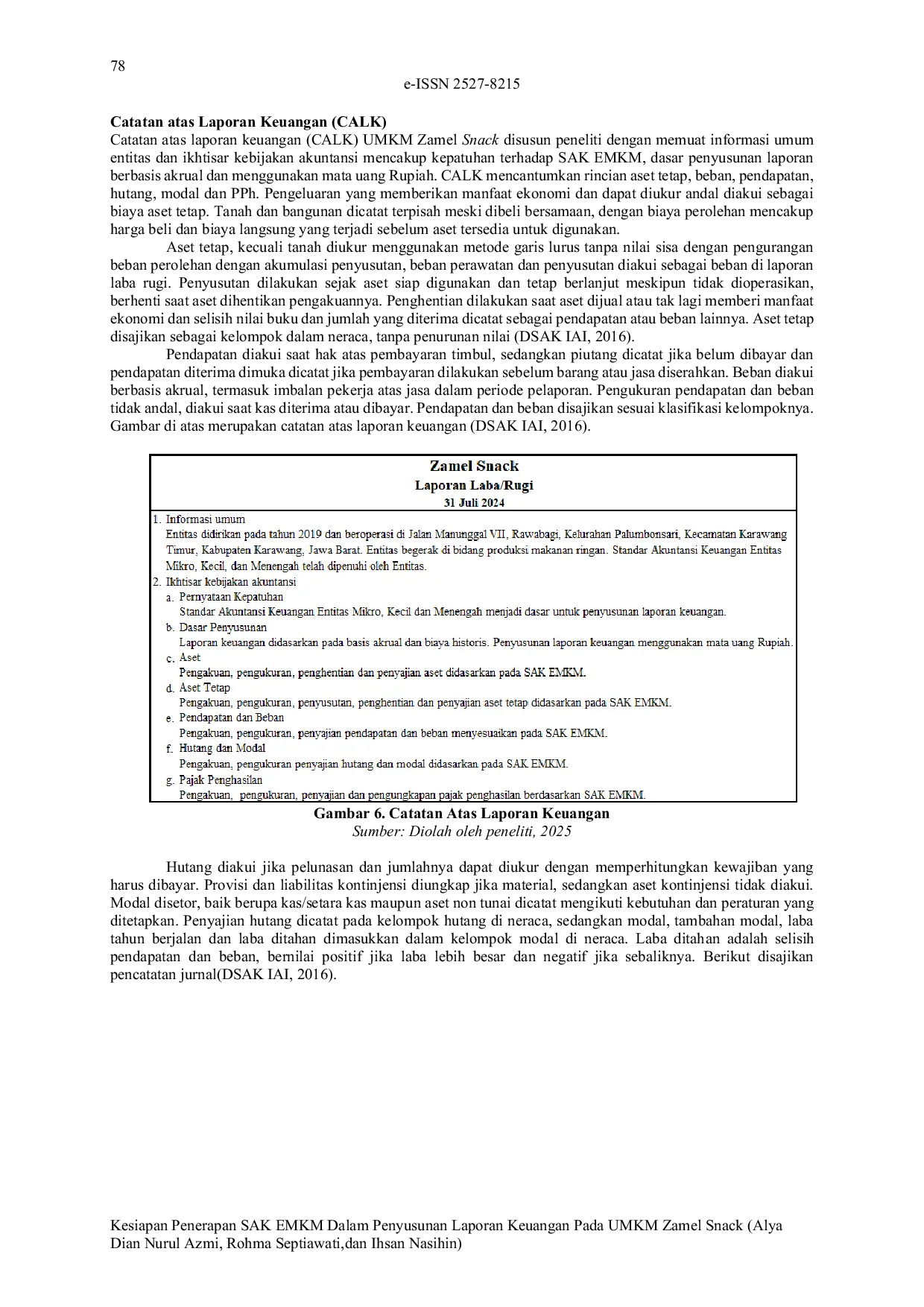
PIPI UMKM Zamel Snack belum siap menerapkan SAK EMKM karena sistem pencatatan terbatas, tidak memisahkan keuangan pribadi dan usaha, dan belum menggunakan basisUMKM Zamel Snack belum siap menerapkan SAK EMKM karena sistem pencatatan terbatas, tidak memisahkan keuangan pribadi dan usaha, dan belum menggunakan basis
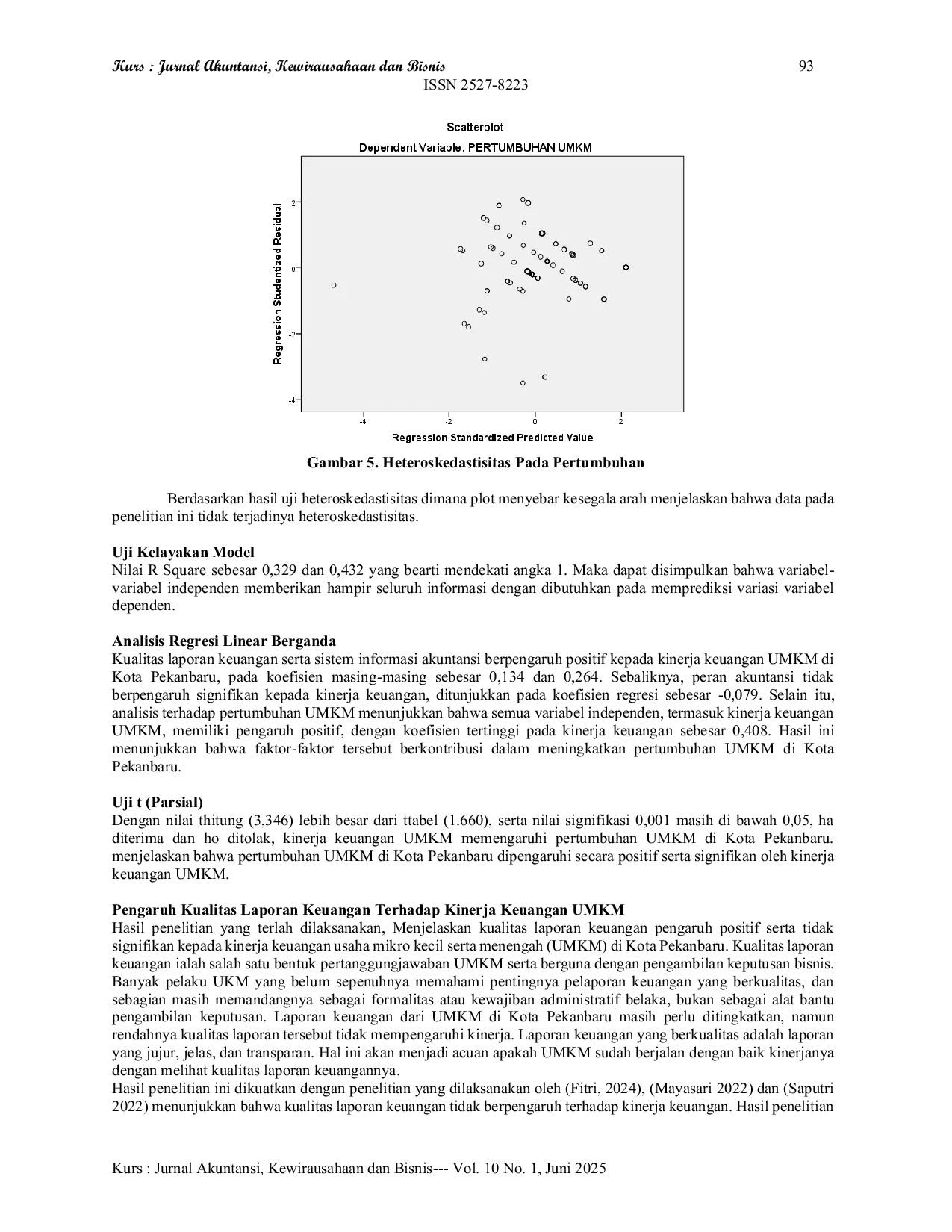
PIPI (3) Sistem informasi akuntansi mempunyai pengaruh positif dan signifikan kepada kinerja keuangan Usaha Mikro Kecil Menengah (UMKM) di Kota Pekanbaru. (4)(3) Sistem informasi akuntansi mempunyai pengaruh positif dan signifikan kepada kinerja keuangan Usaha Mikro Kecil Menengah (UMKM) di Kota Pekanbaru. (4)
Useful /

PIPI Berdasarkan hasil penelitian dan pembahasan, dapat disimpulkan bahwa suku bunga berpengaruh negatif dan signifikan terhadap penyaluran kredit perusahaanBerdasarkan hasil penelitian dan pembahasan, dapat disimpulkan bahwa suku bunga berpengaruh negatif dan signifikan terhadap penyaluran kredit perusahaan

UBMUBM Tingkat cyberbullying yang dialami subjek adalah tuduhan yang tidak benar tentang dirinya, penghinaan terhadap fisik, dan kiriman pesan mengandung unsurTingkat cyberbullying yang dialami subjek adalah tuduhan yang tidak benar tentang dirinya, penghinaan terhadap fisik, dan kiriman pesan mengandung unsur

UBMUBM Pendidikan tinggi di Indonesia berperan penting dalam mempersiapkan generasi Z menghadapi masa depan yang dinamis. Salah satu aspek kunci dari persiapanPendidikan tinggi di Indonesia berperan penting dalam mempersiapkan generasi Z menghadapi masa depan yang dinamis. Salah satu aspek kunci dari persiapan

PIPI co.id). Metode pengambilan sampel yang digunakan adalah metode purposive sampling dengan sampel sebanyak 4 perusahaan. Teknik analisis data yang digunakanco.id). Metode pengambilan sampel yang digunakan adalah metode purposive sampling dengan sampel sebanyak 4 perusahaan. Teknik analisis data yang digunakan