STAIKUSTAIKU
Glosains: Jurnal Sains Global IndonesiaGlosains: Jurnal Sains Global IndonesiaThis article discusses the role struggles and identity crises faced by contemporary women amid the tug-of-war between the demands of modernism and traditional roles. Historically, patriarchal narratives have dominated history, placing women in roles devalued by capitalist production systems, thus giving rise to a sharp dichotomy of roles: economically productive career women versus housewives burdened by domestic syndrome. This study aims to deconstruct this dichotomy through the framework of critical gender theory and reconstruct the meaning of womens mission as a normative resolution. The method used is a critical content analysis of discourses regarding womens identities and activities. Key findings show that the ideal image of women today is diverse, overlapping, and even improvisatory, without a clear conceptual standardization. In response to this confusion, the concept of Mission is redefined holistically and non-locationally. It is not measured by its field of work (in the office or at home), but by the orientation of its goals: the improvement of the quality of life, wholeness, and harmony towards a happy and prosperous family.
This study concludes that the identity crisis experienced by contemporary women stems from the absence of a conceptually grounded standard for womens mission.Critical analysis reveals that capitalist-patriarchal systems devalue domestic roles, creating a false dichotomy between career women and housewives.The research proposes a holistic redefinition of womens mission as any activity, whether in the public or domestic sphere, oriented towards improving quality of life, wholeness, and family harmony.The successful implementation of this mission requires openness, dialogical attitude, communicativeness, honesty and loyalty, and responsibility.
Further research should investigate the specific mechanisms through which capitalist structures devalue domestic labor and how this devaluation impacts womens psychological well-being and sense of self-worth. Additionally, studies could explore the effectiveness of different interventions, such as family counseling or community support programs, in helping women navigate the tension between career aspirations and traditional family expectations. Finally, a comparative analysis across different cultural contexts is needed to understand how varying societal norms and values shape womens experiences of role conflict and their perceptions of a fulfilling mission in life, building upon the existing framework of ethical pillars to create culturally sensitive guidelines for achieving family harmony and individual fulfillment.
| File size | 233.01 KB |
| Pages | 11 |
| DMCA | Report |
Related /

UHBUHB Kolaborasi antara industri, akademisi, dan pemerintah diperlukan untuk mempercepat adopsi dan pengembangan solusi blockchain yang dapat mengatasi masalahKolaborasi antara industri, akademisi, dan pemerintah diperlukan untuk mempercepat adopsi dan pengembangan solusi blockchain yang dapat mengatasi masalah

UNSURYAUNSURYA Dalam sektor media dan hiburan, industri ini mengadopsi transformasi digital dalam meningkatkan konten digital, streaming media, dan platform distribusiDalam sektor media dan hiburan, industri ini mengadopsi transformasi digital dalam meningkatkan konten digital, streaming media, dan platform distribusi

URINDOURINDO Studi ini berkontribusi dalam pengembangan kebijakan subsidi yang lebih adil, responsif, dan berkelanjutan. Studi ini menunjukkan bahwa maladministrasiStudi ini berkontribusi dalam pengembangan kebijakan subsidi yang lebih adil, responsif, dan berkelanjutan. Studi ini menunjukkan bahwa maladministrasi

UNDHIRA BALIUNDHIRA BALI Hasil evaluasi menunjukkan bahwa faktor Human terkait pemahaman dan kepuasan pengguna cukup baik hal ini didasari dari hasil wawancara bahwa pihak manajemenHasil evaluasi menunjukkan bahwa faktor Human terkait pemahaman dan kepuasan pengguna cukup baik hal ini didasari dari hasil wawancara bahwa pihak manajemen

UHBUHB Temuan dari tinjauan literatur menunjukkan bahwa penggunaan metode fuzzy dalam diagnosis dan prediksi diabetes telah menghasilkan kemajuan yang signifikan,Temuan dari tinjauan literatur menunjukkan bahwa penggunaan metode fuzzy dalam diagnosis dan prediksi diabetes telah menghasilkan kemajuan yang signifikan,

UHBUHB Implementasi teknologi blockchain dalam penyimpanan citra medis memiliki potensi besar untuk mengubah secara fundamental cara data medis dikelola dan disimpan.Implementasi teknologi blockchain dalam penyimpanan citra medis memiliki potensi besar untuk mengubah secara fundamental cara data medis dikelola dan disimpan.

UHBUHB Hasilnya menunjukkan bahwa pendekatan hibrida yang menggabungkan logika fuzzy dengan teknologi seperti jaringan saraf tiruan dapat secara signifikan meningkatkanHasilnya menunjukkan bahwa pendekatan hibrida yang menggabungkan logika fuzzy dengan teknologi seperti jaringan saraf tiruan dapat secara signifikan meningkatkan
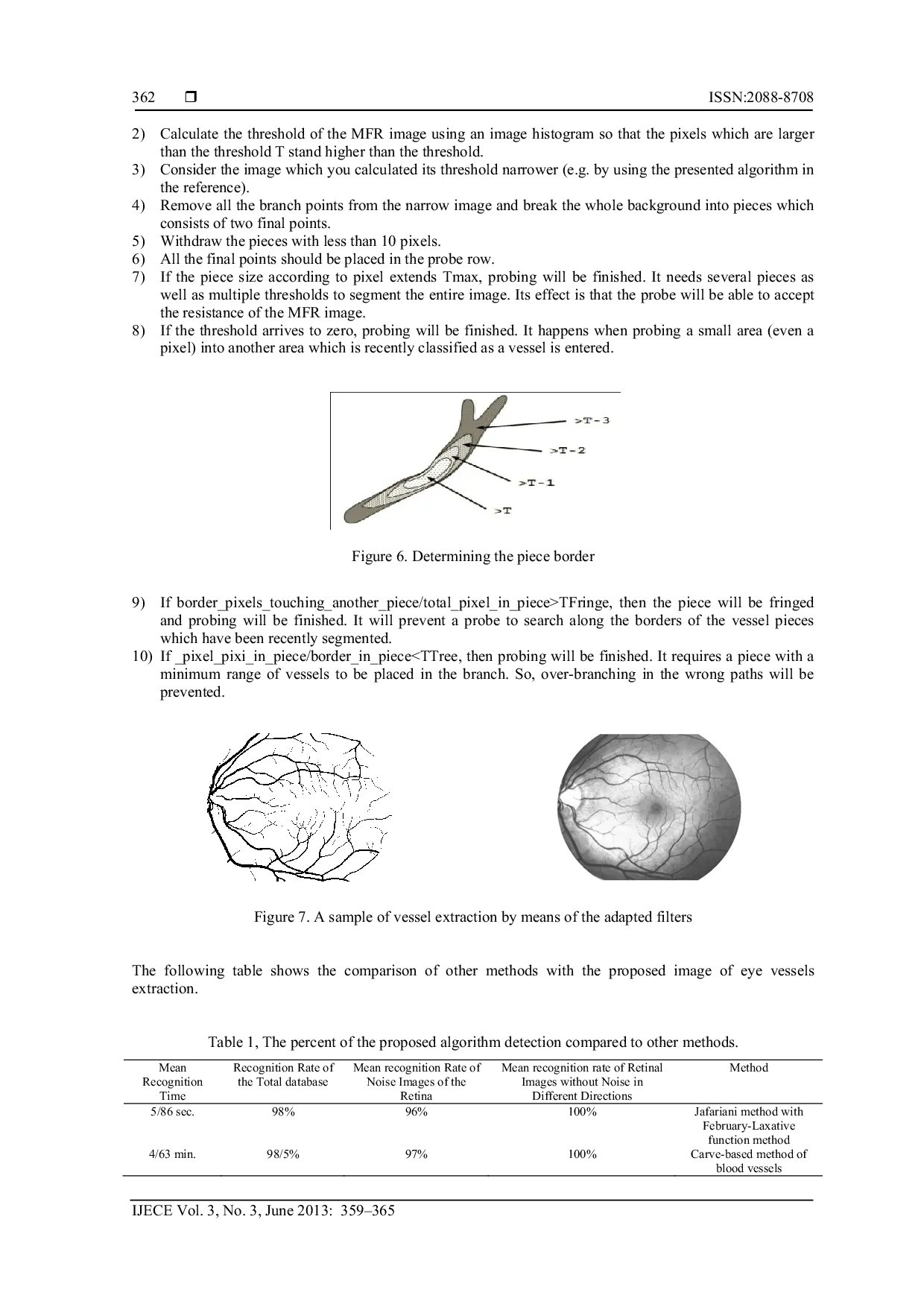
IAESCOREIAESCORE Penelitian ini bertujuan untuk mengidentifikasi individu menggunakan citra retina dengan ekstraksi pembuluh darah berbasis klasifikasi kepadatan dan identifikasiPenelitian ini bertujuan untuk mengidentifikasi individu menggunakan citra retina dengan ekstraksi pembuluh darah berbasis klasifikasi kepadatan dan identifikasi
Useful /

RESCOLLACOMMRESCOLLACOMM Perbedaan ini menunjukkan bahwa pemilihan model mortalitas memengaruhi besarnya cadangan premi yang dihasilkan. Cadangan premi yang dihitung berdasarkanPerbedaan ini menunjukkan bahwa pemilihan model mortalitas memengaruhi besarnya cadangan premi yang dihasilkan. Cadangan premi yang dihitung berdasarkan

USBUSB Analisis Wilcoxon T juga menunjukkan penurunan stres yang signifikan pada kelompok eksperimen sebelum dan sesudah pelatihan (z = -2,143, p < 0,05). DataAnalisis Wilcoxon T juga menunjukkan penurunan stres yang signifikan pada kelompok eksperimen sebelum dan sesudah pelatihan (z = -2,143, p < 0,05). Data

IAESCOREIAESCORE Dalam penelitian ini, beberapa model untuk identifikasi efek kulit rotor pada mesin induksi telah disajikan dan dibandingkan.identifikasi model Park denganDalam penelitian ini, beberapa model untuk identifikasi efek kulit rotor pada mesin induksi telah disajikan dan dibandingkan.identifikasi model Park dengan

IAESCOREIAESCORE A compact Encoche coplanar antenna is developed and proposed in this paper. The antenna is designed for an RFID TAG and presents several advantages comparedA compact Encoche coplanar antenna is developed and proposed in this paper. The antenna is designed for an RFID TAG and presents several advantages compared