IAIC PUBLISHERIAIC PUBLISHER
International Journal of Cyber and IT Service Management (IJCITSM)International Journal of Cyber and IT Service Management (IJCITSM)The increasing complexity of organizational environments necessitates a deeper understanding of how management scope and Human Resource (HR) strategies interact to enhance organizational effectiveness. This study examines the integration of management functions and HR practices to address critical gaps in optimizing performance, particularly in dynamic and resource constrained settings. Using the SmartPLS methodology, empirical data was analyzed to evaluate the influence of management scope dimensions and HR strategies on organizational performance. The findings reveal that aligning HR strategies with well defined management functions significantly enhances adaptability, operational efficiency, and employee engagement. Specifically, strategic planning enables organizations to respond effectively to market disruptions, while efficient resource allocation fosters collaboration and productivity. However, challenges such as misaligned priorities, resistance to change, and resource limitations pose significant barriers to successful integration. Addressing these issues through adaptive leadership and innovative management approaches strengthens resilience and promotes sustainable growth. The study underscores the critical role of management HR alignment in leveraging human capital as a competitive advantage. By bridging theoretical frameworks with practical applications, this research provides valuable insights for managers seeking to navigate complex organizational dynamics. The findings highlight the importance of integrating management and HR strategies to foster long term organizational resilience and performance in rapidly evolving business landscapes.
This study validates the proposed framework, demonstrating significant relationships between key variables.Recruitment emerged as the most influential factor on organizational effectiveness, while decision making also positively impacted organizational performance.Strategic planning showed a weaker, statistically insignificant relationship.Managers should prioritize recruitment and foster inclusive decision-making processes to enhance organizational effectiveness and adaptability, integrating these approaches with strategic planning for sustained competitive advantage.
Future research should explore the long-term effects of HR and management alignment through longitudinal studies, providing a more nuanced understanding of dynamic organizational changes. Investigating the role of organizational culture as a moderating variable in the relationship between management scope and HR practices could reveal how cultural nuances impact the effectiveness of these strategies. Furthermore, expanding the study to diverse cultural and economic contexts would enhance the generalizability of the findings and provide valuable insights for organizations operating in varied environments. These investigations will contribute to a more comprehensive understanding of how organizations can effectively leverage their human capital and adapt to evolving business landscapes, ultimately fostering sustainable growth and resilience.
| File size | 600.86 KB |
| Pages | 10 |
| DMCA | Report |
Related /

IAIN SUIAIN SU Begitupula dengan pemanfaatan aset manusia, keuangan, sosial, dan fisik yang meningkat dari kelompok ini setelah mendapatkan bantuan program zakat communityBegitupula dengan pemanfaatan aset manusia, keuangan, sosial, dan fisik yang meningkat dari kelompok ini setelah mendapatkan bantuan program zakat community
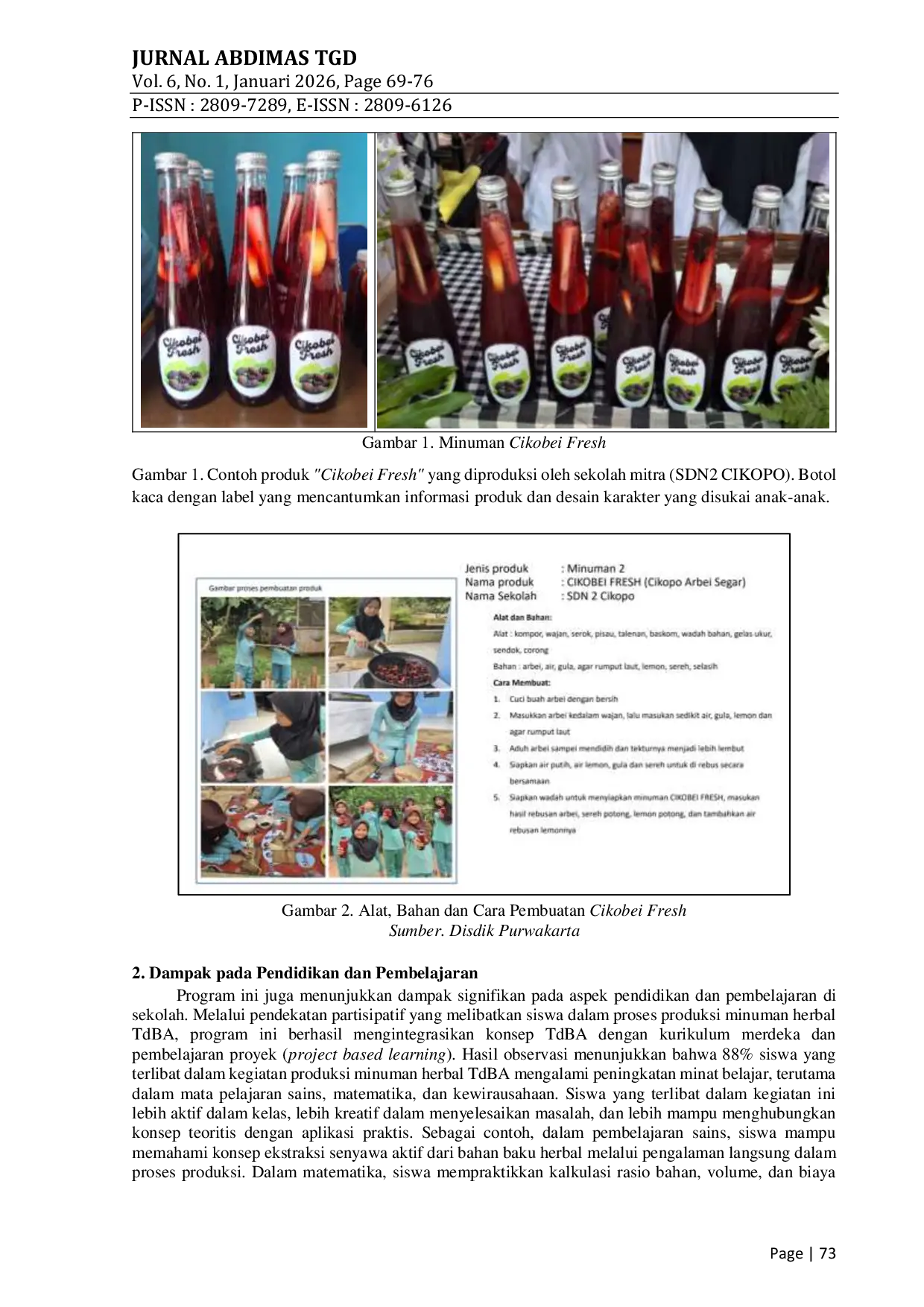
TRI GUNA DHARMATRI GUNA DHARMA Keberlanjutan program terbukti kuat, dengan 85% sekolah masih melanjutkan produksi tiga bulan pasca-pendampingan, didukung oleh keterlibatan penuh komunitasKeberlanjutan program terbukti kuat, dengan 85% sekolah masih melanjutkan produksi tiga bulan pasca-pendampingan, didukung oleh keterlibatan penuh komunitas
IMPERIUMINSTITUTEIMPERIUMINSTITUTE Studi ini secara unik menggabungkan teori perilaku dengan perspektif Islam, menyoroti bahwa meminimalkan tekanan emosional sangat penting untuk menjagaStudi ini secara unik menggabungkan teori perilaku dengan perspektif Islam, menyoroti bahwa meminimalkan tekanan emosional sangat penting untuk menjaga

LIFESCIFILIFESCIFI 7% of the variation in purchase intention, with the remaining 39. 3% influenced by other factors. These findings suggest that self-image and social factors7% of the variation in purchase intention, with the remaining 39. 3% influenced by other factors. These findings suggest that self-image and social factors

IAIN SUIAIN SU Secara keseluruhan, penelitian ini menegaskan bahwa QRIS efektif dalam mendukung pertumbuhan dan keberlanjutan UMKM di Indonesia, sekaligus mendukung inklusiSecara keseluruhan, penelitian ini menegaskan bahwa QRIS efektif dalam mendukung pertumbuhan dan keberlanjutan UMKM di Indonesia, sekaligus mendukung inklusi

NURSCIENCEINSTITUTENURSCIENCEINSTITUTE This research provides new perspectives for manufacturers and marketers of health products to prioritize functional value and pay attention to social pressureThis research provides new perspectives for manufacturers and marketers of health products to prioritize functional value and pay attention to social pressure

STPI PAJAKSTPI PAJAK Dari keempat variable tersebut dapat dibuktikan bahwa penelitian ini bertujuan untuk menganalisis pengaruh Motivasi, Kompetensi dan Kompensasi terhadapDari keempat variable tersebut dapat dibuktikan bahwa penelitian ini bertujuan untuk menganalisis pengaruh Motivasi, Kompetensi dan Kompensasi terhadap

UnmulUnmul Investasi Swasta memiliki pengaruh negatif dan tidak signifikan terhadap Pertumbuhan Ekonomi di Kota Samarinda, dengan nilai koefisien sebesar -0,395.Investasi Swasta memiliki pengaruh negatif dan tidak signifikan terhadap Pertumbuhan Ekonomi di Kota Samarinda, dengan nilai koefisien sebesar -0,395.
Useful /

IAIC PUBLISHERIAIC PUBLISHER Dalam hal keberlanjutan, blockchain mendukung inisiatif hijau dengan memungkinkan pelacakan otomatis jejak karbon dan memberikan insentif untuk praktikDalam hal keberlanjutan, blockchain mendukung inisiatif hijau dengan memungkinkan pelacakan otomatis jejak karbon dan memberikan insentif untuk praktik

IAIC PUBLISHERIAIC PUBLISHER Uji acak terkontrol (RCT) dilakukan dengan 200 peserta, membandingkan kelompok intervensi AI dengan kelompok kontrol yang menerima perawatan standar. SistemUji acak terkontrol (RCT) dilakukan dengan 200 peserta, membandingkan kelompok intervensi AI dengan kelompok kontrol yang menerima perawatan standar. Sistem

UNDANAUNDANA Kendala utama yang dihadapi petani meliputi keterbatasan akses internet, keterbatasan kemampuan ekonomi untuk membeli kuota data, serta rendahnya literasiKendala utama yang dihadapi petani meliputi keterbatasan akses internet, keterbatasan kemampuan ekonomi untuk membeli kuota data, serta rendahnya literasi

UNDANAUNDANA Hasil penelitian menunjukkan bahwa proses produksi dilakukan secara tradisional dengan menggunakan bahan baku lokal dan peralatan sederhana skala rumahHasil penelitian menunjukkan bahwa proses produksi dilakukan secara tradisional dengan menggunakan bahan baku lokal dan peralatan sederhana skala rumah