UINMADURAUINMADURA
Jurnal Pendidikan Islam - TadrisJurnal Pendidikan Islam - TadrisRadicalism is very contradictory to the values of Islamic teachings. Islam upholds the principles of tolerance, peace, and the principle of respecting ones beliefs. This study aims to analyze and find ideal conceptual ideas for preventing student radicalism through the role of teachers in schools from a genealogical perspective. This study uses a qualitative approach with a type of descriptive-analytic. In order to track historical traces and provide answers to the issue, the genealogical data analysis technique is utilized to examine the content of pertinent sources. The results of this study indicate that, genealogically, Islamic Religious Education teachers in schools have an important role in preventing radicalism because the main mission of Islamic Religious Education teachers is to teach Islam contextually, Islamic tolerance, and peace-loving Islam through efforts to internalize Islamic teachings that are in line with a sense of nationalism so that a generation with noble character is formed. In addition, Islamic Religious Education teachers also carry out the learning process by adhering to 5 main principles, namely respect for others, moderation, respect for creators, tolerance, and fairness.
Islamic Religious Education teachers play a crucial role in preventing radicalism by teaching Islam contextually, promoting tolerance, and fostering a sense of nationalism.They achieve this through internalizing Islamic teachings aligned with noble character development and adhering to five core principles.respect for others, moderation, respect for creators, tolerance, and fairness.These efforts are vital in countering extremist ideologies and cultivating a peaceful and harmonious society.
Further research should investigate the effectiveness of different pedagogical approaches in Islamic Religious Education in fostering critical thinking skills among students, enabling them to discern and reject radical ideologies. Additionally, studies could explore the role of family and community involvement in reinforcing the values of tolerance and moderation taught in schools, creating a more holistic approach to preventing radicalization. Finally, research is needed to examine the impact of social media and online platforms on the spread of radical ideas among youth and to develop strategies for countering extremist narratives in the digital space, potentially through the creation of positive counter-narratives and digital literacy programs. These investigations should consider the unique socio-cultural context of Indonesia and aim to provide practical recommendations for policymakers and educators to strengthen the resilience of young people against radicalization, fostering a more inclusive and peaceful society. A comprehensive understanding of these factors will contribute to the development of more effective and targeted interventions to address the complex challenge of religious extremism.
| File size | 640.78 KB |
| Pages | 14 |
| DMCA | Report |
Related /
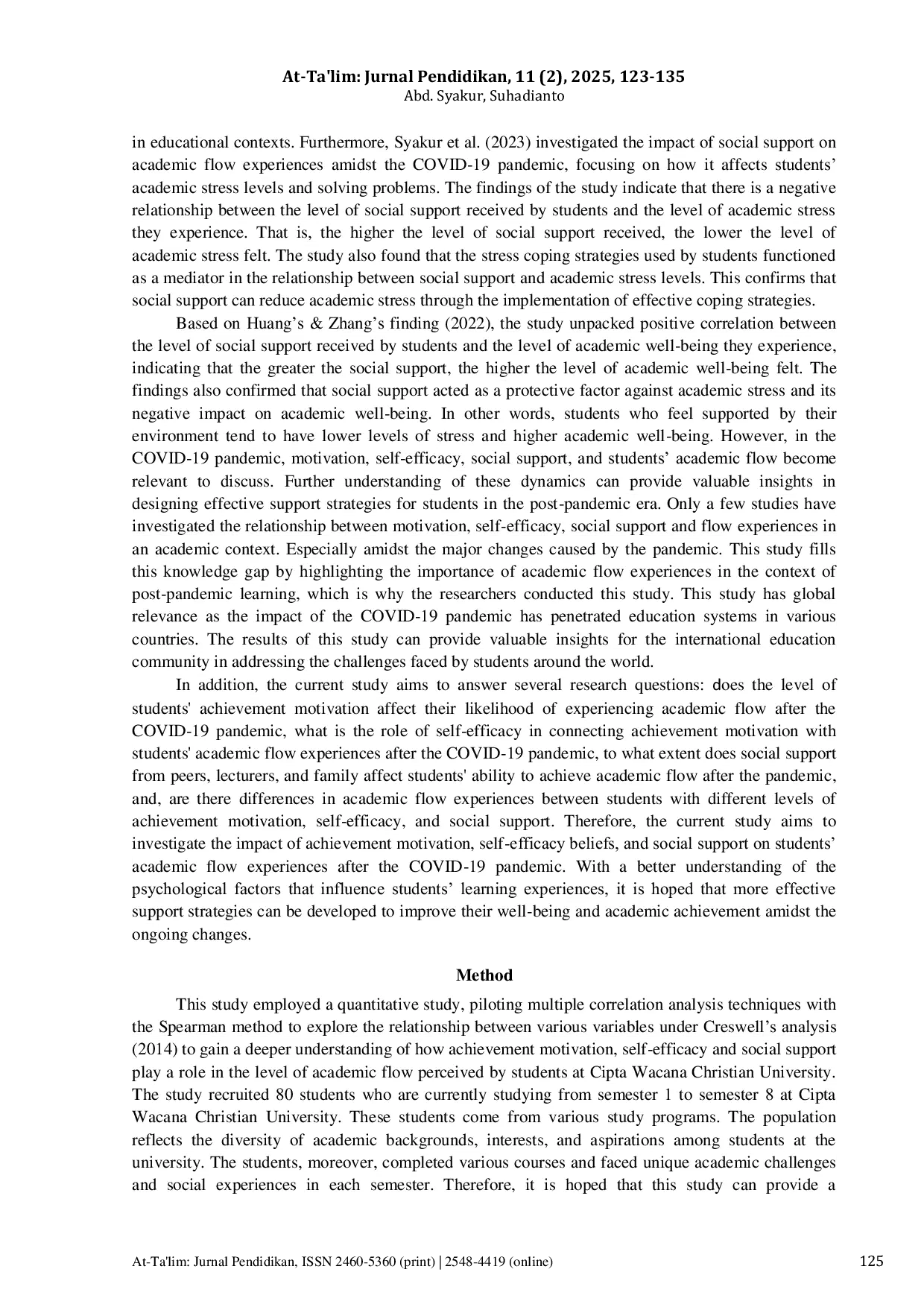
UNZAHUNZAH Studi kuantitatif ini menggunakan analisis korelasi multipel dengan metode Spearman untuk mengeksplorasi hubungan antara berbagai variabel dan memahamiStudi kuantitatif ini menggunakan analisis korelasi multipel dengan metode Spearman untuk mengeksplorasi hubungan antara berbagai variabel dan memahami
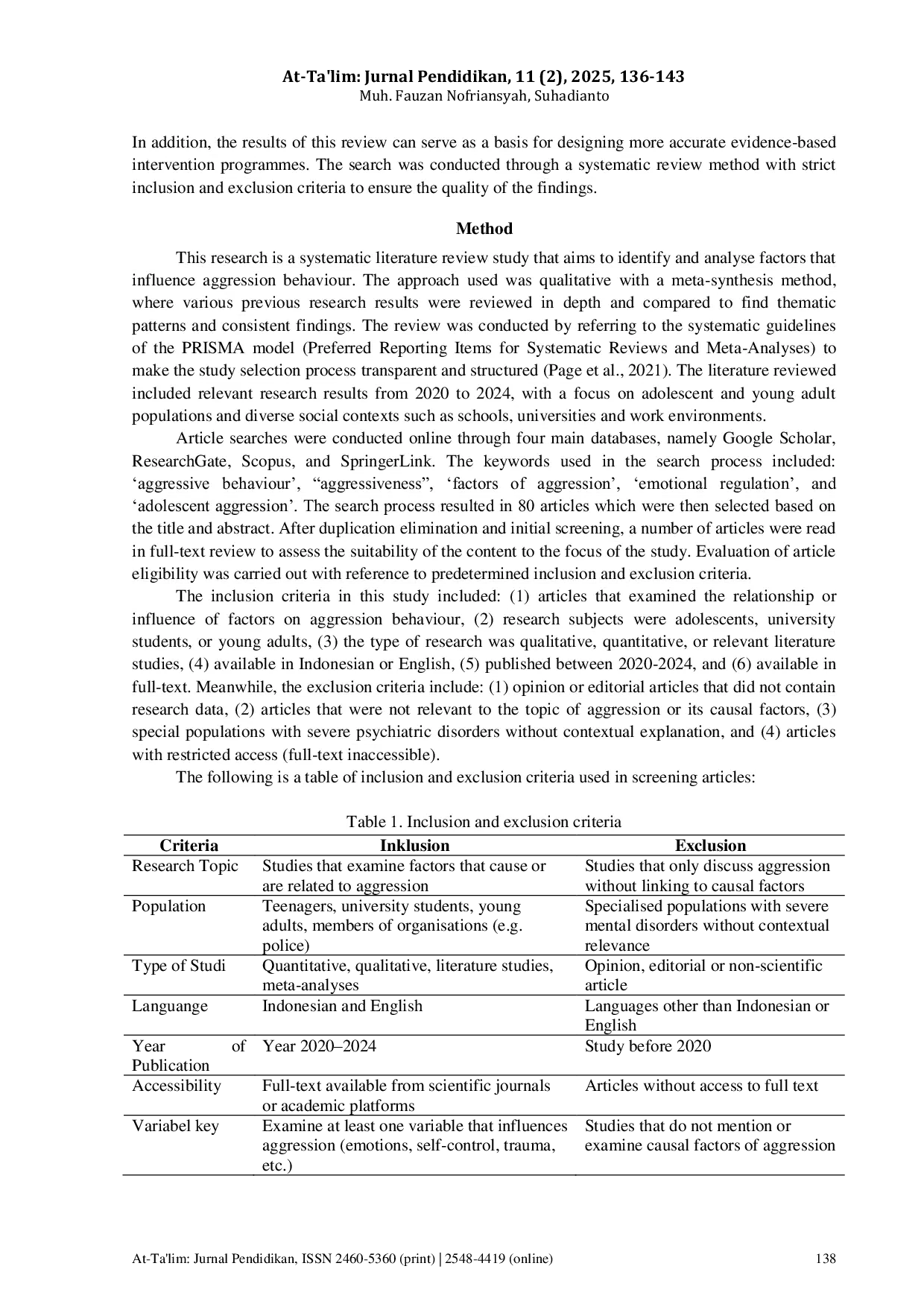
UNZAHUNZAH Aggression is a complex phenomenon shaped by the interplay of internal and external factors. Internal factors like emotional intelligence and self-controlAggression is a complex phenomenon shaped by the interplay of internal and external factors. Internal factors like emotional intelligence and self-control
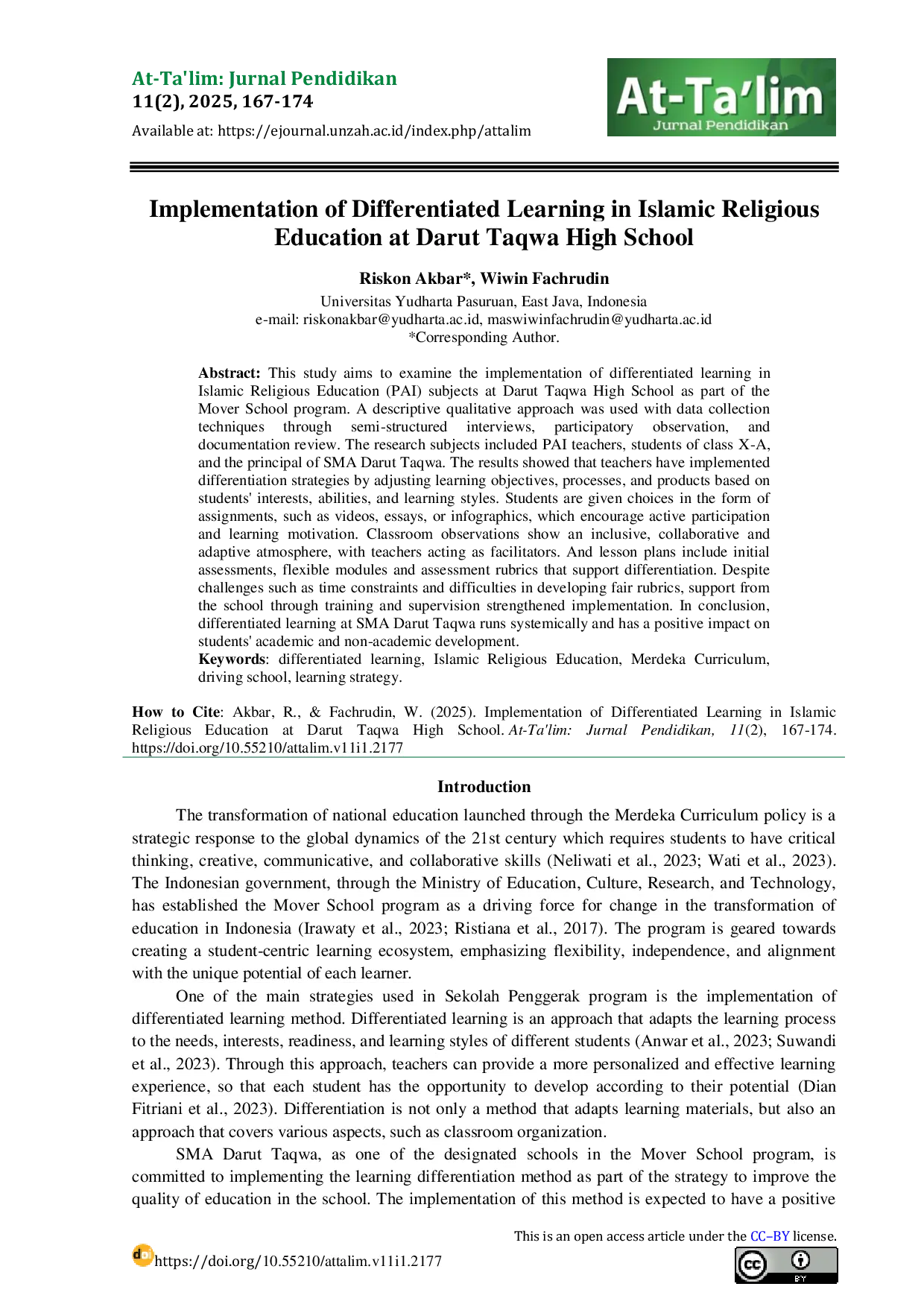
UNZAHUNZAH The research subjects included PAI teachers, students of class X-A, and the principal of SMA Darut Taqwa. The results showed that teachers have implementedThe research subjects included PAI teachers, students of class X-A, and the principal of SMA Darut Taqwa. The results showed that teachers have implemented

SERAMBISERAMBI Conceptual knowledge develops students ability to understand definitions, classifications, and structures, allowing them to connect ideas and apply reasoningConceptual knowledge develops students ability to understand definitions, classifications, and structures, allowing them to connect ideas and apply reasoning

ACADEMICAREVIEWACADEMICAREVIEW To analyze the ability of Islamic Education (PAI) teachers in the use of learning media to improve student achievement at SMP Negeri 1 Rantau Selamat.To analyze the ability of Islamic Education (PAI) teachers in the use of learning media to improve student achievement at SMP Negeri 1 Rantau Selamat.

ACADEMICAREVIEWACADEMICAREVIEW Metode penelitian kualitatif digunakan dengan data yang dikumpulkan melalui wawancara, observasi, dan dokumentasi. Hasil menunjukkan bahwa guru pendidikanMetode penelitian kualitatif digunakan dengan data yang dikumpulkan melalui wawancara, observasi, dan dokumentasi. Hasil menunjukkan bahwa guru pendidikan

STAIMTASTAIMTA Dengan kondisi ini, model pembelajaran integratif ini memiliki potensi kuat untuk berkembang menjadi kerangka yang lebih adaptif dan relevan secara kontekstualDengan kondisi ini, model pembelajaran integratif ini memiliki potensi kuat untuk berkembang menjadi kerangka yang lebih adaptif dan relevan secara kontekstual

STKIP PESSELSTKIP PESSEL Pendekatan berbasis demokrasi dan multikultural dalam pembelajaran PAI dapat menciptakan ruang belajar yang lebih terbuka dan menghargai perbedaan, sertaPendekatan berbasis demokrasi dan multikultural dalam pembelajaran PAI dapat menciptakan ruang belajar yang lebih terbuka dan menghargai perbedaan, serta
Useful /

UINMADURAUINMADURA Pembagian tanggung jawab terhadap pembinaan karakter antara sekolah dan orang tua jelas karena tertuang dalam buku kontrol hafalan peserta didik. PembentukanPembagian tanggung jawab terhadap pembinaan karakter antara sekolah dan orang tua jelas karena tertuang dalam buku kontrol hafalan peserta didik. Pembentukan
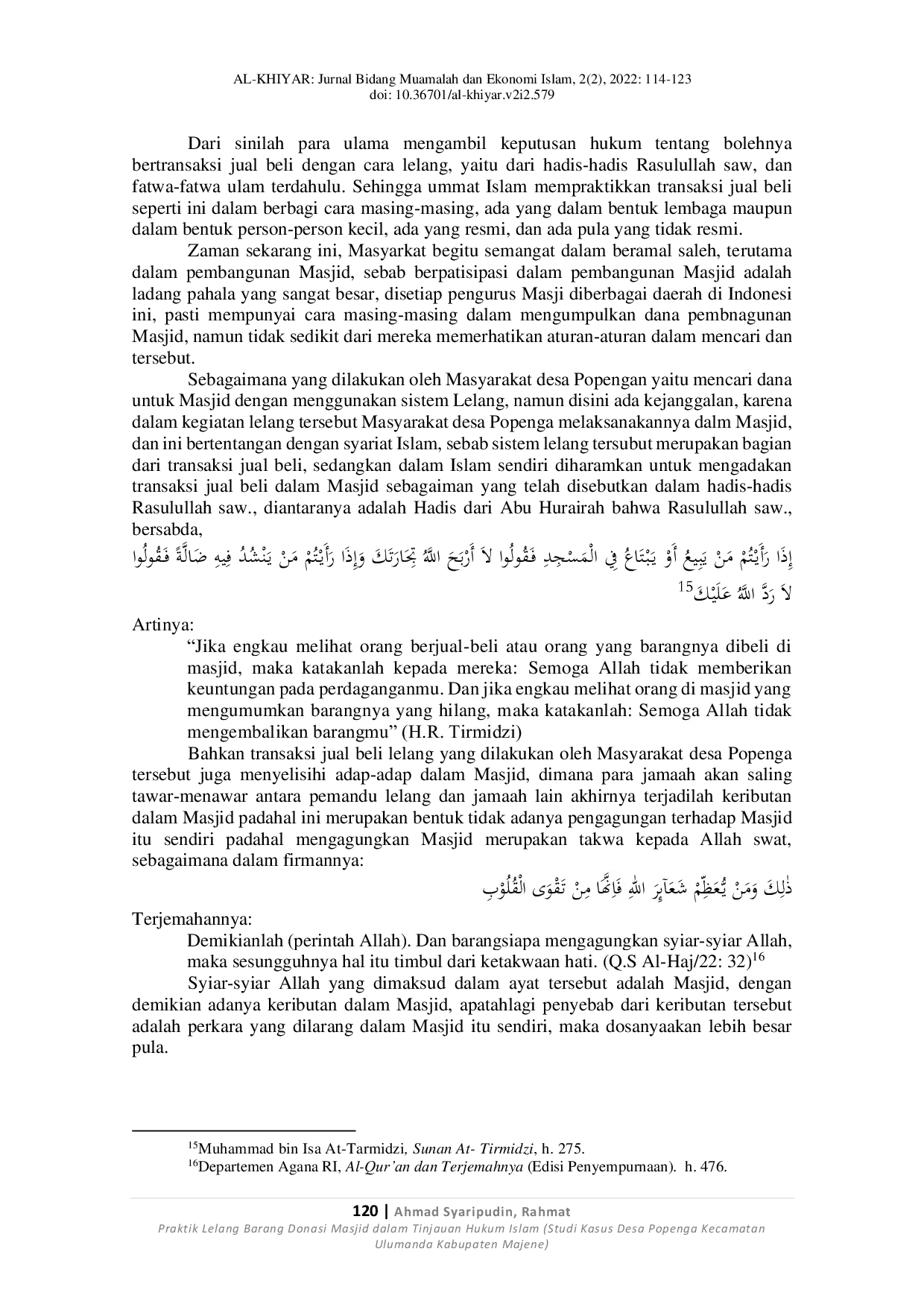
STIBASTIBA Hasil penelitian menunjukkan bahwa lelang barang donasi masjid di Desa Popenga adalah memasukkan barang ke dalam Masjid dengan tujuan menyumbang atau berdonasi,Hasil penelitian menunjukkan bahwa lelang barang donasi masjid di Desa Popenga adalah memasukkan barang ke dalam Masjid dengan tujuan menyumbang atau berdonasi,
UNZAHUNZAH The result of the N-Gain calculation is 3, which means that the increase is categorized as high and significant. The application of the true or false strategyThe result of the N-Gain calculation is 3, which means that the increase is categorized as high and significant. The application of the true or false strategy
UNZAHUNZAH Implikasi penelitian ini adalah bahwa para pendidik disarankan untuk memanfaatkan platform digital seperti TikTok dengan desain konten yang relevan danImplikasi penelitian ini adalah bahwa para pendidik disarankan untuk memanfaatkan platform digital seperti TikTok dengan desain konten yang relevan dan