UMBUMB
Jurnal Abdi Masyarakat (JAM)Jurnal Abdi Masyarakat (JAM)SEHJIRA, a deaf foundation in Tangerang, Banten, faces various challenges in empowering deaf people, including low self-confidence, lack of creative economic skills, and lack of understanding about digital business. This Community Service Program is designed to address these issues with three main solutions: psychological training to build self-confidence, skills training in convection, screen printing, and tie-dyed batik to produce creative products, and business management and digital marketing training. The goal is to empower deaf people to become financially and emotionally independent through the creative economy sector. Lecturers and students collaborate in training that includes increasing self-confidence, production skills, and product marketing. The results showed an increase in self-confidence, skills in producing creative products, and the ability to market products digitally. Participants were enthusiastic and motivated to apply the training for economic independence. This program produced outcomes in the form of improved skills, production tools, scientific publications, and an increase in the positive image of the SEHJIRA Foundation.
This community service program successfully equipped people with hearing disabilities at SEHJIRA Foundation with the skills and confidence needed for economic and social independence.The program, encompassing confidence-building training, skills development in creative industries like batik and screen printing, and digital marketing education, fostered self-reliance and entrepreneurial spirit.Participants demonstrated enthusiasm and achieved tangible results, including improved skills, product creation, and successful marketing efforts.The programs success highlights the importance of providing equal opportunities and support for individuals with disabilities to thrive in the creative economy.
Further research should investigate the long-term economic impact of the training program on the participants livelihoods and overall well-being, potentially through longitudinal studies tracking income levels and business sustainability. Additionally, exploring the feasibility of establishing a dedicated business incubator specifically tailored to the needs of deaf entrepreneurs could provide ongoing mentorship, access to funding, and networking opportunities. Finally, a comparative study examining the effectiveness of different digital marketing strategies for creative products made by people with disabilities could identify best practices and optimize online sales channels, ultimately expanding market reach and fostering greater economic inclusion. These investigations, building upon the current programs success, will contribute to a more robust and sustainable ecosystem for deaf entrepreneurs in the creative economy, ensuring their continued growth and independence.
| File size | 771.9 KB |
| Pages | 13 |
| DMCA | Report |
Related /

SARI MUTIARASARI MUTIARA Sebagian besar siswa memiliki pemahaman baik tentang rokok, namun pengetahuan tidak sepenuhnya mencegah perilaku merokok. Faktor lain seperti pengaruhSebagian besar siswa memiliki pemahaman baik tentang rokok, namun pengetahuan tidak sepenuhnya mencegah perilaku merokok. Faktor lain seperti pengaruh

SARI MUTIARASARI MUTIARA Edukasi yang disampaikan secara verbal sering belum cukup membantu pasien memahami dan menerima proses tindakan medis yang kompleks. Penelitian ini bertujuanEdukasi yang disampaikan secara verbal sering belum cukup membantu pasien memahami dan menerima proses tindakan medis yang kompleks. Penelitian ini bertujuan

SARI MUTIARASARI MUTIARA Namun, keterbatasan pengetahuan serta kontrol diri yang belum matang sering kali membuat remaja rentan terhadap perilaku seksual berisiko. Di berbagaiNamun, keterbatasan pengetahuan serta kontrol diri yang belum matang sering kali membuat remaja rentan terhadap perilaku seksual berisiko. Di berbagai

SARI MUTIARASARI MUTIARA Sebagai respons, scoping review ini menginvestigasi program pendidikan orang tua bagi anak dengan DA, dengan tujuan merinci dan merangkum temuan utamaSebagai respons, scoping review ini menginvestigasi program pendidikan orang tua bagi anak dengan DA, dengan tujuan merinci dan merangkum temuan utama

SARI MUTIARASARI MUTIARA Data dikumpulkan melalui kuesioner yang mencakup skor kesehatan mental emosional, penggunaan helm, konsumsi alkohol, domisili, dan jenis kelamin, sertaData dikumpulkan melalui kuesioner yang mencakup skor kesehatan mental emosional, penggunaan helm, konsumsi alkohol, domisili, dan jenis kelamin, serta

SARI MUTIARASARI MUTIARA Kata kunci: lingkungan; pengelolaan; sampah rumah tangga; sungai palu Penulis Korespondensi: Fadel Banna Palita Email: bannafadel@gmail.com Dengan pendekatanKata kunci: lingkungan; pengelolaan; sampah rumah tangga; sungai palu Penulis Korespondensi: Fadel Banna Palita Email: bannafadel@gmail.com Dengan pendekatan

SARI MUTIARASARI MUTIARA Hasil: Hasil analisis bivariat menunjukkan bahwa hubungan antara prevalensi diare dengan variabel-variabel akses air minum dan higiene memiliki kekuatanHasil: Hasil analisis bivariat menunjukkan bahwa hubungan antara prevalensi diare dengan variabel-variabel akses air minum dan higiene memiliki kekuatan
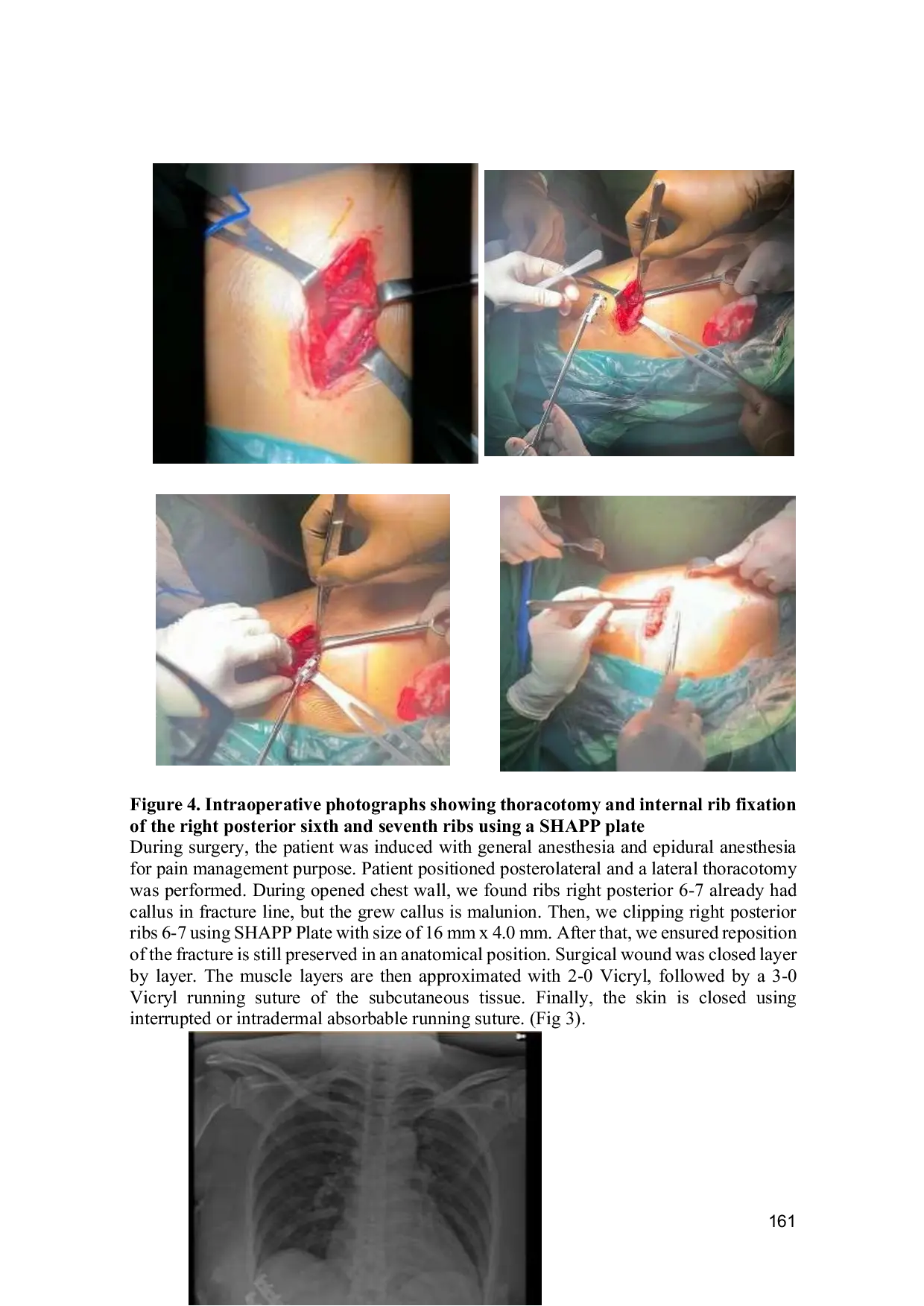
SARI MUTIARASARI MUTIARA Kasus ini menunjukkan bahwa stabilisasi bedah tulang rusuk dapat menjadi pilihan terapi yang efektif bagi pasien dengan nyeri persisten atau kronis akibatKasus ini menunjukkan bahwa stabilisasi bedah tulang rusuk dapat menjadi pilihan terapi yang efektif bagi pasien dengan nyeri persisten atau kronis akibat
Useful /

SARI MUTIARASARI MUTIARA Latar belakang: Studi tentang pemanfaatan sampah rumah tangga berupa tutup botol plastik dan styrofoam menjadi produk kerajinan tangan yang memiliki nilaiLatar belakang: Studi tentang pemanfaatan sampah rumah tangga berupa tutup botol plastik dan styrofoam menjadi produk kerajinan tangan yang memiliki nilai

SARI MUTIARASARI MUTIARA Penelitian ini bertujuan menganalisis faktor-faktor yang berkontribusi dengan kejadian prediabetes pada pekerja usia produktif di sekolah Tazkiya LearningPenelitian ini bertujuan menganalisis faktor-faktor yang berkontribusi dengan kejadian prediabetes pada pekerja usia produktif di sekolah Tazkiya Learning
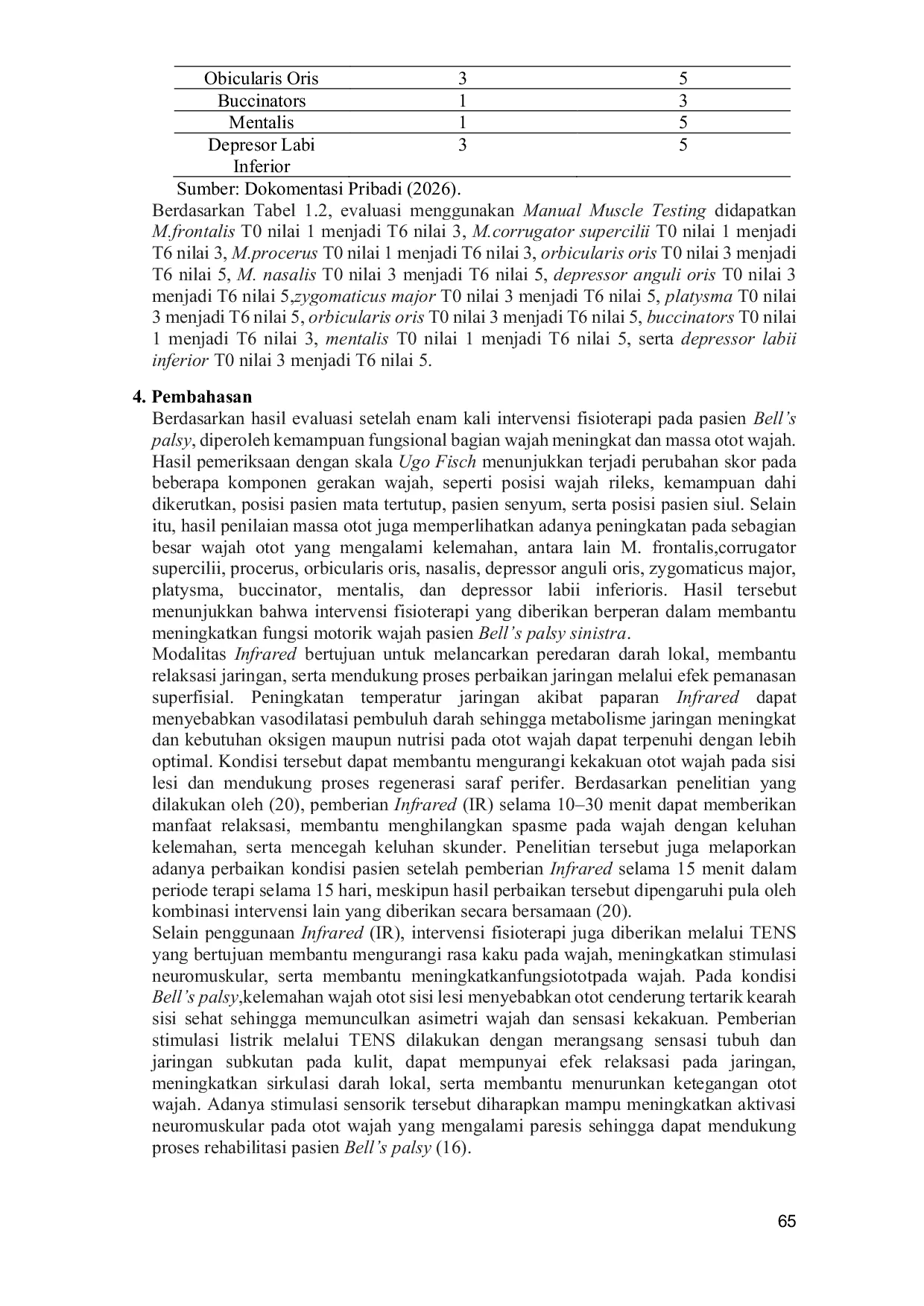
SARI MUTIARASARI MUTIARA Pemberian intervensi fisioterapi tersebut berperan dalam membantu memperbaiki kemampuan gerak wajah, meningkatkan kesimetrisan ekspresi wajah, serta mendukungPemberian intervensi fisioterapi tersebut berperan dalam membantu memperbaiki kemampuan gerak wajah, meningkatkan kesimetrisan ekspresi wajah, serta mendukung
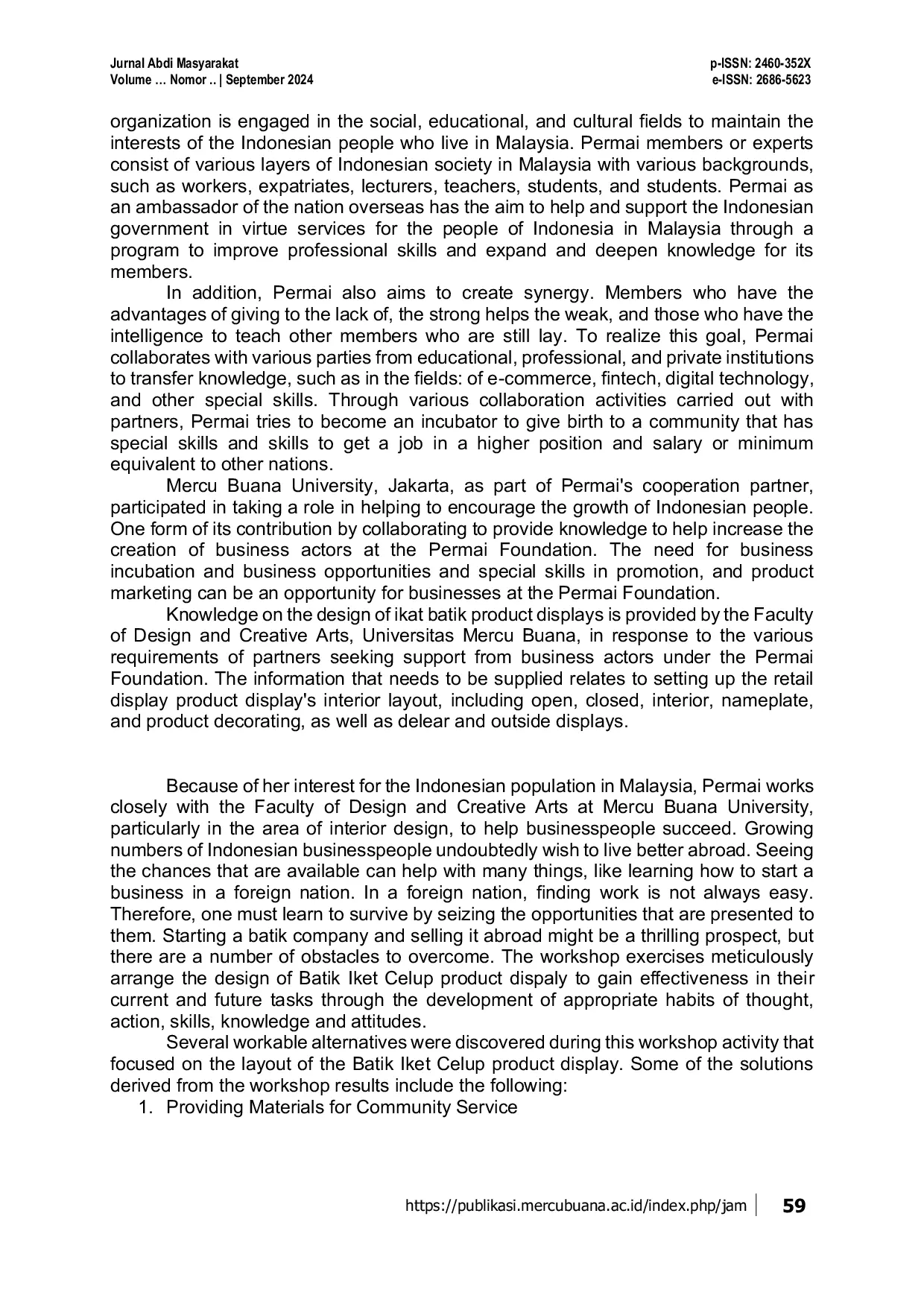
UMBUMB Konfigurasi tata letak ini, termasuk tampilan terbuka, tertutup, interior, nameplate, dan dekorasi produk, serta tampilan dealer dan eksternal, memungkinkanKonfigurasi tata letak ini, termasuk tampilan terbuka, tertutup, interior, nameplate, dan dekorasi produk, serta tampilan dealer dan eksternal, memungkinkan