IOCSCIENCEIOCSCIENCE
VertexVertexThis study investigates the impact of varying paving block materials on traffic flow, safety, durability, and environmental sustainability in urban settings. By analyzing data from multiple field studies, laboratory experiments, and performance models, we compared traditional materials such as asphalt and concrete with innovative options like porous asphalt, permeable pavers, and recycled composites. Our findings reveal that smoother materials, including asphalt and certain concrete types, enhance traffic flow by reducing rolling resistance, while textured surfaces offer superior skid resistance, thereby improving safety. Concrete demonstrated notable durability and lower long-term maintenance costs compared to asphalt, while sustainable materials like recycled composites and permeable pavers exhibited reduced carbon footprints and enhanced stormwater management capabilities. The implications of this research suggest that informed material selection can significantly improve urban traffic efficiency, safety, and sustainability, providing a roadmap for urban planners and policymakers aiming to develop resilient and environmentally friendly infrastructure.
The research demonstrates that selecting appropriate paving materials is crucial for enhancing urban transportation systems.Smoother materials like asphalt and concrete improve traffic flow, while textured surfaces enhance safety.Concrete proves more durable and cost-effective long-term, and sustainable materials contribute to environmental sustainability.These findings provide valuable guidance for urban planners and policymakers in developing efficient, safe, and environmentally friendly infrastructure.
Further research should investigate the long-term performance of innovative paving materials, such as recycled composites and permeable pavers, under diverse climatic conditions and traffic loads to determine their true lifecycle costs and environmental impacts. Additionally, studies could explore the integration of smart technologies, like embedded sensors, into paving materials to provide real-time data on pavement condition, traffic flow, and environmental factors, enabling proactive maintenance and adaptive traffic management strategies. Finally, research is needed to assess the impact of different paving materials on the safety and comfort of vulnerable road users, including pedestrians, cyclists, and users of micromobility devices, to ensure that infrastructure improvements prioritize the needs of all community members and promote equitable access to safe and efficient transportation options. These investigations will contribute to the development of more resilient, sustainable, and user-friendly urban environments.
| File size | 368.2 KB |
| Pages | 11 |
| DMCA | Report |
Related /

UNIVAL CILEGONUNIVAL CILEGON Dengan pendekatan perbaikan yang terstruktur dan berkelanjutan, diharapkan kualitas paving block dapat meningkat, kepuasan pelanggan terjaga, dan kelangsunganDengan pendekatan perbaikan yang terstruktur dan berkelanjutan, diharapkan kualitas paving block dapat meningkat, kepuasan pelanggan terjaga, dan kelangsungan

OJS INDONESIAOJS INDONESIA Moreover, the findings contribute to academic literature and serve as a practical reference for companies, investors, regulators, and academics in understandingMoreover, the findings contribute to academic literature and serve as a practical reference for companies, investors, regulators, and academics in understanding
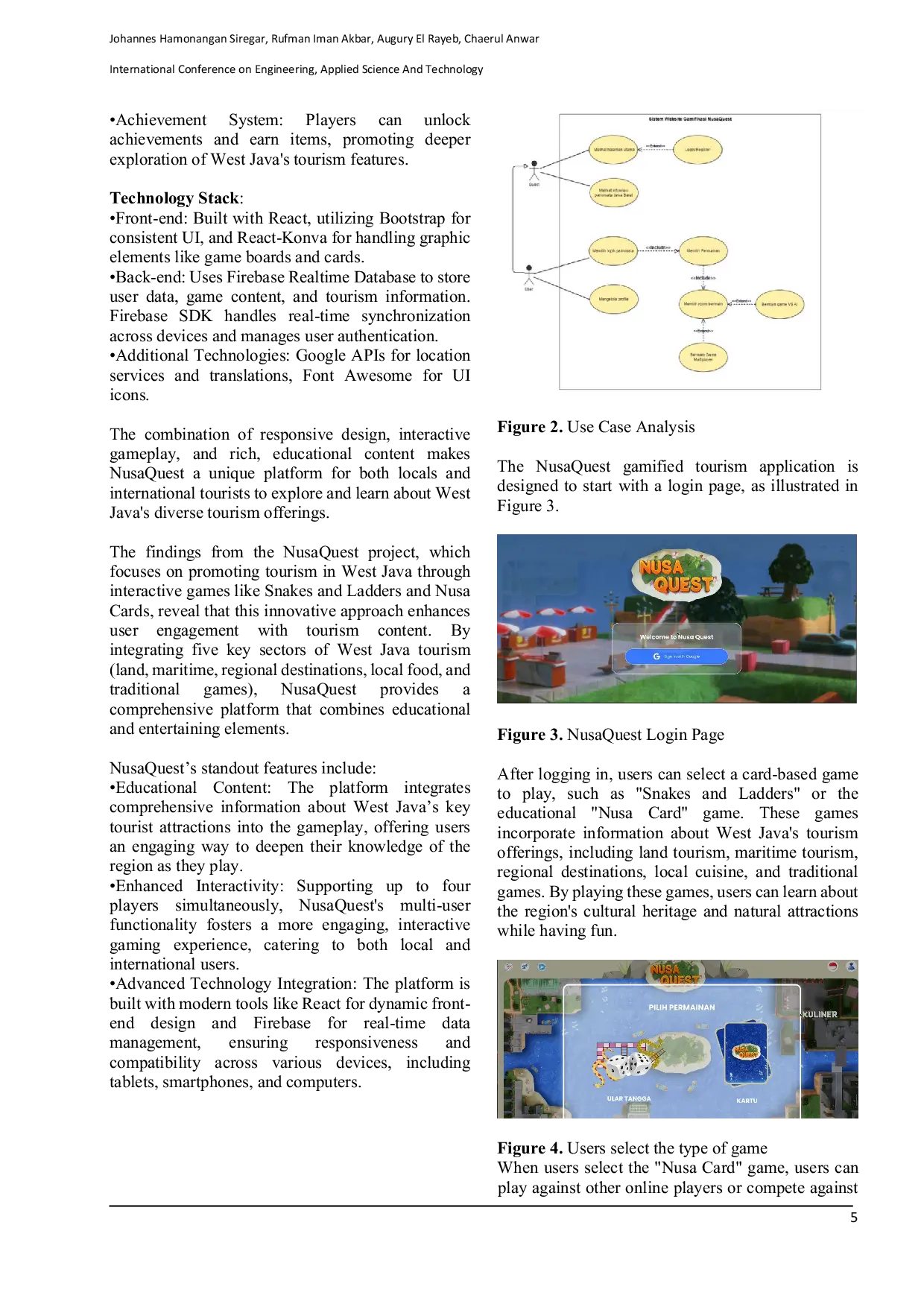
UMJ PremiumUMJ Premium This research aims to investigate how gamification can enhance urban tourism by encouraging the exploration of lesser-known areas and local businesses,This research aims to investigate how gamification can enhance urban tourism by encouraging the exploration of lesser-known areas and local businesses,
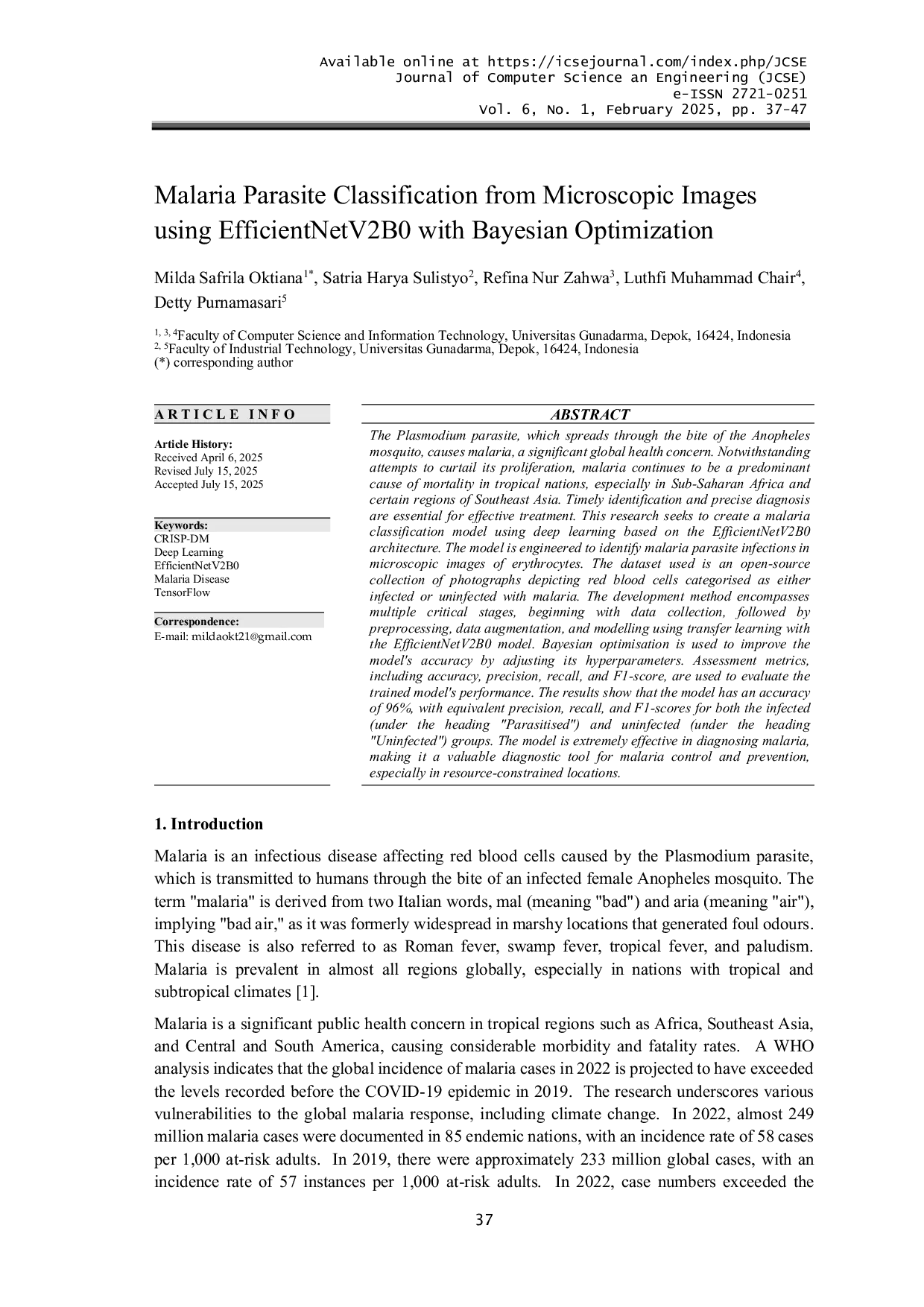
ICSEJOURNALICSEJOURNAL Hasil menunjukkan bahwa model memiliki akurasi 96%, dengan presisi, recall, dan F1-score yang setara untuk kedua kelompok (terinfeksi dan tidak terinfeksi).Hasil menunjukkan bahwa model memiliki akurasi 96%, dengan presisi, recall, dan F1-score yang setara untuk kedua kelompok (terinfeksi dan tidak terinfeksi).
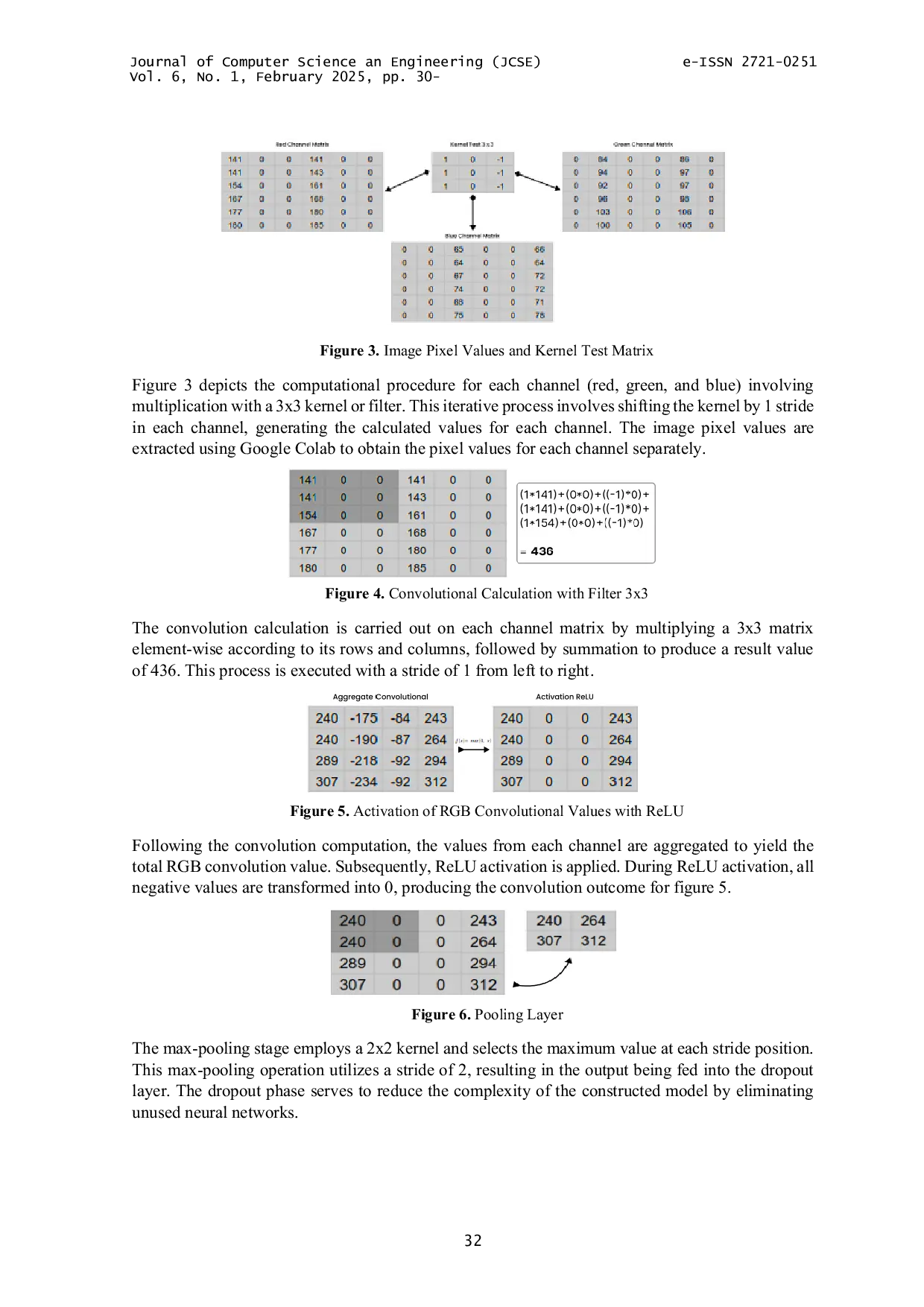
ICSEJOURNALICSEJOURNAL In this study, we develop and evaluate a native-architecture Convolutional Neural Network (CNN) to classify cataract and glaucoma using three novel non-fundusIn this study, we develop and evaluate a native-architecture Convolutional Neural Network (CNN) to classify cataract and glaucoma using three novel non-fundus
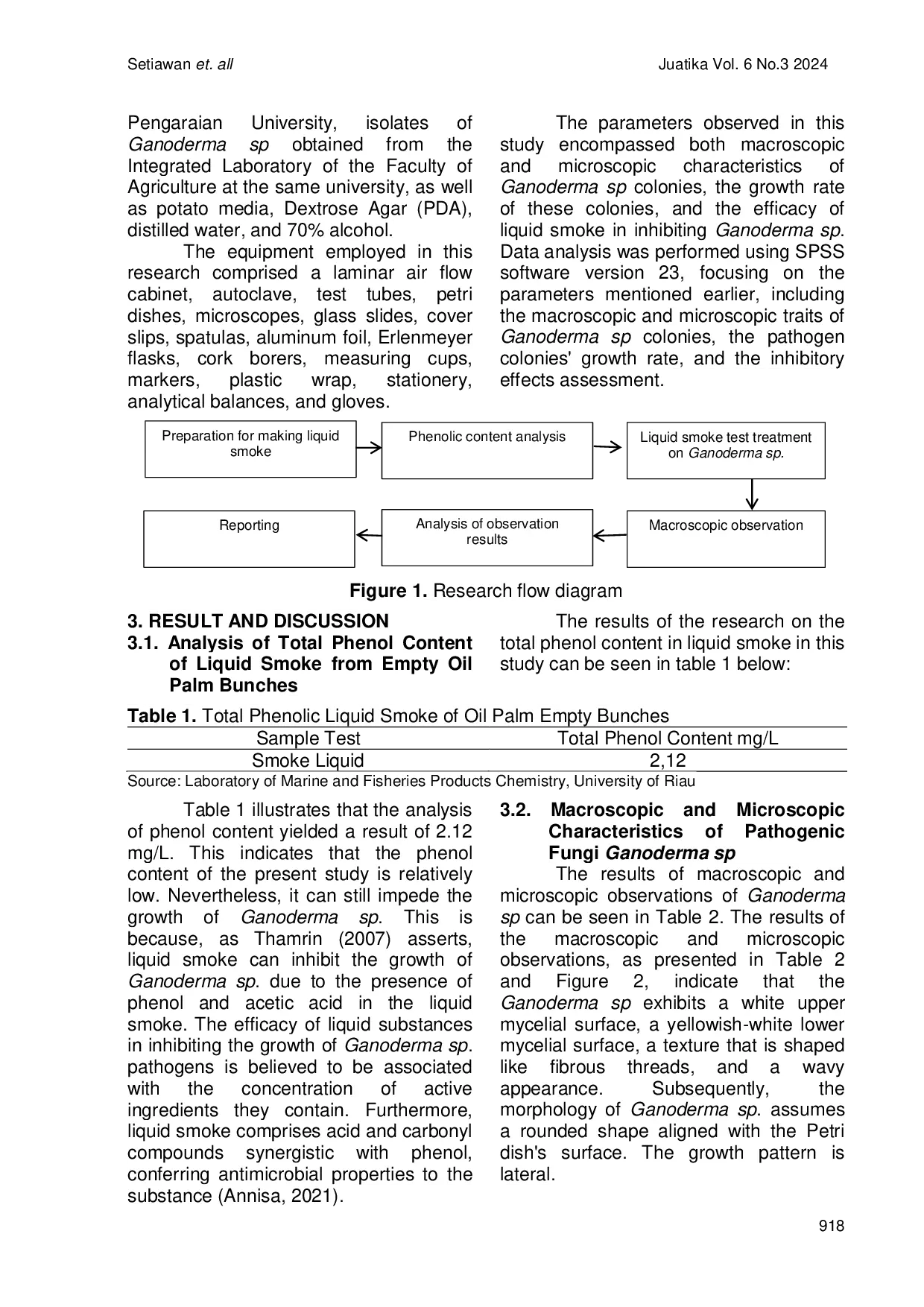
UNIKSUNIKS Consequently, there is a pressing need for alternative, eco-friendly solutions, one of which is using liquid smoke derived from empty oil palm bunchesConsequently, there is a pressing need for alternative, eco-friendly solutions, one of which is using liquid smoke derived from empty oil palm bunches

UNIKSUNIKS LOF can reduce the use of NPK fertilizer by 25% in cocoa seedling. The combination treatment of LOF with NPK fertilizer significantly affects plant height,LOF can reduce the use of NPK fertilizer by 25% in cocoa seedling. The combination treatment of LOF with NPK fertilizer significantly affects plant height,
OJS INDONESIAOJS INDONESIA Penelitian ini memiliki tujuan untuk menganalisis kinerja industri minyak kelapa sawit di Indonesia, menggunakan paradigma Structure Conduct PerformancePenelitian ini memiliki tujuan untuk menganalisis kinerja industri minyak kelapa sawit di Indonesia, menggunakan paradigma Structure Conduct Performance
Useful /
UNMUNM Hasil penelitian menunjukkan bahwa dukungan sosial dan hope berpengaruh signifikan terhadap academic grit dengan kontribusi sebesar 44,3% (R² = 0,443;Hasil penelitian menunjukkan bahwa dukungan sosial dan hope berpengaruh signifikan terhadap academic grit dengan kontribusi sebesar 44,3% (R² = 0,443;

UNMUNM Tujuan penelitian ini adalah untuk mengetahui gambaran kepercayaan diri pada anak usia 5-6 tahun. Penelitian ini merupakan penelitian deskriptif kuantitatifTujuan penelitian ini adalah untuk mengetahui gambaran kepercayaan diri pada anak usia 5-6 tahun. Penelitian ini merupakan penelitian deskriptif kuantitatif
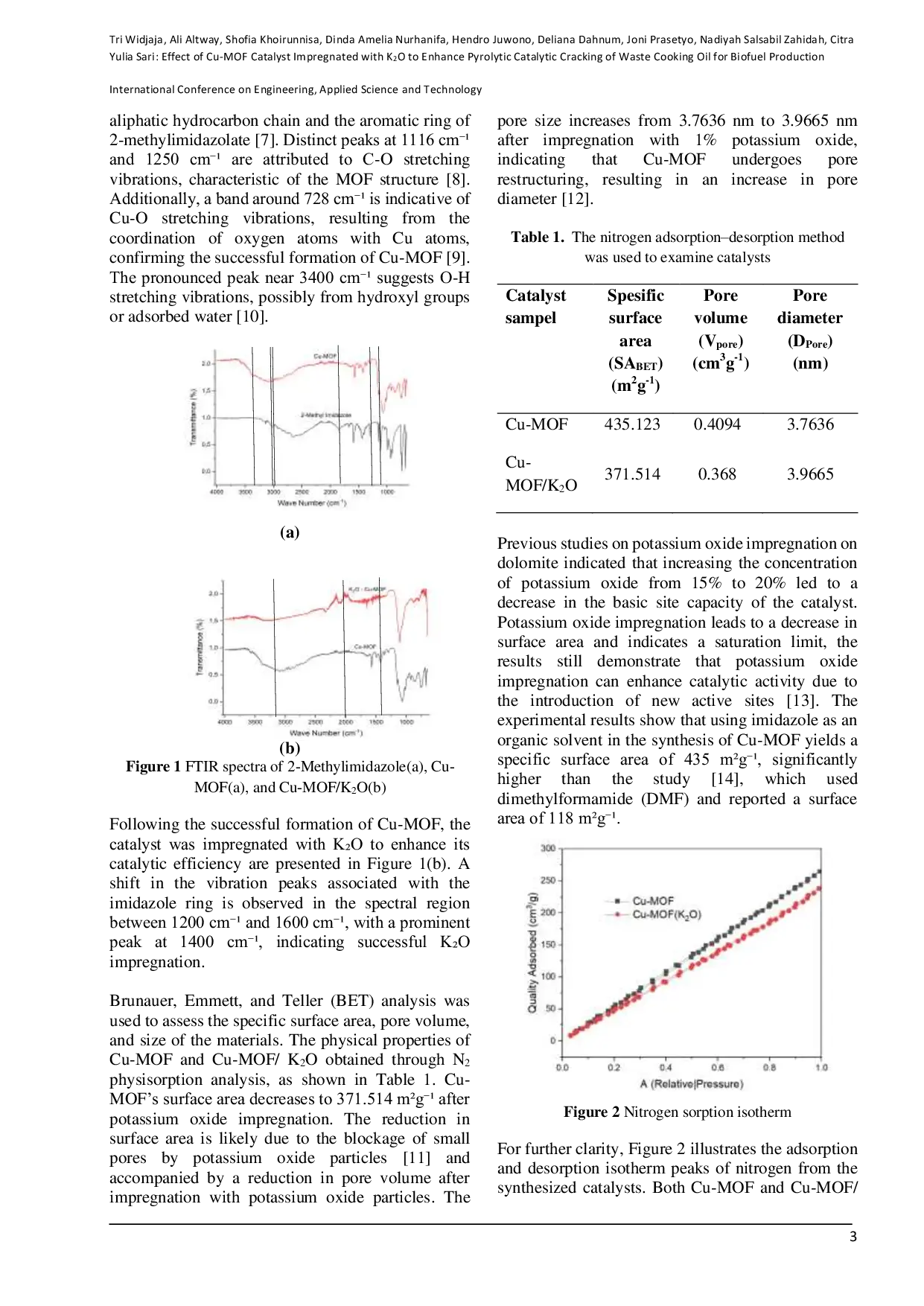
UMJ PremiumUMJ Premium The results demonstrate that K2O impregnation successfully enhanced the stability and efficiency of the Cu-MOF catalyst for pyrolytic catalytic cracking.The results demonstrate that K2O impregnation successfully enhanced the stability and efficiency of the Cu-MOF catalyst for pyrolytic catalytic cracking.

MEJAILMIAHMEJAILMIAH 2. Apartemen Royal tidak memenuhi syarat mendirikan Bangunan di kawasan cagar budaya yang diatur pula dalam Perda Yogyakarta. Apartemen Royal Kedhaton2. Apartemen Royal tidak memenuhi syarat mendirikan Bangunan di kawasan cagar budaya yang diatur pula dalam Perda Yogyakarta. Apartemen Royal Kedhaton