ICSEJOURNALICSEJOURNAL
Journal of Computer Science and Engineering (JCSE)Journal of Computer Science and Engineering (JCSE)Vision impairment from cataract and glaucoma remains a leading global health challenge, with 2.2 billion people affected worldwide and Indonesia registering the highest prevalence in Southeast Asia and second highest globally (Ministry of Health, 2017–2030 Roadmap; WHO 2023). Early, accurate detection is essential to prevent irreversible blindness. In this study, we develop and evaluate a native-architecture Convolutional Neural Network (CNN) to classify cataract and glaucoma using three novel non-fundus (“real-eye) image subsets. Trained for 100 epochs on a balanced dataset, our CNN achieves 98.67 % accuracy, precision of 98.8 %, and recall of 98.5 % on a held-out test set. The resulting TensorFlow-saved model is deployed in the browser via TensorFlow.js, enabling real-time, platform-agnostic inference without specialized hardware. This work demonstrates that non-fundus imaging, combined with lightweight CNN design and web deployment, can provide a practical, high-accuracy tool for early eye-disease screening in low-resource settings.
This study investigates eye disease classification using the Convolutional Neural Network (CNN) method with a native CNN architecture.The studys novel contribution lies in the utilization of three non-fundus image classes.The preprocessing stage involves resizing images to 100x100 pixels.The CNN model is implemented using 100 epochs for its hyperparameters.
Berdasarkan penelitian ini, terdapat beberapa arah penelitian lanjutan yang menjanjikan. Pertama, perlu dilakukan eksplorasi lebih lanjut terhadap jenis-jenis citra non-fundus lainnya, seperti citra yang diambil dengan berbagai kondisi pencahayaan atau sudut pandang, untuk meningkatkan robustitas model terhadap variasi kondisi pengambilan gambar. Kedua, pengembangan model dapat difokuskan pada integrasi dengan perangkat mobile, sehingga memungkinkan skrining penyakit mata secara langsung di lapangan dengan memanfaatkan kamera smartphone. Ketiga, penelitian selanjutnya dapat menginvestigasi penggunaan teknik transfer learning dengan memanfaatkan dataset citra mata yang lebih besar untuk meningkatkan akurasi dan efisiensi pelatihan model.
| File size | 752.34 KB |
| Pages | 7 |
| DMCA | Report |
Related /

IRIBBIRIBB , 2021). Penelitian ini menyelidiki secara komprehensif faktor-faktor yang mempengaruhi kualitas CPO di seluruh rantai pasok dan mengidentifikasi persyaratan, 2021). Penelitian ini menyelidiki secara komprehensif faktor-faktor yang mempengaruhi kualitas CPO di seluruh rantai pasok dan mengidentifikasi persyaratan

ICSEJOURNALICSEJOURNAL Para ahli mengaitkan tingginya angka ini dengan kurangnya pengetahuan dan keterlambatan dalam penanganannya. Samarinda, yang terletak di Kalimantan Timur,Para ahli mengaitkan tingginya angka ini dengan kurangnya pengetahuan dan keterlambatan dalam penanganannya. Samarinda, yang terletak di Kalimantan Timur,

ICSEJOURNALICSEJOURNAL This mathematical formulation can be used for making decisions in selecting transportation routes, selecting modes and transportation costs. Changes inThis mathematical formulation can be used for making decisions in selecting transportation routes, selecting modes and transportation costs. Changes in
UMSBUMSB Penelitian ini menggunakan desain cross sectional dengan sampel 36 bidan. Hasil penelitian menunjukkan adanya hubungan bermakna antara pengetahuan bidanPenelitian ini menggunakan desain cross sectional dengan sampel 36 bidan. Hasil penelitian menunjukkan adanya hubungan bermakna antara pengetahuan bidan
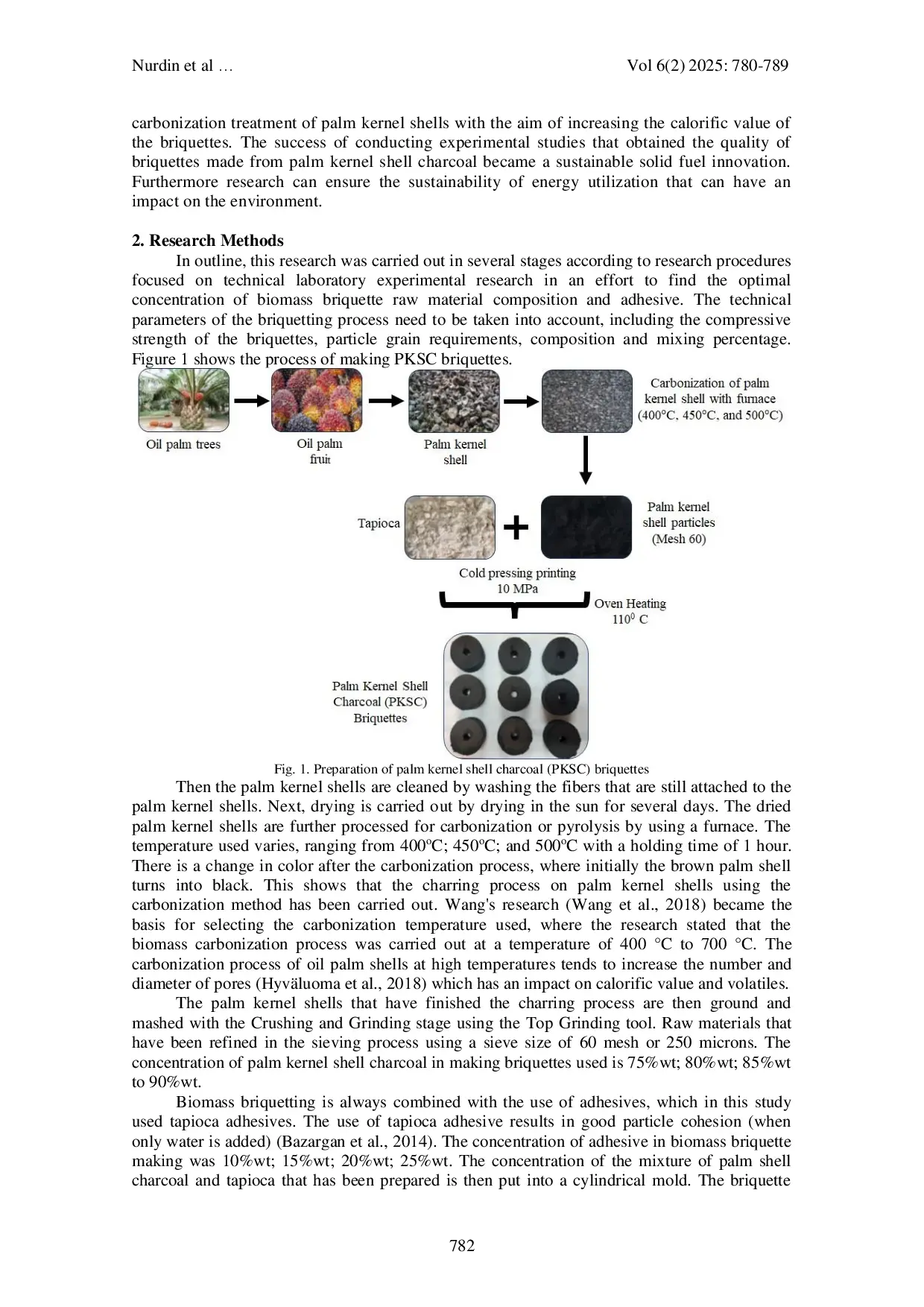
YRPIPKUYRPIPKU Cangkang sawit memiliki potensi sebagai biomassa dan sumber energi terbarukan yang dipilih berdasarkan pertimbangan strategis, teknis, dan lingkungan.Cangkang sawit memiliki potensi sebagai biomassa dan sumber energi terbarukan yang dipilih berdasarkan pertimbangan strategis, teknis, dan lingkungan.

ICSEJOURNALICSEJOURNAL Hasil penelitian menunjukkan bahwa model ini mampu mengidentifikasi sel darah merah terinfeksi dan tidak terinfeksi secara akurat. Model ini memiliki potensiHasil penelitian menunjukkan bahwa model ini mampu mengidentifikasi sel darah merah terinfeksi dan tidak terinfeksi secara akurat. Model ini memiliki potensi

ICSEJOURNALICSEJOURNAL 0 yang telah diterjemahkan ke dalam bahasa Indonesia. Penelitian ini menggunakan metode SEMMA (Sample, Explore, Modify, Model, Assess) untuk memastikan0 yang telah diterjemahkan ke dalam bahasa Indonesia. Penelitian ini menggunakan metode SEMMA (Sample, Explore, Modify, Model, Assess) untuk memastikan

UNSUNS Dengan menggunakan pendekatan yuridis normatif, penelitian ini mengumpulkan data dari sumber hukum primer, seperti undang-undang, peraturan, dan putusanDengan menggunakan pendekatan yuridis normatif, penelitian ini mengumpulkan data dari sumber hukum primer, seperti undang-undang, peraturan, dan putusan
Useful /

UNDIPUNDIP Hasil penelitian menunjukkan bahwa mahasiswa keperawatan memiliki praktik perilaku yang mempromosikan kesehatan yang tinggi, tetapi aktivitas fisik memilikiHasil penelitian menunjukkan bahwa mahasiswa keperawatan memiliki praktik perilaku yang mempromosikan kesehatan yang tinggi, tetapi aktivitas fisik memiliki

UNDIPUNDIP Metode: Penelitian sekat-tahunan dilakukan pada 462 peserta Muslim (206 laki-laki, 256 perempuan) berusia 18–22 tahun. Data demografi, praktik keagamaan,Metode: Penelitian sekat-tahunan dilakukan pada 462 peserta Muslim (206 laki-laki, 256 perempuan) berusia 18–22 tahun. Data demografi, praktik keagamaan,

UNIKOMUNIKOM Kendala utama dari robot penghisap debu konvensional adalah terbatasnya kemampuan navigasi di ruang sempit dan lingkungan yang penuh rintangan, sehinggaKendala utama dari robot penghisap debu konvensional adalah terbatasnya kemampuan navigasi di ruang sempit dan lingkungan yang penuh rintangan, sehingga

UINMADURAUINMADURA Tujuan penelitian ini untuk mengetahui pengaruh fashion involvement, promosi, religiusitas terhadap impulse buying dengan shopping emotion sebagai variabelTujuan penelitian ini untuk mengetahui pengaruh fashion involvement, promosi, religiusitas terhadap impulse buying dengan shopping emotion sebagai variabel