OJS INDONESIAOJS INDONESIA
SIBATIK JOURNAL: Jurnal Ilmiah Bidang Sosial, Ekonomi, Budaya, Teknologi, Dan PendidikanSIBATIK JOURNAL: Jurnal Ilmiah Bidang Sosial, Ekonomi, Budaya, Teknologi, Dan PendidikanEquity value is the net worth that belongs to the owners or shareholders of a company after all liabilities have been settled from the total assets owned. Equity value reflects the portion of net ownership in the company that truly belongs to the shareholders. This study aims to analyze the equity value of two palm oil plantation companies in Indonesia, PT Sisirau and PT Satya Agung, using an income-based approach through the Discounted Cash Flow (DCF) method. This approach is considered highly relevant for valuing companies with long-term income prospects and relatively stable cash flows, as is typical in the palm oil plantation industry. The study is also strategically significant, as both companies are preparing for an Initial Public Offering (IPO), where valuation becomes a key consideration for potential investors. The data used in this research consists of audited financial statements from 2017 to 2024 and financial projections for the period 2025 to 2034. The research applies a quantitative approach combined with descriptive analysis, using both primary and secondary data. Equity value is estimated based on projected Free Cash Flow to the Firm (FCFF), discounted using the Weighted Average Cost of Capital (WACC). The analysis also considers business risk, cost structure, CPO price trends, and relevant government regulations. The results indicate that the income approach provides a more accurate estimate of equity value, reflecting the future economic potential of the companies. PT Satya Agung has an indicative equity value of IDR 3.85 trillion, significantly higher than PT Sisiraus IDR 1.67 trillion. This difference is attributed to PT Satya Agungs stronger cash position, lower debt burden, and higher growth potential. Therefore, PT Satya Agung is considered more suitable to proceed with an IPO in the near future. This study concludes that the DCF is highly appropriate for valuing companies with long-term growth orientation and stable cash flow. Moreover, the findings contribute to academic literature and serve as a practical reference for companies, investors, regulators, and academics in understanding income-based equity valuation, particularly in the palm oil plantation sector.
Based on the results of the analysis, PT Satya Agung demonstrates a higher equity value and stronger cash flow projections, making it more suitable for an Initial Public Offering (IPO).PT Sisirau, while possessing stable cash flow potential, requires improvements in financial performance before considering an IPO.The study recommends that appraisers utilize a combination of valuation approaches, including the Discounted Cash Flow method, to provide a comprehensive and reliable assessment of company value.
Further research should investigate the impact of sustainability practices and environmental, social, and governance (ESG) factors on the valuation of palm oil plantation companies, as these aspects are increasingly important to investors. Additionally, a comparative analysis of different DCF modeling techniques, such as using different growth rate assumptions or sensitivity analyses, could provide a more robust valuation range for these companies. Finally, exploring the potential of incorporating real options analysis into the valuation framework could better capture the value of future investment opportunities and strategic flexibility within the dynamic palm oil industry, particularly regarding land bank development and diversification into downstream products.
| File size | 735.75 KB |
| Pages | 18 |
| DMCA | Report |
Related /
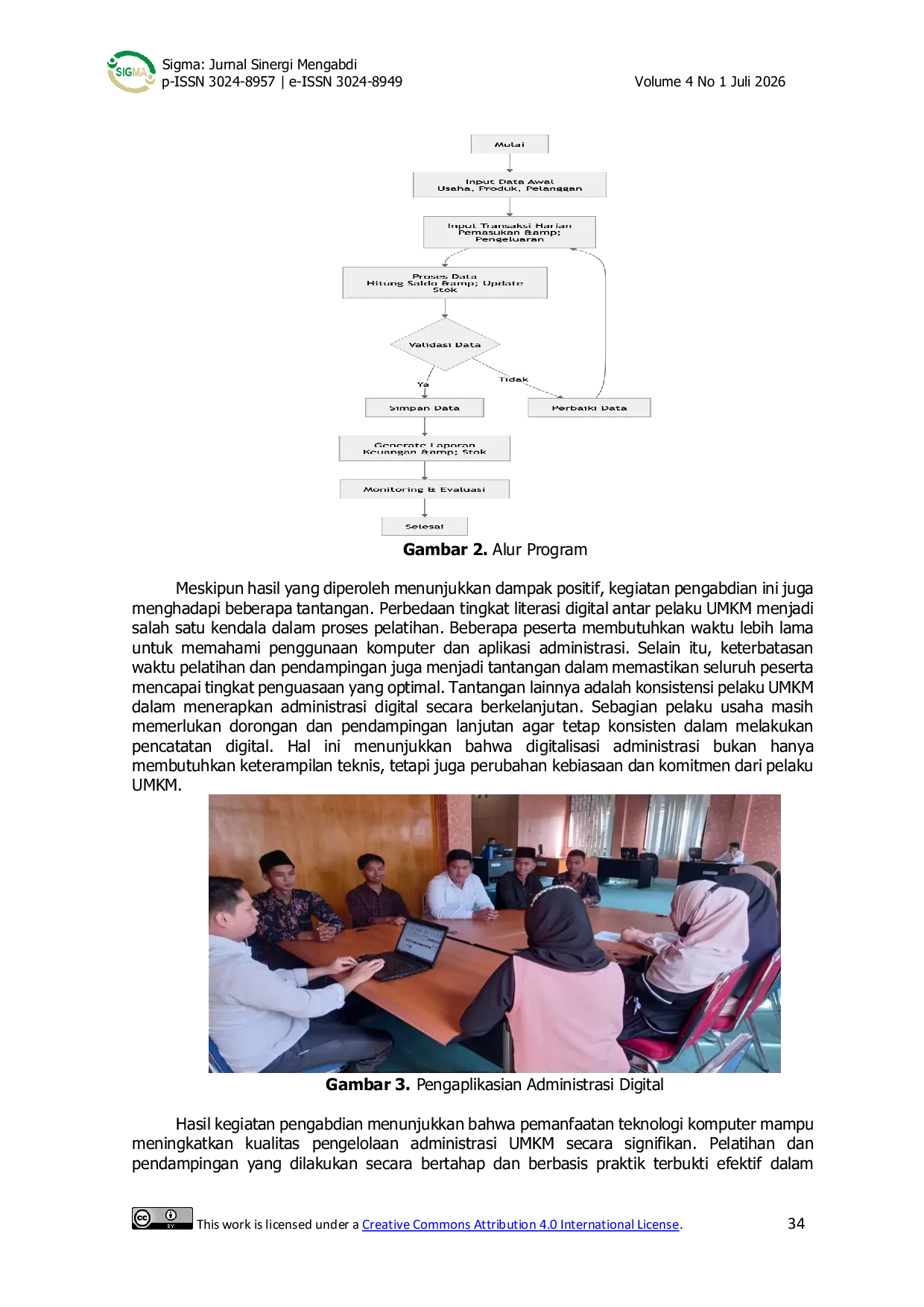
INSTITUTHIDAYATULLAHBATAMINSTITUTHIDAYATULLAHBATAM Digitalisasi administrasi yang diterapkan membantu pelaku UMKM dalam memantau kondisi keuangan usaha secara lebih akurat, meningkatkan efisiensi pengelolaanDigitalisasi administrasi yang diterapkan membantu pelaku UMKM dalam memantau kondisi keuangan usaha secara lebih akurat, meningkatkan efisiensi pengelolaan

E GREENATIONE GREENATION Dalam hal ini, penelitian ini memperluas dukungan untuk Teori Determinasi Diri dalam konteks manufaktur, serta memberikan arahan praktis untuk meningkatkanDalam hal ini, penelitian ini memperluas dukungan untuk Teori Determinasi Diri dalam konteks manufaktur, serta memberikan arahan praktis untuk meningkatkan

OJS INDONESIAOJS INDONESIA Namun yang terjadi, masih ada guru-guru yang belum sepenuhnya menunjukkan kemampuan maksimal dalam merancang dan melaksanakan pembelajaran yang efektif.Namun yang terjadi, masih ada guru-guru yang belum sepenuhnya menunjukkan kemampuan maksimal dalam merancang dan melaksanakan pembelajaran yang efektif.

OJS INDONESIAOJS INDONESIA Metode yang digunakan adalah yuridis normatif dengan pendekatan perundang-undangan dan analisis literatur hukum primer serta sekunder. Hasil kajian menunjukkanMetode yang digunakan adalah yuridis normatif dengan pendekatan perundang-undangan dan analisis literatur hukum primer serta sekunder. Hasil kajian menunjukkan

OJS INDONESIAOJS INDONESIA Keterbatasan sumber daya dan resistensi budaya juga menjadi hambatan yang signifikan dalam mewujudkan pendidikan agama yang inklusif dan efektif. BerdasarkanKeterbatasan sumber daya dan resistensi budaya juga menjadi hambatan yang signifikan dalam mewujudkan pendidikan agama yang inklusif dan efektif. Berdasarkan

OJS INDONESIAOJS INDONESIA Dengan demikian, penyelenggara acara Huma Betang Night Palangka Raya perlu terus meningkatkan experiential marketing dan kualitas acara untuk meningkatkanDengan demikian, penyelenggara acara Huma Betang Night Palangka Raya perlu terus meningkatkan experiential marketing dan kualitas acara untuk meningkatkan

OJS INDONESIAOJS INDONESIA Kendala yang dihadapi antara lain keterbatasan infrastruktur, minimnya promosi, kurangnya keterlibatan masyarakat setempat, dan belum adanya pengelolaanKendala yang dihadapi antara lain keterbatasan infrastruktur, minimnya promosi, kurangnya keterlibatan masyarakat setempat, dan belum adanya pengelolaan

UNUDUNUD Modal sosial ini sebagai model dalam pencegahan radikalisme di Bali. Perkembangan radikalisme, terorisme, dan intoleransi di Indonesia telah menyebar keModal sosial ini sebagai model dalam pencegahan radikalisme di Bali. Perkembangan radikalisme, terorisme, dan intoleransi di Indonesia telah menyebar ke
Useful /

INSTITUTHIDAYATULLAHBATAMINSTITUTHIDAYATULLAHBATAM Kegiatan pengabdian ini bertujuan mengenalkan konsep dasar arsitektur kepada siswa SMA Negeri 10 Batang Hari guna menumbuhkan kesadaran visual sekaligusKegiatan pengabdian ini bertujuan mengenalkan konsep dasar arsitektur kepada siswa SMA Negeri 10 Batang Hari guna menumbuhkan kesadaran visual sekaligus

E GREENATIONE GREENATION Secara teoritis, penelitian ini memperluas Teori Pertukaran Sosial dan Teori Modal Manusia dengan menunjukkan bahwa dukungan kepemimpinan dan kesempatanSecara teoritis, penelitian ini memperluas Teori Pertukaran Sosial dan Teori Modal Manusia dengan menunjukkan bahwa dukungan kepemimpinan dan kesempatan

USMUSM Dalam 13 tahun penerapan, 371 kasus pelanggaran menunjukkan penindasan terhadap aktivis, jurnalis, dan masyarakat sipil. Rekomendasi mencakup perubahanDalam 13 tahun penerapan, 371 kasus pelanggaran menunjukkan penindasan terhadap aktivis, jurnalis, dan masyarakat sipil. Rekomendasi mencakup perubahan

UNUDUNUD Posisi double burden yang telah mereka lakoni selama ini semakin diperparah oleh hadirnya pandemi Covid-19. Tulisan ini menganalisis kondisi perempuanPosisi double burden yang telah mereka lakoni selama ini semakin diperparah oleh hadirnya pandemi Covid-19. Tulisan ini menganalisis kondisi perempuan