UMUM
Jurnal Sains PsikologiJurnal Sains PsikologiDigital technology is changing the educational landscape, requiring teachers to adapt to the changes. Integration of digital technology into the classroom requires teachers to master technology while handling various digital accesses. Teachers emotions are an important aspect that requires readiness to handle stress and adapt to the 21st-century learning environment. This research aims to conduct a confirmatory factor analysis to measure the scale of teachers emotions in digital technology classrooms. The research design used was a cross-sectional survey. The respondents were teachers of the Guidance and Counseling Study Program who were members of the in-service teacher education program at Universitas PGRI Adi Buana Surabaya for the 2023–2024 Academic Year, totaling 66 people with an average work period of five years. The research instrument used a scale of teacher emotions in the digital technology classroom consisting of 28 items with loading factor values between .598 and .846. Data analysis used CFA. The findings showed goodness of fit between the RMSEA, CMIN/DF, TLI, and CFI indices because they met four suitability criteria. The research contributes to developing a valid scale of teacher emotionality in technology classrooms. The implications of the research are to provide practical solutions for educational institutions and policymakers to better support teachers in navigating the emotional landscape in technology classrooms. At the same time, the limitations of the research lie in the small sample size and limited focus.
This research demonstrates the validity of the Teacher Emotions in Digital Technology Classes scale for measuring teacher emotions in technology-based learning.The findings highlight the significance of both positive and negative emotions in teachers engagement with digital tools and their impact on the learning environment.Future research should explore these emotional dynamics longitudinally to gain a more comprehensive understanding of their role in education.
Berdasarkan hasil penelitian ini, beberapa saran penelitian lanjutan dapat diajukan. Pertama, penelitian lebih lanjut perlu dilakukan dengan melibatkan sampel yang lebih besar dan beragam untuk meningkatkan generalisasi temuan. Kedua, studi longitudinal dapat dilakukan untuk menelusuri perkembangan emosi guru seiring waktu saat mereka mengintegrasikan teknologi ke dalam praktik pengajaran mereka. Ketiga, penelitian kualitatif dapat digunakan untuk menggali lebih dalam pengalaman emosional guru dalam kelas teknologi digital, termasuk strategi koping yang mereka gunakan untuk mengatasi stres dan tantangan. Penelitian-penelitian ini akan memberikan pemahaman yang lebih komprehensif tentang peran emosi guru dalam pembelajaran berbasis teknologi dan dapat menginformasikan pengembangan program pelatihan dan dukungan yang lebih efektif bagi guru.
- Impact of Teachers' Emotional Intelligence in Large Classes | Journal of Business and Social Review... publishing.globalcsrc.org/ojs/index.php/jbsee/article/view/2687Impact of Teachers Emotional Intelligence in Large Classes Journal of Business and Social Review publishing globalcsrc ojs index php jbsee article view 2687
- An appraisalâbased examination of language teacher emotions in anxietyâprovoking... doi.org/10.1111/modl.12832An appraisalyAAAabased examination of language teacher emotions in anxietyyAAAaprovoking doi 10 1111 modl 12832
| File size | 602.58 KB |
| Pages | 12 |
| DMCA | Report |
Related /

UMLUML Implikasi temuan menunjukkan perlunya item misfit dan item multidimensi, renorming berdasarkan latent class, serta replikasi penelitian dengan partisipanImplikasi temuan menunjukkan perlunya item misfit dan item multidimensi, renorming berdasarkan latent class, serta replikasi penelitian dengan partisipan

UIN WALISONGOUIN WALISONGO Temuan menunjukkan bahwa model yang diajukan berhasil menangkap hubungan antara stres pengasuhan, resiliensi, religiusitas, dan kompetensi emosional. StresTemuan menunjukkan bahwa model yang diajukan berhasil menangkap hubungan antara stres pengasuhan, resiliensi, religiusitas, dan kompetensi emosional. Stres

UM MetroUM Metro Data dikumpulkan melalui skala adiksi Instagram, FOMO, dan narsisme, kemudian dianalisis menggunakan regresi linear berganda. Hasil menunjukkan bahwa FOMOData dikumpulkan melalui skala adiksi Instagram, FOMO, dan narsisme, kemudian dianalisis menggunakan regresi linear berganda. Hasil menunjukkan bahwa FOMO

PUBLIKASIINDONESIAPUBLIKASIINDONESIA Analisis statistik menguatkan hipotesis alternatif (Ha) dengan nilai t hitung 3,214 > t tabel 2,045, sehingga dapat disimpulkan bahwa penerapan GBL KahootAnalisis statistik menguatkan hipotesis alternatif (Ha) dengan nilai t hitung 3,214 > t tabel 2,045, sehingga dapat disimpulkan bahwa penerapan GBL Kahoot

PUBLIKASIINDONESIAPUBLIKASIINDONESIA Temuan penelitian menunjukkan bahwa penggunaan media big book secara signifikan meningkatkan kemampuan membaca awal siswa kelas 1 SD. Analisis statistikTemuan penelitian menunjukkan bahwa penggunaan media big book secara signifikan meningkatkan kemampuan membaca awal siswa kelas 1 SD. Analisis statistik

PUBLIKASIINDONESIAPUBLIKASIINDONESIA M. Haulussy Ambon, pemahaman tentang faktor-faktor yang memengaruhi kepuasan pasien rawat inap sangat diperlukan untuk meningkatkan kualitas pelayanan.M. Haulussy Ambon, pemahaman tentang faktor-faktor yang memengaruhi kepuasan pasien rawat inap sangat diperlukan untuk meningkatkan kualitas pelayanan.
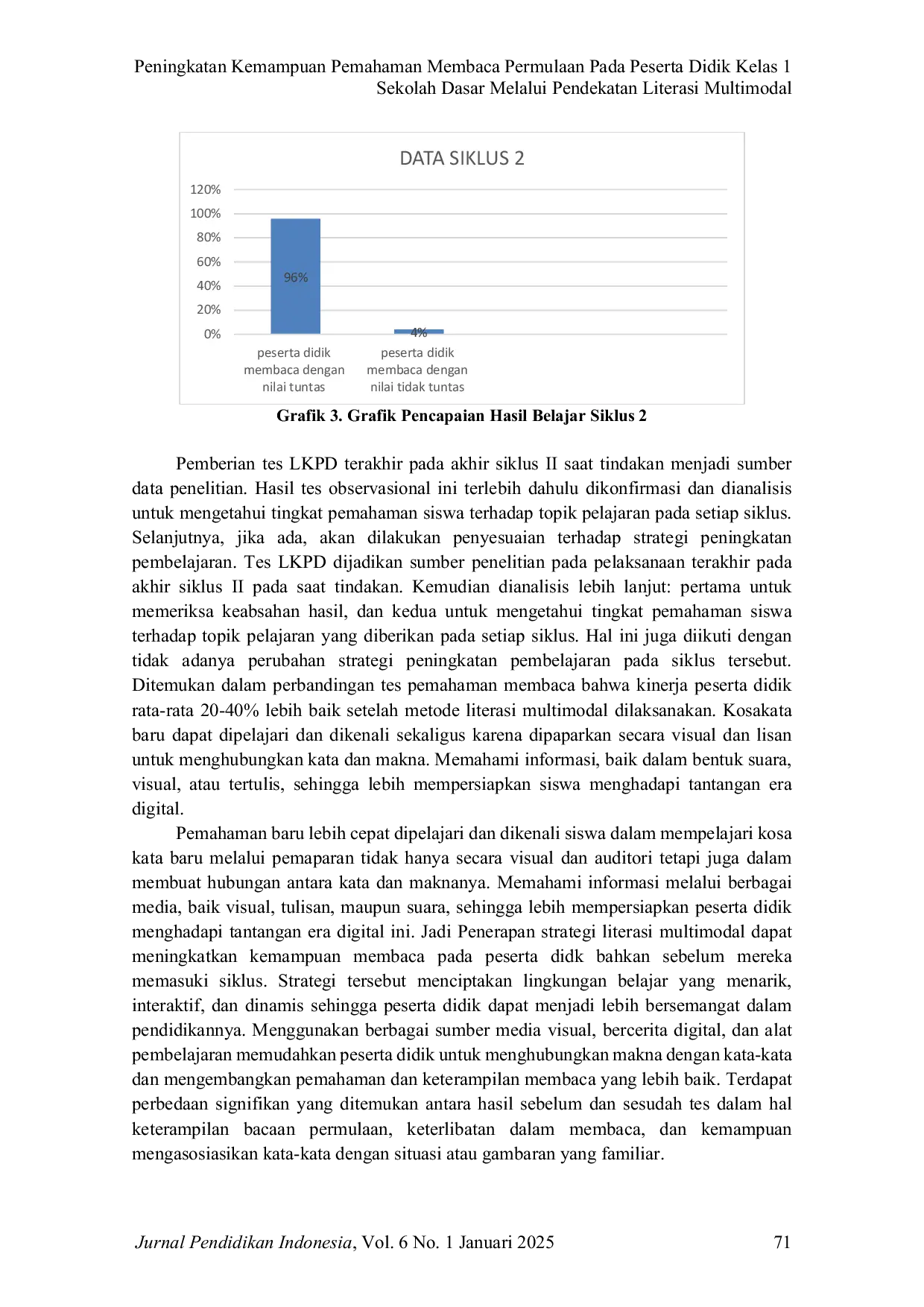
PUBLIKASIINDONESIAPUBLIKASIINDONESIA Penelitian ini menunjukkan bahwa penerapan literasi multimodal secara signifikan meningkatkan kemampuan pemahaman membaca permulaan siswa kelas 1 SD, denganPenelitian ini menunjukkan bahwa penerapan literasi multimodal secara signifikan meningkatkan kemampuan pemahaman membaca permulaan siswa kelas 1 SD, dengan

UNISTIUNISTI Berdasarkan hasil analisis, terdapat pengaruh signifikan antara kualitas pelayanan terhadap kepuasan konsumen dengan nilai t hitung sebesar 4,381, yangBerdasarkan hasil analisis, terdapat pengaruh signifikan antara kualitas pelayanan terhadap kepuasan konsumen dengan nilai t hitung sebesar 4,381, yang
Useful /
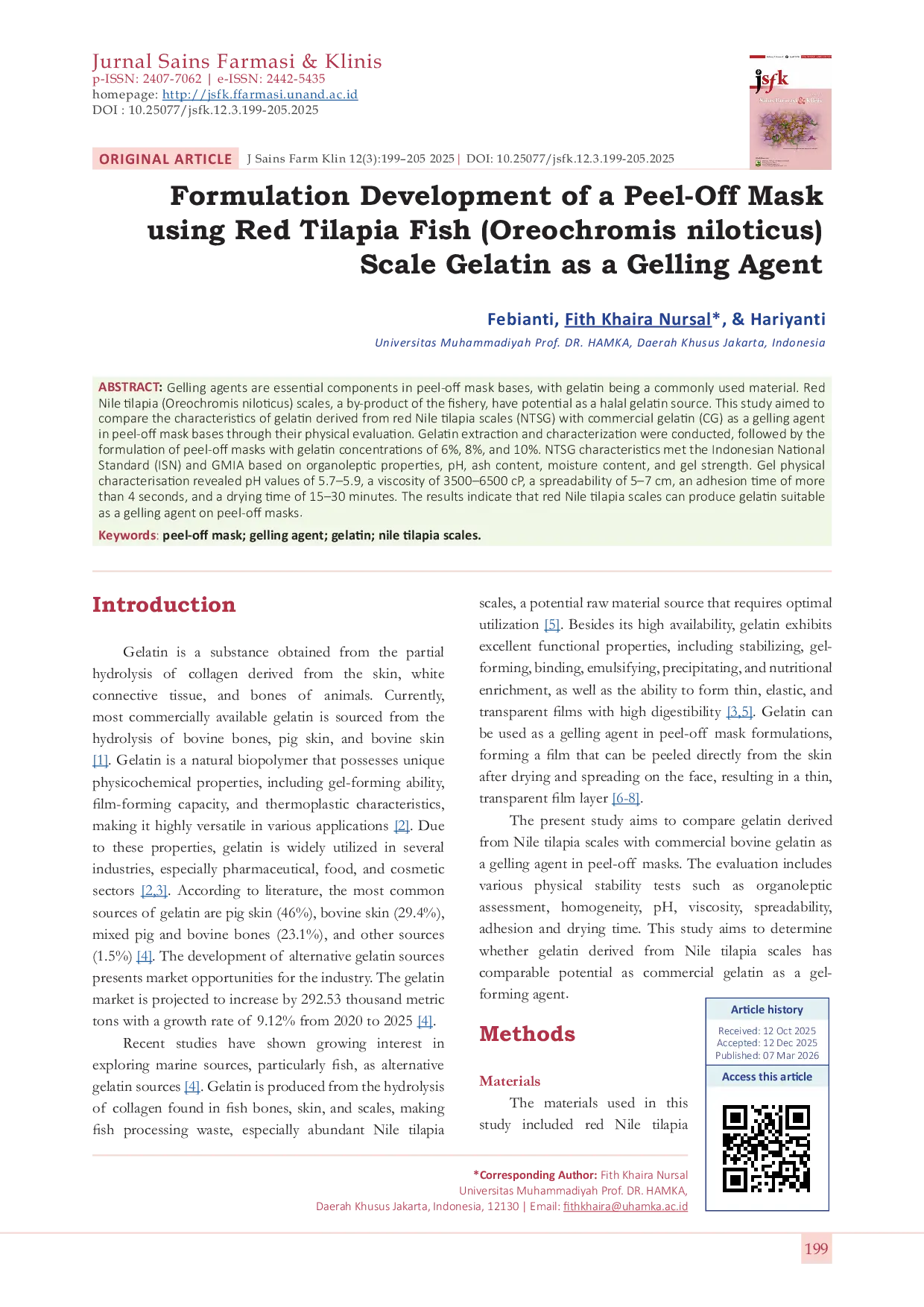
UNANDUNAND Penelitian ini bertujuan untuk membandingkan karakteristik gelatin yang diperoleh dari sisik ikan nila merah (NTSG) dengan gelatin komersial (CG) sebagaiPenelitian ini bertujuan untuk membandingkan karakteristik gelatin yang diperoleh dari sisik ikan nila merah (NTSG) dengan gelatin komersial (CG) sebagai

UNIGOUNIGO Sementara itu, FDI belum mampu memberikan partisipasi terhadap penyerapan pekerja karena sebagian besar investasi mengalir ke sektor teknologi dan industriSementara itu, FDI belum mampu memberikan partisipasi terhadap penyerapan pekerja karena sebagian besar investasi mengalir ke sektor teknologi dan industri

UMPWRUMPWR Perhitungan selisih volume untuk m1 =1 kg sebesar (5,15x10⁻⁴ ± 0,0024) m3, m2 =2 kg diperoleh (1,2 x 10⁻³ ± 0,0035) m3, dan benda m3 =5 kg (2,66 x 10⁻³Perhitungan selisih volume untuk m1 =1 kg sebesar (5,15x10⁻⁴ ± 0,0024) m3, m2 =2 kg diperoleh (1,2 x 10⁻³ ± 0,0035) m3, dan benda m3 =5 kg (2,66 x 10⁻³
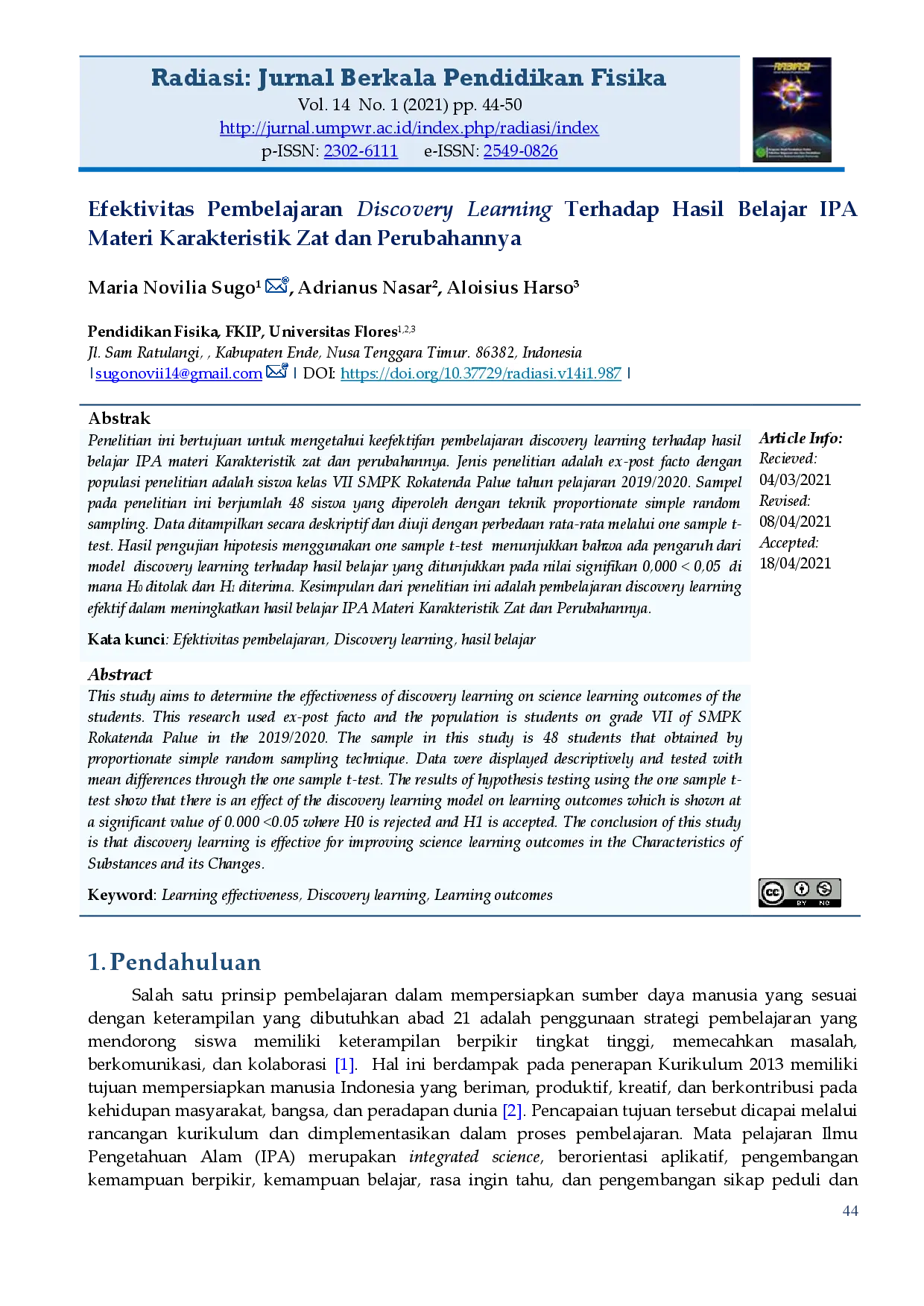
UMPWRUMPWR Penelitian ini bertujuan untuk mengetahui keefektifan pembelajaran discovery learning terhadap hasil belajar IPA materi Karakteristik zat dan perubahannya.Penelitian ini bertujuan untuk mengetahui keefektifan pembelajaran discovery learning terhadap hasil belajar IPA materi Karakteristik zat dan perubahannya.