ITSITS
(IJCSAM) International Journal of Computing Science and Applied Mathematics(IJCSAM) International Journal of Computing Science and Applied MathematicsThis study compares the performance of the GARCH(1,1), AGARCH(1,1), NAGARCH(1,1), and VGARCH(1,1) models fitted to real data. The observed real data are the USD exchange rate against IDR in the daily period from January 2010 to December 2017. To identify the superiority and evaluate the performance of those models in capturing the heavy-tailed and skewed character in exchange rate distribution, the return error is assumed to be the Normal, Skew Normal (SN), Skew Curved Normal (SCN), and Student-t distributions. The models parameters are estimated using the GRG Non-Linear method in Excel Solver and the ARWM method in the MCMC scheme implemented in the Scilab program. Estimation results using Excels Solver have similar values to the estimates obtained using MCMC, concluding that Excels Solver has a good ability in estimating the models parameters. Based on AIC values, this study concludes that the NAGARCH(1,1) model under Student-t distribution performs the best.
The study evaluated the performance of asymmetric GARCH models on USD/IDR exchange rate data from 2010 to 2017.The results indicated that Excels Solver is a viable estimation method, comparable to MCMC.Ultimately, the NAGARCH(1,1) model with a Student-t distribution demonstrated the best fit for capturing the volatility characteristics of the data.
Future research could explore the application of these GARCH models to other financial time series data, such as stock prices or commodity futures, to assess their generalizability. Furthermore, investigating the inclusion of exogenous variables, like macroeconomic indicators or global market events, into the GARCH framework could enhance the models predictive power and provide a more comprehensive understanding of volatility dynamics. Finally, a comparative analysis of different MCMC algorithms and optimization techniques beyond those used in this study could lead to more efficient and accurate parameter estimation for these complex models, potentially revealing subtle differences in their performance and robustness.
| File size | 175.95 KB |
| Pages | 6 |
| DMCA | Report |
Related /

UBAYAUBAYA Managers and supervisors play a crucial role in guiding employees and ensuring the success of these initiatives, ultimately leading to improved performanceManagers and supervisors play a crucial role in guiding employees and ensuring the success of these initiatives, ultimately leading to improved performance
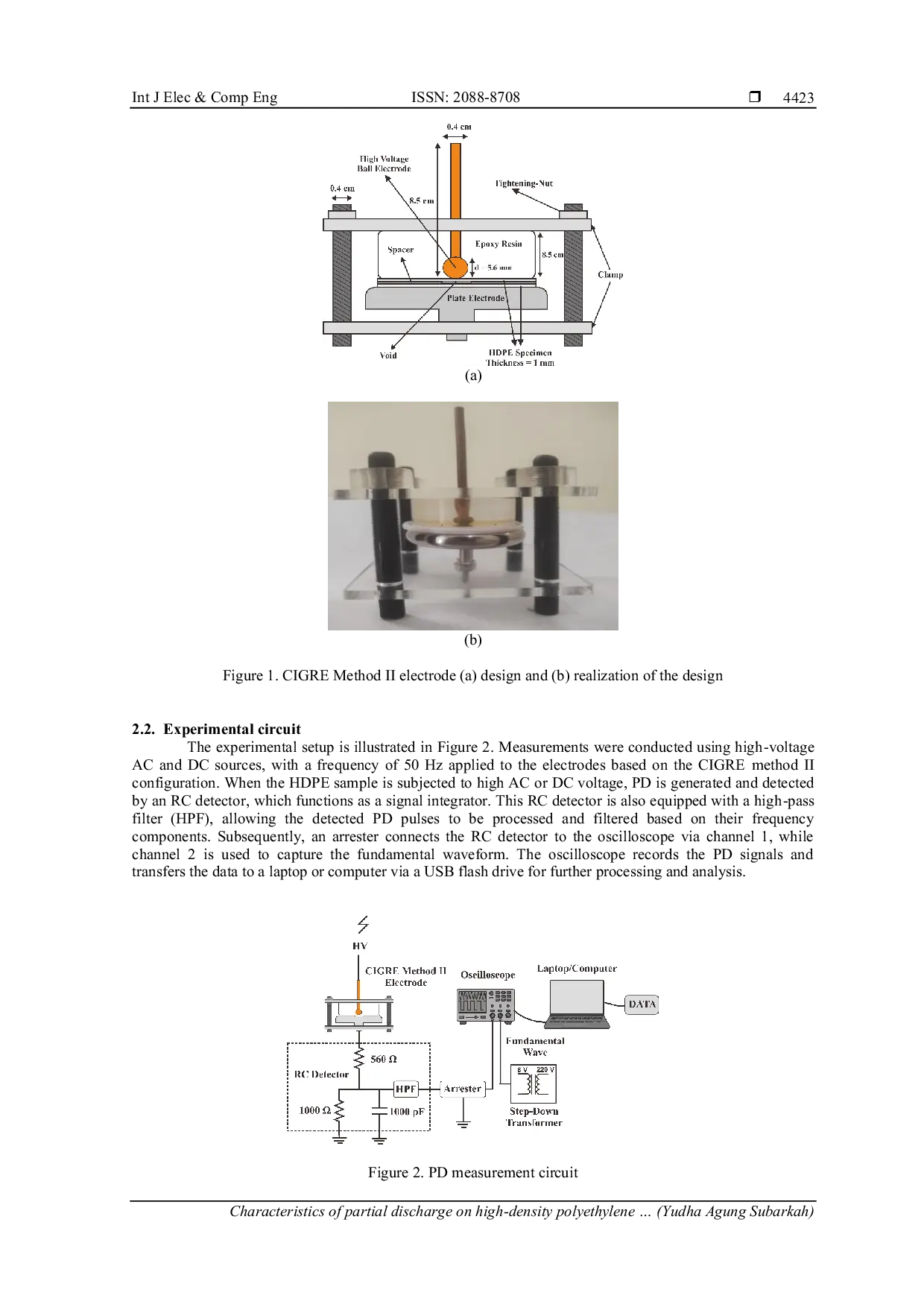
IAESCOREIAESCORE Specifically, the PD inception voltage (Vin) is higher under DC conditions (15. 5 kV) than under AC conditions (11. 8 kV), and the PD inception time (Tin)Specifically, the PD inception voltage (Vin) is higher under DC conditions (15. 5 kV) than under AC conditions (11. 8 kV), and the PD inception time (Tin)

IAESCOREIAESCORE 89% across all test scenarios. Additionally, the UPQC successfully maintains a load bus voltage of 25 kV during single-phase-to-ground and unbalanced three-phase-to-ground89% across all test scenarios. Additionally, the UPQC successfully maintains a load bus voltage of 25 kV during single-phase-to-ground and unbalanced three-phase-to-ground
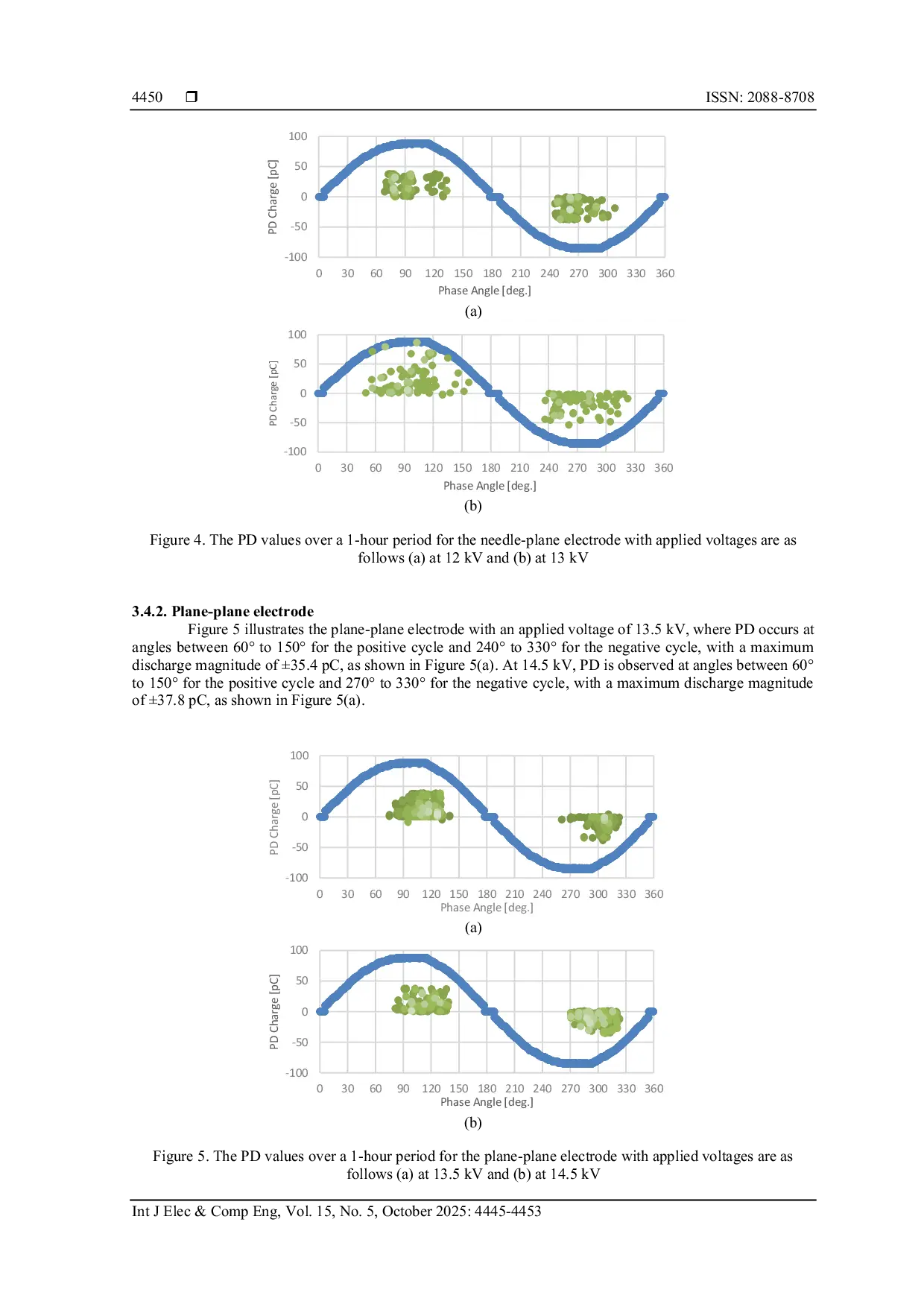
IAESCOREIAESCORE Isolasi diperlukan untuk memisahkan dua atau lebih konduktor aktif guna mencegah busur listrik antar keduanya. Pelepasan parsial (PD) adalah fenomena yangIsolasi diperlukan untuk memisahkan dua atau lebih konduktor aktif guna mencegah busur listrik antar keduanya. Pelepasan parsial (PD) adalah fenomena yang
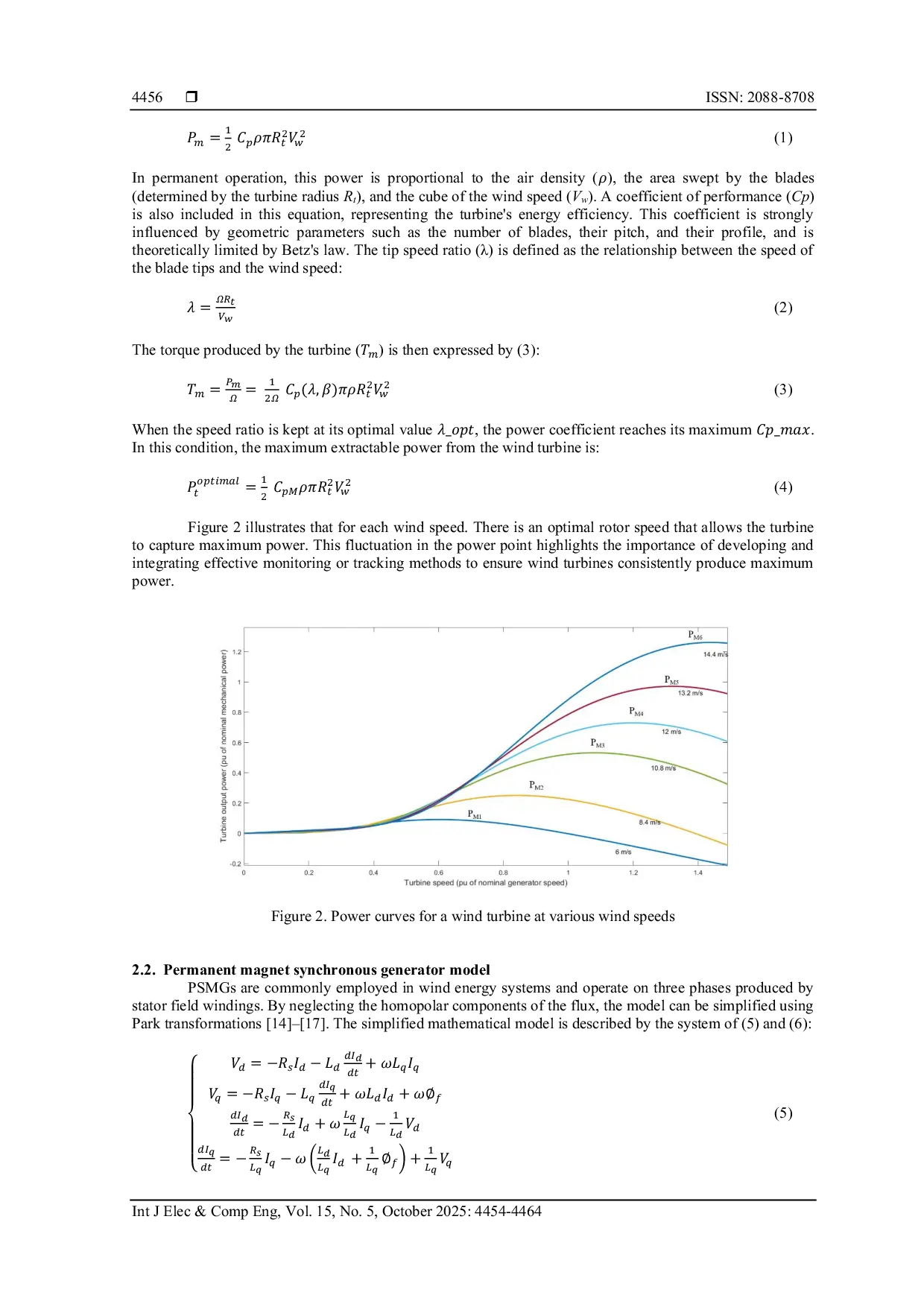
IAESCOREIAESCORE The results obtained show that our optimized deep neural network model identifies the point of maximum power more effectively than other techniques, demonstratingThe results obtained show that our optimized deep neural network model identifies the point of maximum power more effectively than other techniques, demonstrating
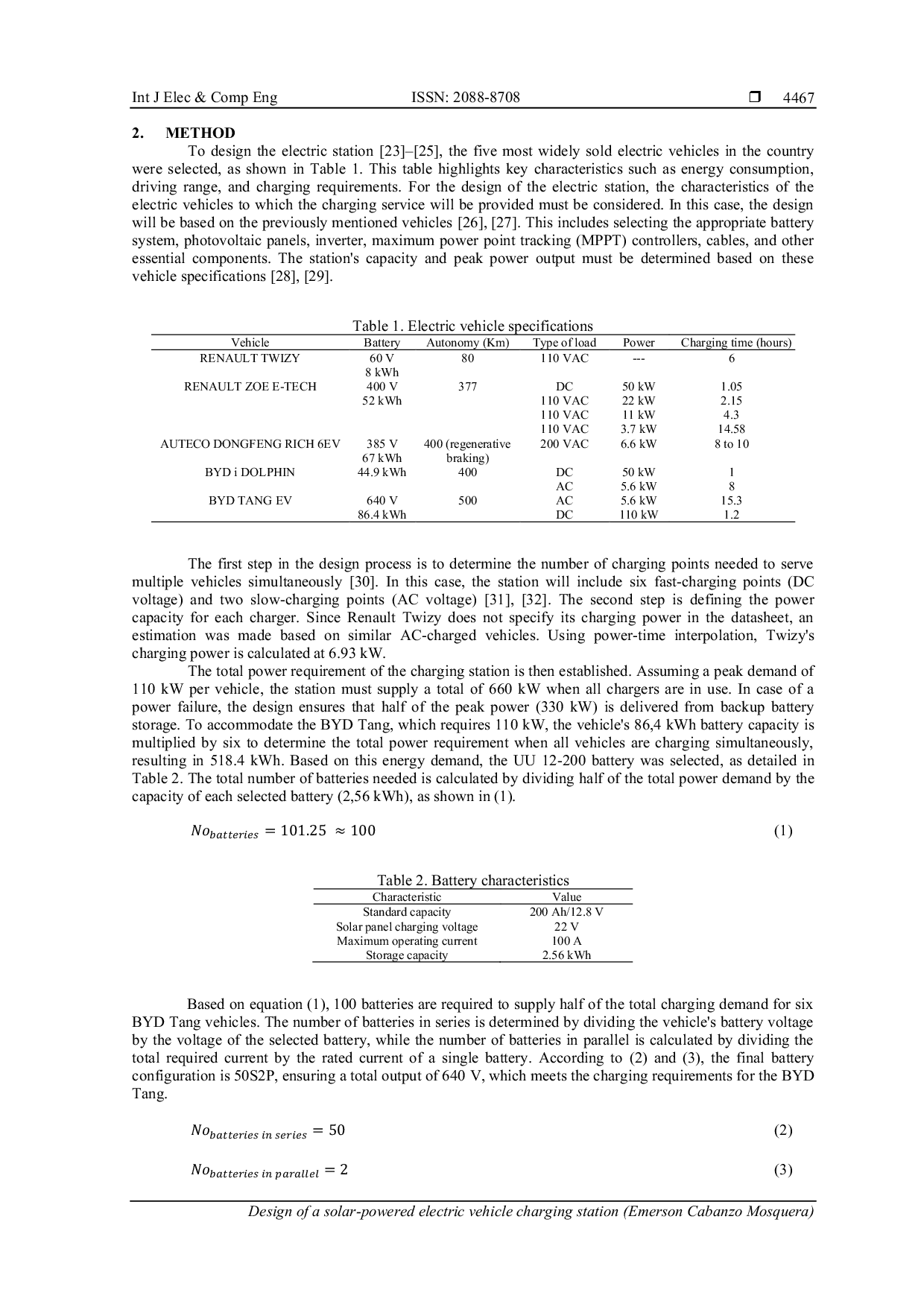
IAESCOREIAESCORE AC charging, though slower, remains the primary method in Colombia, while DC fast charging reduces charging time to under two hours, which is an importantAC charging, though slower, remains the primary method in Colombia, while DC fast charging reduces charging time to under two hours, which is an important

IAESCOREIAESCORE Efektivitas sistem yang diusulkan telah dikonfirmasi dengan membandingkan hasilnya dengan teknik yang sudah diterbitkan. Kinerja DVR, UPFC, dan UPQC telahEfektivitas sistem yang diusulkan telah dikonfirmasi dengan membandingkan hasilnya dengan teknik yang sudah diterbitkan. Kinerja DVR, UPFC, dan UPQC telah
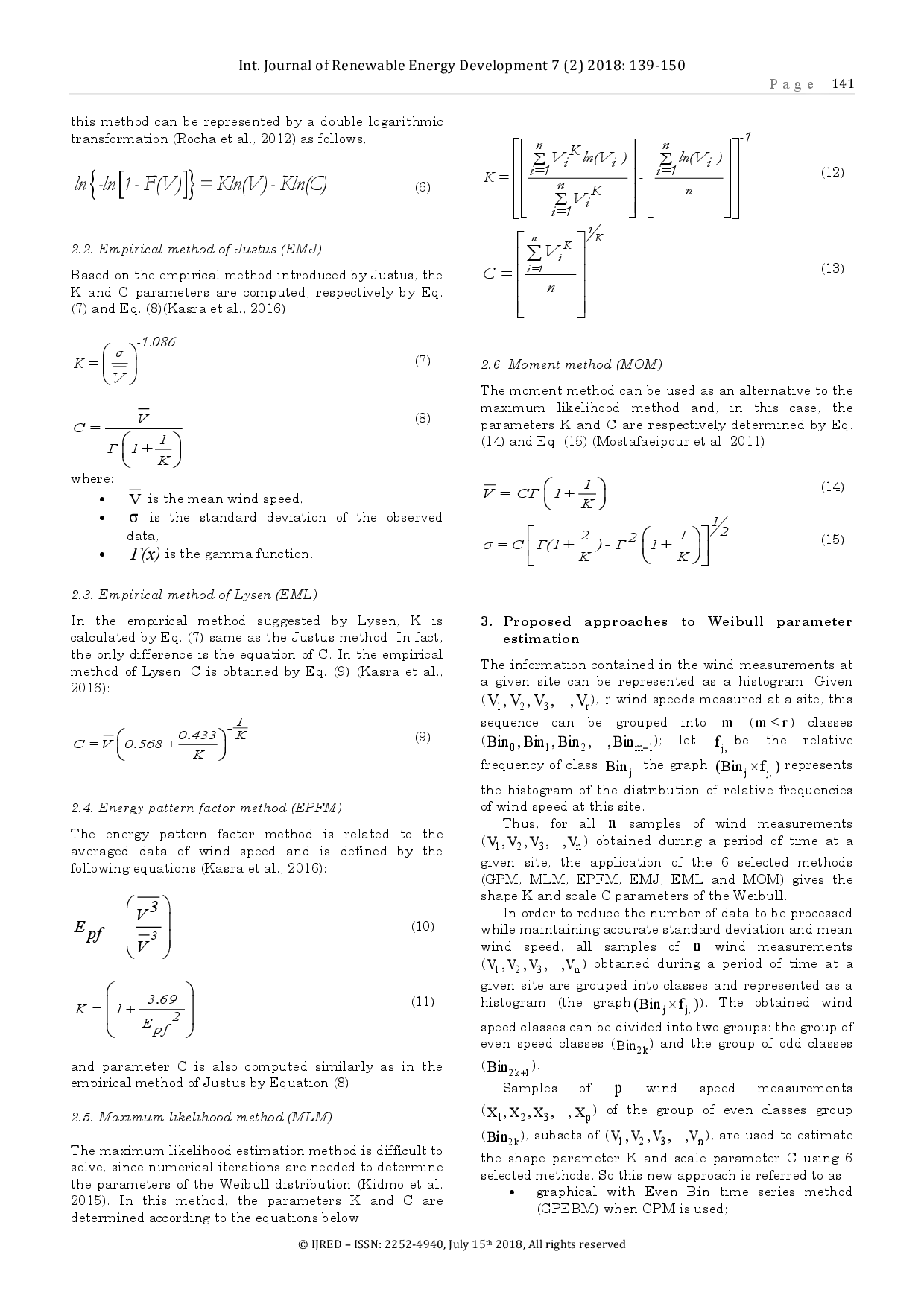
CBIORECBIORE Studi ini juga menemukan hubungan linier antara parameter Weibull K dan C yang diperkirakan oleh MLM, EPFM, EMJ, EML, dan MOM menggunakan kelas ganjilStudi ini juga menemukan hubungan linier antara parameter Weibull K dan C yang diperkirakan oleh MLM, EPFM, EMJ, EML, dan MOM menggunakan kelas ganjil
Useful /
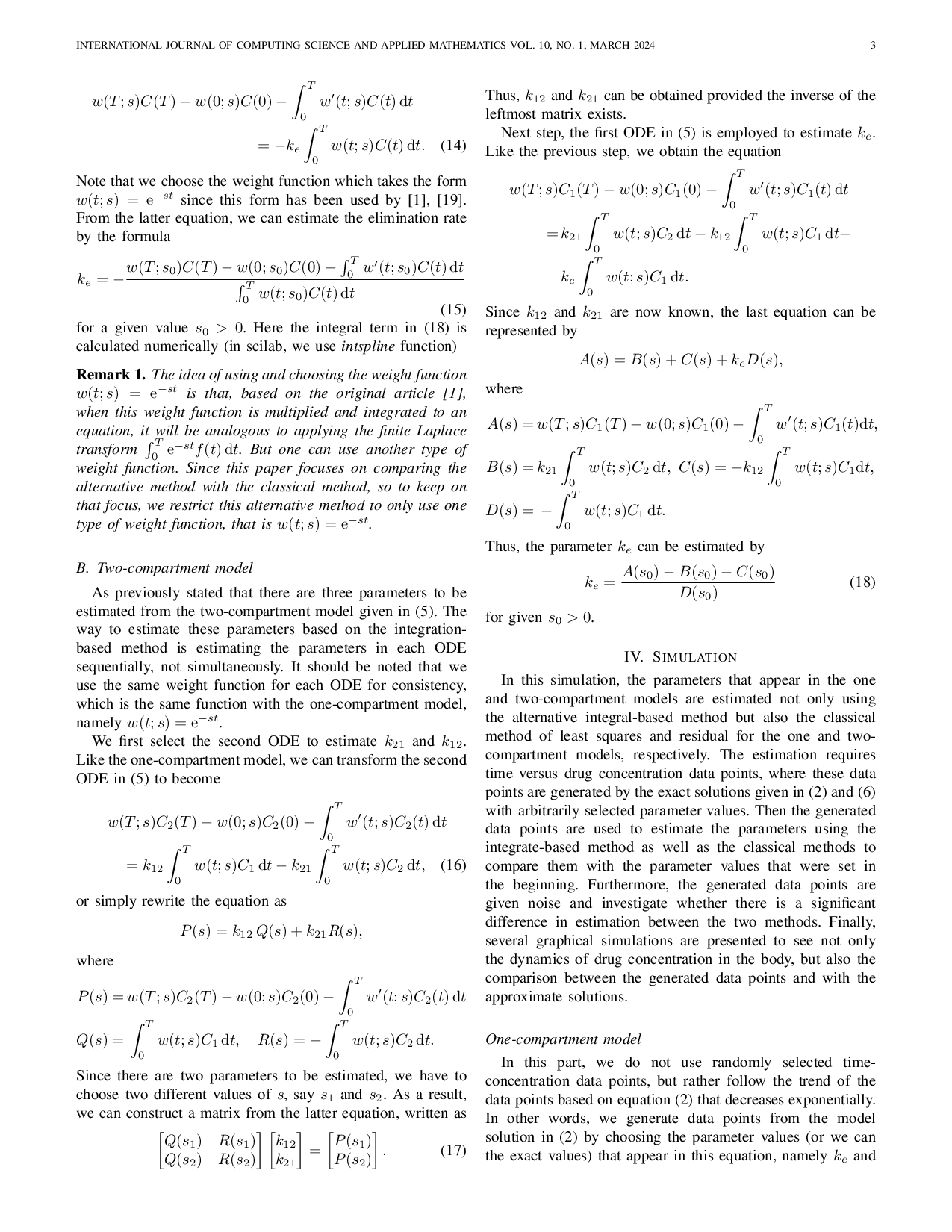
ITSITS The estimation results are then compared with the classical method, the least squares method for the one-compartment model, and the residual method forThe estimation results are then compared with the classical method, the least squares method for the one-compartment model, and the residual method for
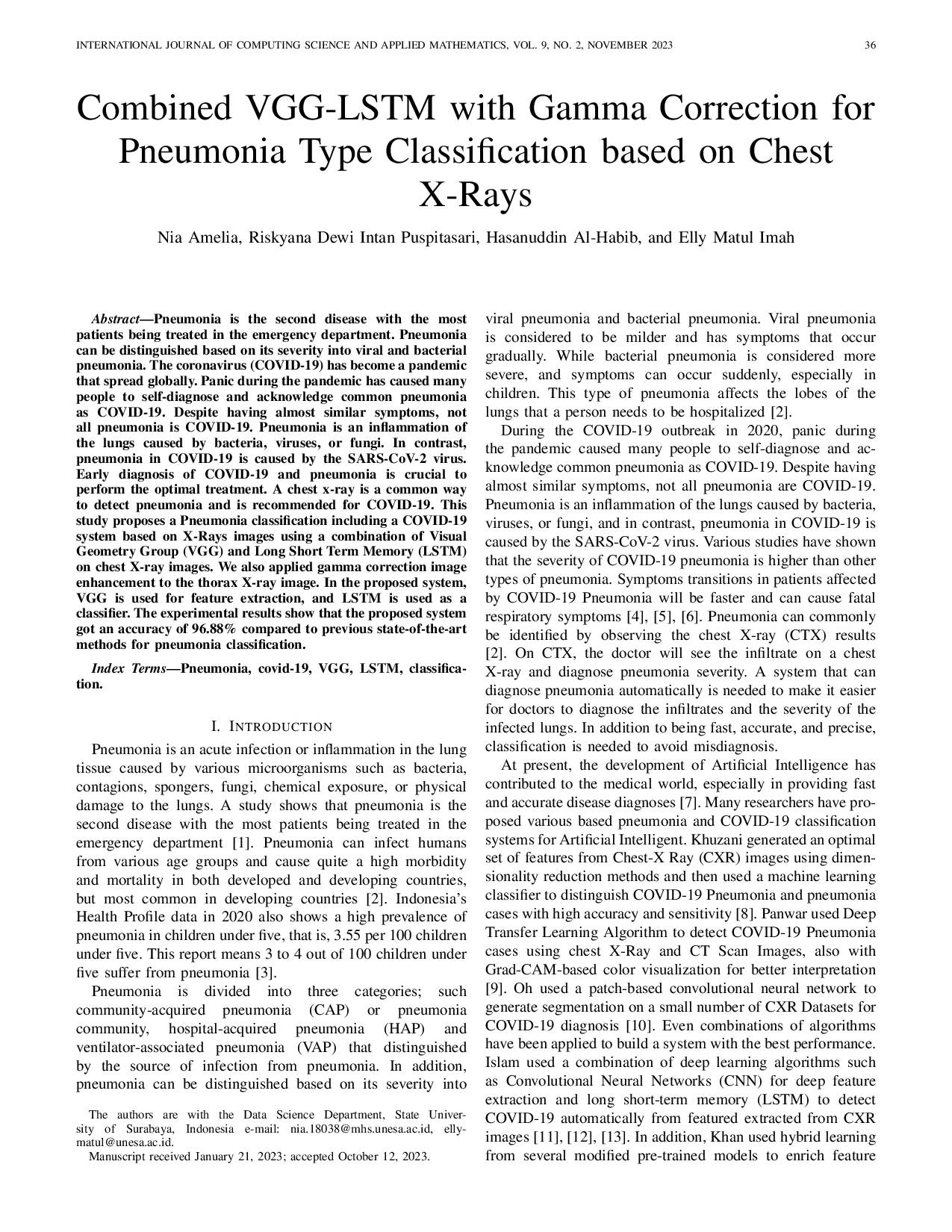
ITSITS Kombinasi Gamma Correction dan VGG-LSTM memberikan akurasi tertinggi, yaitu 96,88%, yang lebih baik dibandingkan tanpa penerapan Gamma Correction. TahapKombinasi Gamma Correction dan VGG-LSTM memberikan akurasi tertinggi, yaitu 96,88%, yang lebih baik dibandingkan tanpa penerapan Gamma Correction. Tahap

CBIORECBIORE Post acid pre-treatments, the changes in the biomasses and thermal degradation profile were studied through proximate, structure and ultimate analysisPost acid pre-treatments, the changes in the biomasses and thermal degradation profile were studied through proximate, structure and ultimate analysis
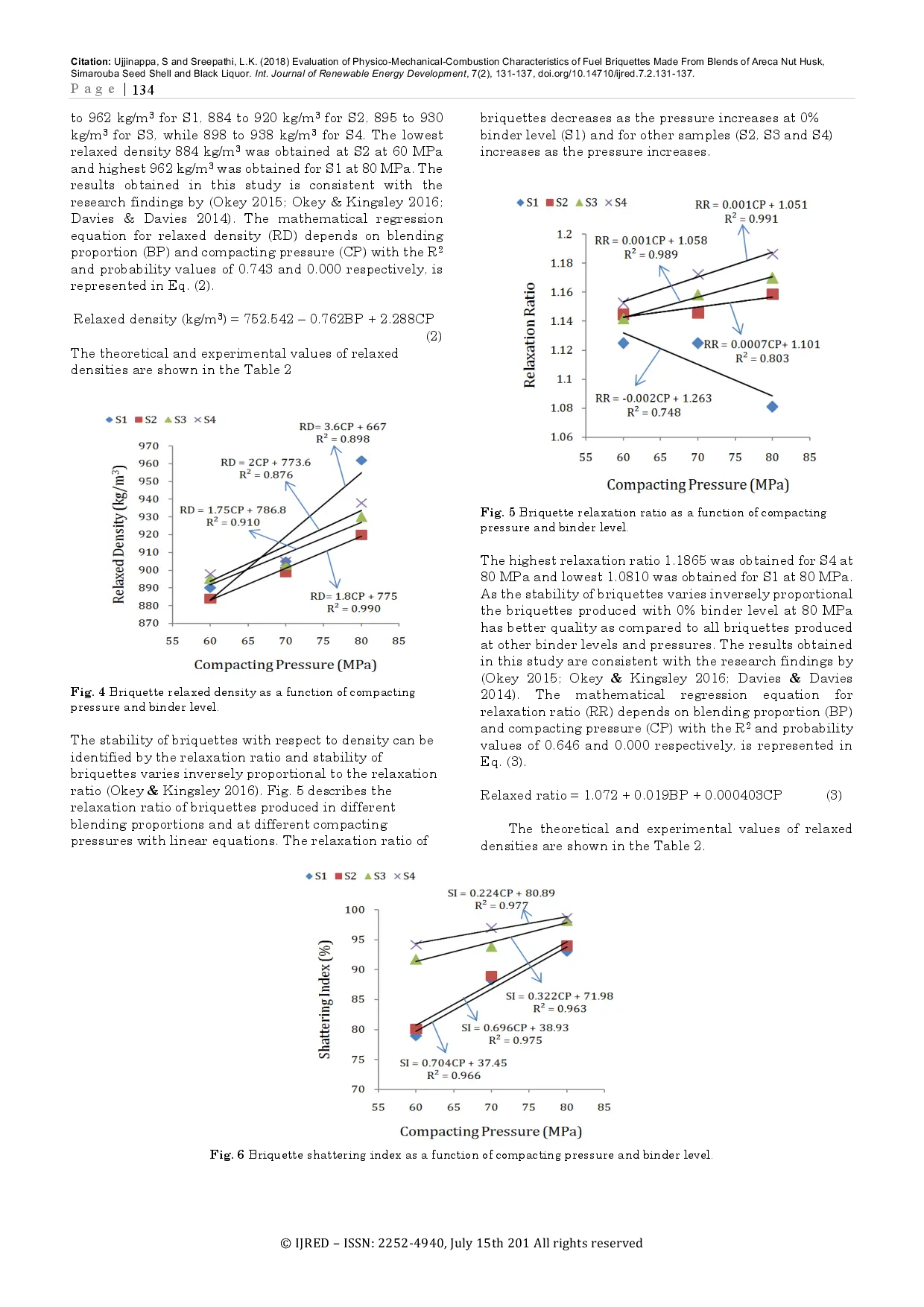
CBIORECBIORE Oleh karena itu, karakteristik pembakaran seperti analisis proksimat, analisis akhir, nilai kalori diperkirakan untuk briket yang diproduksi dengan proporsiOleh karena itu, karakteristik pembakaran seperti analisis proksimat, analisis akhir, nilai kalori diperkirakan untuk briket yang diproduksi dengan proporsi