UNISMAUNISMA
Informatics, Electrical and Electronics Engineering (Infotron)Informatics, Electrical and Electronics Engineering (Infotron)This research designs and implements a Maximum Power Point Tracking (MPPT) system based on genetic algorithm (GA) on buck-boost converter using Arduino microcontroller to increase energy conversion efficiency on PV system. The GA algorithm is used to adjust the PWM duty cycle to achieve the maximum power point (MPP) optimally. Tests were conducted to analyze the performance of the GA compared to the Perturb and Observe (P&O) algorithm and the system without MPPT. The results show that the GA is able to achieve a maximum power of 26.16 W, higher than the P&O algorithm (23.77 W) and the system without MPPT (1.59 W). The GA also reaches MPP faster, maintains output stability, and reduces power fluctuations. Voltage and current sensor testing showed high accuracy with Mean Absolute Percentage Error (MAPE) of 0.291% and 0.206%, respectively. The system was shown to improve energy conversion efficiency under various lighting and load conditions dynamically. With these results, the genetic algorithm proved to be more effective in optimizing the output power of solar panels than conventional methods.
Based on the design, testing, results, and analysis conducted in this study, it can be concluded that the solar panel system with MPPT using genetic algorithms demonstrates good performance.The test results show that the mean absolute percentage error (MAPE) for the input sensor is below 5%.Furthermore, the buck-boost converter output voltage increases with load time and input voltage, indicating the systems ability to optimize power regulation and improve energy conversion efficiency.The MPPT algorithm significantly increases the output power of solar panels compared to a system without it, achieving a peak power of 26.16 W with the genetic algorithm, surpassing the 23.77 W of the P&O algorithm and the 1.
Penelitian lebih lanjut dapat dilakukan untuk mengeksplorasi penerapan algoritma genetika dalam sistem MPPT dengan mempertimbangkan berbagai jenis panel surya dan kondisi lingkungan yang lebih kompleks. Selain itu, studi komparatif yang lebih mendalam dapat dilakukan untuk membandingkan kinerja algoritma genetika dengan algoritma optimasi lainnya, seperti algoritma swarm partikel atau algoritma cuckoo search, dalam berbagai skenario operasional. Sebagai langkah pengembangan, penelitian dapat difokuskan pada integrasi sistem MPPT berbasis algoritma genetika dengan sistem penyimpanan energi baterai untuk meningkatkan keandalan dan efisiensi sistem tenaga surya secara keseluruhan. Penelitian ini dapat mencakup pengembangan strategi kontrol yang cerdas untuk mengelola aliran energi antara panel surya, baterai, dan beban, serta optimasi ukuran baterai untuk memenuhi kebutuhan energi yang bervariasi. Dengan mempertimbangkan faktor-faktor ini, penelitian lanjutan dapat memberikan kontribusi signifikan dalam pengembangan sistem tenaga surya yang lebih efisien, andal, dan berkelanjutan.
| File size | 1.25 MB |
| Pages | 11 |
| DMCA | Report |
Related /
HARAPANHARAPAN Tegangan yang diperlukan dan daya yang dikonsumsi oleh masing-masing servo tercatat dalam rentang yang serupa, yaitu antara 1,29 W hingga 1,51 W. HasilTegangan yang diperlukan dan daya yang dikonsumsi oleh masing-masing servo tercatat dalam rentang yang serupa, yaitu antara 1,29 W hingga 1,51 W. Hasil

SARI MUTIARASARI MUTIARA Deli Serdang. Sasaran dalam kegiatan ini adalah remaja putri yang berada di wilayah PMB Ronni Naudur Siregar. Datanya didapatkan dari buku kunjungan pemeriksaanDeli Serdang. Sasaran dalam kegiatan ini adalah remaja putri yang berada di wilayah PMB Ronni Naudur Siregar. Datanya didapatkan dari buku kunjungan pemeriksaan

SARI MUTIARASARI MUTIARA 82 Tahun 2015. Kegiatan sosialisasi anti-perundungan melalui Program Roots Day yang dilaksanakan di SMK Negeri 1 Sidikalang menunjukkan bahwa pendekatan82 Tahun 2015. Kegiatan sosialisasi anti-perundungan melalui Program Roots Day yang dilaksanakan di SMK Negeri 1 Sidikalang menunjukkan bahwa pendekatan

SARI MUTIARASARI MUTIARA Teknologi ini terbukti efektif secara visual dalam menjernihkan air, menghilangkan bau logam, dan mudah diaplikasikan menggunakan bahan-bahan lokal yangTeknologi ini terbukti efektif secara visual dalam menjernihkan air, menghilangkan bau logam, dan mudah diaplikasikan menggunakan bahan-bahan lokal yang

SARI MUTIARASARI MUTIARA Kegiatan pengabdian ini bertujuan untuk menumbuhkan rasa kepedulian dan tanggung jawab sosial kepada masyarakat lingkungan sekitar kita. Kegiatan pengabdianKegiatan pengabdian ini bertujuan untuk menumbuhkan rasa kepedulian dan tanggung jawab sosial kepada masyarakat lingkungan sekitar kita. Kegiatan pengabdian
SARI MUTIARASARI MUTIARA Kegiatan pelatihan public speaking bagi siswa SMK Negeri 1 Pantai Labu memberikan hasil yang positif dalam meningkatkan keterampilan komunikasi lisan siswa.Kegiatan pelatihan public speaking bagi siswa SMK Negeri 1 Pantai Labu memberikan hasil yang positif dalam meningkatkan keterampilan komunikasi lisan siswa.
SARI MUTIARASARI MUTIARA Disisi lain semakin banyak tamatan SMK yang tidak dapat bekerja tenaga dengan memanfaatkan kreatifitas. Sebagai pengajar, kami para dosen ingin mengedukasiDisisi lain semakin banyak tamatan SMK yang tidak dapat bekerja tenaga dengan memanfaatkan kreatifitas. Sebagai pengajar, kami para dosen ingin mengedukasi
SARI MUTIARASARI MUTIARA Edukasi pola makan sehat untuk lansia dalam pencegahan konstipasi menekankan pentingnya asupan serat dan cairan yang cukup, aktivitas fisik yang teratur.Edukasi pola makan sehat untuk lansia dalam pencegahan konstipasi menekankan pentingnya asupan serat dan cairan yang cukup, aktivitas fisik yang teratur.
Useful /
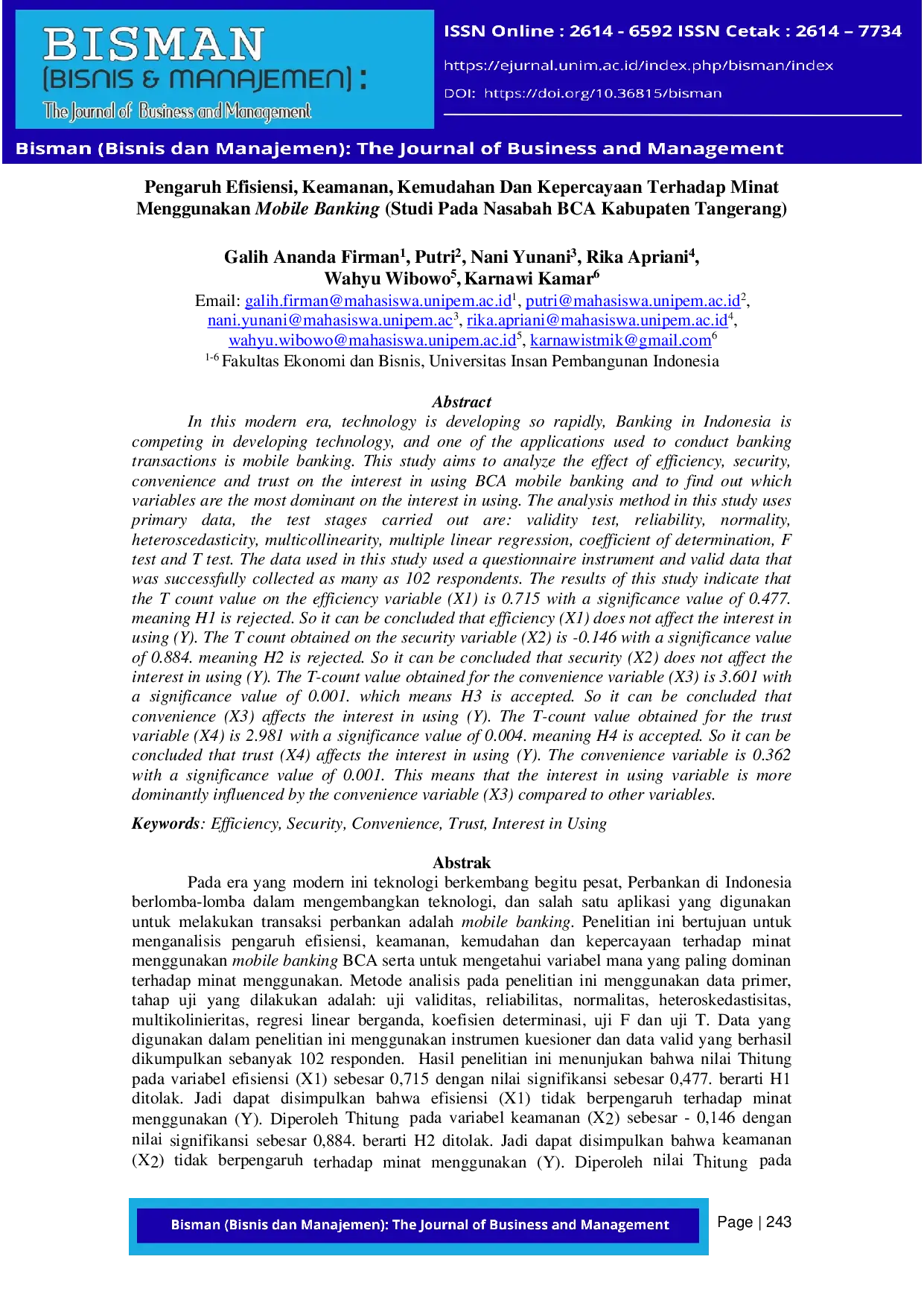
UNIMUNIM Data yang digunakan dalam penelitian ini menggunakan instrumen kuesioner dan data valid yang berhasil dikumpulkan sebanyak 102 responden. Hasil penelitianData yang digunakan dalam penelitian ini menggunakan instrumen kuesioner dan data valid yang berhasil dikumpulkan sebanyak 102 responden. Hasil penelitian

SARI MUTIARASARI MUTIARA Pelatihan dilaksanakan pada siswa kelas XI Rekayasa Perangkat Lunak (RPL) SMKN 3 Medan dengan pendekatan praktik langsung (hands-on) selama satu hari penuh.Pelatihan dilaksanakan pada siswa kelas XI Rekayasa Perangkat Lunak (RPL) SMKN 3 Medan dengan pendekatan praktik langsung (hands-on) selama satu hari penuh.
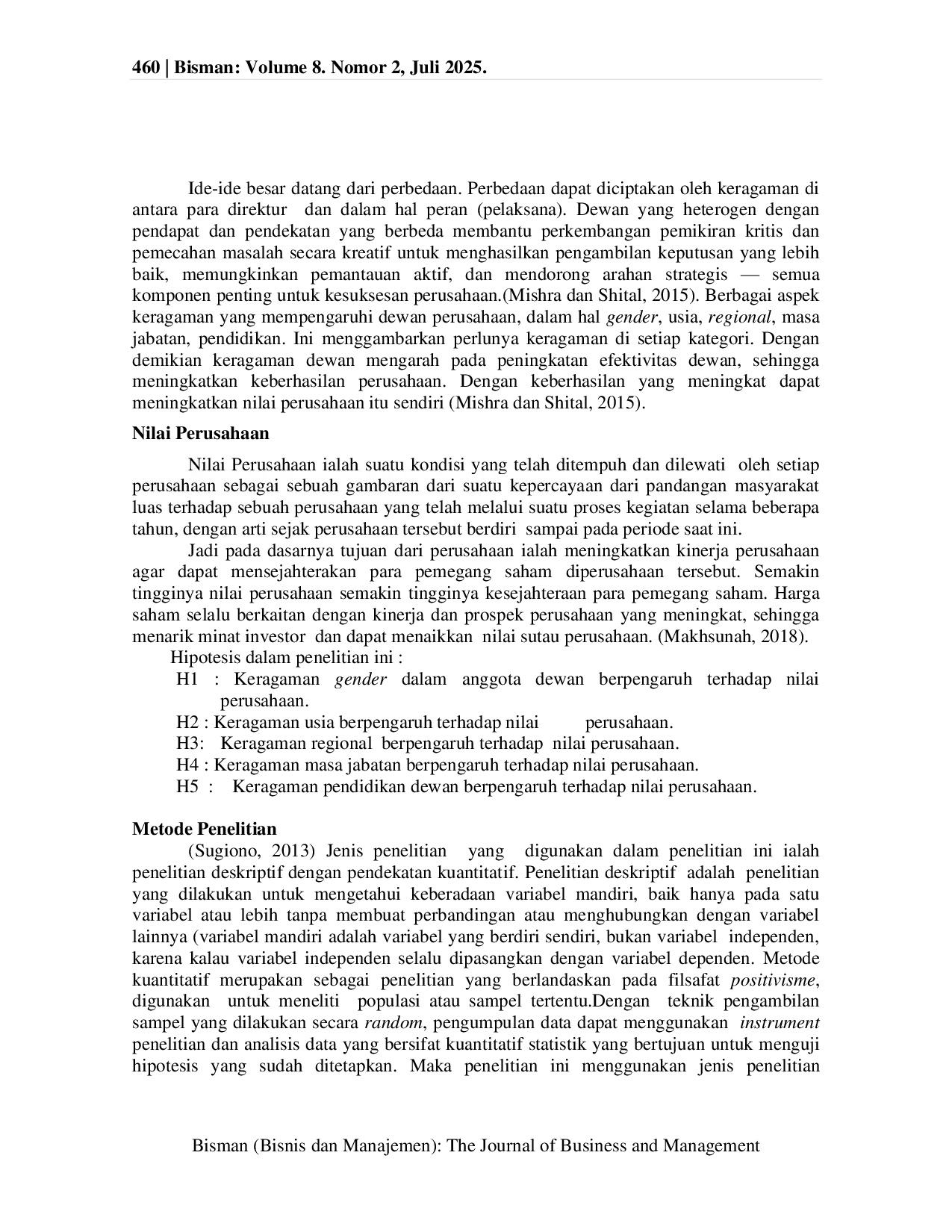
UNIMUNIM Penelitian ini bertujuan untuk mengetahui pengaruh gender; usia; regional; masa jabatan; pendidikan terhadap nilai perusahaan. Penelitian ini termasukPenelitian ini bertujuan untuk mengetahui pengaruh gender; usia; regional; masa jabatan; pendidikan terhadap nilai perusahaan. Penelitian ini termasuk

UNIMUNIM Cafe cepat saji saat ini sedang menjadi trend gaya hidup orang dewasa. Cafe cepat saji dianggap sebagai tempat makan yang dapat memberikan suasana santaiCafe cepat saji saat ini sedang menjadi trend gaya hidup orang dewasa. Cafe cepat saji dianggap sebagai tempat makan yang dapat memberikan suasana santai