UNIVET BANTARAUNIVET BANTARA
Agrisaintifika: Jurnal Ilmu-Ilmu PertanianAgrisaintifika: Jurnal Ilmu-Ilmu PertanianAgricultural and livestock wastes are widely available in clove-producing areas but remain underutilized as organic fertilizer inputs. This study aimed to evaluate the quality of compost produced from clove leaf litter, cattle manure, and agricultural residues based on physical and chemical characteristics. The experiment was arranged using a randomized block design with nine treatment combinations and three replications. Compost quality parameters analyzed included organic carbon content, total nitrogen, and C/N ratio. Data were subjected to analysis of variance followed by Duncans Multiple Range Test at a 5% significance level. The results showed that variations in raw material proportions significantly affected all measured compost quality parameters. Compost formulations with balanced proportions of cattle manure, clove leaves, and agricultural residues resulted in lower C/N ratios, indicating improved compost maturity and stability compared to unbalanced material combinations. These findings demonstrate that locally available agricultural and livestock wastes can be effectively processed into high-quality compost, providing a practical approach to organic waste utilization and supporting environmentally friendly agricultural practices in clove-producing regions.
This study evaluated the quality of compost produced from clove leaf litter, cattle manure, and agricultural residues based on selected physical and chemical characteristics.The results showed that differences in raw material proportions significantly affected compost quality, particularly organic carbon content, total nitrogen, and C/N ratio.Compost 3 and Compost 4 were identified as the best treatments, producing compost with the lowest C/N ratios, indicating a higher degree of organic matter decomposition, improved compost maturity, and greater stability.
Penelitian lebih lanjut perlu dilakukan untuk menguji pengaruh kompos yang dihasilkan dari berbagai proporsi bahan baku terhadap pertumbuhan dan hasil tanaman cengkeh secara spesifik, termasuk evaluasi penyerapan nutrisi dan kualitas hasil panen. Selain itu, studi mengenai optimasi proses pengomposan, seperti penambahan agen mikrobia atau penggunaan teknik aerasi yang berbeda, dapat dilakukan untuk mempercepat proses dekomposisi dan meningkatkan kualitas kompos. Terakhir, penelitian mengenai dampak jangka panjang penggunaan kompos ini terhadap sifat fisik, kimia, dan biologi tanah di lahan cengkeh juga penting untuk dilakukan, guna memastikan keberlanjutan dan efektivitas penggunaan kompos sebagai sumber nutrisi tanaman dan pembenah tanah. Penelitian-penelitian ini diharapkan dapat memberikan informasi yang komprehensif mengenai potensi pemanfaatan limbah pertanian dan peternakan secara berkelanjutan untuk mendukung praktik pertanian ramah lingkungan dan meningkatkan produktivitas tanaman cengkeh.
| File size | 299.75 KB |
| Pages | 8 |
| DMCA | Report |
Related /

IDID Secara teknis, produksi rata-rata meningkat dari 320 kg menjadi 450 kg per siklus ( 40,6%) dengan tingkat kelangsungan hidup ≥80% dan perbaikan FCR,Secara teknis, produksi rata-rata meningkat dari 320 kg menjadi 450 kg per siklus ( 40,6%) dengan tingkat kelangsungan hidup ≥80% dan perbaikan FCR,
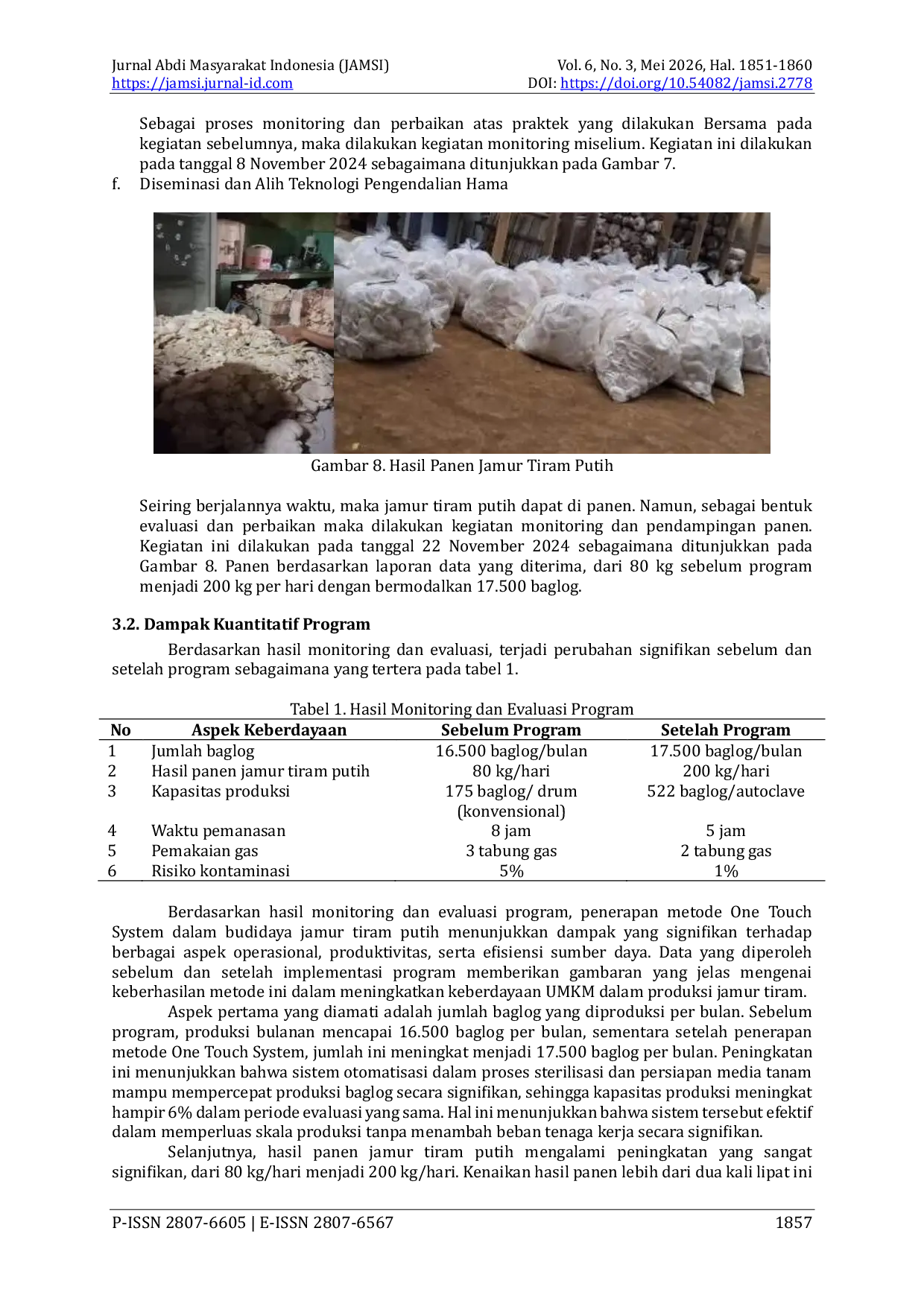
IDID Program Pengabdian Kepada Masyarakat yang dilaksanakan bersama Kelompok Primordia Berkah Mandiri Desa Brakas telah memberikan hasil yang signifikan terhadapProgram Pengabdian Kepada Masyarakat yang dilaksanakan bersama Kelompok Primordia Berkah Mandiri Desa Brakas telah memberikan hasil yang signifikan terhadap

POLANKAPOLANKA Populasi ibu degan Perilaku Hidup Bersih dan Sehat kategori kurang baik 25 (53,19%), cukup baik 7 (14,89%), dan baik 15 (31,91%). Selanjutnya data dianalisisPopulasi ibu degan Perilaku Hidup Bersih dan Sehat kategori kurang baik 25 (53,19%), cukup baik 7 (14,89%), dan baik 15 (31,91%). Selanjutnya data dianalisis
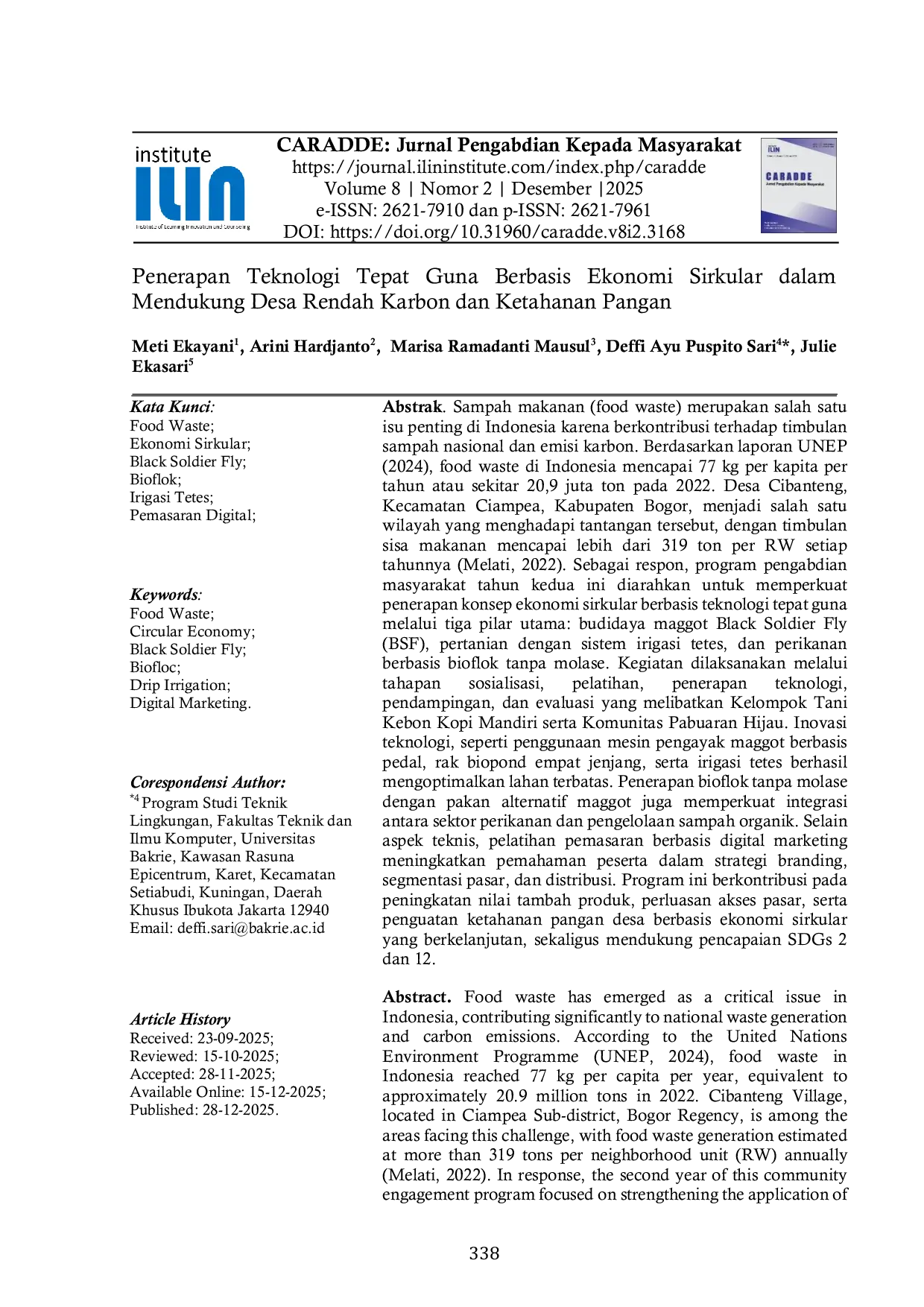
ILININSTITUTEILININSTITUTE Desa Cibanteng, Kecamatan Ciampea, Kabupaten Bogor, menjadi salah satu wilayah yang menghadapi tantangan tersebut, dengan timbulan sisa makanan mencapaiDesa Cibanteng, Kecamatan Ciampea, Kabupaten Bogor, menjadi salah satu wilayah yang menghadapi tantangan tersebut, dengan timbulan sisa makanan mencapai

UBYUBY Penelitian ini merumuskan strategi pemanfaatan jerami padi sebagai pakan sapi potong di Kecamatan Libureng, Kabupaten Bone dengan menggunakan analisisPenelitian ini merumuskan strategi pemanfaatan jerami padi sebagai pakan sapi potong di Kecamatan Libureng, Kabupaten Bone dengan menggunakan analisis
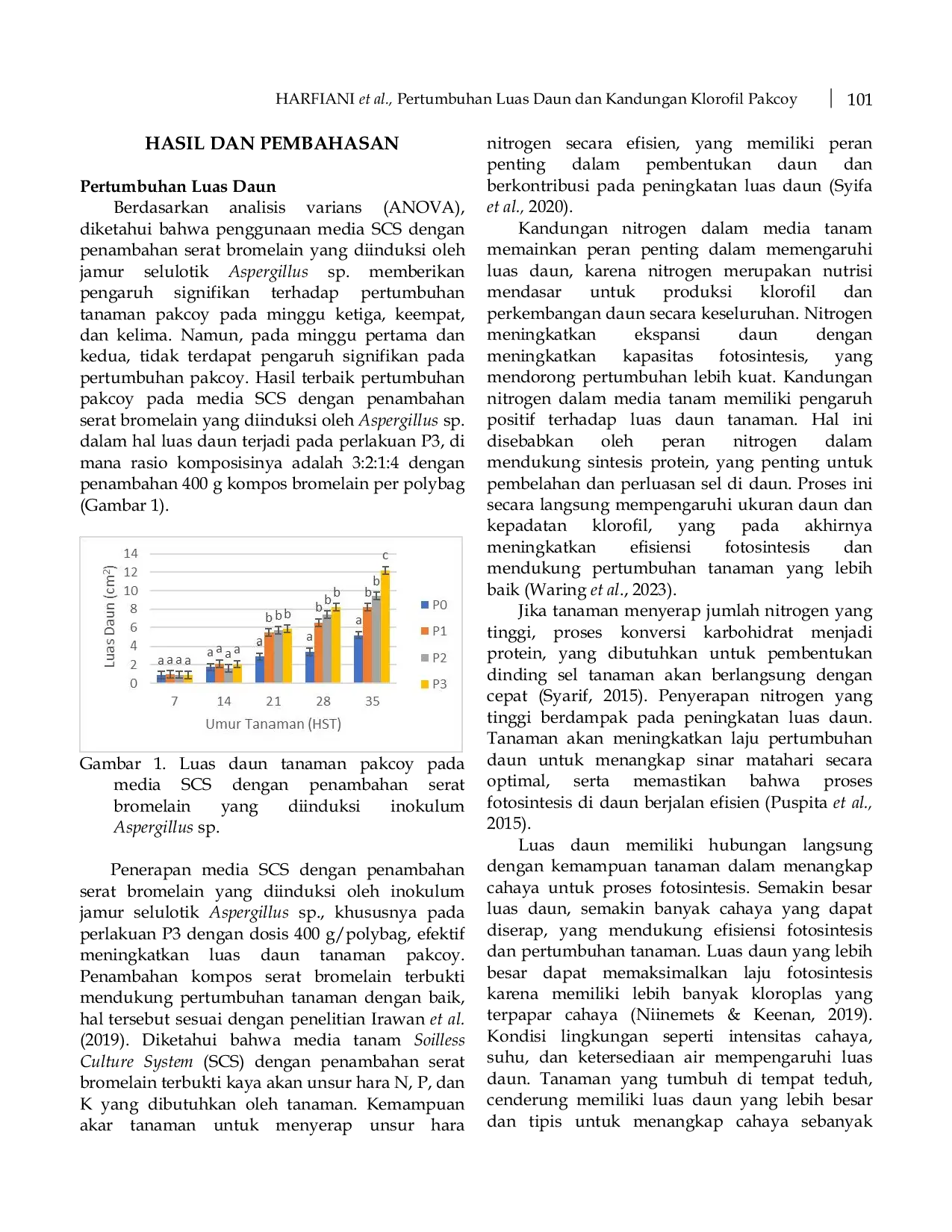
UncenUncen untuk meningkatkan pertumbuhan pakcoy (Brassica rapa L. ). Penelitian menggunakan rancangan acak lengkap dengan empat perlakuan media SCS berbasis seratuntuk meningkatkan pertumbuhan pakcoy (Brassica rapa L. ). Penelitian menggunakan rancangan acak lengkap dengan empat perlakuan media SCS berbasis serat
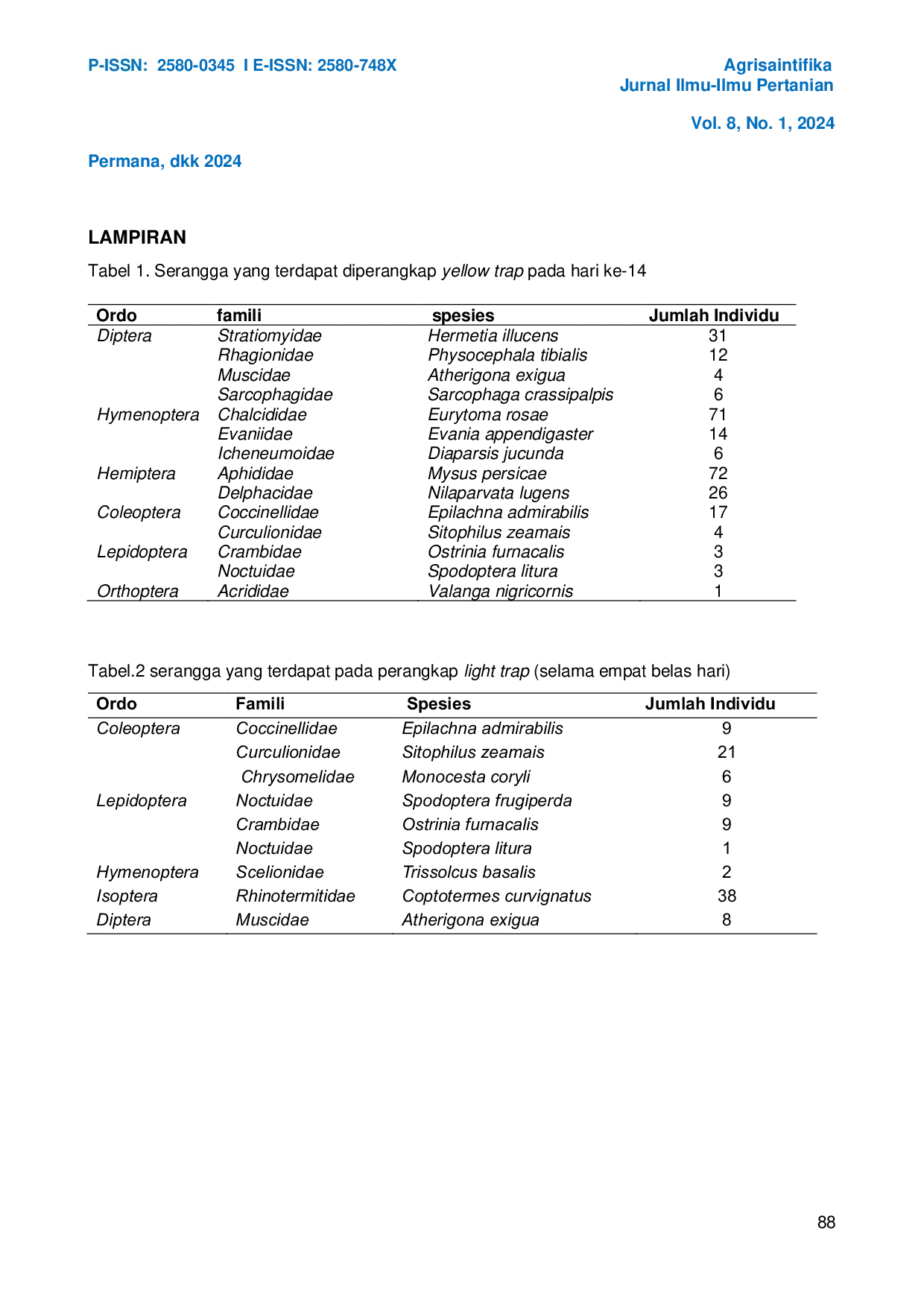
UNIVET BANTARAUNIVET BANTARA Dalam penelitian ini terdapat nilai keanekaragaman pada perangkap yellow trap dengan nilai (H=2,023>0,1). Untuk nilai keanekaragaman pada perangkap lightDalam penelitian ini terdapat nilai keanekaragaman pada perangkap yellow trap dengan nilai (H=2,023>0,1). Untuk nilai keanekaragaman pada perangkap light
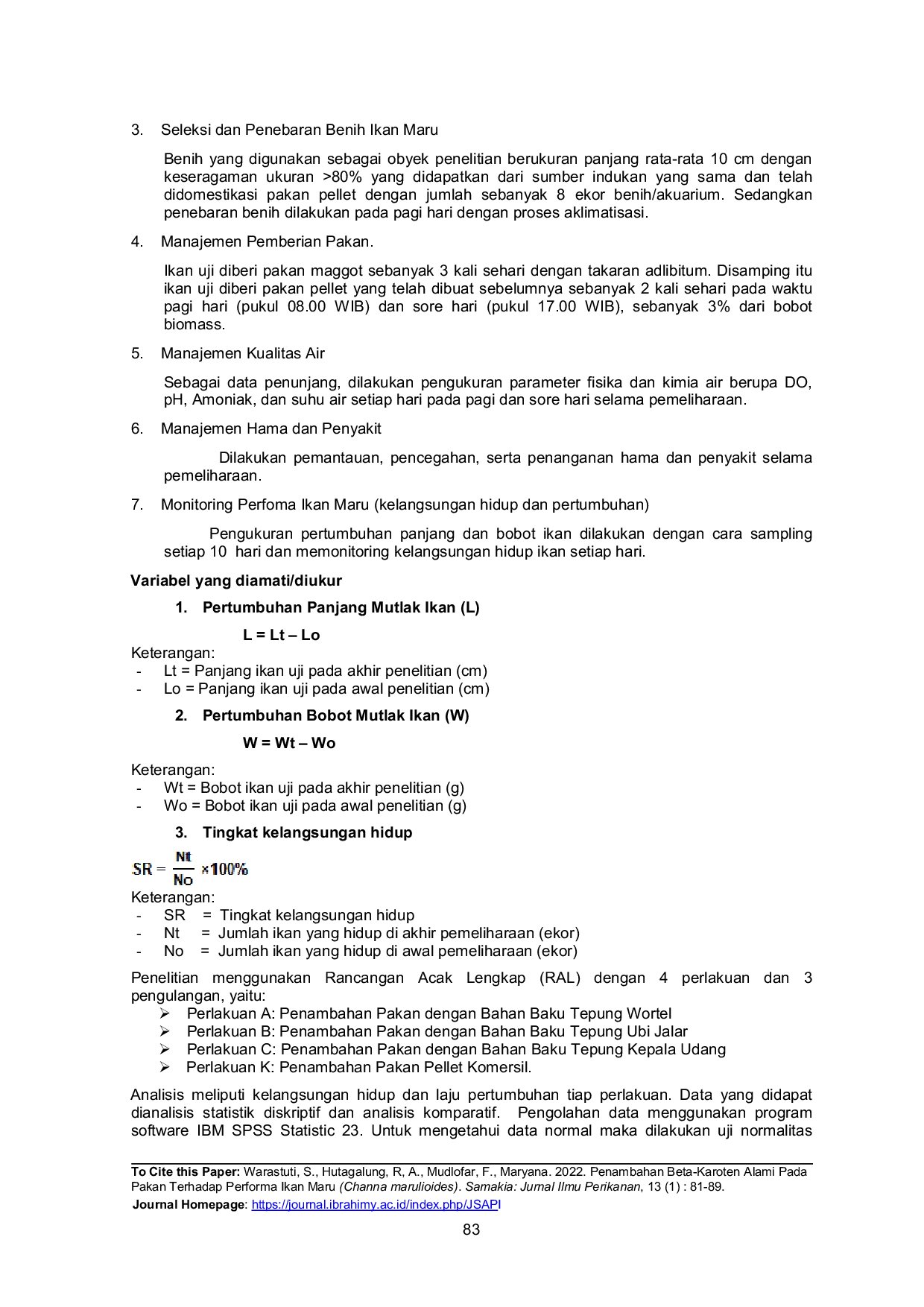
IBRAHIMYIBRAHIMY Penelitian menggunakan Rancangan Acak Lengkap (RAL) dengan empat perlakuan dan tiga pengulangan yaitu perlakuan A (penambahan pakan dengan bahan baku tepungPenelitian menggunakan Rancangan Acak Lengkap (RAL) dengan empat perlakuan dan tiga pengulangan yaitu perlakuan A (penambahan pakan dengan bahan baku tepung
Useful /
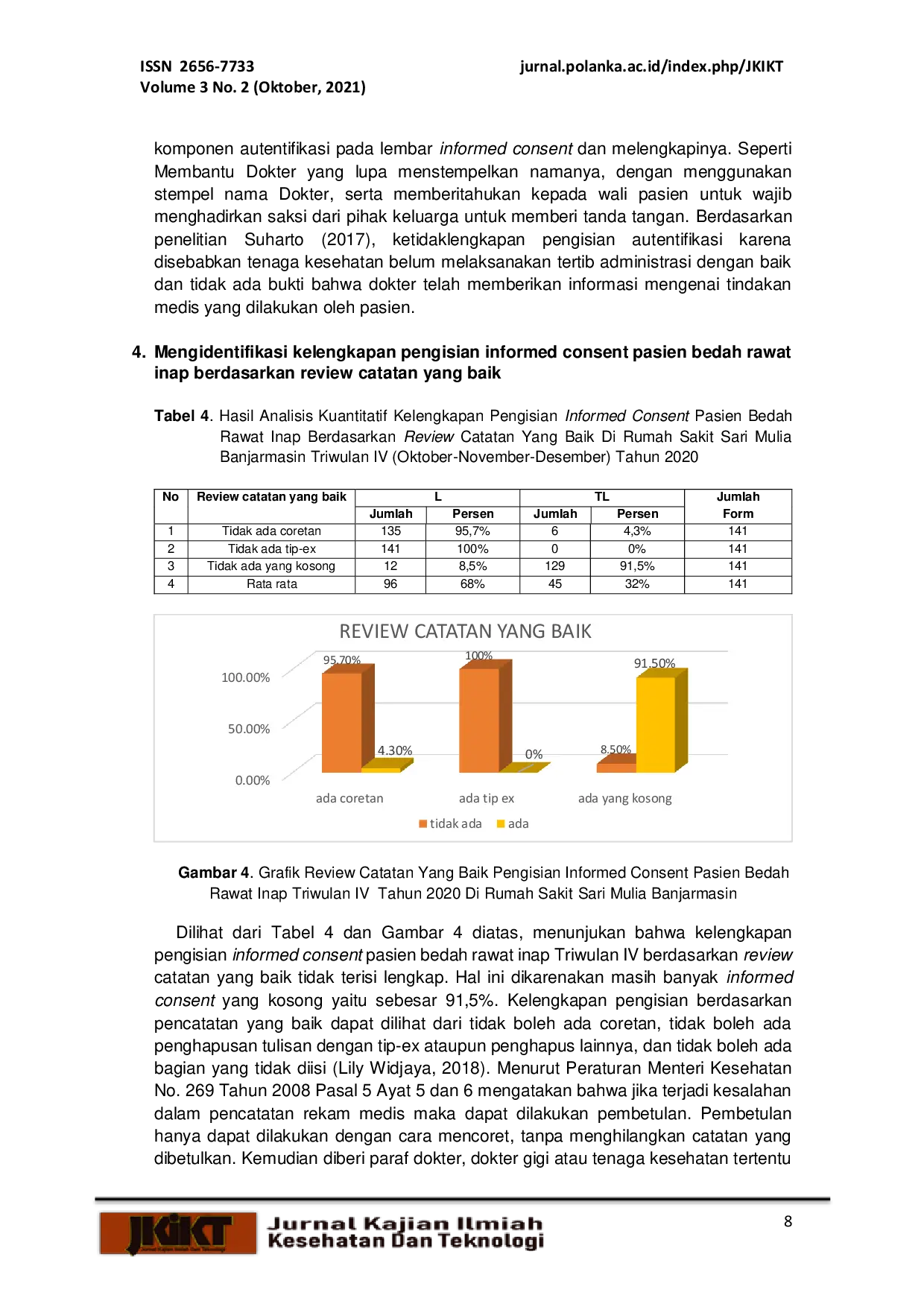
POLANKAPOLANKA Pada penelitian ini, teknik pengambilan sampel dengan random sampling, jumlah sampel ada 141 rekam medis pasien bedah rawat inap yang dianalisis, dan seluruhnyaPada penelitian ini, teknik pengambilan sampel dengan random sampling, jumlah sampel ada 141 rekam medis pasien bedah rawat inap yang dianalisis, dan seluruhnya
UNYUNY Penelitian mengenai teknik restrukturisasi kognitif telah banyak dilakukan, namun penggunaan variabel untuk mengurangi kecemasan dalam mengemukakan pendapatPenelitian mengenai teknik restrukturisasi kognitif telah banyak dilakukan, namun penggunaan variabel untuk mengurangi kecemasan dalam mengemukakan pendapat
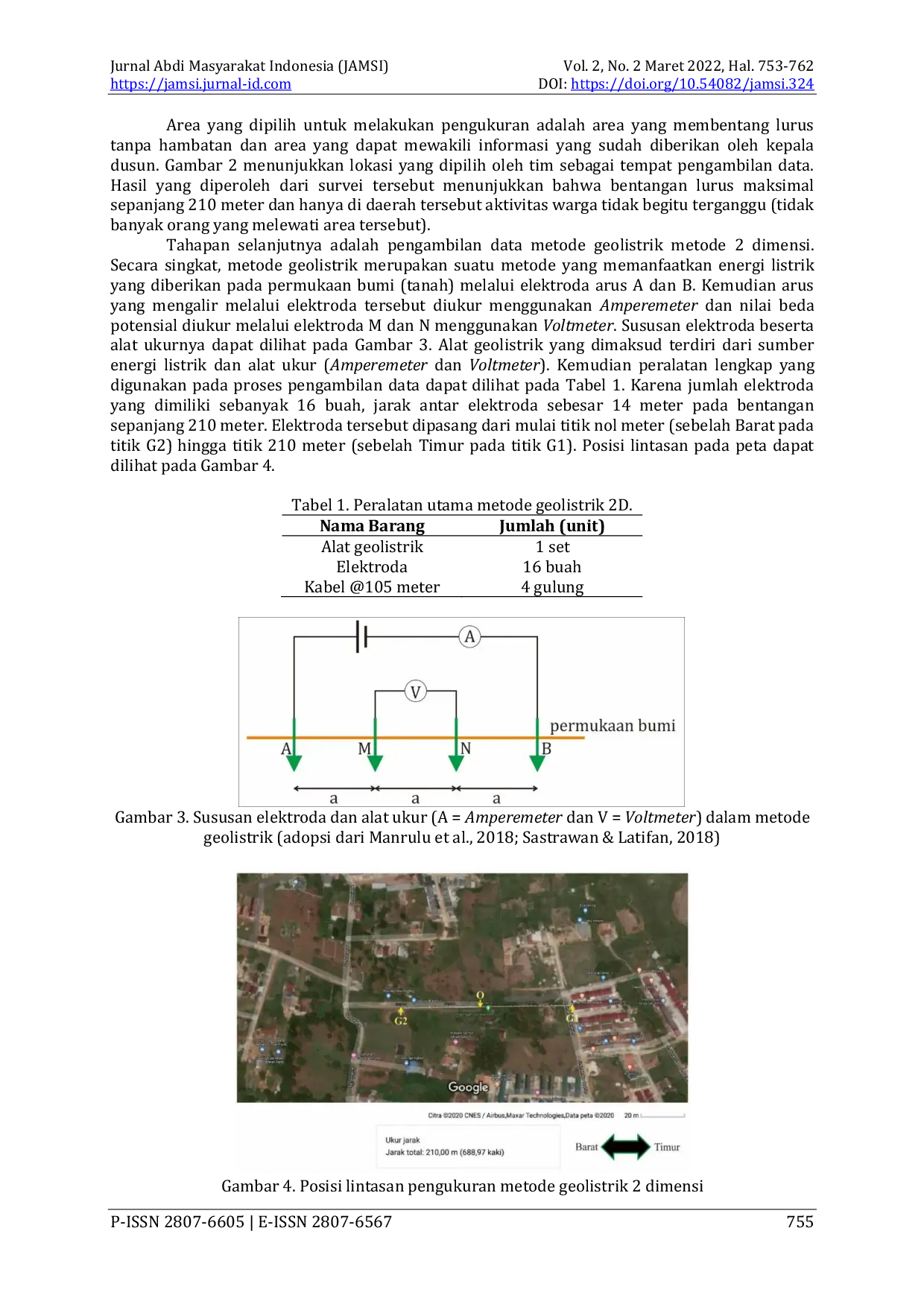
IDID Kegiatan pengabdian kepada masyarakat ini berhasil dalam memberikan informasi kemenerusan lapisan air tanah di Dusun IID, Desa Jatimulyo, Kecamatan JatiKegiatan pengabdian kepada masyarakat ini berhasil dalam memberikan informasi kemenerusan lapisan air tanah di Dusun IID, Desa Jatimulyo, Kecamatan Jati

IDID Setelah pengabdian masyarakat, hasil yang diperoleh adalah bertambahnya pengetahuan guru mengenai manajemen kearsipan data dan surat secara digital. PengetahuanSetelah pengabdian masyarakat, hasil yang diperoleh adalah bertambahnya pengetahuan guru mengenai manajemen kearsipan data dan surat secara digital. Pengetahuan